The spot on your cheek may look darker every time you skip sunscreen, while the “brightening” serum on your shelf does very little. A typical 5% tranexamic acid formula needs roughly 8 to 16 weeks of steady use before it earns a verdict.
Dark spots can be solar lentigines, post-inflammatory marks, or melasma, and those categories don’t behave the same way. Anything new, changing, asymmetric, multicolored, bleeding, crusting, itchy, or slow to heal deserves a dermatologist’s assessment rather than a home routine.
What you will find inside
- 1. Wear Tinted Sunscreen Every Single Morning
- 2. Choose Tranexamic Acid For A Gentle First Active
- 3. Add Azelaic Acid When Your Skin Also Gets Reactive
- 4. Use Retinoids Slowly Instead Of Chasing Fast Results
- 5. Keep Niacinamide And Vitamin C In Supporting Roles
- 6. Ask About Prescription Options For Stubborn Melasma
1. Wear Tinted Sunscreen Every Single Morning
Daily broad-spectrum SPF 30+ is the step that keeps pigment work from getting undone, especially on the face, chest, and hands. For melasma or stubborn diffuse discoloration, choose a tint with iron oxides, which adds visible-light coverage that regular clear sunscreen may not provide.
La Roche-Posay Anthelios Mineral Tinted Ultra Light Face Sunscreen SPF 50, typically around $38, is a practical drugstore-adjacent option for many medium skin tones. Reapply every two hours when outdoors, and after swimming or sweating, because one careful morning application is not all-day pigment protection.

2. Choose Tranexamic Acid For A Gentle First Active
Topical tranexamic acid is a smart first choice when mature skin is easily irritated or hydroquinone feels too aggressive. Studies support formulas commonly in the 2% to 5% range for melasma and uneven-looking tone, although results are gradual and vary by the cause of the spot.
Naturium Tranexamic Topical Acid 5%, usually about $20 at Target, pairs tranexamic acid with supportive ingredients in a simple nightly serum step. I like this category for broad patchy discoloration, but I would not expect it to erase a sharply defined sun spot overnight.
3. Add Azelaic Acid When Your Skin Also Gets Reactive
Azelaic acid can be especially useful for skin that also deals with breakouts, redness, or marks left after irritation. Prescription strengths of 15% to 20% have stronger support, while a 10% over-the-counter product can be a modest, accessible place to begin.
The Ordinary Azelaic Acid Suspension 10%, typically around $14 at Ulta or Sephora, is worth trying two or three nights weekly before increasing frequency. Its silicone-like finish is divisive, but the formula is a better bet than piling on acids when your barrier already stings.
4. Use Retinoids Slowly Instead Of Chasing Fast Results
Prescription tretinoin at 0.025% to 0.05% may support a more even-looking tone while addressing photoaging concerns, but irritation can deepen pigment in susceptible skin. Start two nonconsecutive nights a week, use a pea-sized amount for the full face, and buffer with moisturizer if needed.
For an over-the-counter route, RoC Retinol Correxion Line Smoothing Night Serum Capsules, often around $30, offer a measured retinol dose without asking you to improvise. Retinoids reward patience, so pause and simplify if you get persistent burning, scaling, or redness rather than forcing daily use.
5. Keep Niacinamide And Vitamin C In Supporting Roles
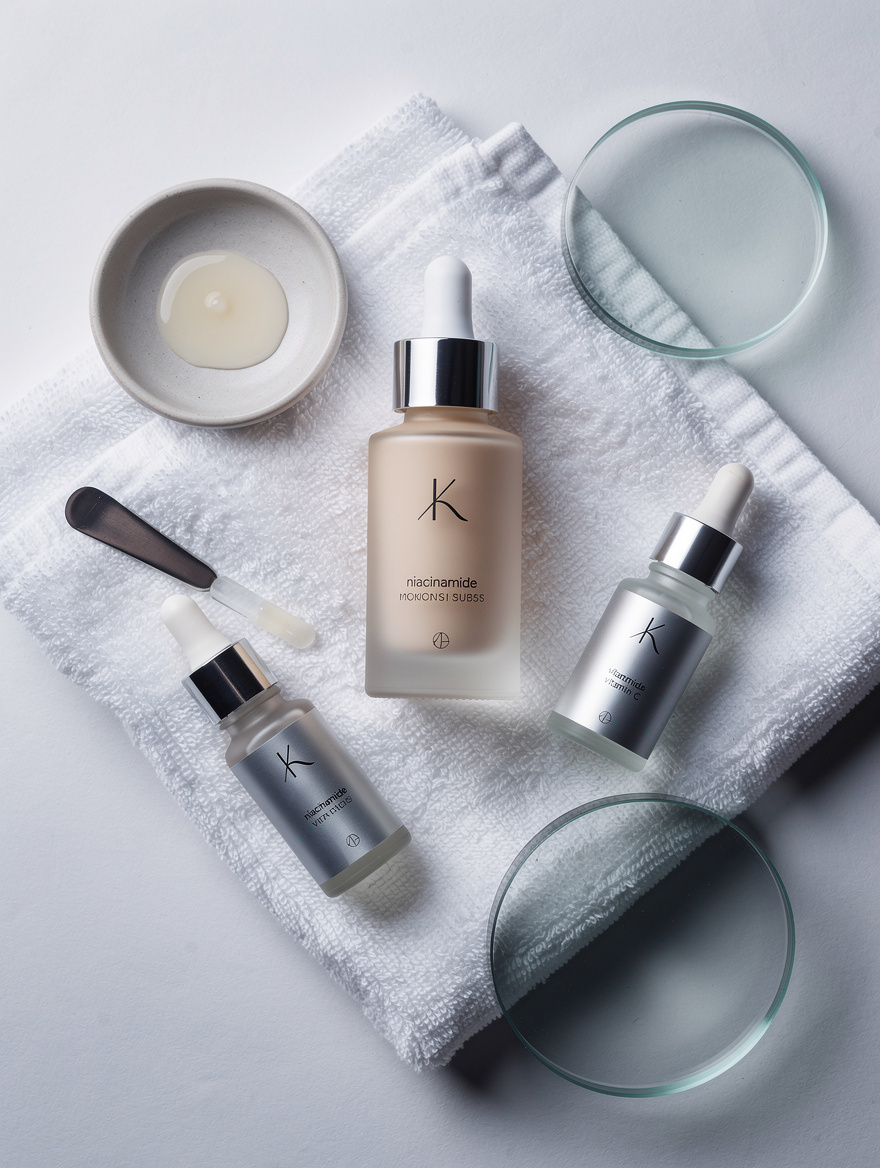
Niacinamide at about 4% to 5% can support the skin barrier and work comfortably beside many pigment-focused routines. It is helpful maintenance, though entrenched spots usually need sunscreen plus a more targeted active to show meaningful change.
Olay Regenerist Micro-Sculpting Cream Fragrance-Free, usually around $30, includes niacinamide in a richer moisturizer that suits drier mature skin. A stable 10% vitamin C serum can also be a useful morning antioxidant adjunct, but skip it or reduce use if it stings.
6. Ask About Prescription Options For Stubborn Melasma
Hydroquinone 4% remains a conventional prescription option for stubborn melasma and age spots, usually used in limited courses under clinician direction. Dermatologists may also prescribe triple-combination treatment containing hydroquinone, tretinoin, and fluocinolone for short-term melasma management.
That prescription combination is effective for some patients, yet it is not a casual forever cream because it can irritate and includes a steroid. A dermatologist can confirm whether the patch is actually melasma, discuss prescription choices or procedures, and make sure a concerning spot is not being mistaken for ordinary pigmentation.
Start with a tinted broad-spectrum sunscreen you will genuinely wear every morning, then add one pigment active for at least eight weeks before judging it. The lowest-friction routine is often sunscreen, a fragrance-free moisturizer such as CeraVe PM Facial Moisturizing Lotion, and one carefully introduced treatment.