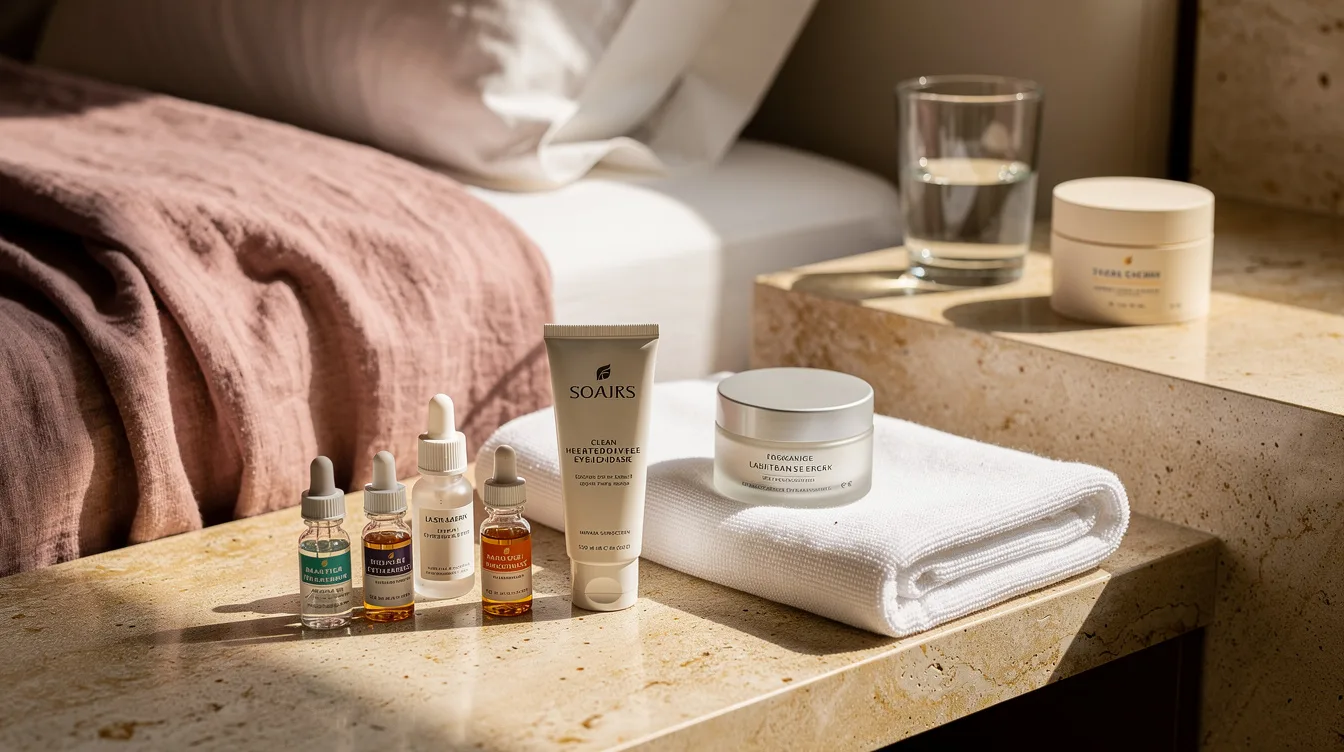
The mirror can be especially frustrating when makeup catches on crepey lids while your eyes feel sandy by midafternoon. These are related menopause changes, but dry eye and thinning eyelid skin need separate, gentle tracks.
Needing lubricating drops more than six times daily is a useful threshold for discussing preservative-free options and an eye exam, rather than simply buying another eye cream.
What you will find inside
- 1. Treat Burning Eyes as an Eye-Surface Issue
- 2. Match Drops to Evaporative Dryness
- 3. Warm the Lid Margins, Not the Eyeball
- 4. Rebuild the Eyelid Barrier Before Chasing Firmness
- 5. Shield the Area From Daily UV Exposure
- 6. Keep Retinoids Far From the Lash Line
1. Treat Burning Eyes as an Eye-Surface Issue
Burning, grittiness, watering, and blur that comes and goes often point to dry-eye disease, not a lack of richer face moisturizer. Start with preservative-free artificial tears, which lubricate the eye surface without repeated preservative exposure.
A drop with hyaluronate or other lubricating polymers can be a reasonable first OTC trial for watery, irritated dryness. If symptoms persist, an optometrist or ophthalmologist can sort out the cause and discuss treatments that belong in eye care, including prescription options when appropriate.

2. Match Drops to Evaporative Dryness
After menopause, dry eye often involves meibomian gland dysfunction, where the tiny oil glands along the lid margins make too little oil or poor-quality oil. That weakens the tear film’s oily layer, allowing tears to evaporate faster in wind, air-conditioning, and long screen sessions.
For that pattern, a lipid-containing preservative-free drop is usually a more logical category than a basic watery tear. We would skip redness-relief drops: they may whiten eyes temporarily, but they are not formulated to support dry-eye disease and can contribute to rebound redness.
3. Warm the Lid Margins, Not the Eyeball
Crusting at the lashes, recurrent styes, or oily lid margins can travel with blepharitis and gland dysfunction. A comfortably warm heated lid mask can support the usual first-line approach by softening oils at the lid margin.
Keep the routine conservative and follow clinician guidance for lid hygiene, especially if your eyes sting easily. Scrubbing hard, using fragranced face wash at the lash line, or putting exfoliating acids there can leave an already sensitive area more irritated.
4. Rebuild the Eyelid Barrier Before Chasing Firmness
Lower estrogen can mean less hydration, lower collagen production, and a thinner, more fragile barrier, and eyelid skin starts out exceptionally thin. Fine creping and makeup catching often call for a bland, fragrance-free ceramide moisturizer, not a stack of active eye treatments.
Apply a tiny amount over the orbital bone and let it settle before makeup, keeping it out of the eye and away from the lash line. A simple formula with glycerin can be more useful here than a heavily fragranced eye cream with a long promise list.
5. Shield the Area From Daily UV Exposure
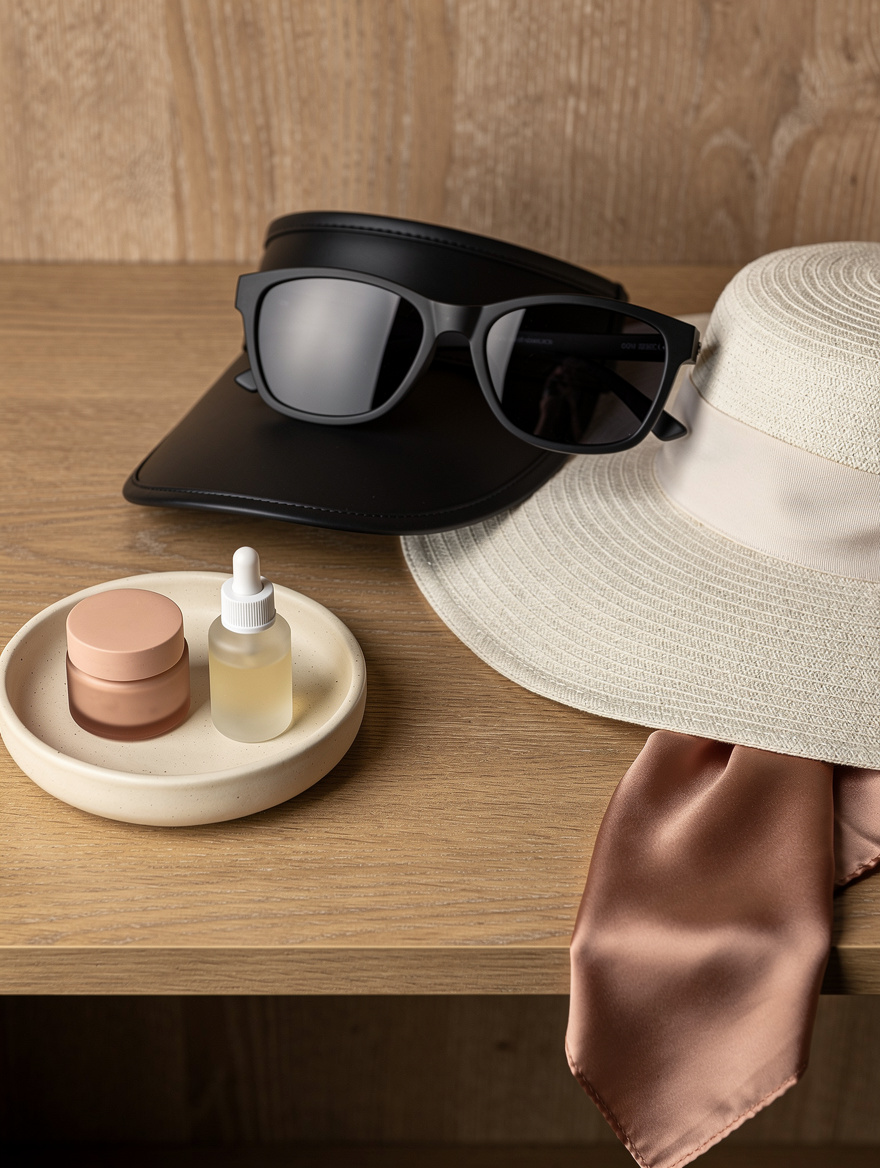
Photodamage can make fragile eyelid-area skin look more textured, so daily sun protection earns a place beside moisturizer. A broad-spectrum mineral sunscreen with zinc oxide is often a practical choice around sensitive eyes when the formula does not sting.
Use sunglasses and a brimmed hat when you expect outdoor exposure, since sunscreen alone is difficult to apply perfectly close to the eyes. Stop using a product that burns, waters your eyes, or triggers a rash, then ask a dermatologist for a better-tolerated approach.
6. Keep Retinoids Far From the Lash Line
Retinol may support collagen-related skin goals over time, but thin menopausal eyelid skin has little patience for aggressive experimentation. A typical 0.3% retinol is not an eyelid treatment, and strong anti-aging actives should not be applied close to the lash line.
If a dermatologist says a retinoid fits your routine, introduce it slowly on appropriate facial areas, buffer with moisturizer if advised, and pause when irritation appears. Peptides can be a gentler cosmetic option, though sunscreen and barrier care remain the sturdier foundation for this delicate zone.
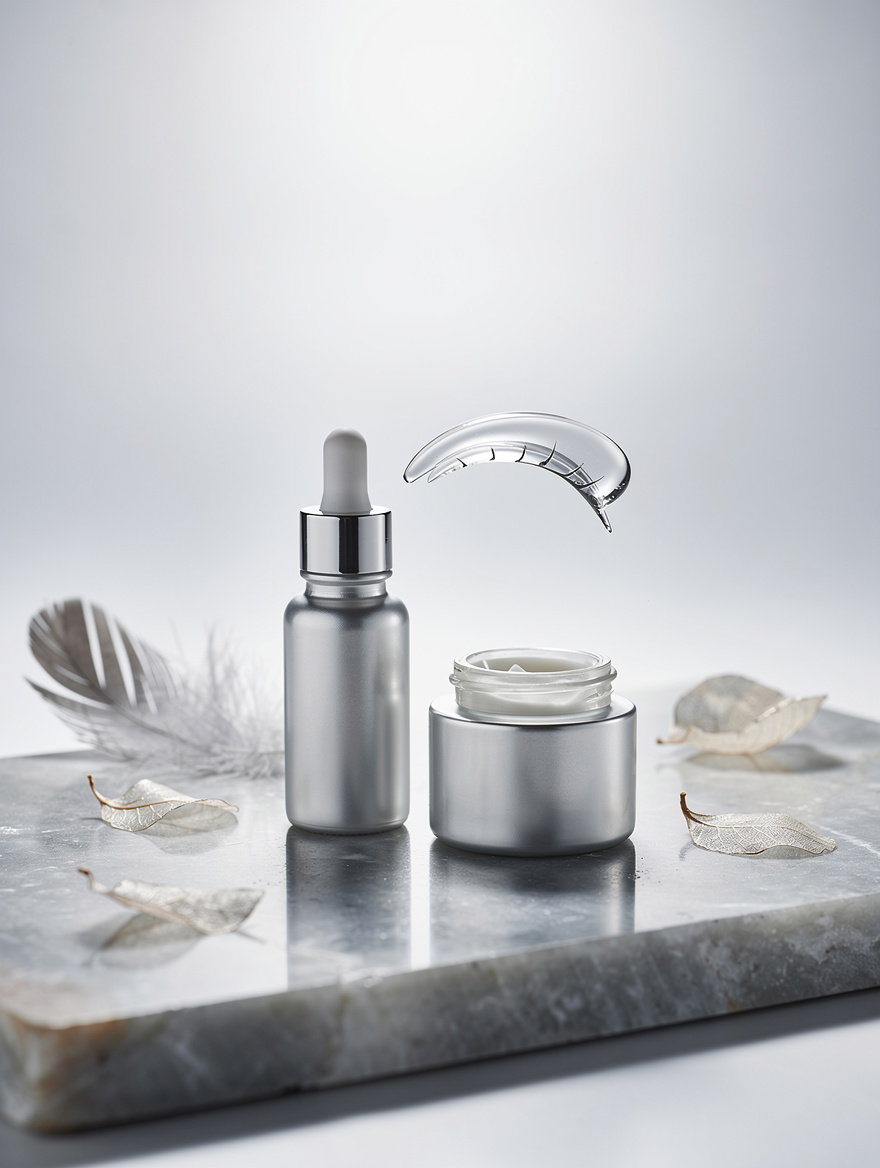
Begin with preservative-free lubricating drops for frequent discomfort and a plain ceramide moisturizer around the orbital bone. Book an in-person evaluation for pain, a new one-sided change, a sagging lid that affects vision, or any spot that bleeds, changes shape, or does not heal.