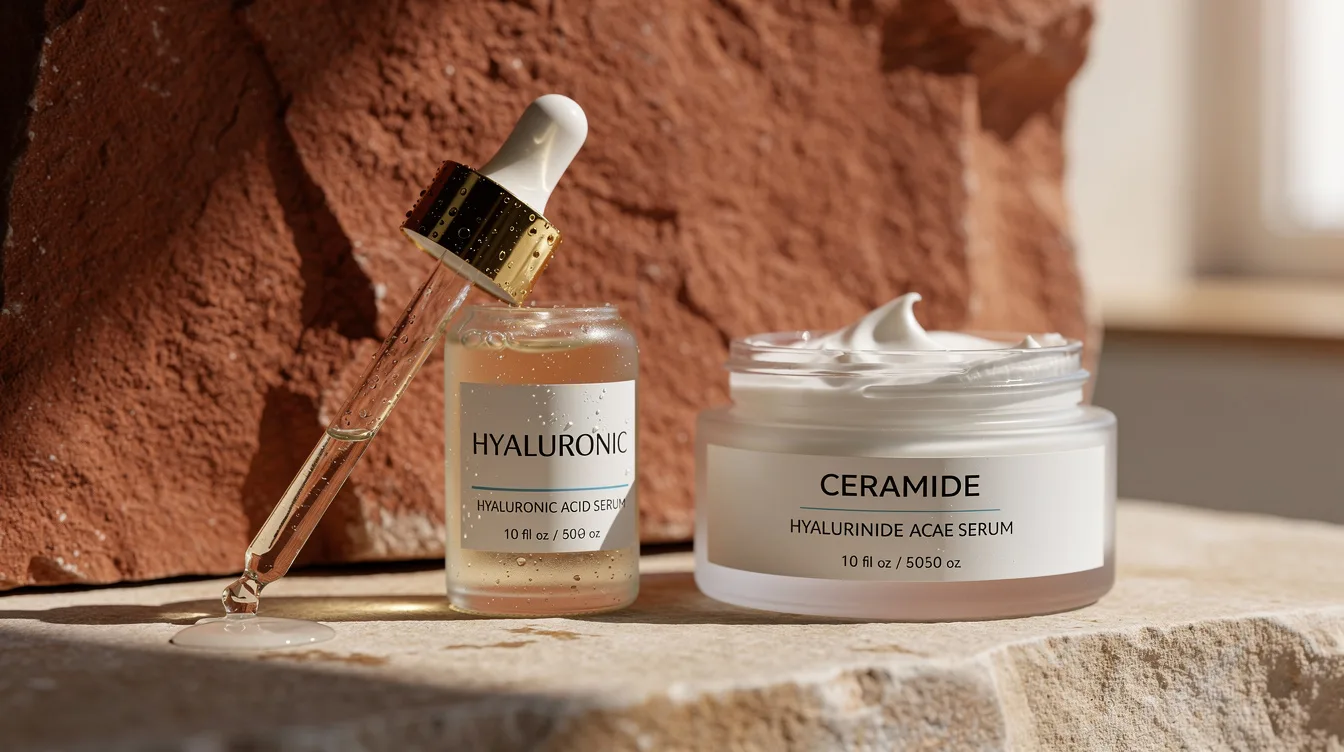
The bathroom mirror can be rude after a night with the heat running: your face feels tight, yet the fine lines around your mouth look more obvious after a serum meant to hydrate. A typical 2% hyaluronic acid serum can be useful, but its label percentage does not tell you whether the full routine will feel comfortable.
For skin over 50, lower oil production and a more fragile barrier make the follow-up steps matter. Hyaluronic acid holds water at the surface, while moisturizer helps keep that water from evaporating.
What you will find inside
- 1. Apply It to Slightly Damp Skin
- 2. Seal the Serum With a Real Moisturizer
- 3. Adjust for Heated and Air-Conditioned Air
- 4. Stop Treating a Higher Percentage as Better
- 5. Skip Fragrance and High-Alcohol Formulas When Skin Stings
- 6. Ease Up on Strong Actives Before Blaming HA
1. Apply It to Slightly Damp Skin
Putting hyaluronic acid on bone-dry skin is the mistake I see most often in otherwise sensible routines. Use one to three drops after cleansing while skin is slightly damp, not dripping, so the formula has surface water to work with.
The Ordinary Hyaluronic Acid 2% + B5, usually around $10, is a budget-friendly example, but it still needs a moisturizer on top. In a very dry room, a hydrating mist or a quick splash of water before application can feel more comfortable than adding another serum.

2. Seal the Serum With a Real Moisturizer
An HA serum is not a complete moisturizer, and leaving it alone can leave mature skin feeling papery by lunchtime. Follow it promptly with a cream containing barrier-supporting ingredients such as ceramides, glycerin, dimethicone, squalane, or petrolatum.
CeraVe Skin Renewing Night Cream, typically about $19, makes more sense here than chasing a second hyaluronic serum. Research on topical HA supports better surface hydration, while barrier-focused moisturizer remains the step that helps limit water loss.
3. Adjust for Heated and Air-Conditioned Air
Indoor air can be surprisingly dry in winter, during air-conditioning season, and on long flights, which is when an unsealed humectant routine often feels least convincing. Switch from a light gel to a richer cream when your cheeks feel tight again soon after moisturizing.
At night, a thin layer of Vaseline Original Healing Jelly, about $3 to $5, on only the driest areas can reduce that uncomfortable dry feeling if your skin tolerates it. I would keep it off areas that tend to break out and skip it over products that are already irritating your skin.
4. Stop Treating a Higher Percentage as Better
More HA is not automatically more hydrating, especially when the rest of the formula is thin or irritating. A controlled study found hydration benefits from creams with only 0.1% hyaluronan, which is a useful reminder that formula design matters more than label drama.
Give a new serum roughly one to two weeks of consistent, gentle use and judge it by comfort, not a dramatic overnight plumping effect. Neutrogena Hydro Boost Fragrance-Free Gel-Cream, often around $20, is the more practical sort of product when you want humectants inside a moisturizer rather than another standalone layer.
5. Skip Fragrance and High-Alcohol Formulas When Skin Stings
When a new HA serum stings, the issue may be fragrance, denatured alcohol, preservatives, or a stressed barrier rather than the HA itself. For reactive skin, I favor a fragrance-free option such as La Roche-Posay Hyalu B5 Pure Hyaluronic Acid Serum, typically around $40, only if it feels calm on your skin.
Patch-test first if you deal with rosacea, eczema, or frequent sensitivity, and stop using a product that burns or leaves persistent redness. A bland moisturizer with glycerin may be a better first move while you simplify the routine.
6. Ease Up on Strong Actives Before Blaming HA
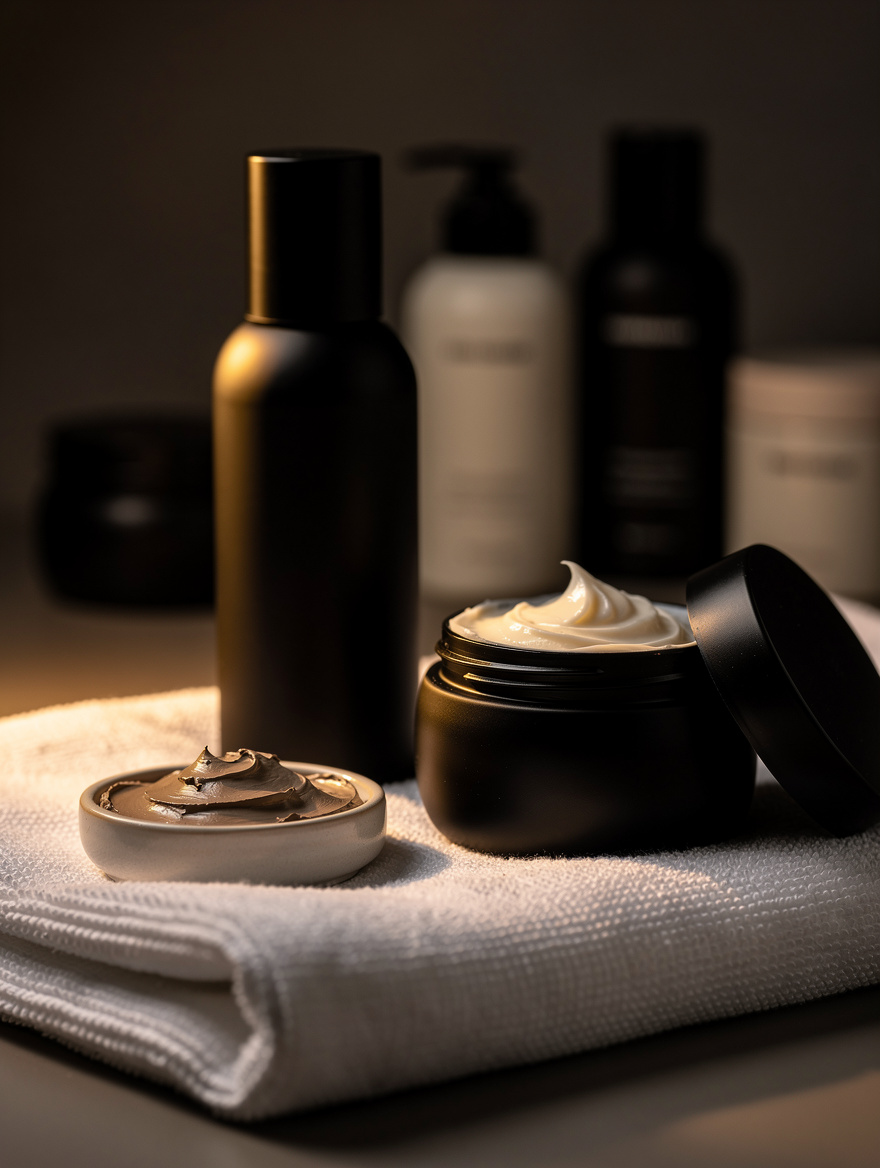
Retinoids, exfoliating acids, benzoyl peroxide, and harsh cleansers can make a weakened barrier feel dry even when HA is layered correctly. Reduce the frequency of retinol or acids temporarily, use a gentle cleanser, and rebuild comfort with moisturizer before adding every active back.
HA can temporarily soften the look of dehydration lines, but it does not replace daily broad-spectrum SPF 30 or treatment for dermatitis. See a dermatologist for skin that bleeds, changes shape, or does not heal, and do not delay prescribed treatment for a serum routine.
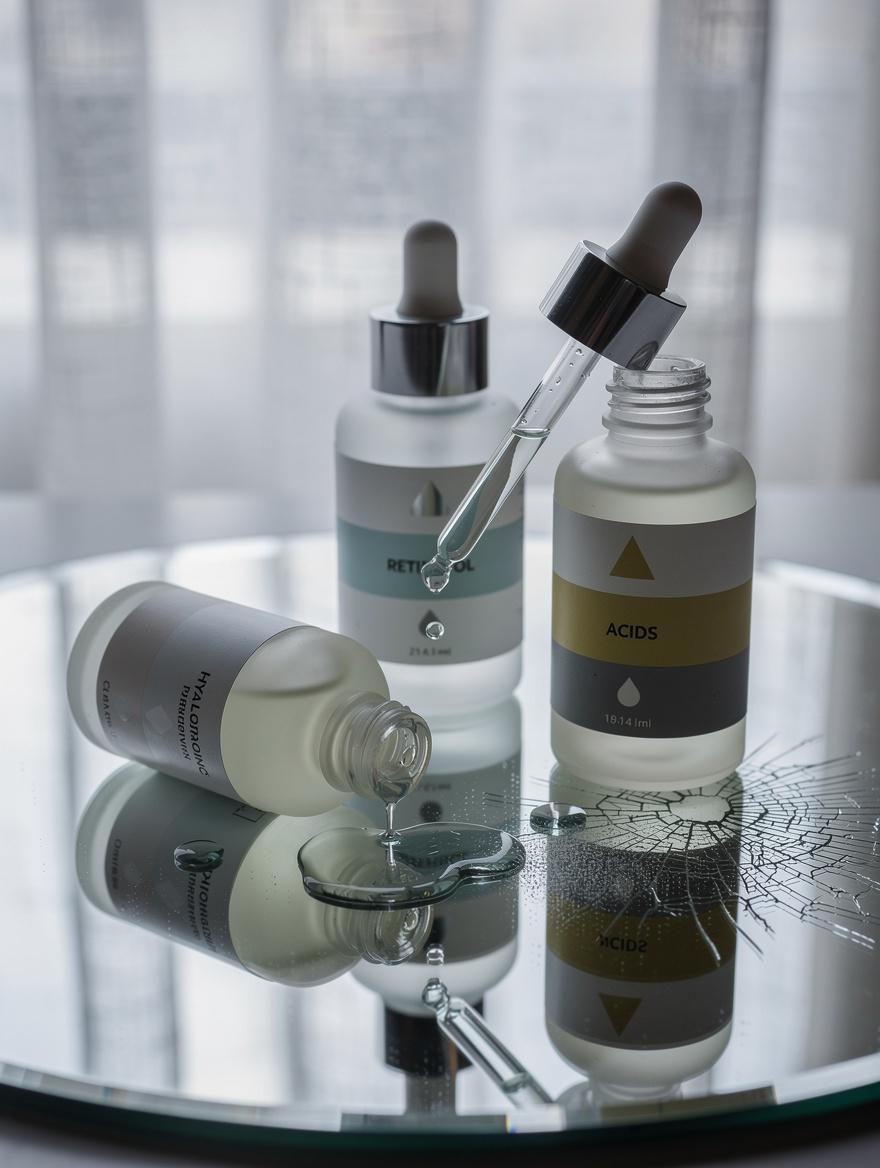
Start with the simplest correction tonight: apply your HA serum to damp skin and cover it with a ceramide-rich cream. That two-step change costs nothing extra and usually tells you more than buying a stronger-looking bottle.