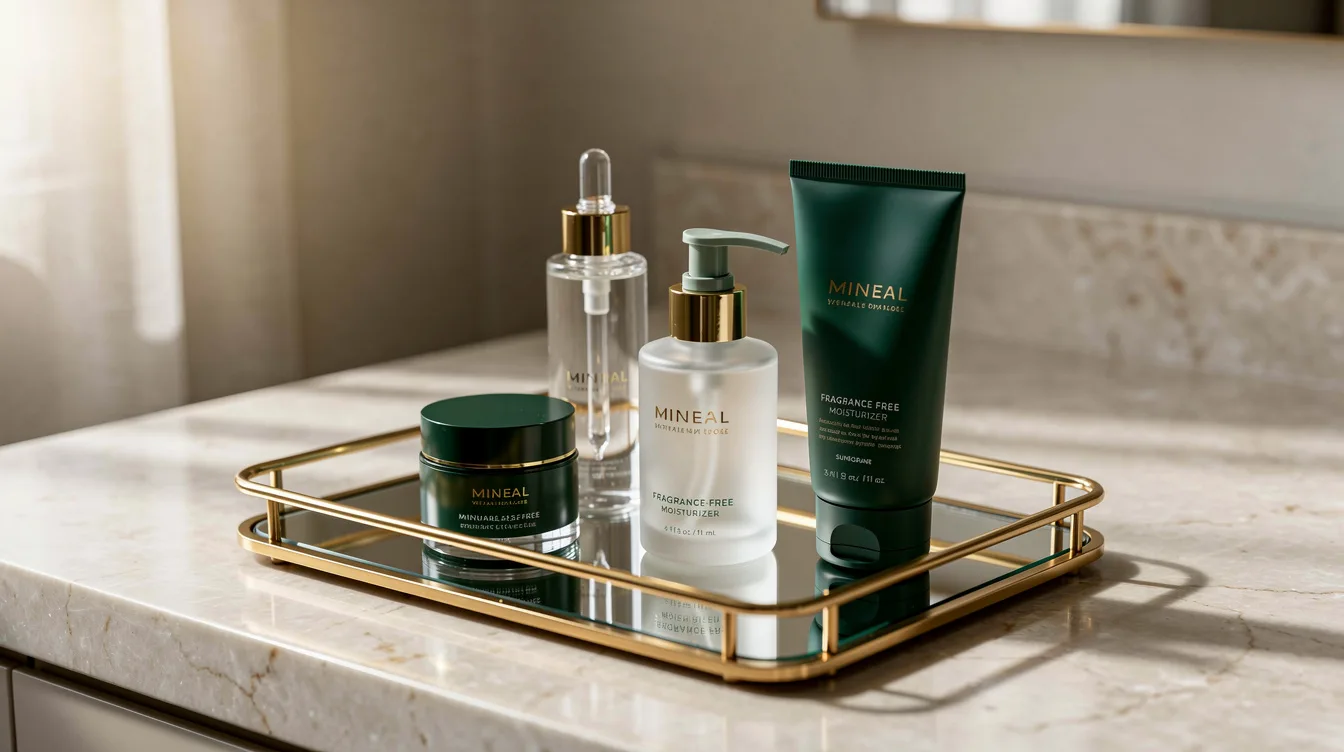
At the mirror, the serum is still slippery, the moisturizer is waiting, and the old advice says to set a 20-minute timer. That rule can turn a five-minute routine into a chore, especially when a typical 0.3% retinol already asks your skin for patience.
For ordinary cosmetic layers, there is no universal, research-backed mandatory wait time. The useful cue is physical: move on when the previous product has spread evenly and no longer feels wet, tacky, or likely to pill.
What you will find inside
- 1. Let Texture, Not a Timer, Set the Pace
- 2. Give Creams a Brief Moment Before SPF
- 3. Keep Sunscreen as the Final Skincare Layer
- 4. Wait for Dry Skin Before a Retinoid
- 5. Moisturize Promptly After Your Retinoid
- 6. Follow Prescription Instructions Over Layering Rules
1. Let Texture, Not a Timer, Set the Pace
Lightweight hydrating serums usually need only 10 to 30 seconds before the next layer. A glycerin or hyaluronic acid serum can go onto slightly damp skin, which is often more comfortable for a drier, lower-sebum complexion.
Long pauses do not make a cosmetic serum absorb more effectively in any proven way. I’d save the clock for coffee and use your fingertips instead: when the layer stops sliding around, continue.
2. Give Creams a Brief Moment Before SPF
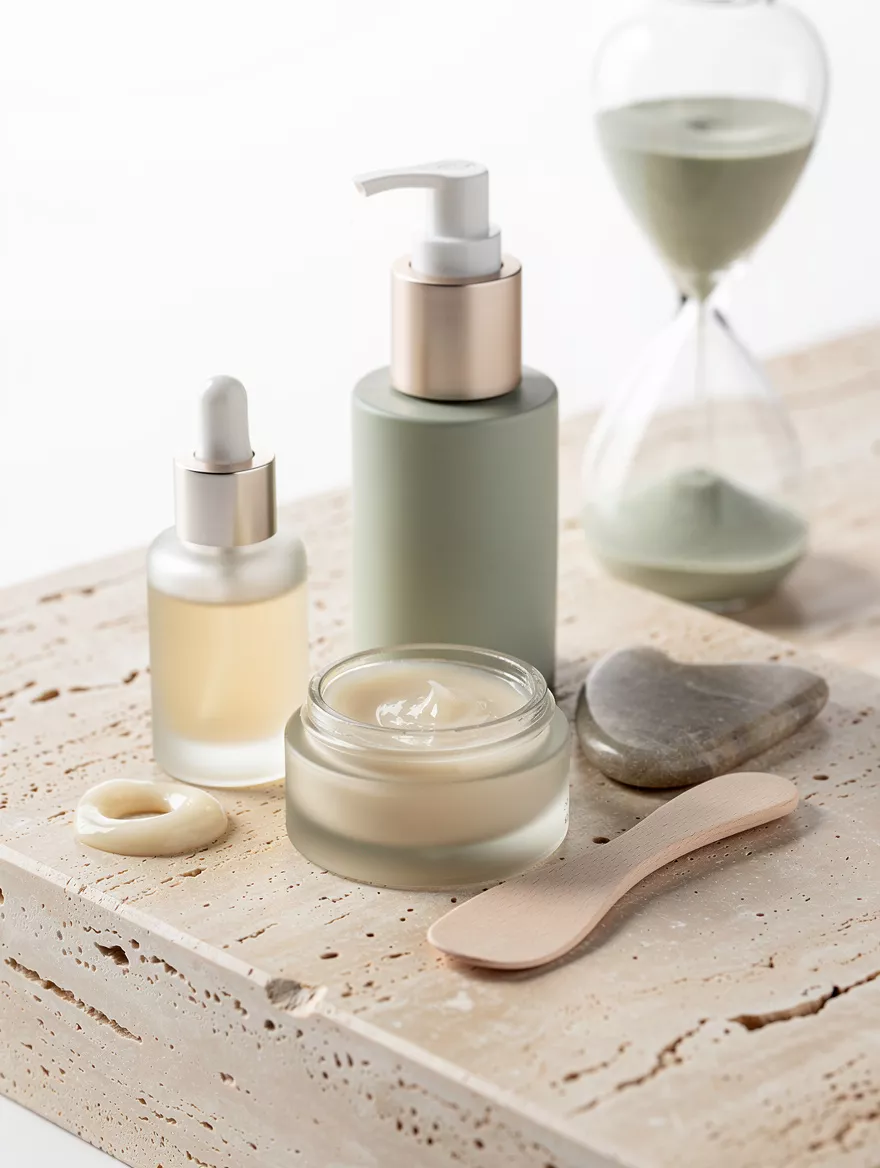
A richer moisturizer deserves roughly one to three minutes before sunscreen, mainly so the sunscreen film goes on evenly. Vanicream Daily Facial Moisturizer, typically about $14 to $16 for 3 ounces, is a sensible plain-vanilla choice when fragrance or an overworked barrier has become an issue.
That short pause is about preventing pilling, not creating a scientific gap between products. If your sunscreen rolls up, use less moisturizer, press instead of rub, or give the cream another minute.
3. Keep Sunscreen as the Final Skincare Layer
Apply broad-spectrum sunscreen after moisturizer, then allow about two to five minutes before makeup if your base tends to ball up. The priority is applying enough SPF 30 or higher, not shaving down the amount to make foundation sit better.
A common practical benchmark is about one-quarter teaspoon for face and neck, though face size and application style vary. EltaMD UV Clear Broad-Spectrum SPF 46, often around $45 to $47, is a higher-cost option with 9% zinc oxide and 5% niacinamide.
4. Wait for Dry Skin Before a Retinoid
Retinoids are the exception where the condition of your skin matters more than rapid layering. After cleansing, pat dry and wait until skin is fully dry, typically one to five minutes, before a pea-sized amount of retinol or another retinoid.
Damp skin can make retinoids feel more irritating, particularly when estrogen-related dryness has made the barrier less forgiving. Keep the product away from eyelid creases, nostril folds, and lip corners, and don’t assume more product means better use.
5. Moisturize Promptly After Your Retinoid
You can apply moisturizer right after a retinoid or wait a few minutes if that texture feels better to you. For irritation-prone skin, the “sandwich” approach, moisturizer, retinoid, then moisturizer, can make a routine easier to keep up with.
CeraVe PM Facial Moisturizing Lotion is widely available at US retailers and uses ceramides plus niacinamide in a light format. A dependable recovery layer is more useful than pushing through peeling, burning, or persistent stinging.
6. Follow Prescription Instructions Over Layering Rules
Prescription topical medicines are different from cosmetic serums, and their application directions can include specific spacing or skin-prep instructions. Follow the prescriber’s directions rather than borrowing a social-media timing chart, and do not stop a prescribed treatment without medical guidance.
For everything else, consistency wins: a simple morning routine and a tolerable evening routine are easier to repeat than a complicated lineup of pauses. See a dermatologist about any spot that bleeds, changes shape, or does not heal.
Start by dropping the 20-minute waits: give a light serum about 10 to 30 seconds, let moisturizer settle briefly before sunscreen, and reserve a few dry-skin minutes for retinoid nights. That cuts friction from the routine while keeping the steps that actually protect a mature skin barrier.