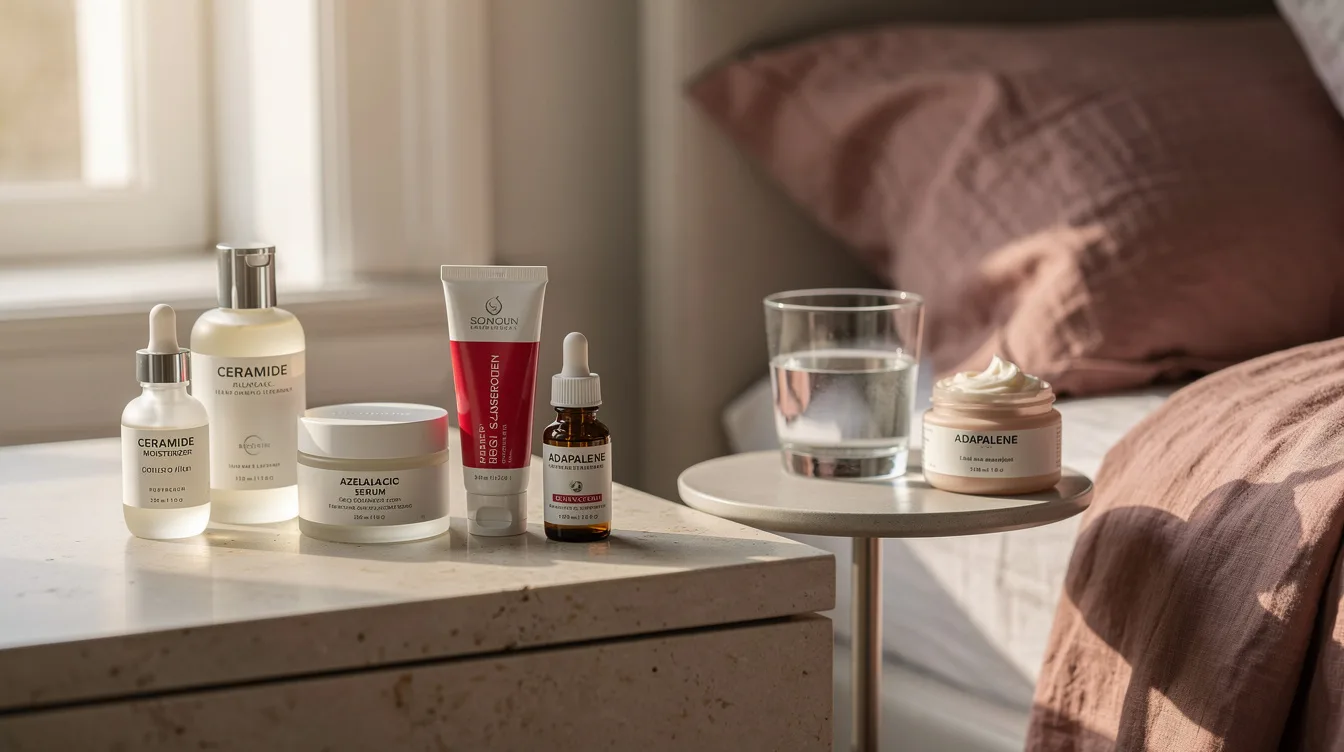
The surprise often arrives at the magnifying mirror: tender chin bumps, a rough jawline, and a moisturizer that suddenly stings. A typical 0.1% adapalene routine can help some acne patterns, but new breakouts after 50 deserve more thought than simply adding stronger products.
Lower estrogen can make androgen effects relatively more noticeable while skin produces less protective oil. That combination calls for acne treatment with a serious respect for dryness.
What you will find inside
- Get A New, Sudden Rash Checked
- Stop Scrubbing The Barrier Away
- Start Retinoids On A Slow Schedule
- Choose A Gentler Treatment For Inflamed Bumps
- Give Azelaic Acid A Real Trial
- Ask About Hormonal Treatment Instead Of Guessing
Get A New, Sudden Rash Checked
Book a dermatology visit when breakouts are truly new, abrupt, painful, cystic, scarring, or unclear. Rosacea, folliculitis, periorificial dermatitis, and contact reactions can resemble acne yet need different care.
Prompt evaluation matters if bumps arrive with rapid new facial or body hair, scalp hair thinning, voice changes, deep nodules, or a recent change in hormones, corticosteroids, lithium, or vitamin B12 injections. Ordinary chin hairs are common; rapid virilization is the concern clinicians investigate.
Stop Scrubbing The Barrier Away
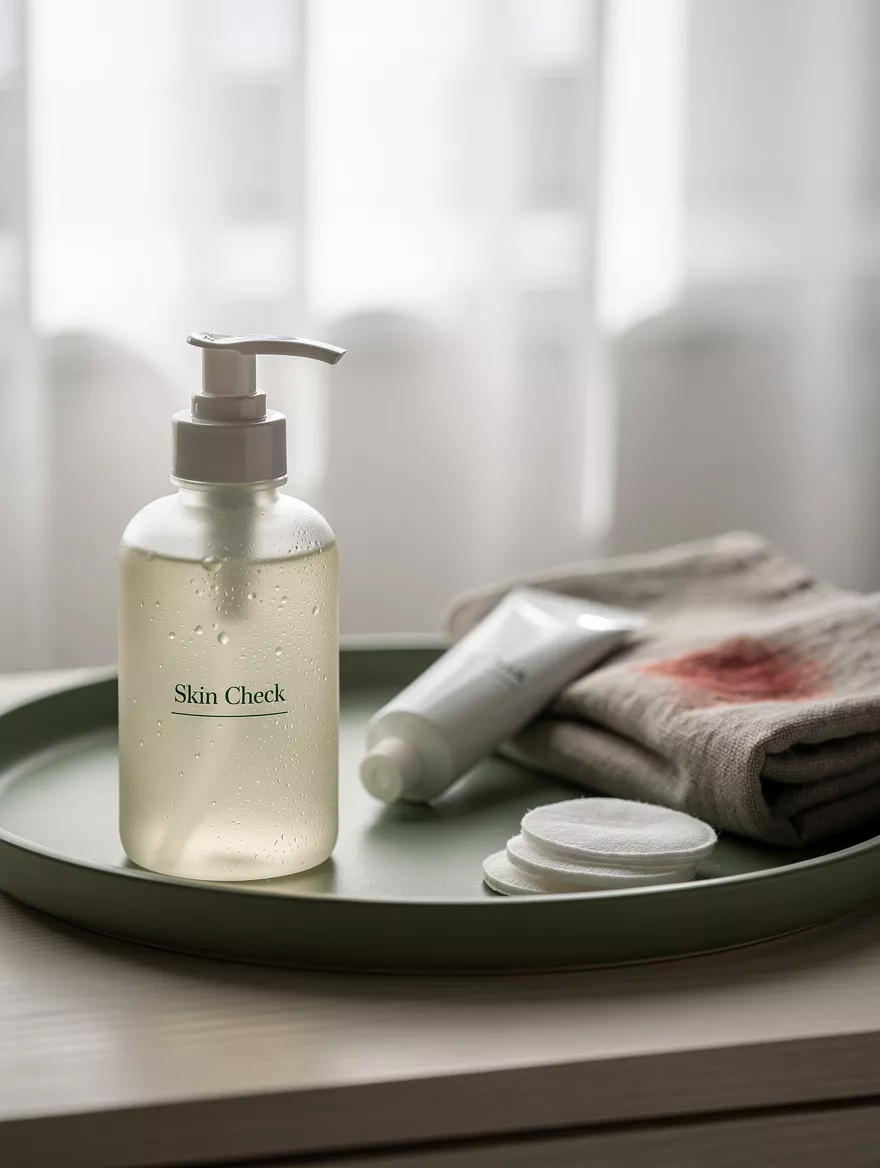
A cleansing brush, facial scrub, or alcohol-heavy toner can turn a manageable breakout into an irritated cycle. Use a mild cleanser and a plain ceramide moisturizer twice daily, even when your skin feels oily around the chin.
I would skip the urge to “dry out” every spot. Perimenopausal skin often has a thinner, more reactive barrier, and inflammation can leave red or dark marks that outlast the pimple itself.
Start Retinoids On A Slow Schedule
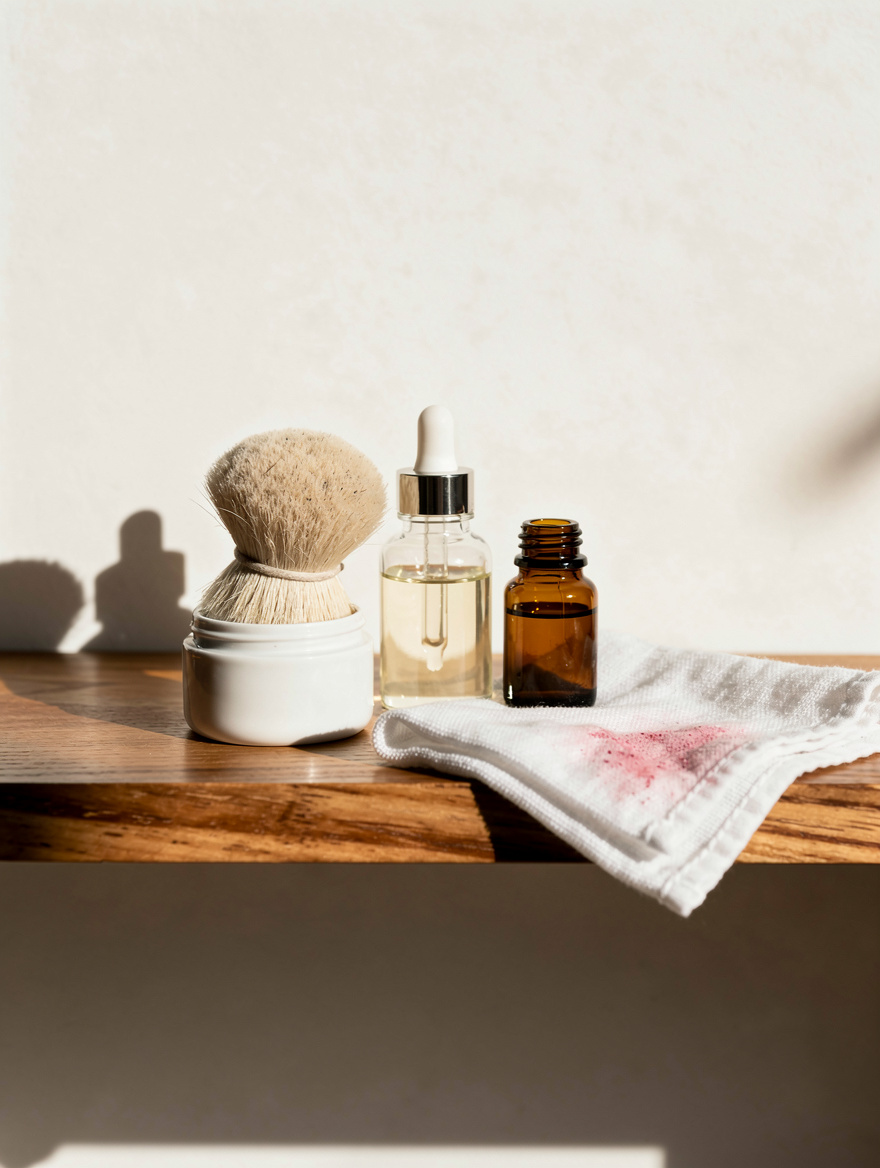
Adapalene 0.1% is an over-the-counter topical retinoid that dermatologists commonly use for blackheads, whiteheads, and recurring mixed acne. Apply a pea-sized amount over the full acne-prone area, not as a thick dab on each bump.
Begin two evenings a week, then add nights only when your skin is comfortable. A moisturizer before or after the retinoid is a sensible compromise for dry skin, and prescription tretinoin remains worth discussing if OTC care falls short.
Choose A Gentler Treatment For Inflamed Bumps
For red, inflamed pimples, a 2.5% to 5% benzoyl peroxide wash is often easier to tolerate than a strong leave-on formula. Rinse well, moisturize afterward, and remember that it can bleach towels, pillowcases, and collars.
Dermatology guidance supports benzoyl peroxide and topical retinoids, including combination treatment when appropriate. Don’t stack several strong actives on the same night just because the jawline looks impatient.
Give Azelaic Acid A Real Trial
Azelaic acid 10% is one of my favorite options for the woman whose acne arrives alongside sensitivity and lingering marks. It is available over the counter, while dermatologists may prescribe 15% foam or gel, or 20% cream when that fits the situation.
Use a thin layer every other morning for one to two weeks, then move to daily use if comfortable. It is not flashy, but its calmer approach makes more sense than a crowded cabinet of exfoliating acids.
Ask About Hormonal Treatment Instead Of Guessing
Persistent lower-face acne may need a clinician-led conversation about spironolactone, which is often started around 25 to 50 mg daily and adjusted individually. It is prescription treatment, so medication interactions, blood pressure, kidney issues, and personal history all matter.
Winlevi 1% cream, also called clascoterone, is a prescription topical antiandrogen that may be useful when an oral option is unsuitable. Access and cost vary, and severe, scarring, or stubborn acne should not be self-treated indefinitely.
Start with the least irritating useful move: a gentle cleanser, moisturizer, sunscreen, and one active such as azelaic acid or adapalene. See a dermatologist sooner for lesions that bleed, change shape, fail to heal, scar, or feel distressing.