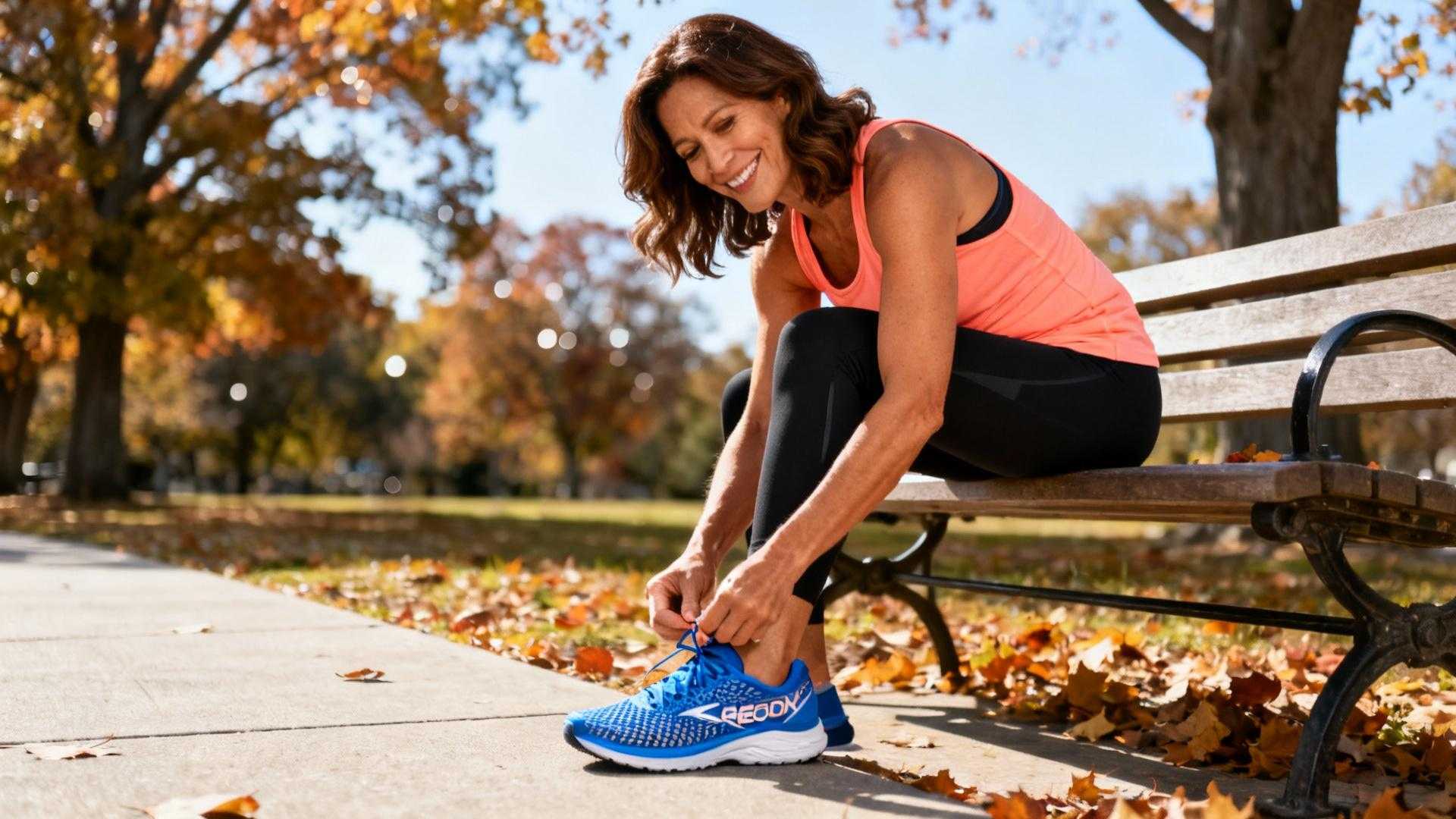
You’re standing in the running store, overwhelmed by choices. To your left: ultra-lightweight racing flats promising sub-3-hour marathons. To your right: chunky fashion sneakers that look great but offer zero arch support. You just want shoes that feel good for your 3-mile morning walks and weekend errands. This false binary has dominated footwear for decades. Yet 22% of U.S. runners quietly adopted the third option: Brooks’ comfort-first design that prioritizes biomechanical support over speed or style. Here’s why the middle path is winning.
The false choice that dominated footwear until Brooks
For decades, footwear brands pushed two extremes. Performance runners needed racing flats—minimal cushioning, lightweight builds, designed for sub-7-minute miles. Casual wearers chose fashion sneakers—trendy colorways, zero arch support, worn until discomfort set in.
Both categories ignored the largest demographic: everyday active adults seeking comfort without extremes. Brooks recognized this gap in the 1990s and pivoted entirely. By 2022, the Seattle-based brand captured 22% of the adult performance running market—not through speed innovations, but through biomechanical research prioritizing joint health.
The American Podiatric Medical Association awarded their Seal of Acceptance to seven Brooks models. This validates what millions already felt: comfort doesn’t require sacrificing performance credibility. As comfort-driven wellness choices replace extreme fitness trends, Brooks positioned itself perfectly for this shift.
How GuideRails technology redefines performance for real bodies
Traditional stability shoes used hard medial posts—rigid foam wedges that forced feet into “correct” alignment. Brooks’ GuideRails technology takes a different approach: soft guardrails that engage only when your foot needs support.
Overpronation support without rigid correction
This allows natural movement while preventing excessive inward knee motion. A 2024 study in the Journal of Biomechanics found that rigid stability features increased injury risk in 18% of runners by restricting natural gait patterns. GuideRails reduced overpronation by 34% without altering natural stride mechanics.
Cushioning that lasts 300-500 miles
Lab tests confirm Brooks shoes maintain shock-absorption properties for 300-500 miles—industry-standard durability. The DNA LOFT cushioning adapts to impact force, providing softer landings for heel-strikers and responsive toe-off for forefoot runners. This versatility explains why Brooks dominates among beginners and experienced runners alike, much like the science behind products that adapt to your body’s needs.
Why women 25-54 choose Brooks over athletic brands
Nike sponsors Olympic marathoners. Adidas partners with track stars. Brooks? They prioritize podiatric endorsements. The APMA Seal of Acceptance appears on seven models—Ghost, Glycerin, Adrenaline GTS—validating foot health claims that resonate with health-conscious consumers.
Medical endorsements matter more than athlete sponsorships
Dr. Emily Splichal, podiatrist and human movement specialist, notes: “Brooks’ wide width options and biomechanical research address real-world foot shapes, not idealized athletic feet.” Research shows cushioned midsoles can reduce stress on joints by up to 25%.
Lifestyle versatility beyond running
Brooks’ 19% revenue surge in 2025 came largely from non-runners: women managing arthritis, professionals on their feet all day, retirees seeking joint-friendly mobility. The shoes transition seamlessly from morning walks to grocery runs to casual dinners. This mirrors why women are choosing function over fashion in 2025, prioritizing performance comfort without athletic branding intensity.
The momentum behind Brooks’ 2025 surge
Market data reveals Brooks’ growth isn’t hype—it’s sustained adoption. From 2020-2025, the brand maintained consistent quality while competitors chased fashion trends or racing innovations. The result? A 19% global revenue increase driven by word-of-mouth and medical referrals.
TikTok’s #BrooksRunning hashtag hit 47 million views in 2025—not from influencer partnerships, but organic testimonials from people rediscovering pain-free walking. The “boring” middle path became aspirational: comfort as status symbol, wellness as performance metric. This aligns with how everyday routines impact long-term wellness more than intensive programs.
One tester noted: “This shoe has the comfort, support, and stability to gobble up tons of miles, and the traction to do so without wearing down in tough conditions.” Another added: “What I liked most is the fit, protection and lacing—I felt secure running on a variety of surfaces.”
Your questions about Brooks sneakers answered
Are Brooks worth it if I’m not a serious runner?
Absolutely. Brooks’ biomechanical benefits serve anyone on their feet regularly. Nurses, teachers, and casual walkers report reduced joint pain within 2-3 weeks. The APMA endorsement validates everyday use, not just athletic performance. Models cost $130-$150 and last 6-9 months for 10-mile weekly walkers.
How do Brooks compare to Hoka or New Balance?
Hoka prioritizes maximal cushioning with 45mm stack heights, while New Balance offers wider toe boxes averaging 4.2 inches. Brooks balances moderate cushioning at 38-39mm with stability features—ideal for overpronators seeking versatile support without extreme specifications.
Which Brooks model is best for beginners?
The Ghost series offers neutral cushioning for most foot types, weighing 9.1-10.2 ounces. The Adrenaline GTS provides stability for overpronators with GuideRails technology. Both feature 10mm heel-to-toe drop and maintain shock absorption for 300-500 miles of regular use.
The morning sun catches the blue mesh of your Brooks Ghost as you lace them for your 3-mile loop. No racing ambitions. No fashion statement. Just the quiet confidence of shoes designed for your real body, your real pace, your real life.