The mirror can be especially unforgiving when a familiar middle part suddenly shows more scalp than hair, and a formerly reliable layered cut starts looking wispy by lunchtime. A $30 bottle of volumizing shampoo may help hair feel cleaner, but the cut does far more for the shape you see immediately.
For diffuse thinning, the useful goal is a denser-looking outline and less scalp contrast, while taking new or worsening loss seriously.
1. Choose A Blunt Bob With A Full Perimeter
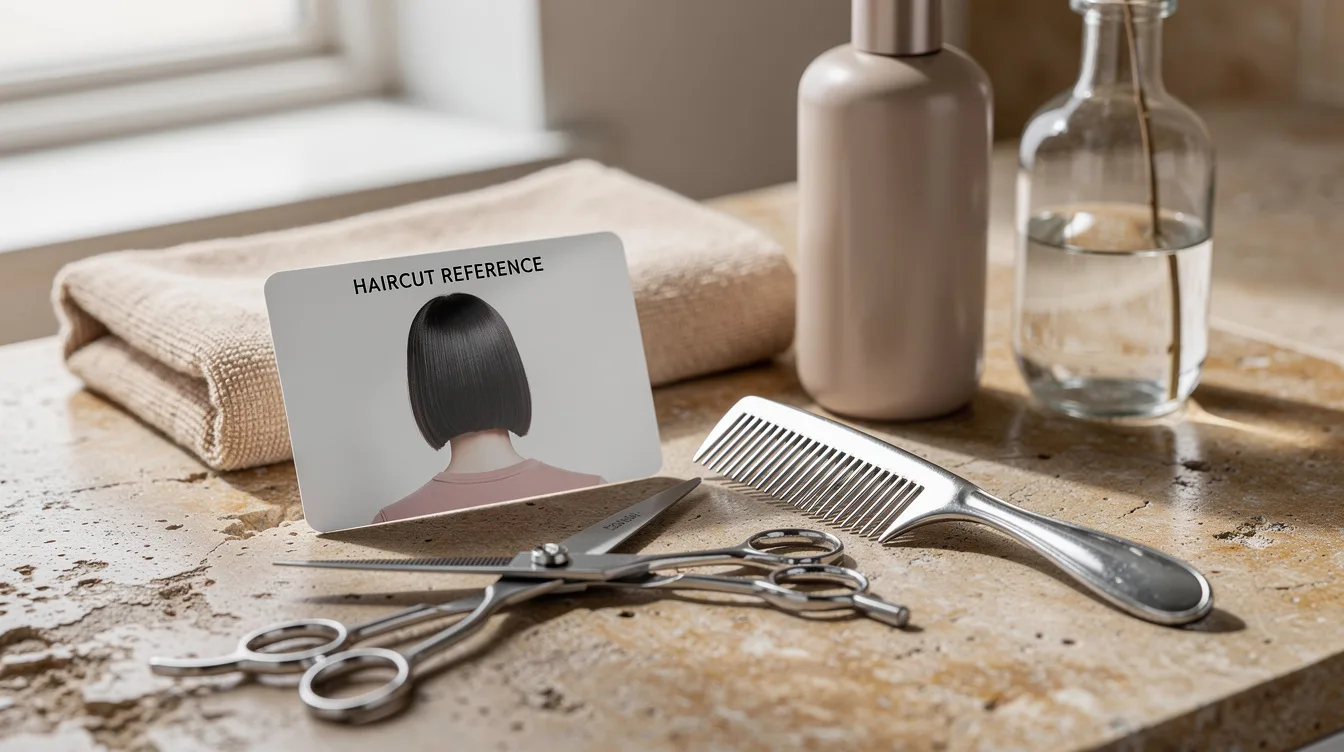
A chin-to-jaw-length blunt bob gives fine hair a compact bottom line, which reads as more density than ends carved into soft points. Ask for a strong perimeter with very little internal thinning, because the ends are where limited hair density is easiest to notice.
This is my first choice for hair that has become see-through around the shoulders. A stylist can add surface movement without cutting away the weight that makes a bob look intentional.
2. Keep A Collarbone Lob Substantial
A collarbone-length blunt lob is a smart middle ground when you still want enough length for a ponytail or a loose wave. Keep the shape mostly one length, with only a few long, nearly invisible layers around the cheekbones if your hair needs movement.
Skip a heavily feathered finish. Long hair can be beautiful at any age, but a long cut with many short layers often leaves thin ends floating apart and makes the scalp more visible.
3. Move The Part Off Center
A soft side part is one of the lowest-commitment changes for a widening center part. It shifts hair across the area that catches the most light, helping reduce the contrast between scalp and hair without pretending to create new density.
Use a lightweight root product such as Living Proof Full Dry Volume & Texture Spray, typically around $36, only at the roots and crown. Too much product can separate fine strands, which defeats the purpose.
4. Add An Airy Fringe Without Over-Thinning It
A light, side-swept fringe can soften frontal recession or a higher hairline while keeping the top flexible. The important instruction is “airy, not sparse”: ask your stylist to préservé enough hair in the fringe that it does not split into stringy sections.
A small amount of Oribe Dry Texturizing Spray, often about $52, can add grip for styling, though it is a splurge rather than a necessity. A modest blow-dry at the root usually matters more than an expensive can of spray.
5. Lift The Crown In A Longer Pixie
When show-through is concentrated at the crown, a longer textured pixie can make hair look more abundant because the shape places lift where it is needed. Keep enough length on top to direct hair diagonally, rather than exposing a crisp part across the thinnest area.
Ask for piecey texture at the crown and a soft, fuller outline around the temples. An aggressively clipped undercut can remove visual balance, so it is rarely my pick for already-fine hair.
6. Treat Noticeable Shedding As A Scalp Question
A haircut improves the illusion of fullness, but it cannot stop follicle miniaturization. Dermatologists commonly see female-pattern hair loss in the 40s through 60s, and early evaluation can help distinguish it from iron deficiency, thyroid concerns, inflammation, medication effects, or temporary shedding.
Women’s Rogaine 5% Minoxidil Foam is an FDA-approved topical option for female-pattern hair loss and is commonly used once daily; a two-month supply has been about $29.97 at Walmart, while retailer pricing changes. Results vary, and a dermatologist can advise whether it fits your situation, especially if loss is sudden or your scalp is irritated.
Start with the perimeter: bring a photo of a collarbone blunt lob to a stylist who works regularly with fine hair, then book a dermatology visit if your part is widening or shedding has changed. See a dermatologist promptly for any scalp spot that bleeds, changes shape, or does not heal.