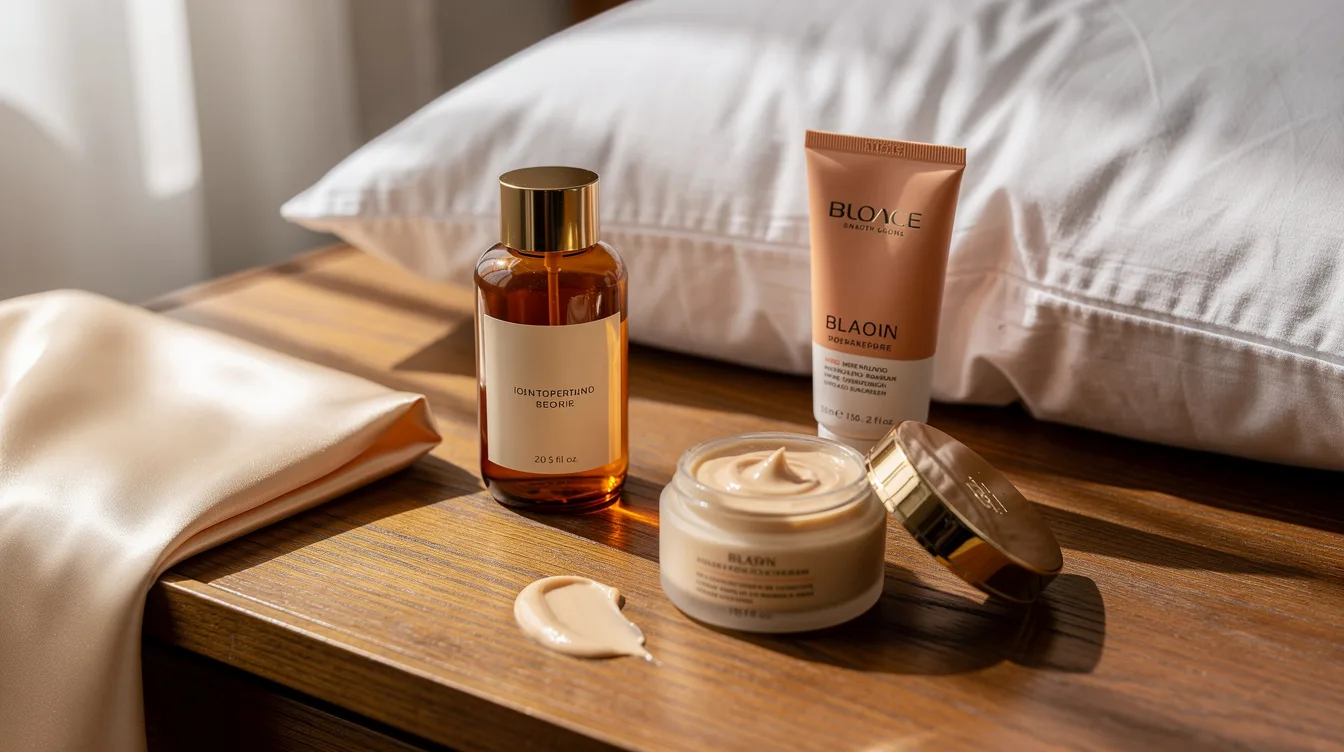
The clue is often there at 8 a.m.: one cheek has a pillow crease that hangs around through coffee, while your usual moisturizer suddenly feels less cushioning. A typical 0.3% retinol can support smoother-looking skin over time, but it cannot undo a night of direct face-to-pillow pressure.
Face-down sleeping has the strongest plausible link to localized sleep lines, while side sleeping may compress one cheek more than the other. The research is limited and mixed, so think of posture as a small practical lever, not the main reason skin changes.
What you will find inside
- 1. Move Away From Face-Down Sleeping First
- 2. Alternate the Side That Meets the Pillow
- 3. Test Back Sleeping Without Forcing It
- 4. Choose a Pillowcase for Slip, Not Promises
- 5. Build a Barrier-Supporting Night Routine
- 6. Put Sun Protection Ahead of Pillow Perfection
1. Move Away From Face-Down Sleeping First
Sleeping prone puts the forehead, cheeks, and mouth area directly against the pillow, creating repeated compression and pulling. That makes it the position most worth adjusting if lingering pillow marks bother you, though UV exposure and natural collagen loss matter far more for long-term facial lines.
Try a gradual switch by placing a body pillow along your front so you can rest partly on your side without rolling fully onto your face. I would spend money on this before buying an expensive “anti-wrinkle” pillow, because comfort is what makes a change stick.

2. Alternate the Side That Meets the Pillow
Side sleeping can press the lower cheek, nasolabial area, and outer eye against the pillow on one side. One study in 100 women did not find a meaningful link between a preferred sleep side and more wrinkles on that side, so there is no reason to panic about your favorite position.
Still, alternating sides is an easy experiment when it does not disturb sleep. A supportive Tempur-Pedic pillow, often around $100 or more depending on the style, may help keep your head from sinking deeply enough for your cheek to fold into the surface.

3. Test Back Sleeping Without Forcing It
Back sleeping avoids direct pillow-to-face contact, making it the lowest-pressure option mechanically. It has not been proven to prevent facial aging, but it can be useful if you wake with pronounced creases and already find the position comfortable.
Start with a modestly raised wedge pillow or a pillow under the knees, which some people find steadies the body and eases lower-back strain. Skip this experiment if it worsens neck pain, snoring, reflux, or your sleep quality, and follow your clinician’s advice for sleep apnea or other positional needs.
4. Choose a Pillowcase for Slip, Not Promises
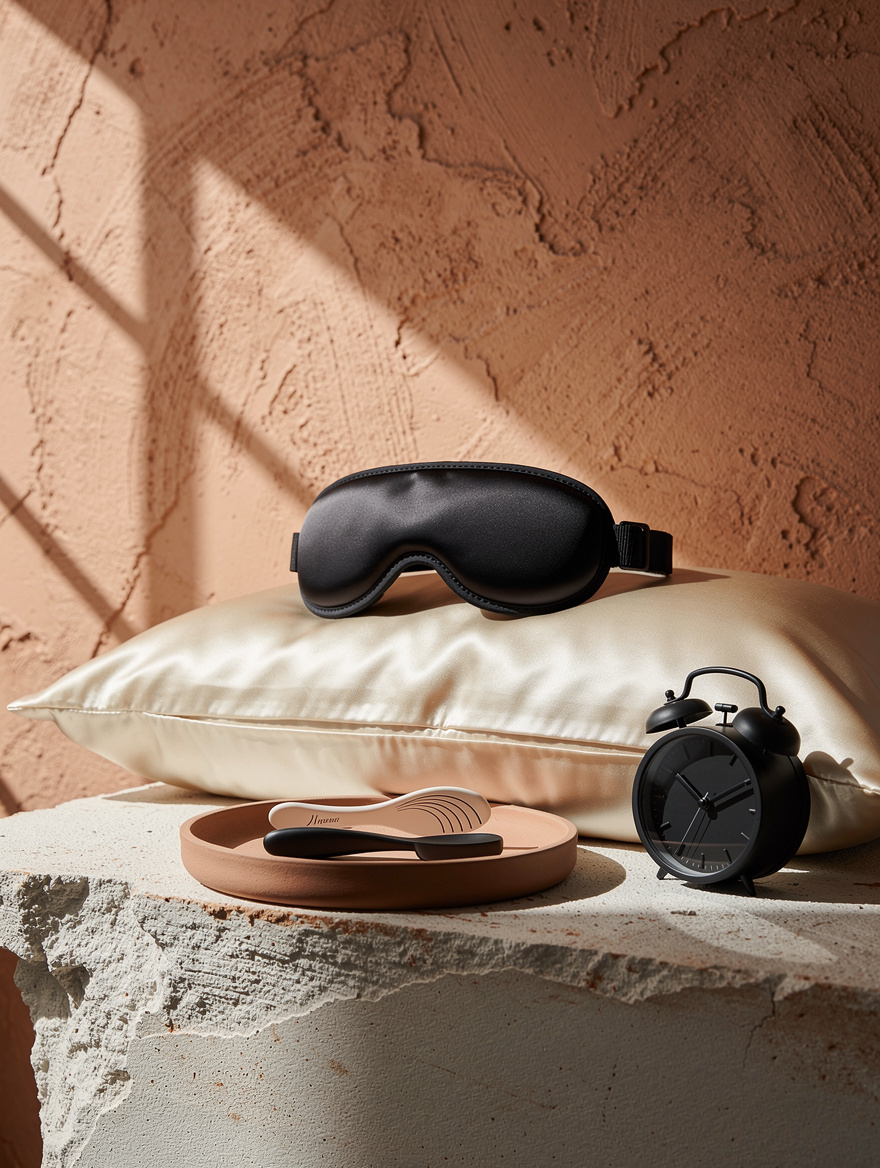
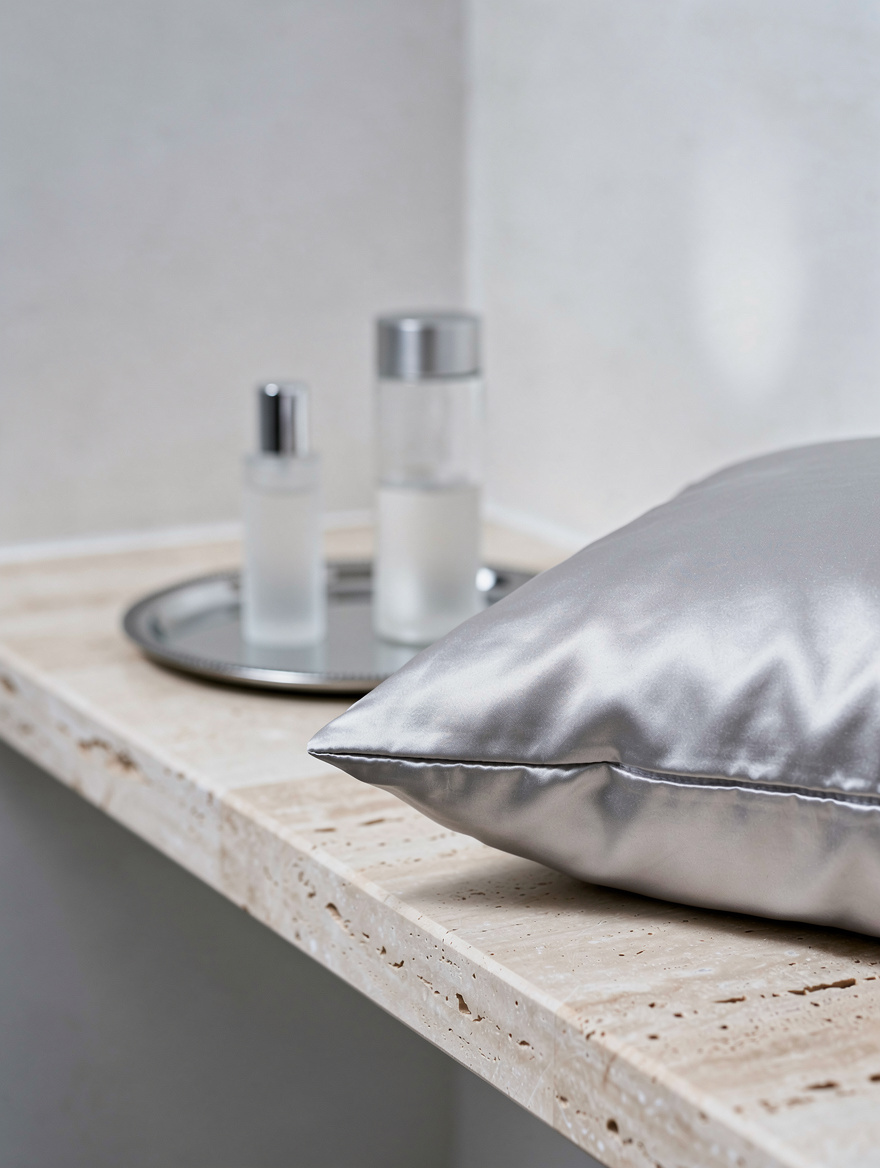
A smooth case may reduce friction as you turn, but it cannot erase established lines or substitute for sunscreen. Slip Pure Silk Pillowcase options are commonly around $90, while satin polyester versions at Target or Amazon can cost much less and offer a similarly slick feel.
Choose the fabric you will wash regularly, because clean bedding matters more than luxury fibers for comfort. I prefer a washable satin case over a delicate purchase that stays folded in a drawer, especially when skin is drier after menopause.
5. Build a Barrier-Supporting Night Routine
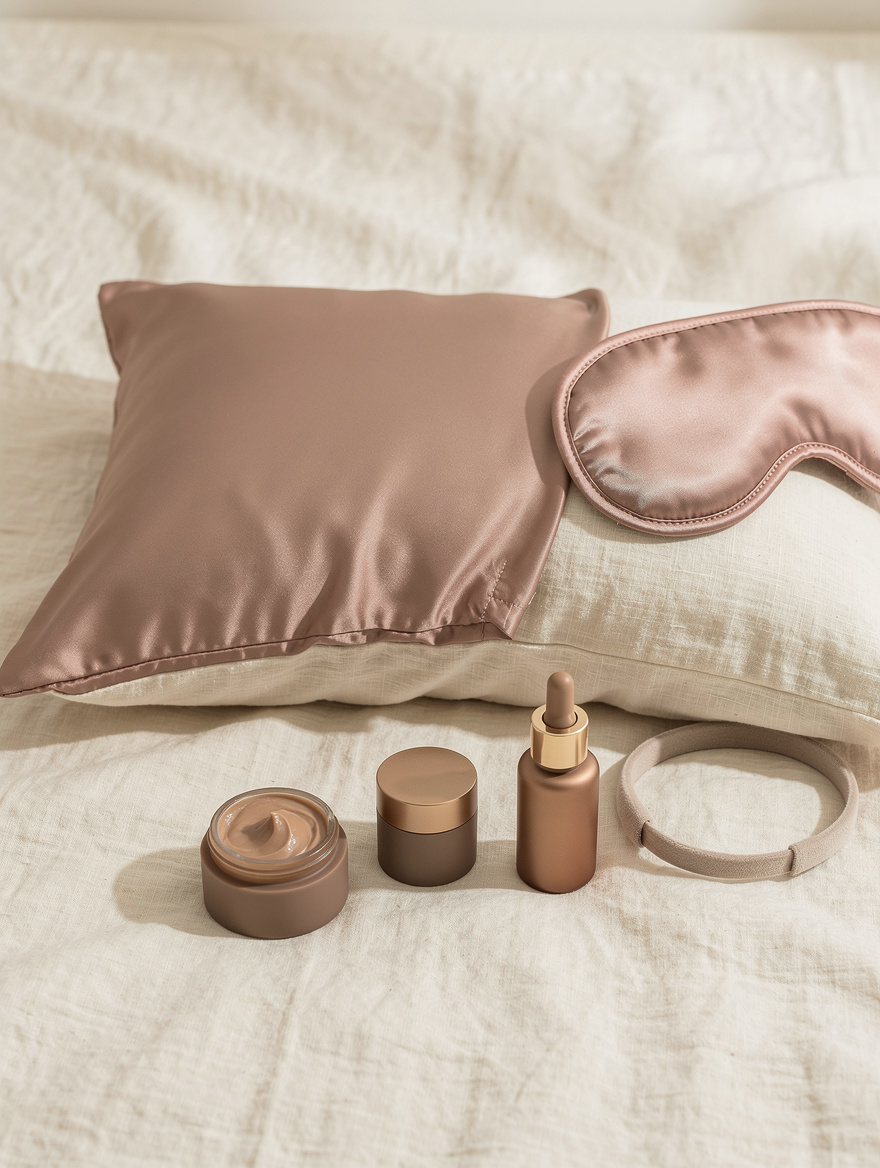
Menopause-related dryness and a thinner barrier can make morning creases look sharper and feel slower to fade. Apply CeraVe PM Facial Moisturizing Lotion, typically about $16, over slightly damp skin to add humectants, ceramides, and a comfortable layer before bed.
Use a retinoid only at a frequency your skin tolerates, then cushion it with moisturizer if needed. A formula such as RoC Retinol Correxion Line Smoothing Night Serum, often around $30, is a reasonable drugstore option, but irritation is a signal to scale back rather than push through.
6. Put Sun Protection Ahead of Pillow Perfection
Daily broad-spectrum SPF 30 or higher has much stronger support for limiting photoaging than any sleep-position adjustment. For outdoor time or substantial incidental sun, a comfortable SPF 50 such as La Roche-Posay Anthelios Melt-in Milk Sunscreen SPF 60, often around $38, may be easier to use consistently.
Use enough for the face, neck, and chest, then make sleep changes only if they fit your life. See a dermatologist for a spot that bleeds, changes shape, or does not heal, since a pillow crease should never explain away a persistent skin change.
Start with the simple priority list: sunscreen in the morning, a gentle moisturizer at night, then reduce face-down sleeping if it feels realistic. Better sleep is the more valuable beauty investment, so keep the position that lets you wake rested.