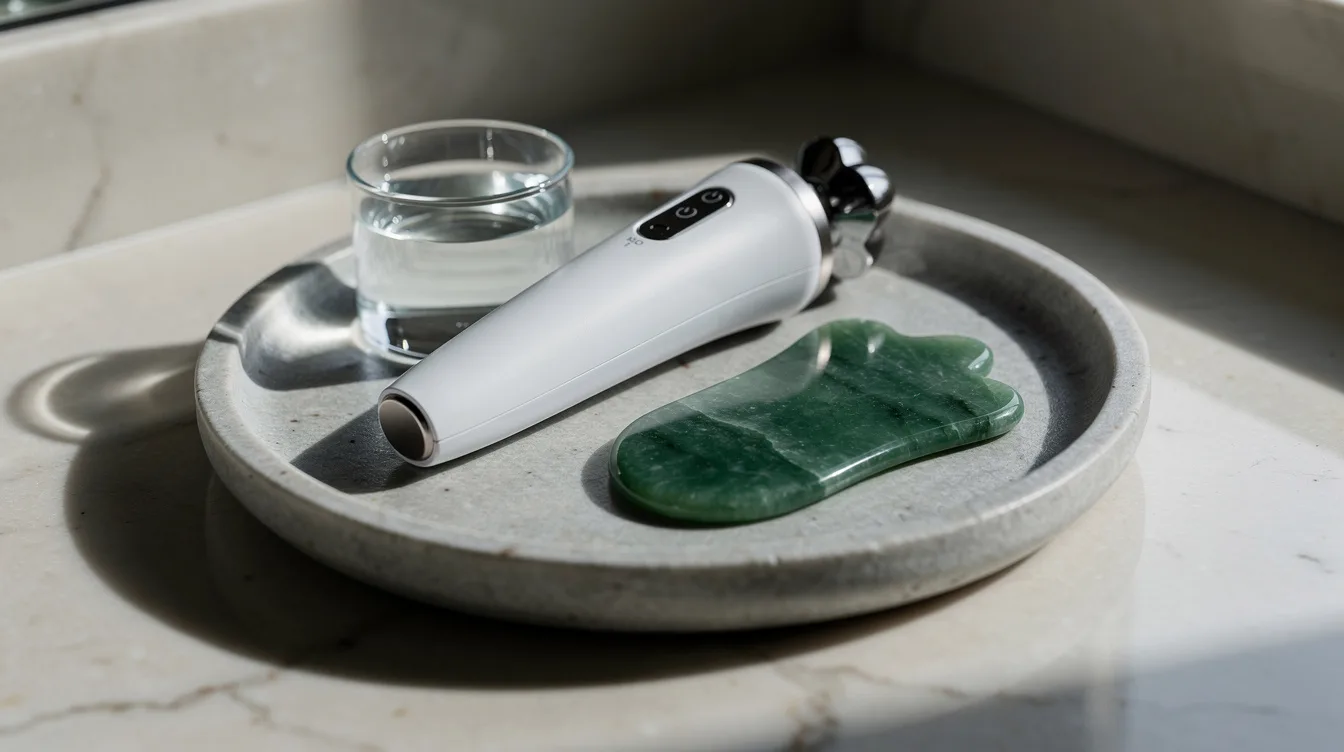
The mirror can be especially persuasive right after a device session: cheeks look a little higher, under-eye puffiness seems quieter, and then the effect is harder to find the next morning. A NuFACE Mini+ Starter Kit typically costs about $250, which makes it worth asking whether that visible lift is a ritual you enjoy or a result you expect to keep.
For skin over 50, microcurrent can be a pleasant maintenance step, but it has a narrow job. It may briefly sharpen the look of a mildly puffy face; it does not replace sun protection, retinoid care, prescription options, or a dermatologist’s assessment of meaningful laxity.
What you will find inside
- 1. Expect a Temporary Lift, Then Reassess
- 2. Treat Consistency as the Actual Cost
- 3. Use the Conductive Gel Generously
- 4. Don’t Translate FDA Clearance Into a Facelift Claim
- 5. Match the Tool to the Concern in the Mirror
- 6. Pause for Sensitivity and Ask About Bigger Goals
1. Expect a Temporary Lift, Then Reassess
Microcurrent sends a very low electrical current through skin and facial tissue, usually with conductive gel. The most realistic payoff is a subtle, more awake-looking contour that may last hours or roughly a day or two.
I’d call that useful before a dinner, photos, or a morning when puffiness is bothering you. It is not convincing evidence of permanent facial lifting, and the appearance generally returns toward baseline when regular use stops.

2. Treat Consistency as the Actual Cost
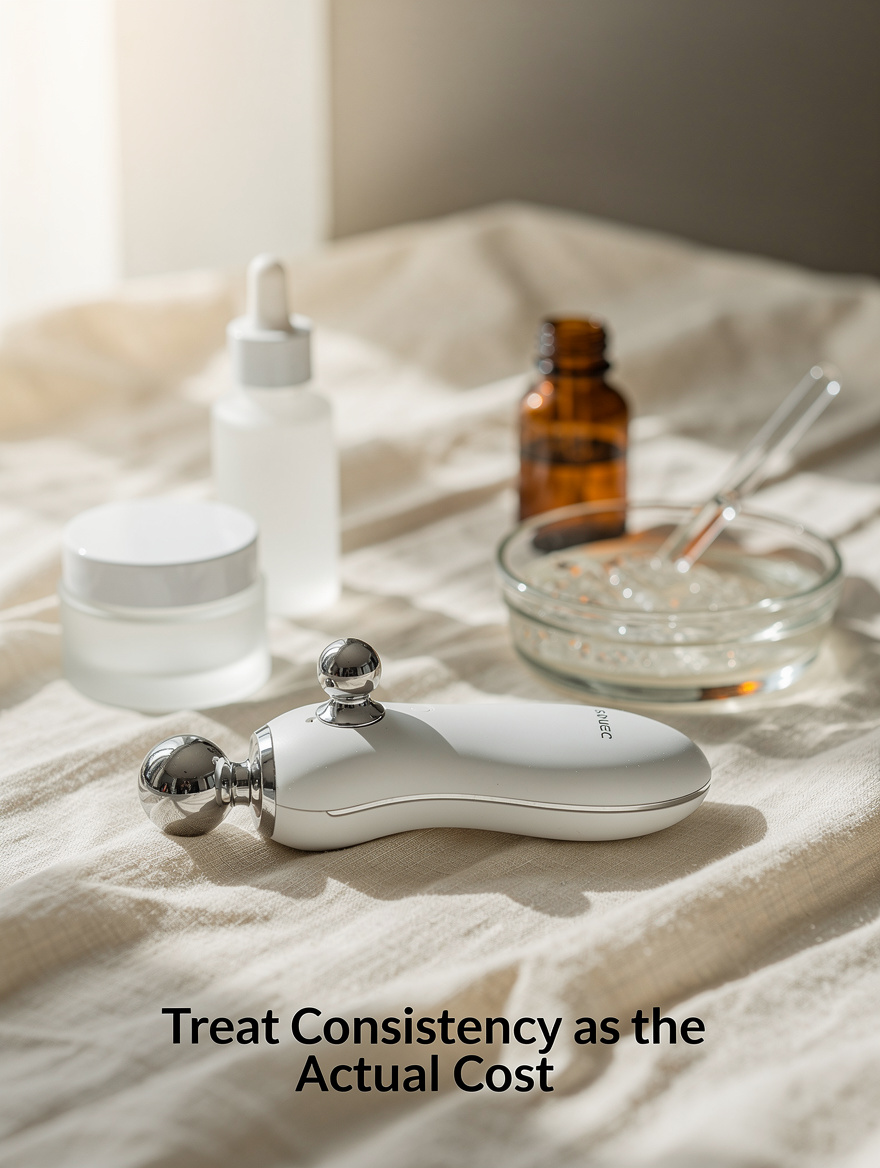
A NuFACE Trinity+ Starter Kit, typically around $395, asks for more than the checkout price: it needs repeated sessions and ongoing conductive product. The brand’s 5-to-20-minute routine can fit some schedules, but that is a genuine maintenance commitment.
Someone who enjoys a near-daily skincare ritual may get value from the routine itself. Someone who wants a one-time purchase that keeps working in a drawer probably won’t, because small cumulative cosmetic changes appear tied to continued use.
3. Use the Conductive Gel Generously
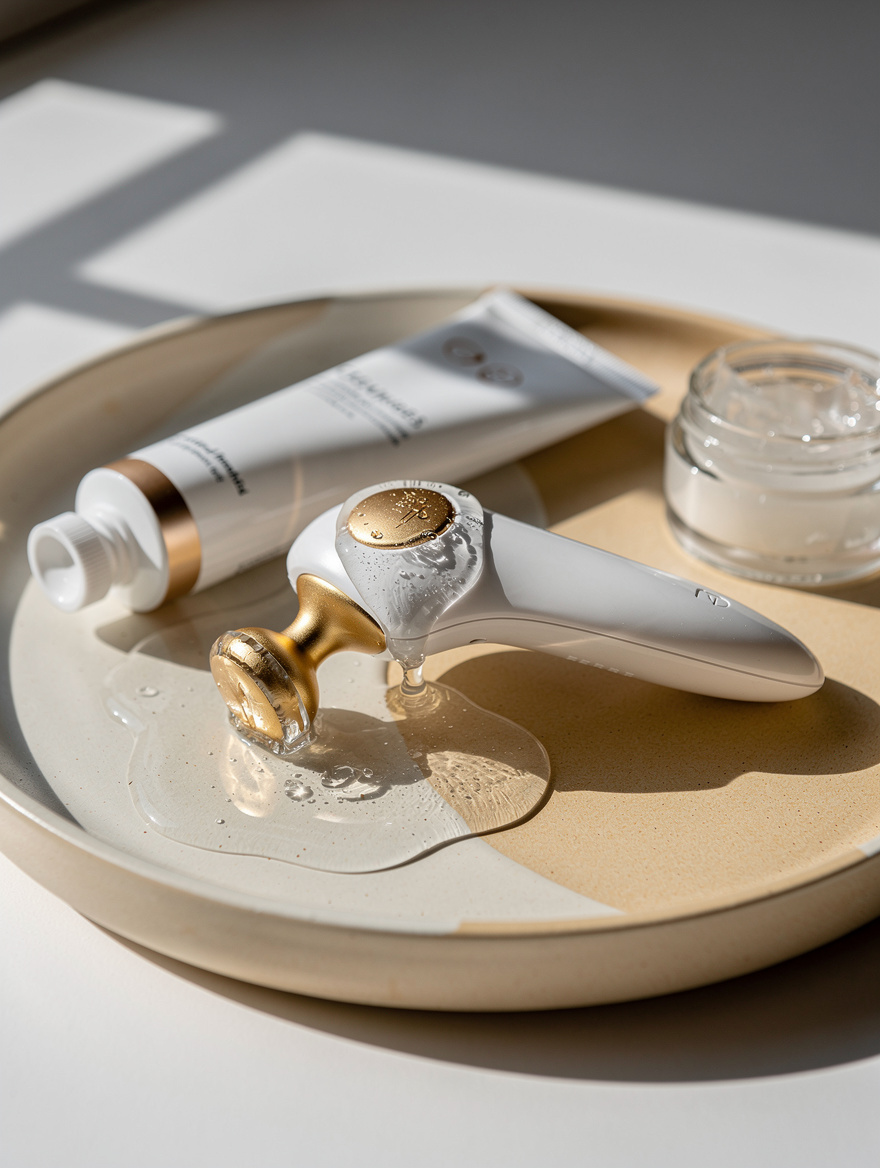
Conductive gel is functional equipment, not an optional finishing product. It helps the device glide and conduct current more evenly, so using too little can make the session uncomfortable and make results less consistent.
Apply it in sections so it stays wet while you work, then follow the device instructions for cleaning and charging. A favorite rich face cream is not automatically a substitute, and it can leave the device slipping without proper conductivity.
4. Don’t Translate FDA Clearance Into a Facelift Claim
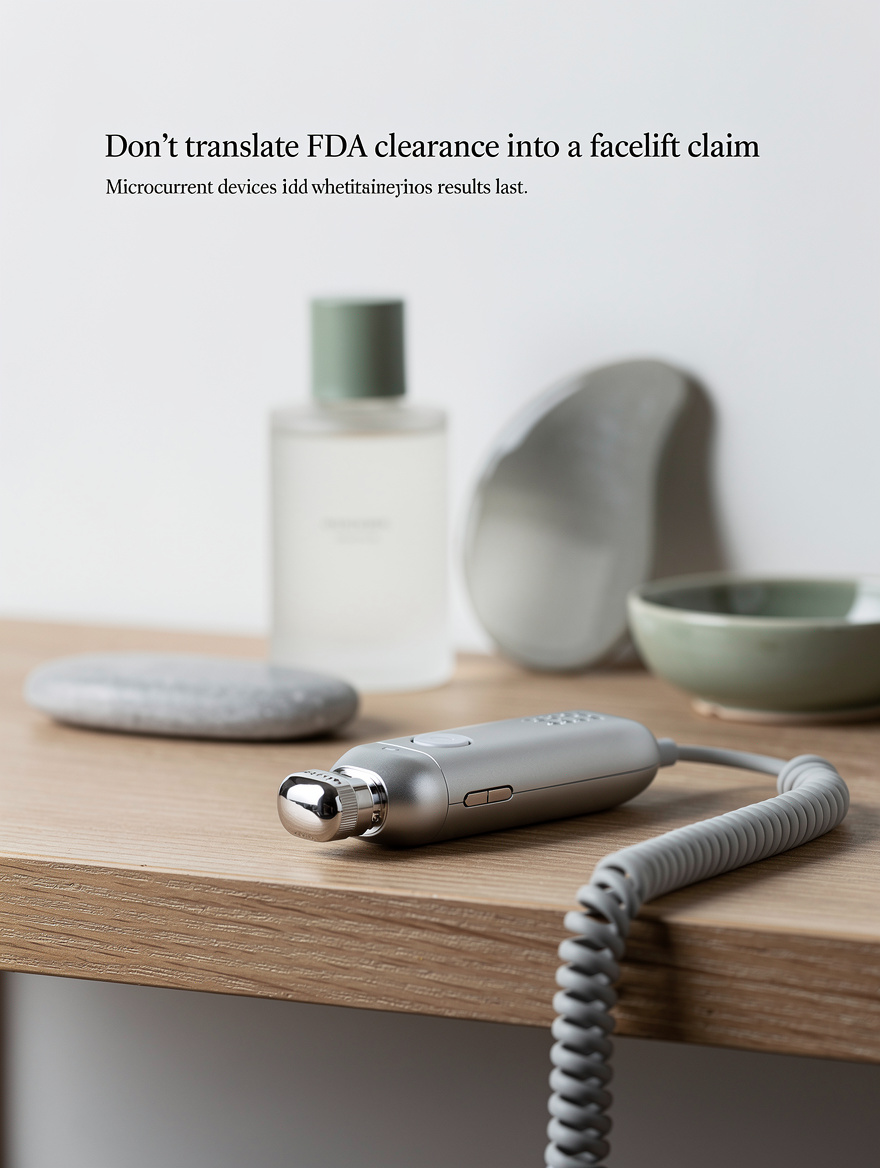
The NuFACE FIX has FDA 510(k) clearance as a transcutaneous electrical aesthetic stimulator. That clearance means the device was found substantially equivalent to a predicate device for its intended category; it does not establish permanent wrinkle removal, collagen rebuilding, or a mini facelift.
This distinction matters because beauty marketing can make a regulatory phrase sound like a clinical outcome. Buy based on the modest, temporary effect you can see and tolerate, not on the implication that a home tool can structurally remake your face.
5. Match the Tool to the Concern in the Mirror
Microcurrent devices may make temporary lower-face puffiness look less obvious and give cheeks a slightly more defined look that day. They are poorly matched to substantial jowling, pronounced volume loss, deep nasolabial folds, or sun-related texture changes.
Those concerns have different causes in post-menopausal skin, including less sebum, a thinner barrier, slower turnover, and lower estrogen support. A device cannot neatly solve all of them, so protect your budget for daily broad-spectrum sunscreen and a moisturizer your skin will actually tolerate.
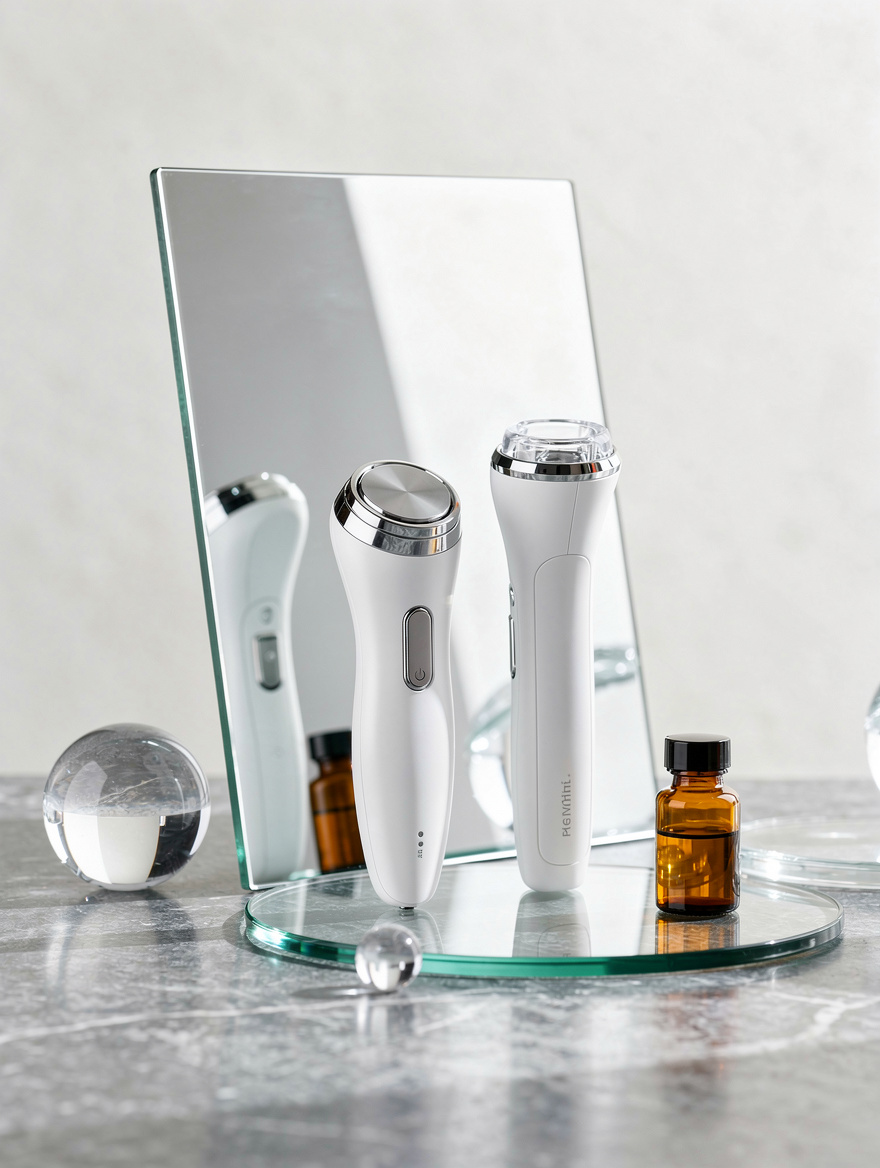
6. Pause for Sensitivity and Ask About Bigger Goals
Low current does not mean zero risk. A recent dermatology publication addressed adverse events with at-home facial microcurrent devices, so stop if you develop persistent irritation, pain, or an unexpected reaction, and follow the contraindications in the manual.
For a bigger firmness goal, ask a board-certified dermatologist about options such as radiofrequency or RF microneedling. Professional energy treatments have stronger, though still imperfect, evidence than consumer microcurrent, plus higher cost, downtime, and safety decisions that deserve an individual conversation.
Start with the least expensive test of the idea: use a gentle lymphatic-style facial massage with your regular moisturizer for a week, then decide whether a temporary de-puffing effect is valuable enough to justify a device and gel refills. See a dermatologist promptly about any spot that bleeds, changes shape, or does not heal.