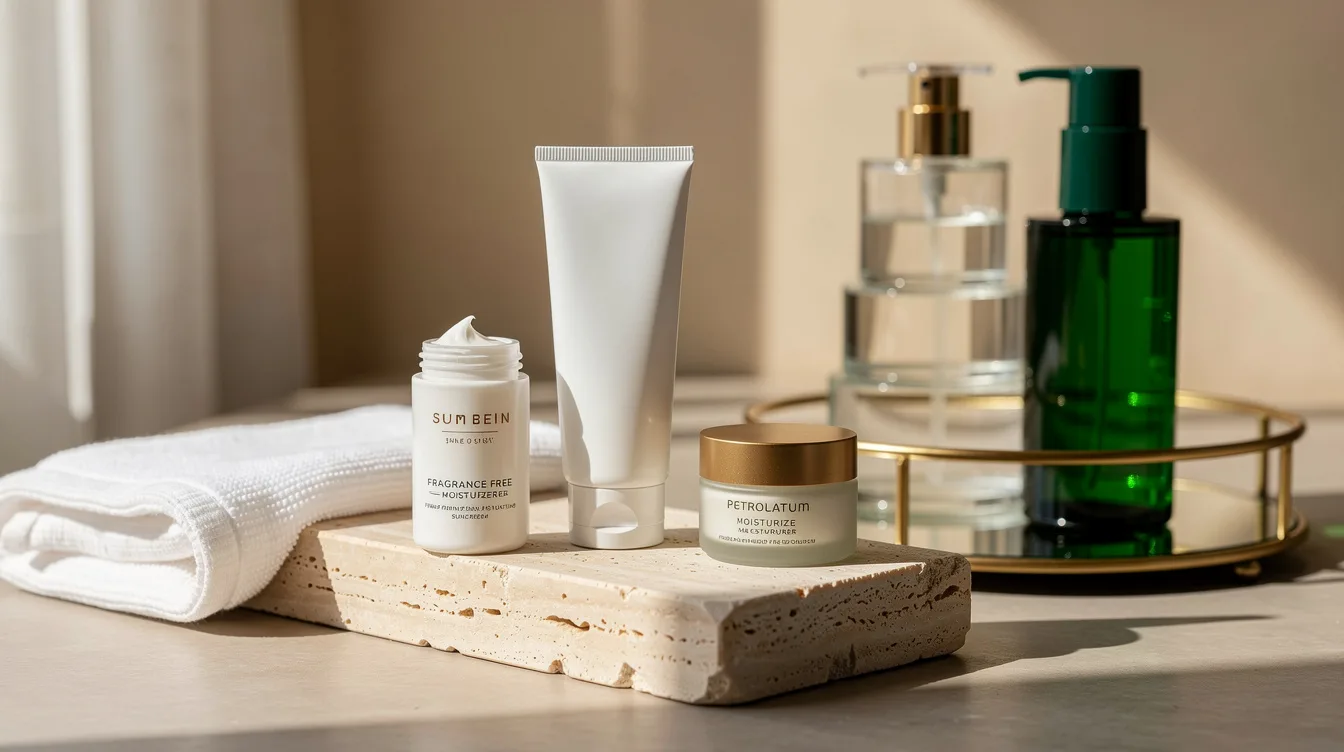
The clue is usually the moisturizer that suddenly burns at the mirror, even though it worked perfectly last month. Start with a simple reset, a typical $14.99 CeraVe Moisturizing Cream tub costs less than many treatment serums and has a more useful job when skin is stinging or flaking.
After menopause, lower estrogen can leave skin drier, thinner, and less tolerant of a crowded routine. Barrier support means helping the outer layer hold water and lipids, not promising to change your skin’s age.
What you will find inside
- 1. Pause the Products That Sting
- 2. Cleanse With Less Heat and Friction
- 3. Apply a Cream While Skin Is Still Damp
- 4. Seal the Dryest Spots Overnight
- 5. Keep Soothing Ingredients Modest
- 6. Wear Broad-Spectrum Sunscreen Every Morning
1. Pause the Products That Sting
Put scrubs, AHA and BHA acids, retinoids, and alcohol-heavy treatments aside while your face burns, flakes, or feels tight. A typical 0.3% retinol can be reasonable later, but active products are a poor starting point for an already irritated barrier.
Keep the pause practical rather than dramatic: gentle cleanser, cream, and sunscreen can carry your routine for a while. I would also skip essential oils and products labeled “unscented,” since masking fragrance can still bother reactive skin.
2. Cleanse With Less Heat and Friction
Take a five- to ten-minute warm shower, not a hot one, and use your hands instead of a washcloth or cleansing brush. Harsh deodorant soaps can leave dry skin feeling squeaky, which is rarely the feeling to chase after 50.
Pat skin dry, then leave a little water behind for moisturizer to trap. A gentle, fragrance-free cleanser is enough for most mornings, and an evening cleanse should remove sunscreen without turning your cheeks red.
3. Apply a Cream While Skin Is Still Damp
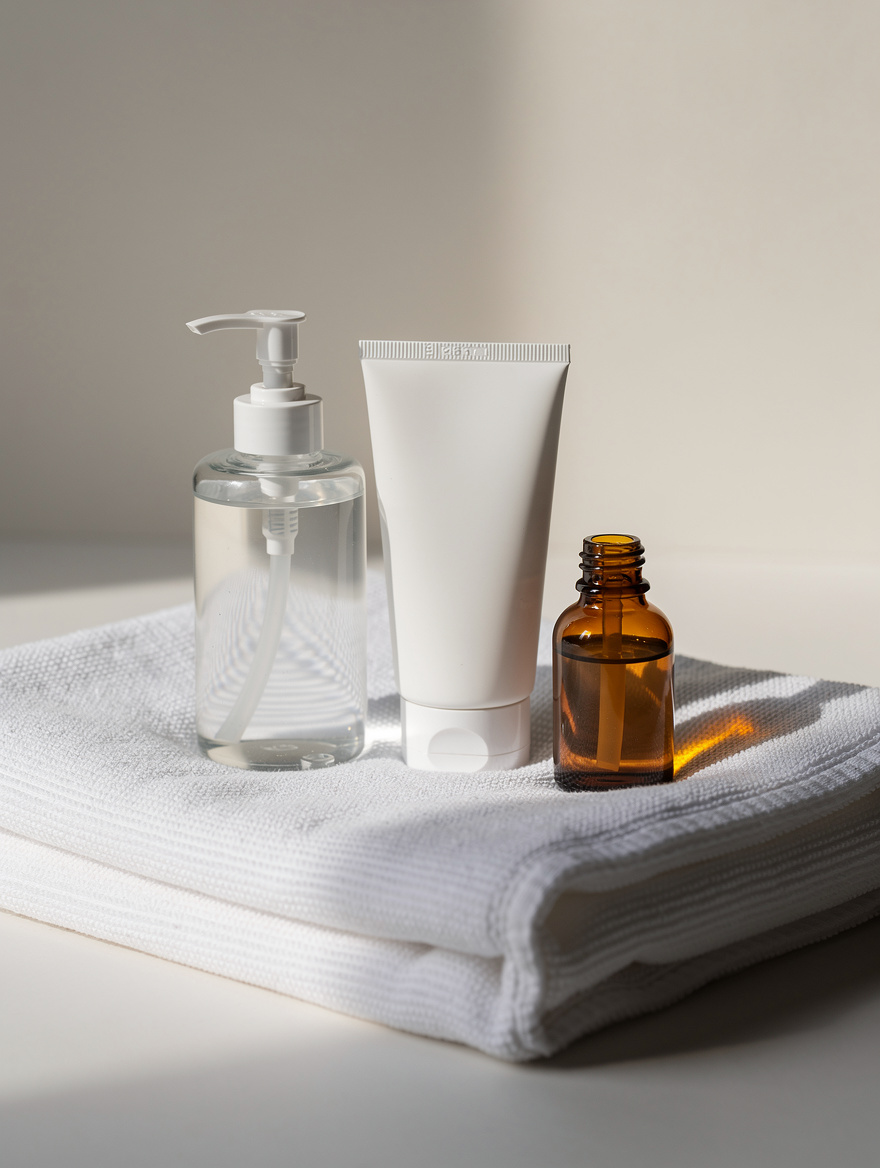
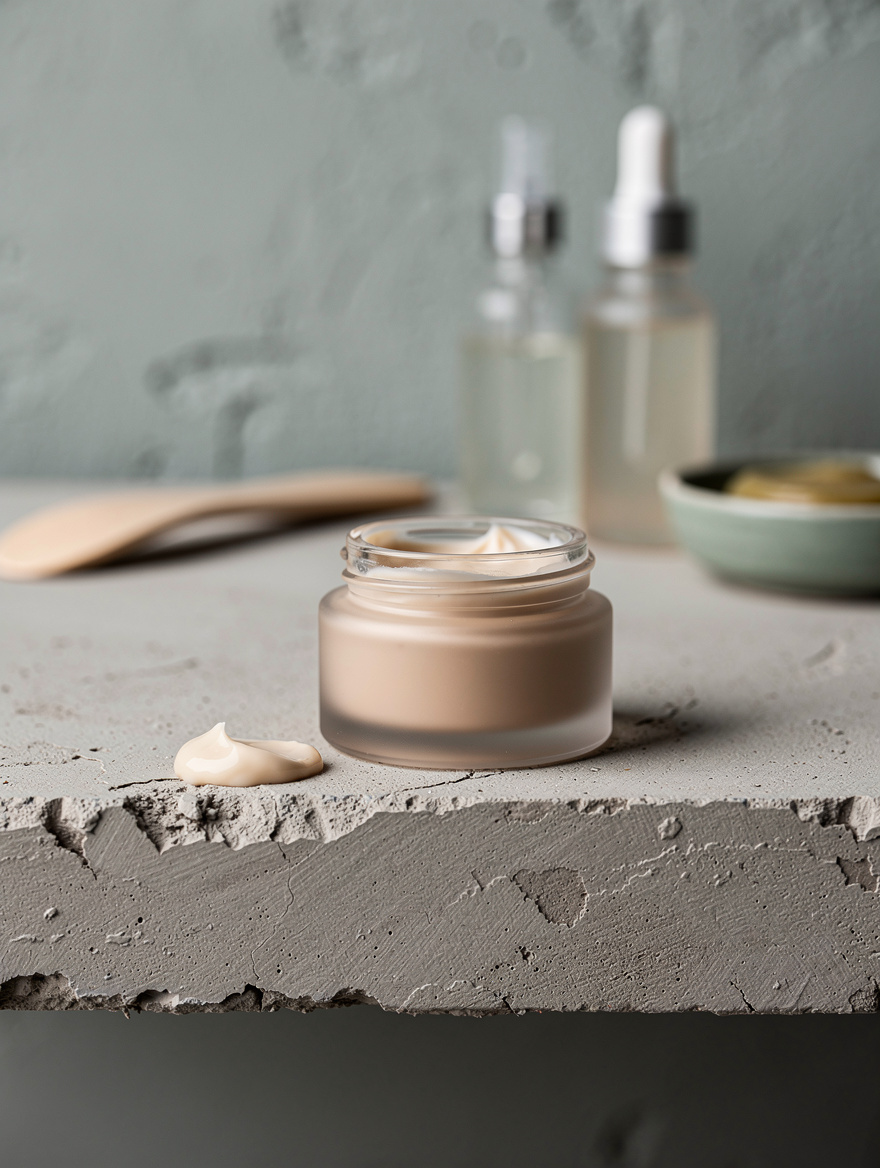
Choose a fragrance-free cream or ointment over a thin lotion when dryness is obvious. CeraVe Moisturizing Cream combines ceramides, hyaluronic acid, dimethicone, and petrolatum in a familiar drugstore formula, and it is a sensible face-and-body base.
Look for glycerin, ceramides, cholesterol, fatty acids, or dimethicone rather than chasing a disclosed ceramide percentage. Formula comfort matters more than a flashy number, especially when you need to use the product every day.
4. Seal the Dryest Spots Overnight
For stubborn patches around the nose, mouth, hands, or shins, smooth cream on first and add a thin layer of petrolatum before bed. Petrolatum helps reduce water loss by trapping water already present in the outer skin layer.
Use a light hand if you dislike a heavy finish or tend to break out in certain areas. This is targeted first aid for dry spots, not a requirement to coat your whole face every night.
5. Keep Soothing Ingredients Modest
Ingredients such as colloidal oatmeal, panthenol, glycerin, and low-strength niacinamide can fit a calm routine. About 2% to 5% niacinamide is a more cautious starting range than a 10% serum, which can sting some sensitive users.
Urea around 3% to 5% can be useful on dry body skin, but it may sting cracked or inflamed areas. Patch-test anything new and introduce only one product at a time, so you can tell what your skin actually tolerates.
6. Wear Broad-Spectrum Sunscreen Every Morning
A comfortable broad-spectrum sunscreen is part of barrier care because repeated sun exposure can aggravate dryness and visible irritation. Pick a fragrance-free formula you will reapply when you are outdoors, then let moisturizer do the rest of the supporting work.
Do not restart exfoliants or retinoids simply because a few calm days have passed. Add one active back slowly only after stinging and flaking have settled, and stop again if your skin gives you the same warning signs.
Begin with the least exciting purchase: a fragrance-free cream applied to damp skin twice daily, then add a thin layer of petrolatum only where you need it. See a dermatologist for any spot that bleeds, changes shape, or does not heal, and for persistent rash or irritation.