The mirror can be especially rude when a familiar serum suddenly stings, redness lingers around the nose, and pores seem more obvious by lunchtime. A typical 5% niacinamide formula is a sensible place to reset because it has better support for mature, reactive skin than the race toward stronger percentages.
Niacinamide can support a weaker barrier and soften the look of uneven tone, but it is not a prescription treatment and it cannot physically close a pore. That distinction keeps expectations useful.
What you will find inside
- Choose 5% Before Chasing 10%
- Put Barrier Care Ahead of Pore Panic
- Use a Moisturizer When Skin Is Stinging
- Separate Diffuse Redness From Rosacea
- Introduce Retinoids on Separate Nights
- Patch-Test Before Calling It Gentle
Choose 5% Before Chasing 10%
Niacinamide, also called vitamin B3, has practical evidence around the 4% to 5% range for red blotchiness, texture, pigmentation, and elasticity. In a 12-week study of women ages 40 to 60, a 5% moisturizer outperformed its identical vehicle for several visible skin measures.
A 10% serum may suit skin that already tolerates actives, but higher percentages have not been shown to outperform 5% for redness. For easily flushed or dry postmenopausal skin, I think 2% to 5% is the smarter starting range.
Skip a 20% niacinamide product at first. More concentration can mean more tingling without a clear reason to expect better-looking pores.
Put Barrier Care Ahead of Pore Panic
Enlarged-looking pores are influenced by genetics, oil, follicular plugging, and sun-related collagen loss, so no topical product permanently shrinks their anatomy. Niacinamide may make them look less conspicuous by modestly reducing oil and supporting the skin around each follicle.
The evidence for pore visibility is promising but smaller than the evidence for barrier support. One 4% study reported improvement over 12 weeks, which is enough to justify patience, not pore-minimizing promises.
Use a bland moisturizer around your serum if your cheeks feel tight. A calm barrier often makes texture look less exaggerated than another aggressive exfoliant does.
Use a Moisturizer When Skin Is Stinging
A niacinamide moisturizer can be an easier entry point than a concentrated serum, particularly when redness comes with dryness or a compromised barrier. CeraVe PM Facial Moisturizing Lotion, typically about $19.99, contains niacinamide although the brand does not publicly quantify its amount.
Its fragrance-free lotion format makes sense for a simple evening routine: cleanse gently, apply it to slightly damp skin, and stop there on irritated nights. I would choose this kind of formula over stacking multiple new actives when skin has started to burn or sting.
Give the routine several weeks of steady use before judging it. A four-week rosacea study examined twice-daily niacinamide moisturizer use for barrier improvement and clinical benefit, while the better-known mature-skin study ran 12 weeks.
Separate Diffuse Redness From Rosacea
Niacinamide may help background blotchiness, dryness-related irritation, and the uncomfortable feeling of a stressed barrier because it has anti-inflammatory and barrier-supporting properties. That makes it a supportive cosmetic option, not a diagnosis or treatment plan.
Persistent flushing, visible vessels, acne-like bumps, or burning can have causes that deserve individualized care. A dermatologist can help sort rosacea from irritation, allergy, or another skin issue, and prescription treatment remains important when it is appropriate.
Stop a product that increases burning or flushing, even if its ingredient list looks ideal on paper. See a dermatologist promptly for anything that bleeds, changes shape, or does not heal.
Introduce Retinoids on Separate Nights
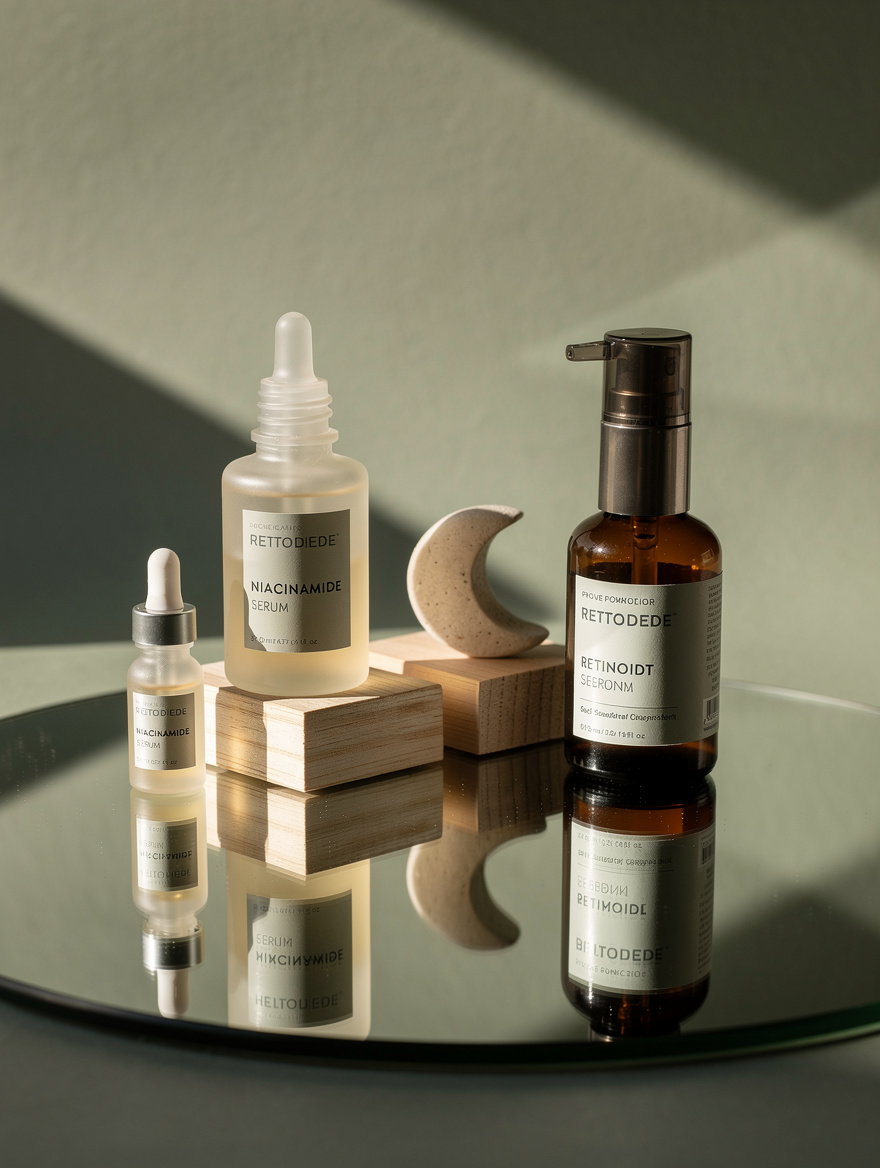
For pores driven by blackheads or photoaging, a retinoid is generally the more directly useful category than niacinamide. It can also be more irritating when estrogen-related dryness and slower turnover have left skin less resilient.
Keep niacinamide as the steady, low-drama part of the routine, then introduce a retinoid slowly on alternate nights if your clinician or routine supports it. Avoid adding a retinoid, salicylic acid, and a new 10% serum in the same week.
Carefully introduced salicylic acid can help when oil and clogged pores are the main issue, but it is not automatically the right answer for dry cheeks and facial redness. Sunscreen matters every morning because sun exposure can worsen uneven tone and contribute to collagen loss.
Patch-Test Before Calling It Gentle
Even a generally well-tolerated ingredient can bother reactive skin, especially in a formula with several unfamiliar actives. Test niacinamide on a small area for a few days, then use it every other day before moving to daily application.
Keep the rest of the routine boring while you test: gentle cleanser, moisturizer, and daytime sunscreen. That makes it far easier to identify whether redness is from the new product, over-cleansing, or an active you were already using.
Watch for lasting heat, itch, swelling, or worsening bumps rather than trying to push through. A product that feels uncomfortable is not earning extra credit for being popular.
Start with a fragrance-free CeraVe PM Facial Moisturizing Lotion routine for a few weeks if redness and tightness are the loudest concerns. Add pore-focused actives only after your skin feels reliably comfortable, because a steadier barrier is the better foundation for every next step.