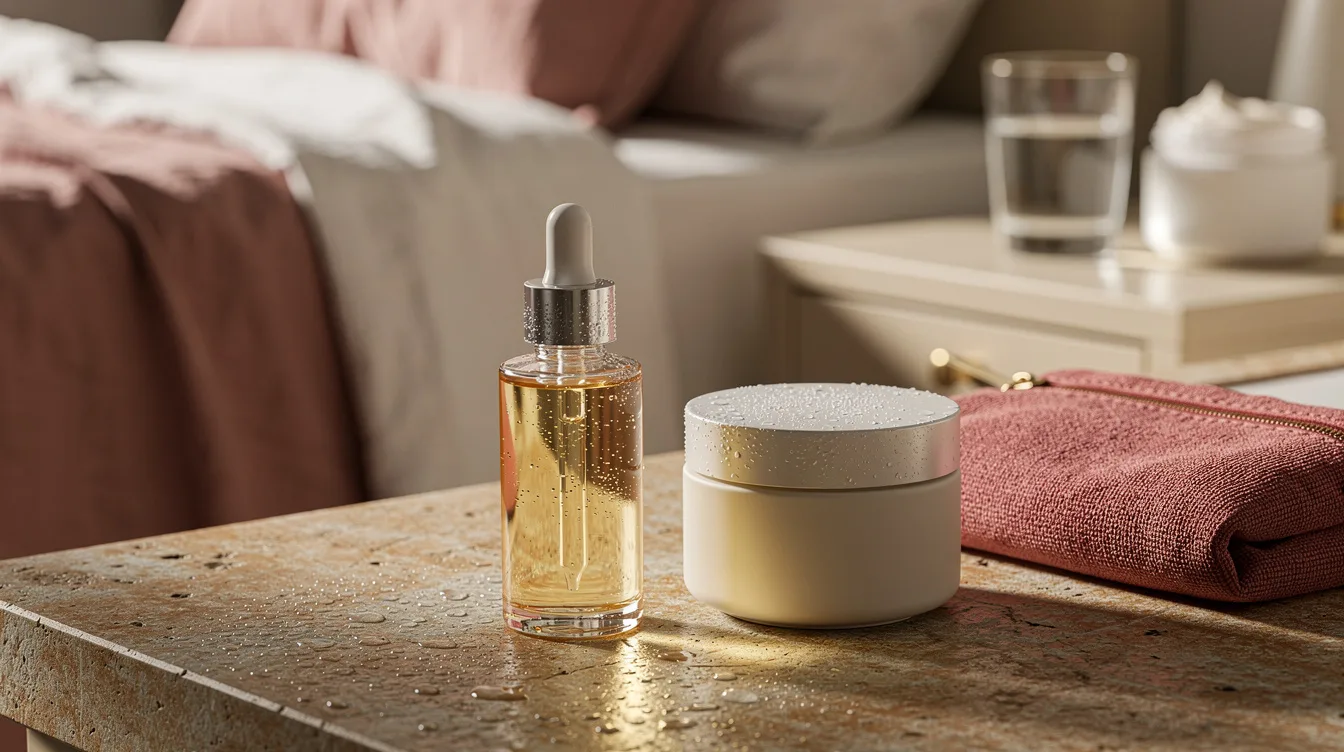
The moment a dependable cream starts feeling like it disappears by bedtime, it’s tempting to buy the richest face oil on the shelf. For postmenopausal skin, a simple bottle such as The Ordinary 100% Plant-Derived Squalane, typically about $10.40, can be useful, but it has a very specific job.
Lower estrogen can mean less sebum, more dryness, sensitivity, and a less comfortable barrier. Dermatologists generally treat oil as an optional finishing layer, not the center of a routine.
What you will find inside
- 1. Put Oil Over Moisturizer
- 2. Start With a Simple Squalane Formula
- 3. Choose Argan When Dryness Is Persistent
- 4. Skip Fragrance-Heavy Oil Blends
- 5. Keep Proven Basics in the Routine
1. Put Oil Over Moisturizer
Facial oil helps soften the surface and slow water loss, while a moisturizer brings the water-binding and barrier-supporting ingredients that dry skin often needs. Apply two to four drops of squalane over moisturizer at night, or mix one to two drops into a bland cream.
I like this order because it makes the product earn its place: moisturizer first, then oil only where comfort still falls short. Oil alone does not hydrate skin, replace sunscreen, or do the work of a proven retinoid.

2. Start With a Simple Squalane Formula
For sensitive, dry skin, The Ordinary 100% Plant-Derived Squalane is a sensible first trial because it is a 100% squalane formula without a botanical blend. At roughly $10.40 for 30 mL, it is also a low-cost way to learn whether an oil layer actually improves your routine.
Squalane has a sound barrier-comfort rationale and feels lighter than many plant oils. The postmenopausal facial research is limited, so I’d expect less tightness and reduced dryness, not a menopause-specific treatment for wrinkles.
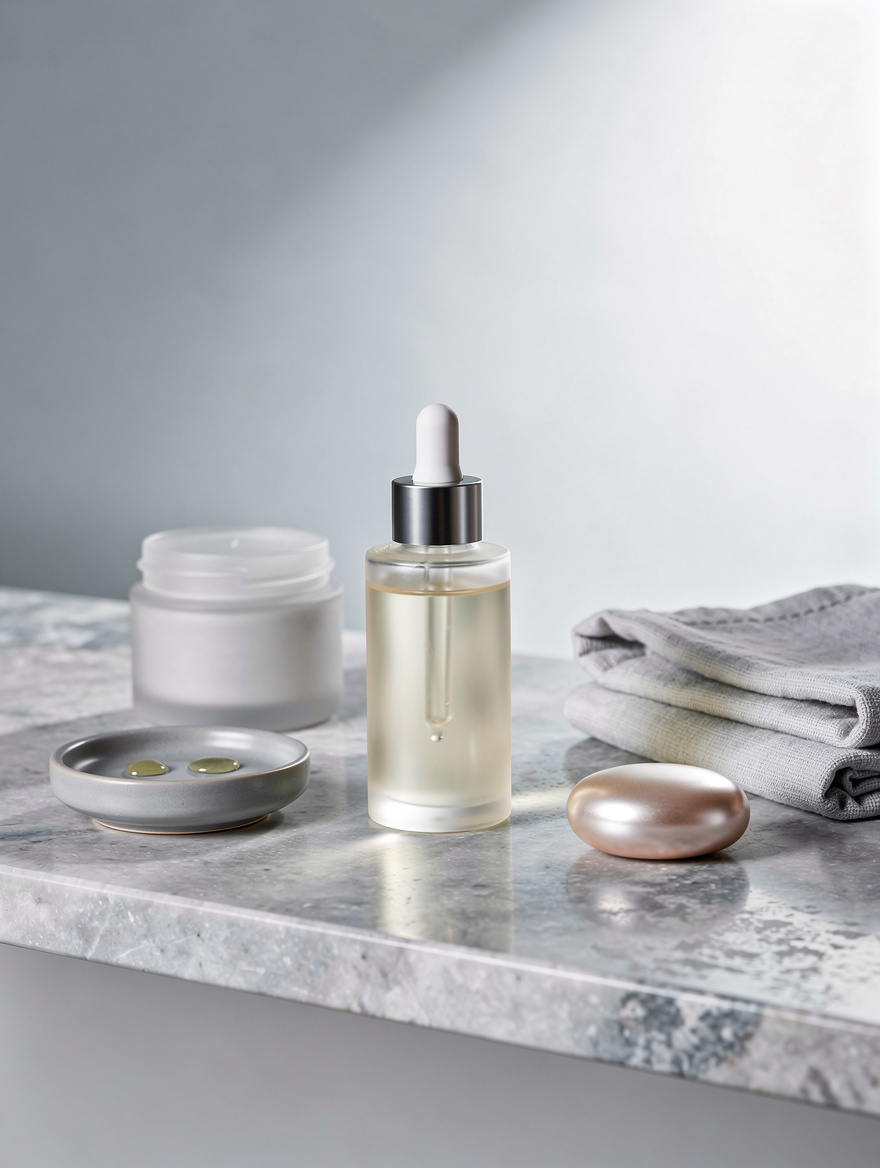
3. Choose Argan When Dryness Is Persistent
Argan oil has the most directly relevant research here: two 60-day studies involving 60 postmenopausal women found improvements in measured water content, transepidermal water loss, and several elasticity measures. The important caveat is that participants applied cosmetic argan oil to the forearm, so those findings do not prove facial lifting or wrinkle removal.
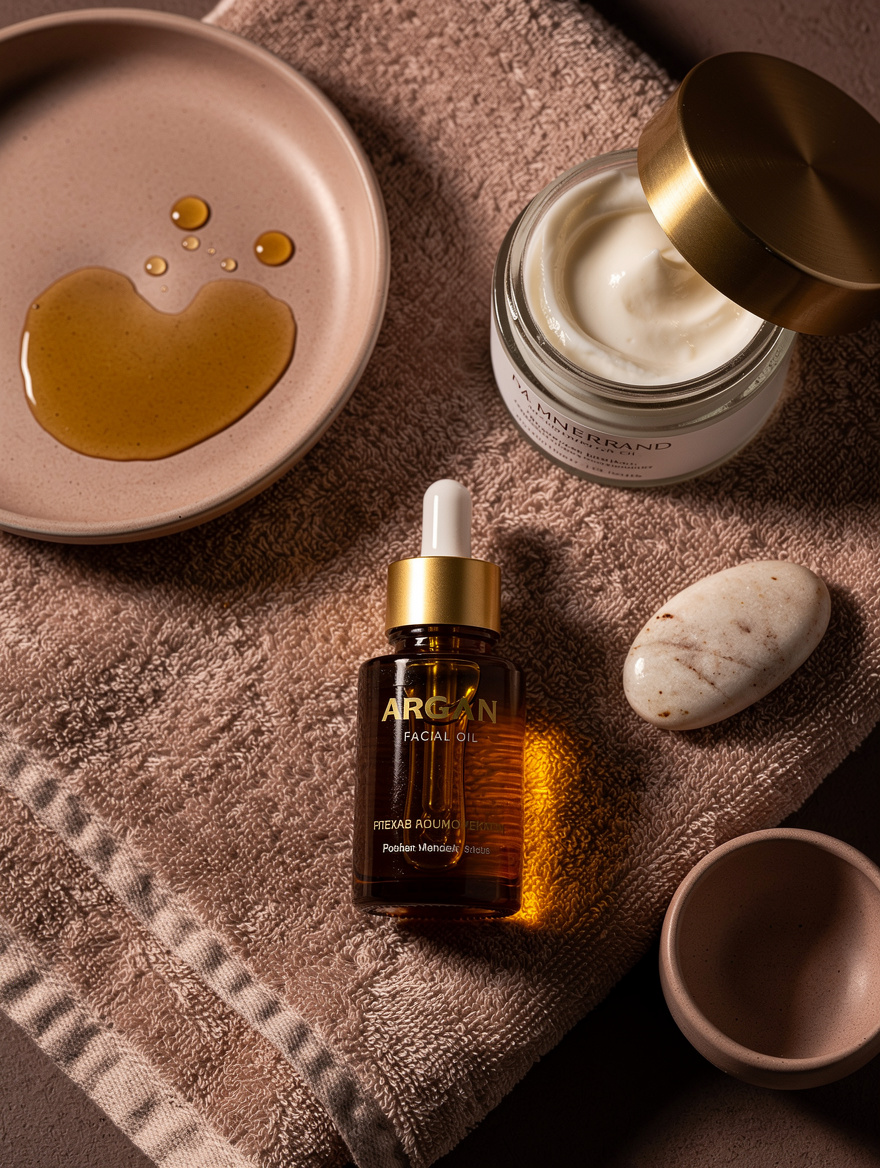
Josie Maran The Original 100% Pure Organic Argan Oil, typically around $39 for 30 mL, is a straightforward option for very dry skin without fragrance sensitivity. Its 100% argan-kernel-oil formula resembles the ingredient studied, although the research did not test this specific branded product.
4. Skip Fragrance-Heavy Oil Blends
Fragranced essential-oil blends can turn a comfort step into a stinging one, especially when skin is reactive, rosacea-prone, or dealing with uneven tone. Oxidized oils may be inflammatory, so a product that smells stale, changes character, or has lingered open for ages is not worth pushing through.
Rosehip seed oil can be a pleasant emollient, and The Ordinary 100% Organic Cold-Pressed Rose Hip Seed Oil is typically about $10.90 for 30 mL. Still, its evidence in postmenopausal women is weaker than argan’s, which makes it a preference purchase rather than my first recommendation.
5. Keep Proven Basics in the Routine
The stronger foundation remains gentle cleansing, a barrier-supporting moisturizer, broad-spectrum daily sunscreen, and, when tolerated, a proven active such as a retinoid. If your face stings, flakes, or looks eczema-like, prioritize a moisturizer with ceramides, glycerin, or niacinamide before adding oil.
A richer mixed-lipid moisturizer may be more practical than a separate bottle for some routines. Paula’s Choice Omega+ Complex Moisturizer, typically around $42, combines water-binding cream texture with lipids including shea butter, linseed, chia, olive, and passionfruit ingredients, though its individual percentages are not disclosed.
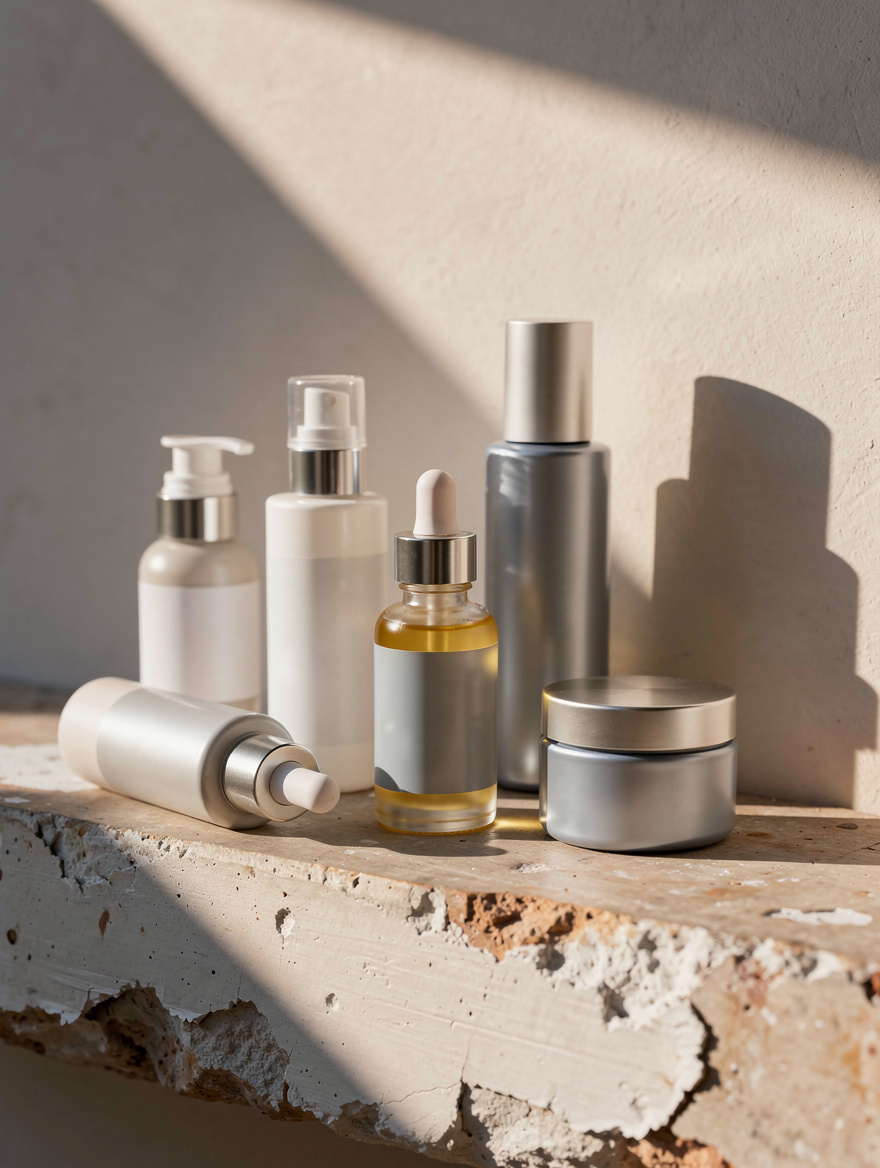
Start with your nighttime moisturizer and add two drops of a simple 100% squalane oil only if your skin still feels dry. Introduce one new product at a time, and see a dermatologist for any spot that bleeds, changes shape, or does not heal.