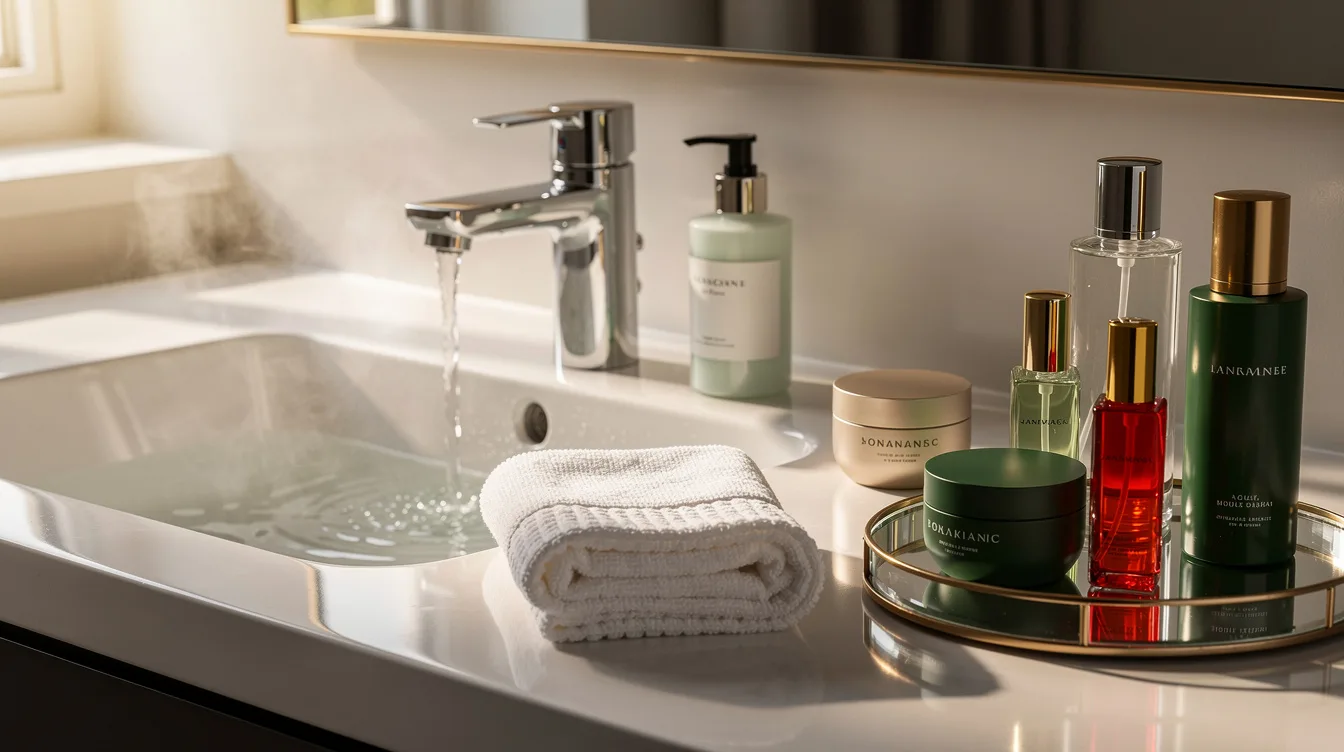
One morning, my cheeks looked flushed before I had even applied moisturizer, and I realized the culprit was the shower temperature I considered normal. The change cost nothing: I began rinsing with lukewarm water instead of hot water, then used my usual roughly $16 cleanser.
What you will find inside
- Test the Water on Your Wrist
- Move Cleansing to the Sink
- Quit Chasing the Tight Feeling
- Pat On Moisture Right Away
- Separate Heat From Retinoid Nights
- Protect the Barrier Every Morning
Test the Water on Your Wrist
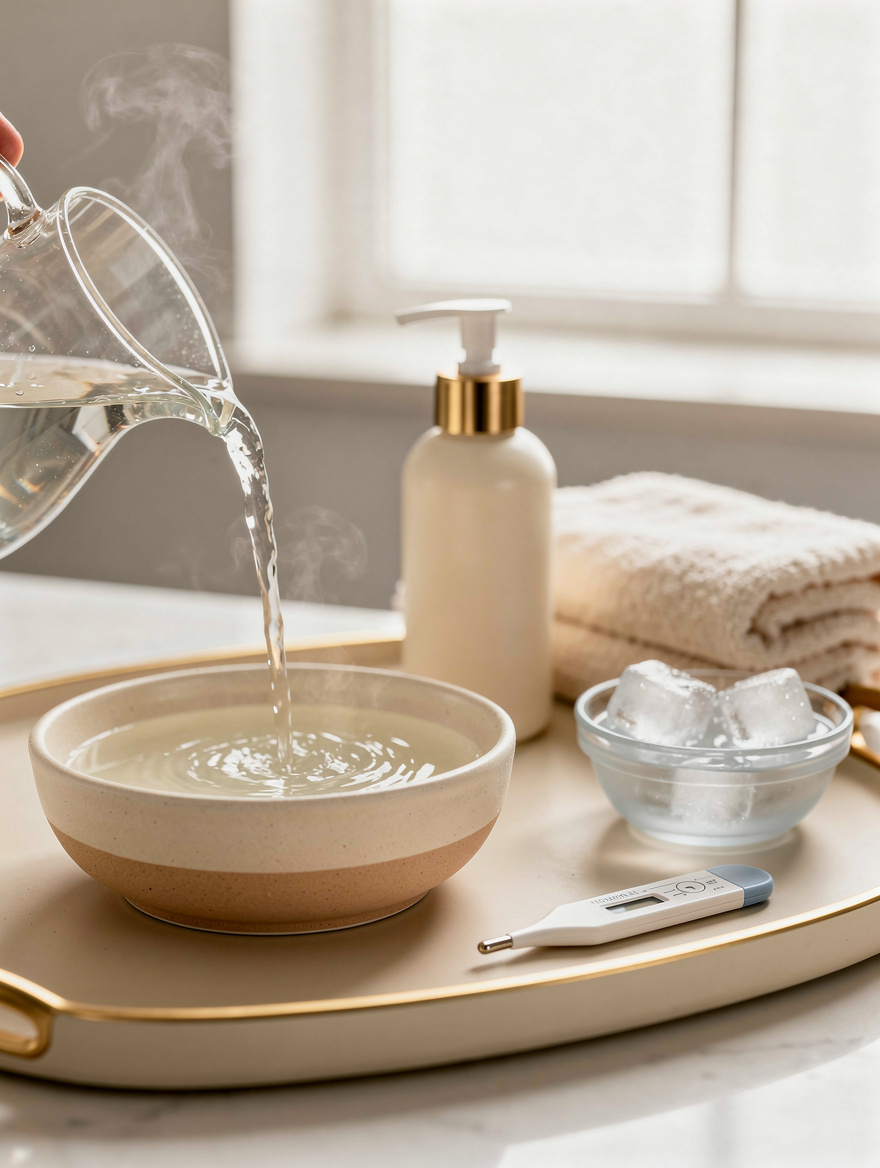
I stopped putting my face under the shower stream and used water that felt neutral to mildly warm on my inner wrist. That small check is more useful than chasing an exact temperature, especially when skin is already dry or reactive.
Water around 106°F was linked with increased redness and water loss in a controlled exposure study, although that study did not test facial cleansing alone. When water makes your cheeks pink or sting, I think the answer is clear: turn it down.

Move Cleansing to the Sink
Hot showers can feel restorative, but I now wash my face separately at the sink for roughly 20 to 30 seconds. It keeps shower heat from lingering on areas that tend to get tight first, including the cheeks and around the mouth.
I use CeraVe Hydrating Facial Cleanser, typically about $16, with fingertips rather than a washcloth. Its ceramides, glycerin, and hyaluronic acid make it a sensible basic cleanser for skin that no longer enjoys a squeaky-clean finish.
Quit Chasing the Tight Feeling
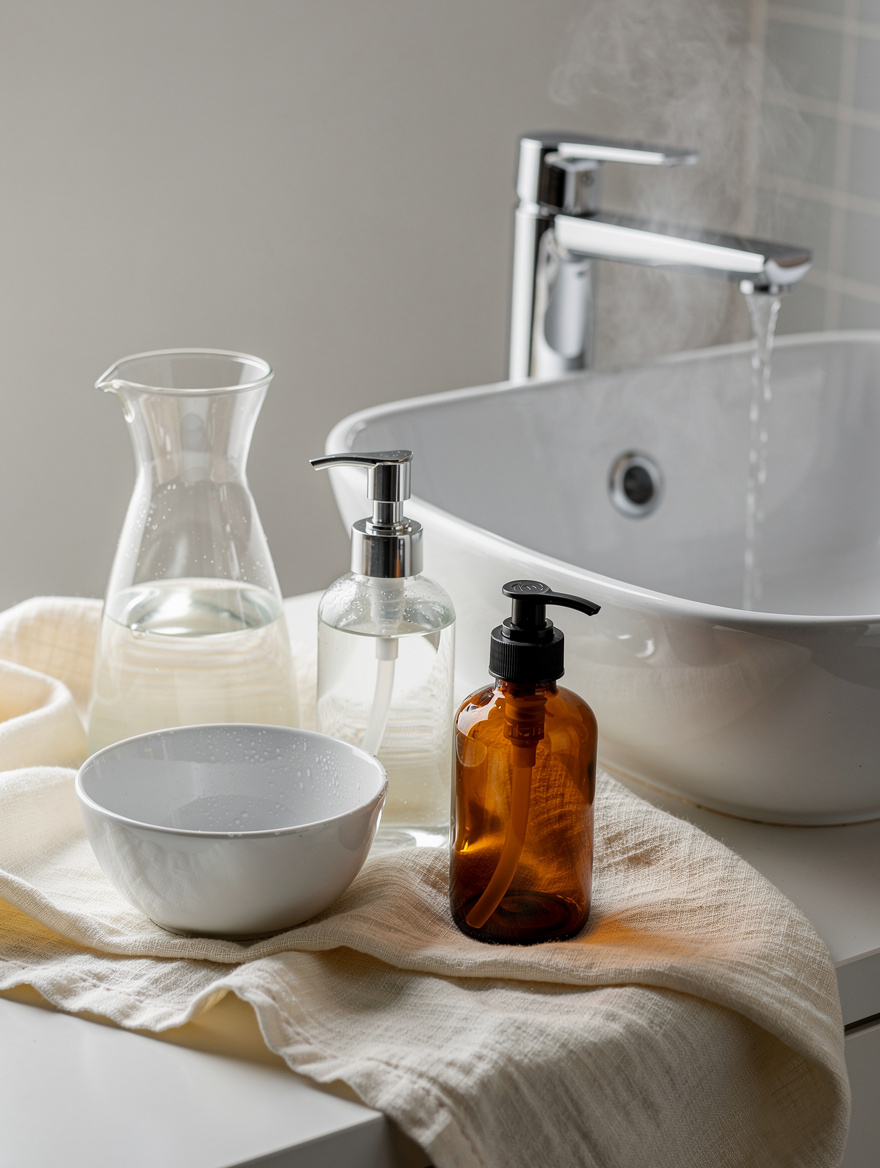
That taut, polished feeling after washing used to convince me my cleanser was working. A few hours later, it often became roughness under makeup, and that was a much less flattering trade.
Heat, water, a strong cleanser, and scrubbing can all add up to more barrier stress. I prefer an alcohol-free gentle cleanser such as La Roche-Posay Toleriane Hydrating Gentle Facial Cleanser, usually around $17, when my skin feels fussy.
Pat On Moisture Right Away
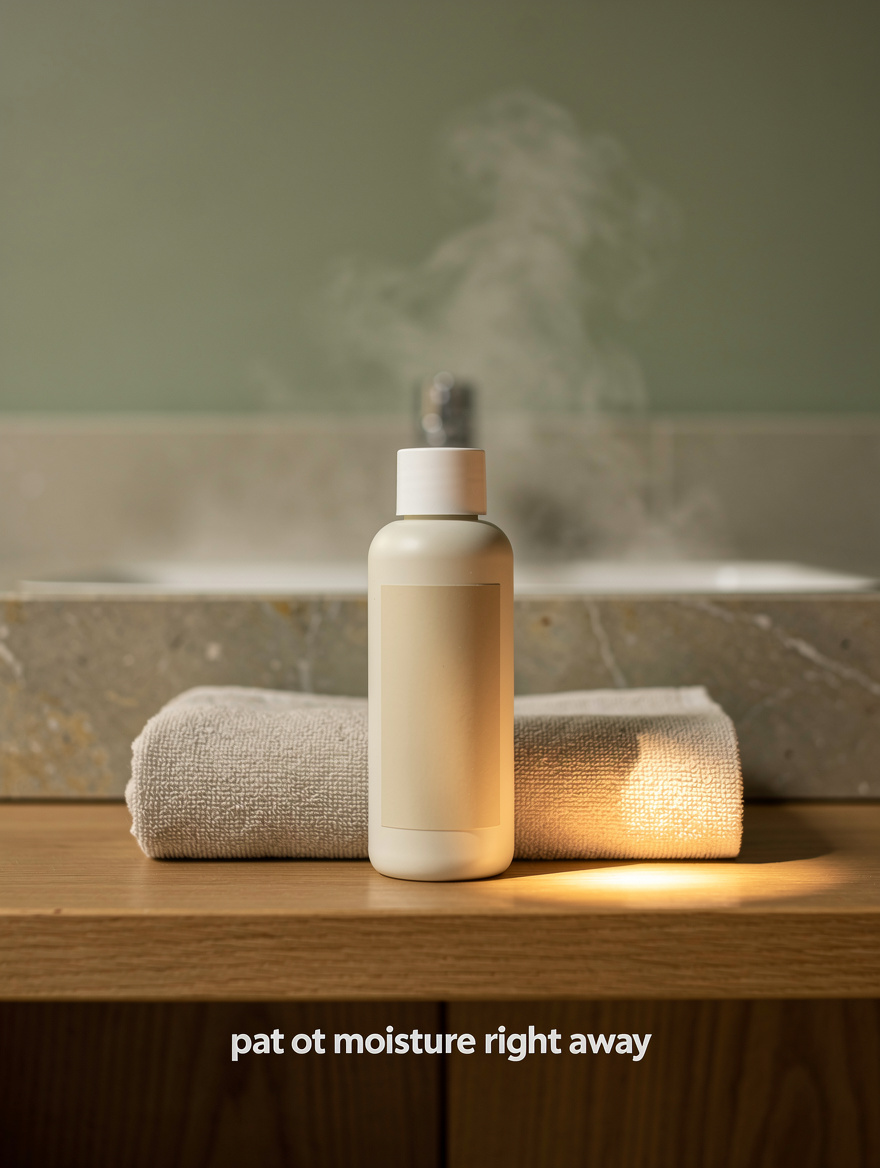
I leave my skin slightly damp, pat it with a soft towel, then apply moisturizer before I get distracted by coffee or email. This is a boring habit, which is exactly why it works well enough to keep.
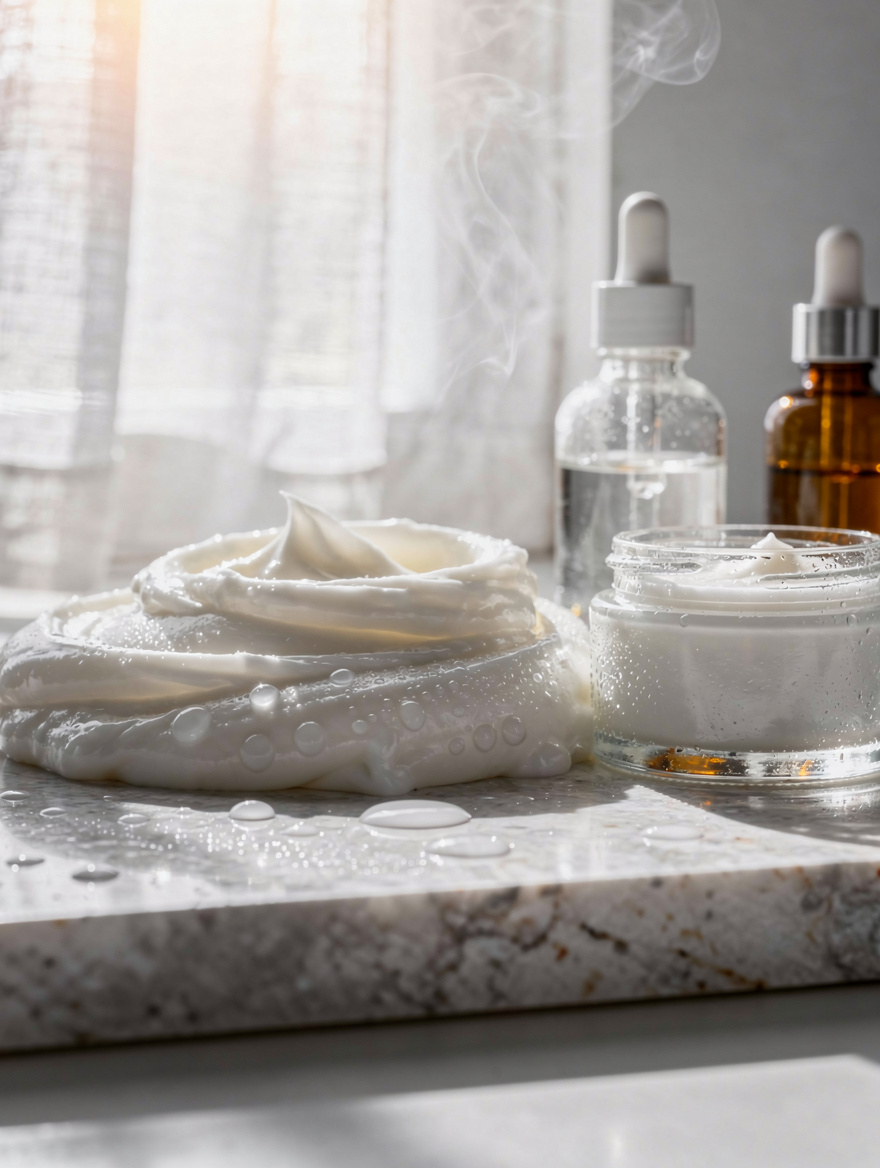
Olay Regenerist Micro-Sculpting Cream, often around $30 depending on size and retailer, is a comfortable option for someone who likes a richer cream texture. For a simpler, less expensive route, a fragrance-free ceramide moisturizer can be every bit as practical.
Separate Heat From Retinoid Nights
A typical 0.3% retinol product can be useful for texture and fine lines, but it deserves a calm routine around it. I would not pair a new retinoid night with hot water, a scrub, and an acid toner, then blame the retinoid when skin protests.
Apply a retinoid slowly according to its directions, and consider moisturizer before or after if your skin is prone to dryness. Dermatologists can help tailor prescription treatment when over-the-counter products are not enough, and there is no prize for pushing through irritation.
Protect the Barrier Every Morning
Turning down the tap did not replace sunscreen, but it made the rest of my routine feel easier to maintain. Daily broad-spectrum SPF 30 is the practical baseline I reach for because most of us apply less than the label’s test amount.
Neutrogena Ultra Sheer Moisturizing Face Serum Sunscreen SPF 60+ is widely available at US drugstores and mass retailers, generally around $17. Choose a sunscreen you will actually use generously, and do not treat a hot rinse as a substitute for skin protection.
Start with the water temperature tomorrow morning, then keep cleansing gentle and moisturizer close by. See a dermatologist for any spot that bleeds, changes shape, or does not heal.