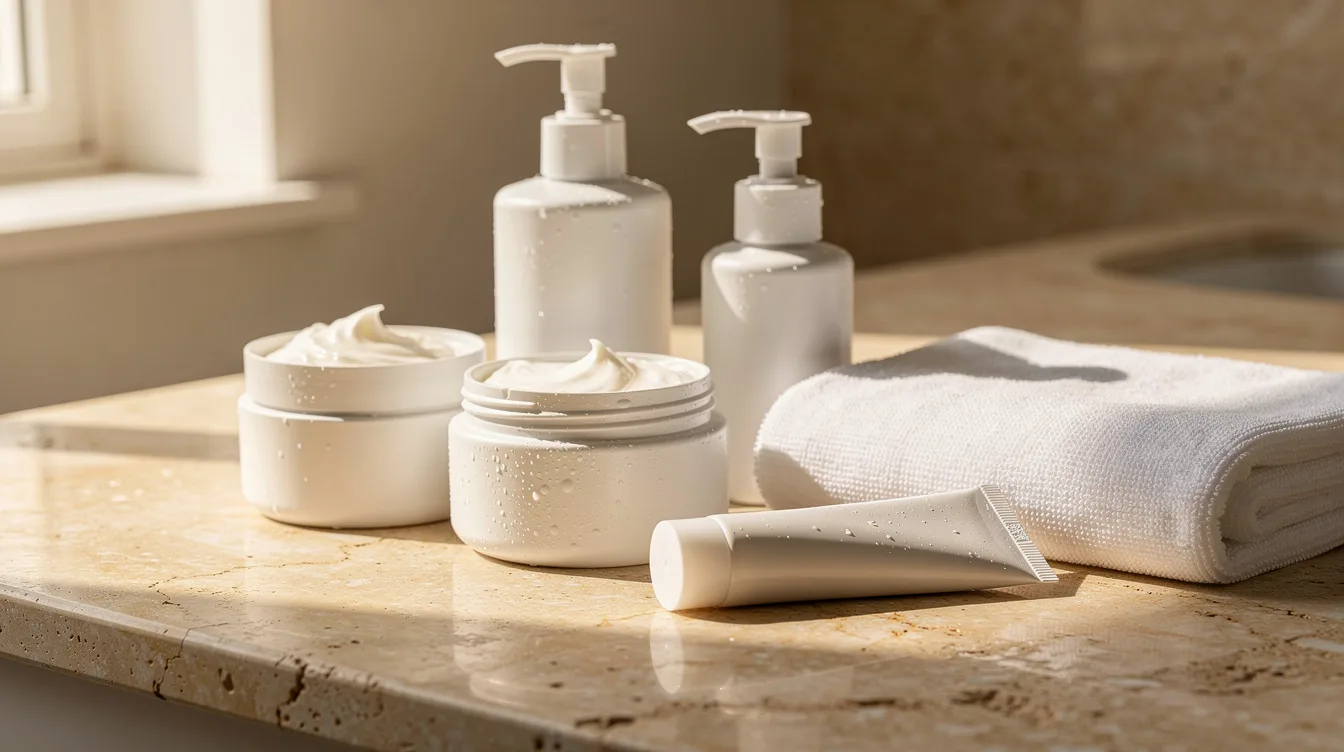
The mirror can be rude after a shower: shins look chalky again, forearms feel papery, and the lotion that once worked suddenly stings. For mature body skin, a cream around $15 can be more useful than an expensive bottle full of vague botanical promises.
Lower estrogen can mean less oil, a thinner barrier, and slower turnover, so water escapes more easily. The practical answer is usually a thick, fragrance-free formula applied while skin is still slightly damp.
What you will find inside
- Choose A Cream Instead Of A Thin Lotion
- Apply It Before Your Skin Dries Fully
- Use Urea For Everyday Rough Dryness
- Target Flakes With Lactic Acid Carefully
- Treat Crepey Texture As A Hydration Job
- Skip The Automatic Premium Upgrade
Choose A Cream Instead Of A Thin Lotion
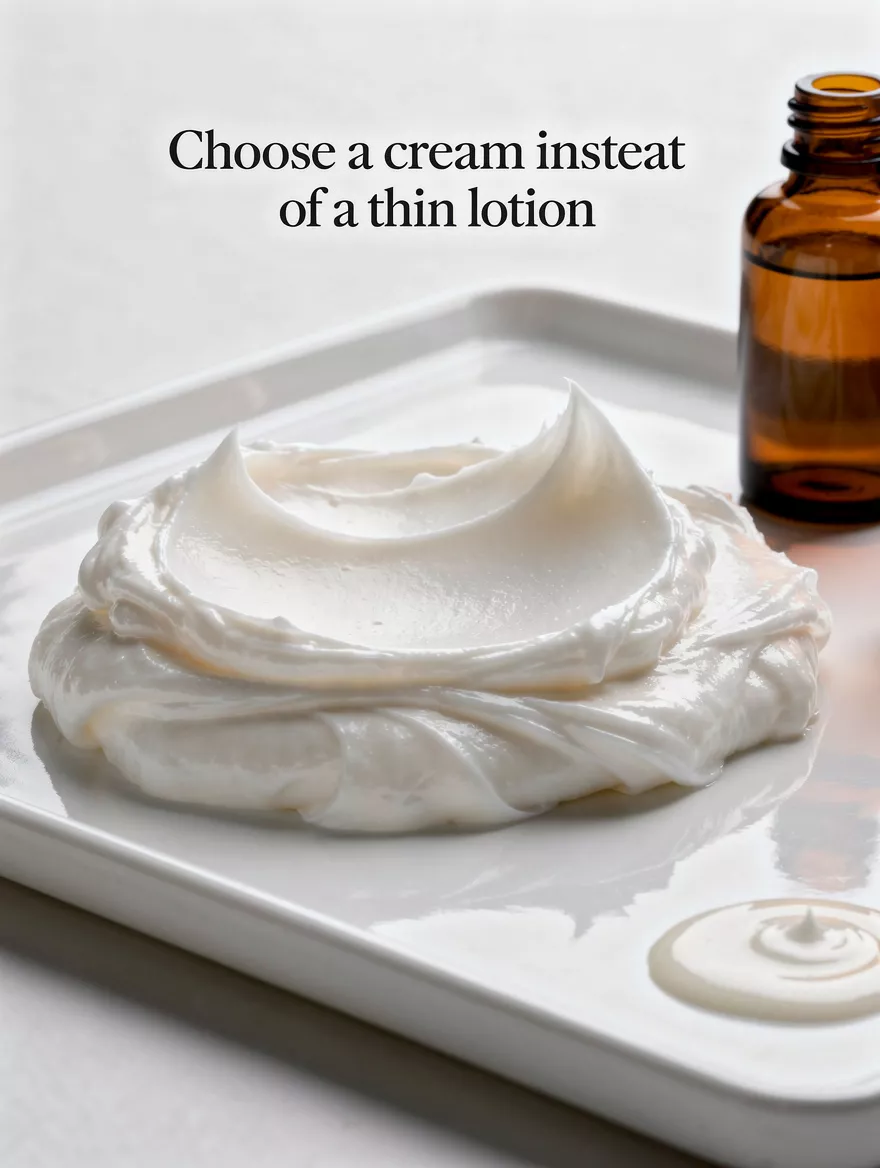
Start with CeraVe Moisturizing Cream, typically about $15 to $19 for a large tub, when your arms, legs, torso, and hands all feel dry. Its ceramides, glycerin, hyaluronic acid, petrolatum, and dimethicone make it a sensible daily default, especially if you want one product instead of a crowded shelf.
Thin pump lotions can feel pleasant for thirty seconds, then disappear before they meaningfully reduce moisture loss. I’d save lightweight lotion for humid days and use a real cream when skin feels tight after bathing.
Apply It Before Your Skin Dries Fully
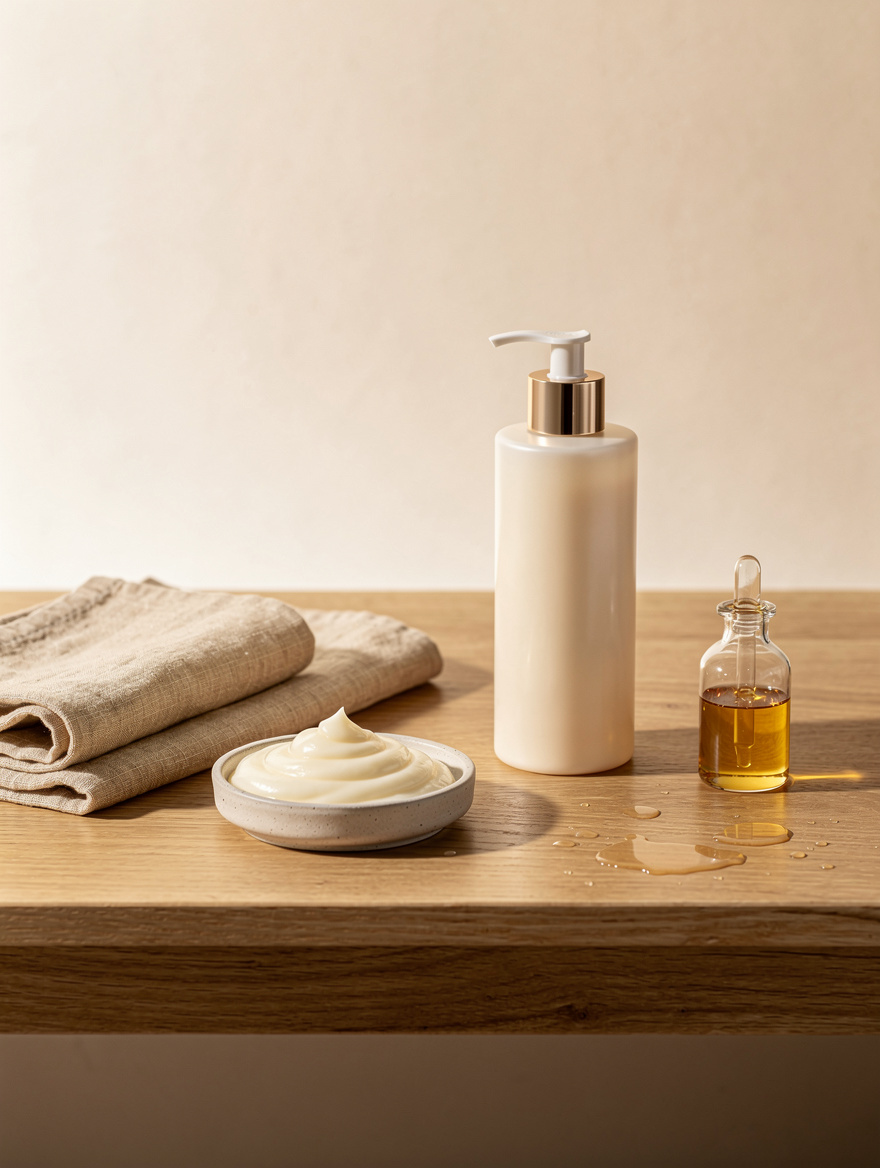
Pat off the drips, then apply Vanicream Moisturizing Cream within a few minutes of stepping out of the shower. At roughly $14 to $15, its plain mix of petrolatum, sorbitol, and dimethicone is a smart choice when complicated formulas or fragrance leave skin prickly.
That timing matters because a moisturizer helps hold onto the water already sitting on your skin. You don’t need a spa ritual, just enough product to leave limbs comfortable rather than slick.
Use Urea For Everyday Rough Dryness
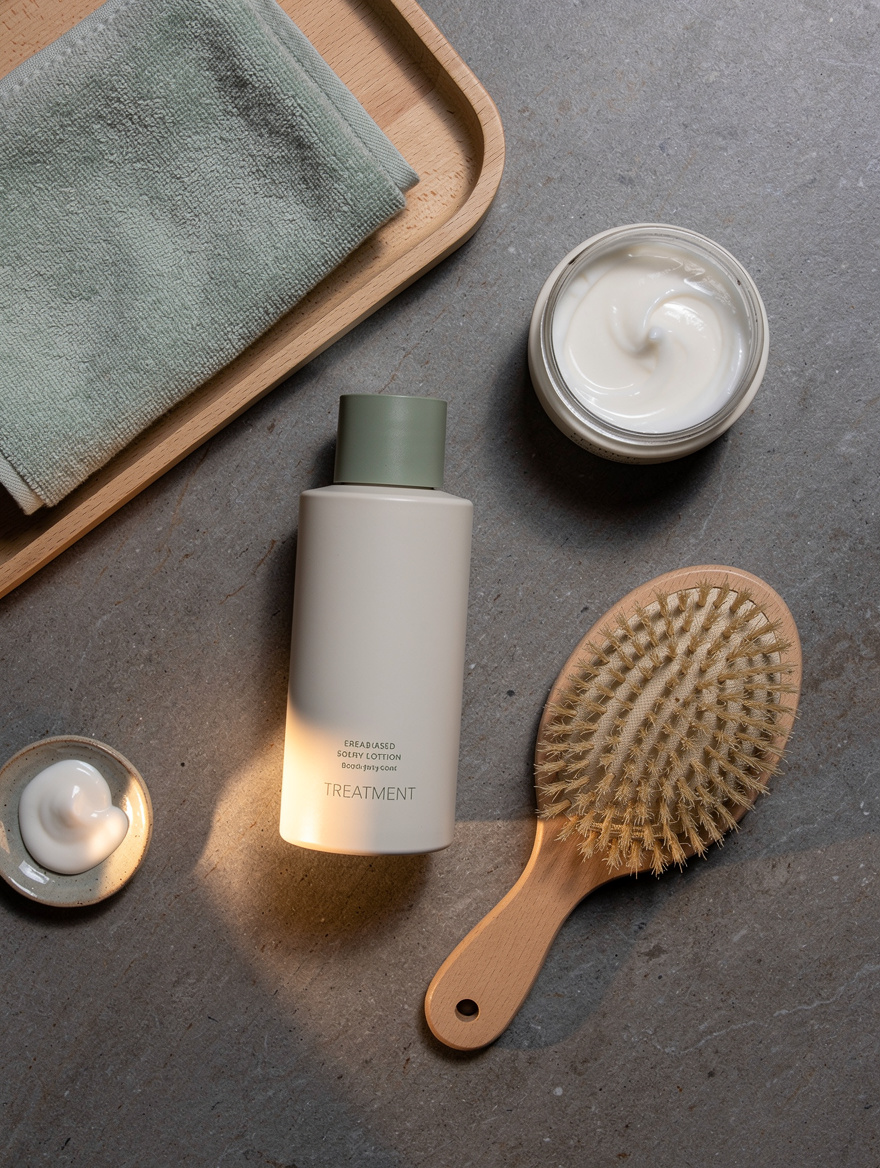
For generalized roughness, 5% urea is one of the most useful disclosed strengths to look for. Eucerin Advanced Repair Lotion, usually about $13 to $14 for 16.9 ounces, pairs 5% urea with ceramide and moisturizing factors, making it a particularly good value for dry legs and elbows.
Urea in the 2% to 10% range is generally used for hydration and barrier support, while stronger formulas can loosen thicker scale. Five percent is a comfortable starting point for many people who want softness without beginning with a heavy exfoliating treatment.
Target Flakes With Lactic Acid Carefully
Use AmLactin Daily Nourish on stubbornly flaky shins, rough upper arms, or dull-looking knees rather than automatically slathering it everywhere. Its 12% lactic acid formula is typically $14 to $18 and can help smooth surface scale while also drawing in water.
Lactic acid can tingle on freshly shaved, cracked, or reactive skin, so try it a few nights a week first and follow with a bland cream if needed. This is a texture tool, not a promise to rebuild lost collagen or erase crepey skin.
Treat Crepey Texture As A Hydration Job
Gold Bond Age Renew Crepe Corrector, usually $11 to $15 for about eight ounces, can make arms and legs look smoother through glycerin, hydroxyethyl urea, dimethicone, petrolatum, and other water-binding ingredients. That temporary plumper finish is valid and useful, particularly before sleeveless plans.
Keep expectations grounded: hydration can improve the surface appearance of crepey skin, while age-related collagen changes are deeper in the skin. A product that feels comfortable enough to use consistently is more valuable than a dramatic label claim.
Skip The Automatic Premium Upgrade
La Roche-Posay Lipikar AP+M Triple Repair Cream is a rich, cushioned option, generally about $19 to $23 for 13.52 ounces. Glycerin and shea butter make it appealing for very dry or eczema-prone skin, especially when you prefer a more enveloping cream texture.
Still, a higher price does not automatically make it better than CeraVe or Eucerin for your body. Patch-test any new formula if you have a history of dermatitis, and see a dermatologist for skin that bleeds, changes shape, or does not heal.
Begin with a large tub of CeraVe Moisturizing Cream beside the shower, then add Eucerin only if roughness persists. Consistent damp-skin application is the boring step that tends to earn its place in the routine.