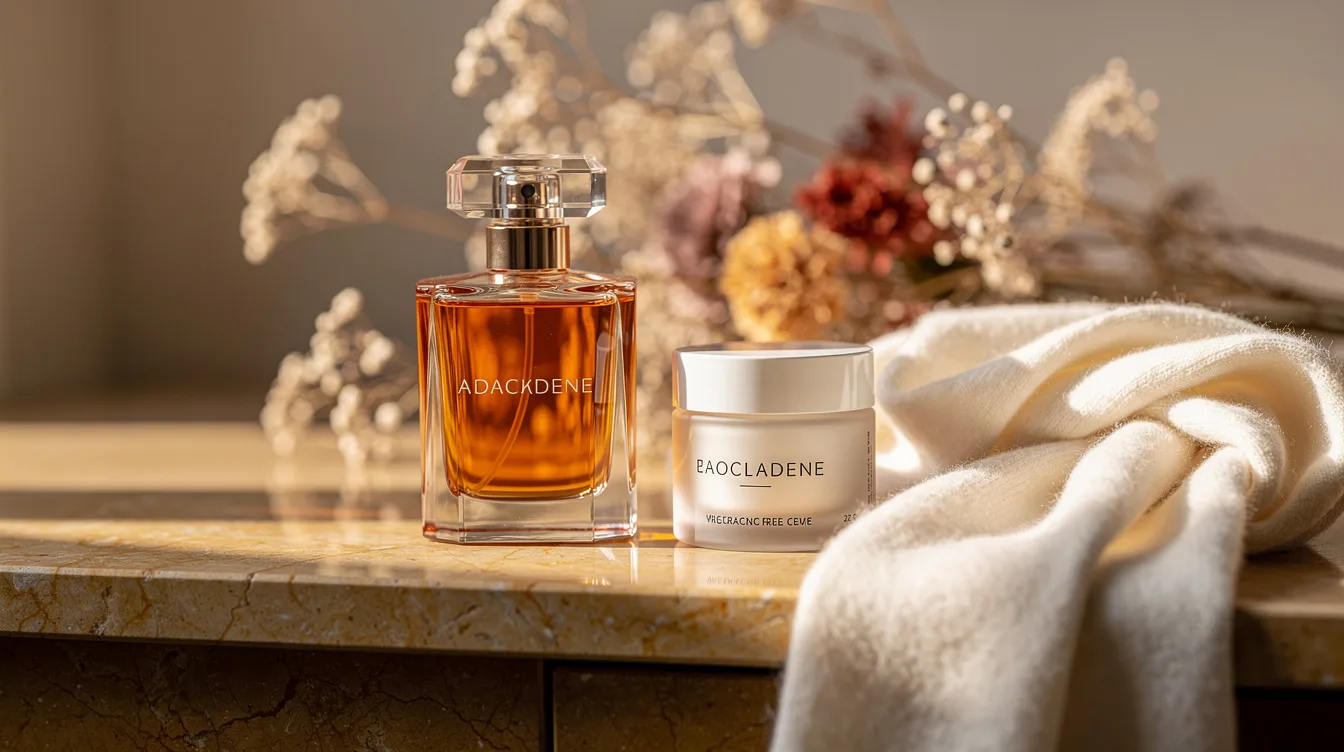
One morning, my perfume seemed to vanish before I finished coffee, while my favorite scented body lotion made the skin on my chest feel tight. A typical eau de parfum costs enough that I wanted a routine that used less, not a crowded shelf of matching products.
For dry, more reactive skin after menopause, I found that fragrance layering works best when body care stays boring and perfume does the scented work.
What you will find inside
- Build A Fragrance-Free Base First
- Choose One More Concentrated Scent
- Keep The Morning Application Modest
- Let The Spray Dry Without Rubbing
- Use Clothing As A Careful Backup
- Refresh Once Instead Of Overspraying
Build A Fragrance-Free Base First
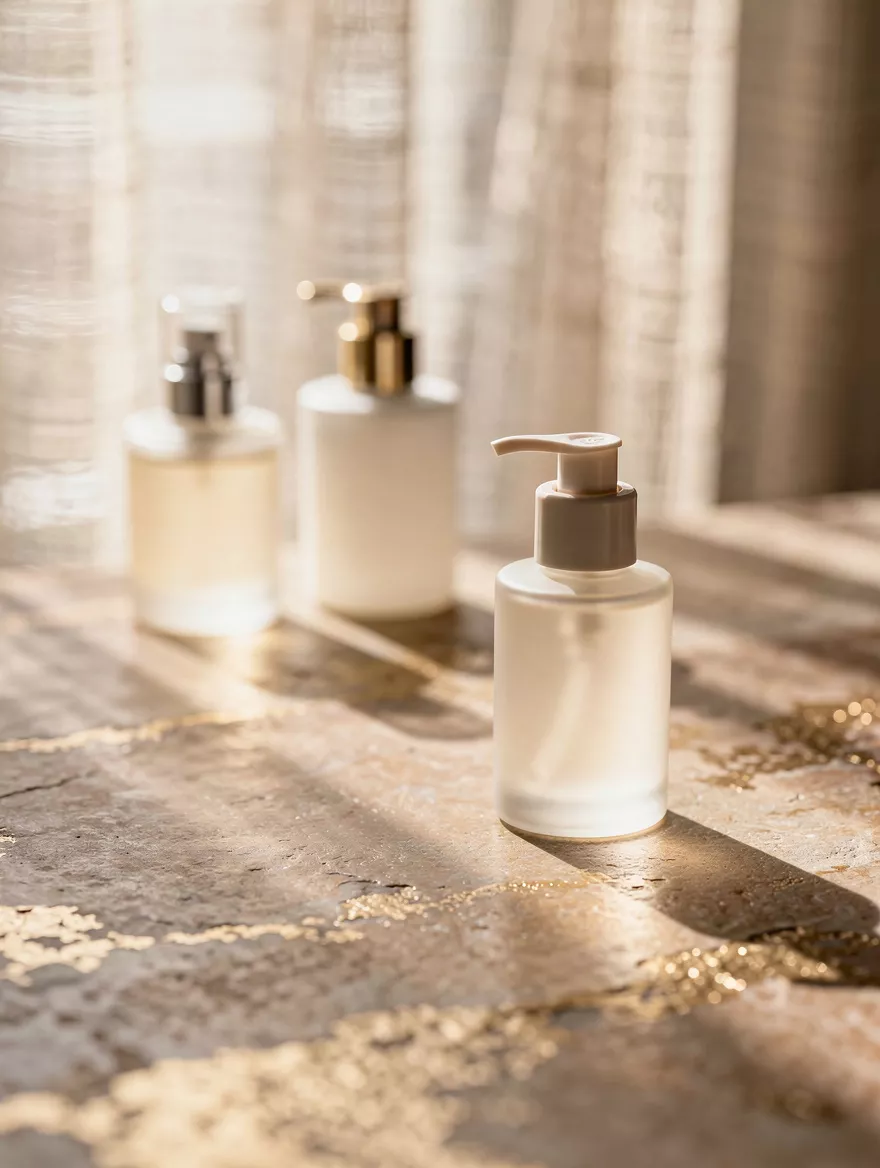
After a shower, I apply CeraVe Moisturizing Cream, typically around $17, to slightly damp arms, legs, and chest, then wait until it no longer feels slippery. Dry skin can make fragrance feel less comfortable, and a plain cream gives perfume a calmer surface without adding another scent.
Look for “fragrance-free,” not merely “unscented,” because unscented formulas can still contain masking fragrance. Vanicream Moisturizing Cream is another widely available option, usually about $14, and it makes sense when your skin has a history of reacting to fragranced lotions.
Choose One More Concentrated Scent
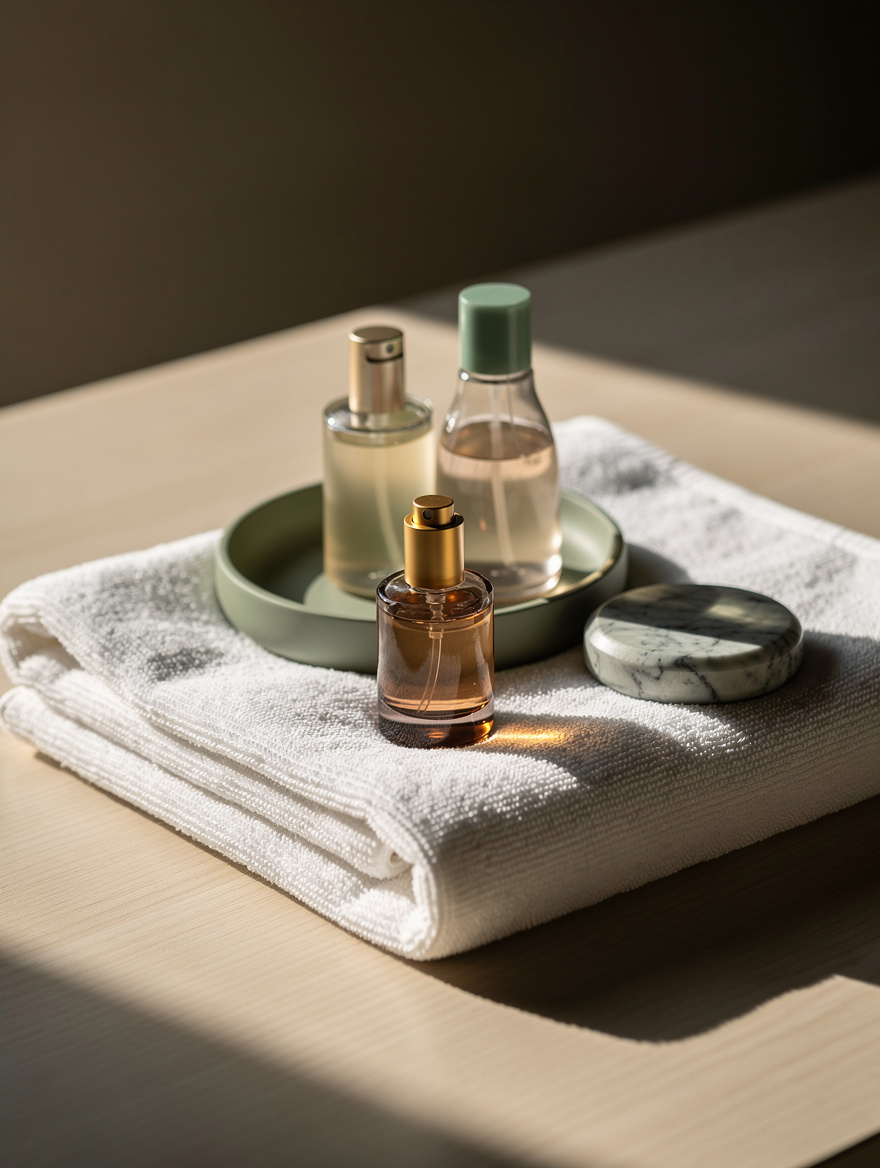
I reach for an eau de parfum when I want a scent to carry through a workday, since it commonly contains roughly 8% to 15% fragrance concentrate. It often offers the most practical balance of presence, price, and wear, although the notes matter as much as the percentage.
A woody or amber-heavy formula can linger longer than a bright citrus scent with a higher listed concentration. Yves Saint Laurent Libre Eau de Parfum is a useful example of a fuller EDP style, while a lighter eau de toilette may be better when you prefer a softer, shorter-lived trail.
Keep The Morning Application Modest
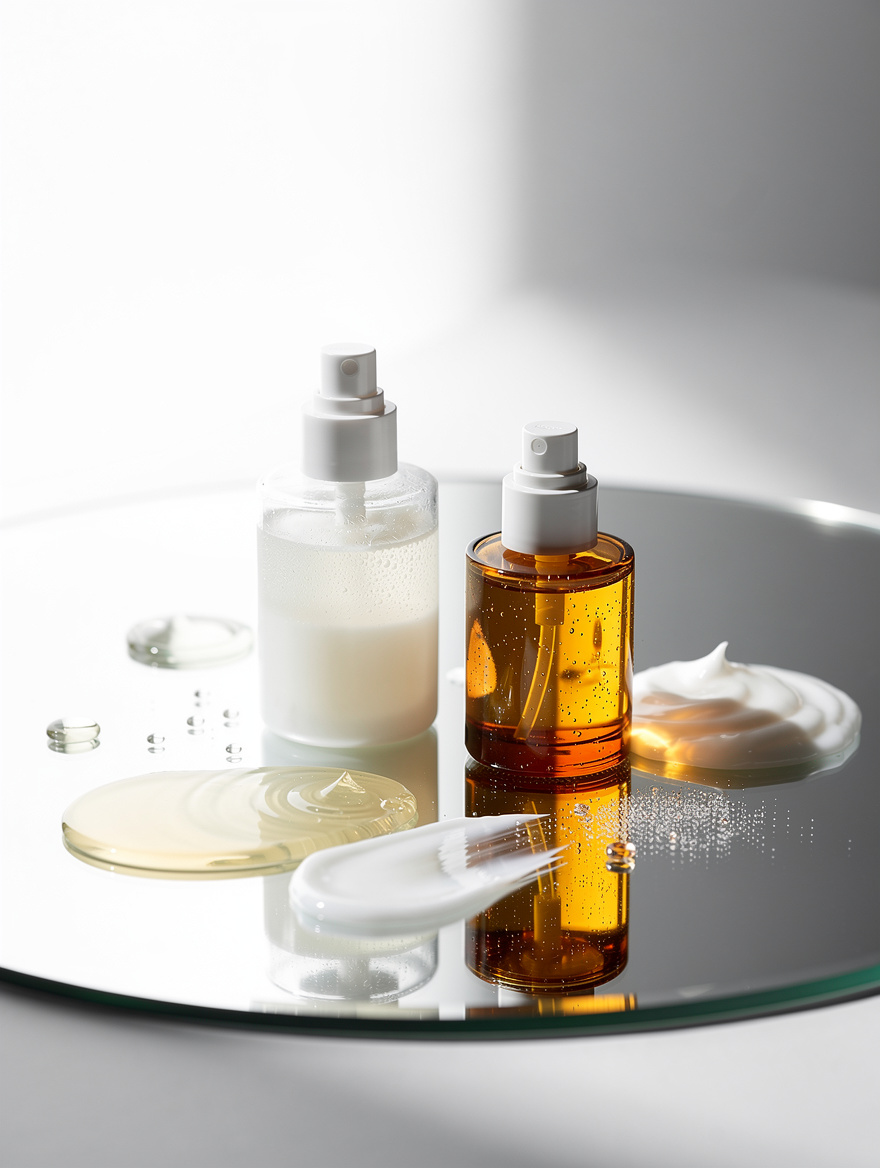
Two to four total sprays is my ceiling for morning, placed on intact skin at the sides of the neck, forearms, inner elbows, or behind the knees under clothing. Chanel Coco Mademoiselle Eau de Parfum has enough diffusion that it does not need a cloud of sprays to announce itself.
I skip underarms, my face, freshly shaved areas, and hands that will be washed repeatedly. Do not apply perfume to inflamed, eczema-prone, sunburned, or freshly exfoliated skin, and stop using a product that causes burning, itching, or a rash.
Let The Spray Dry Without Rubbing
I spray and leave it alone, including on my wrists. Rubbing wrists together creates friction and transfers perfume, which can disturb the opening notes instead of helping the scent “set.”
This small habit matters more than waiting for a magic number of minutes between lotion and perfume. Once the fragrance-free moisturizer has settled and your skin feels comfortably dry to the touch, apply your scent and get dressed.
Use Clothing As A Careful Backup
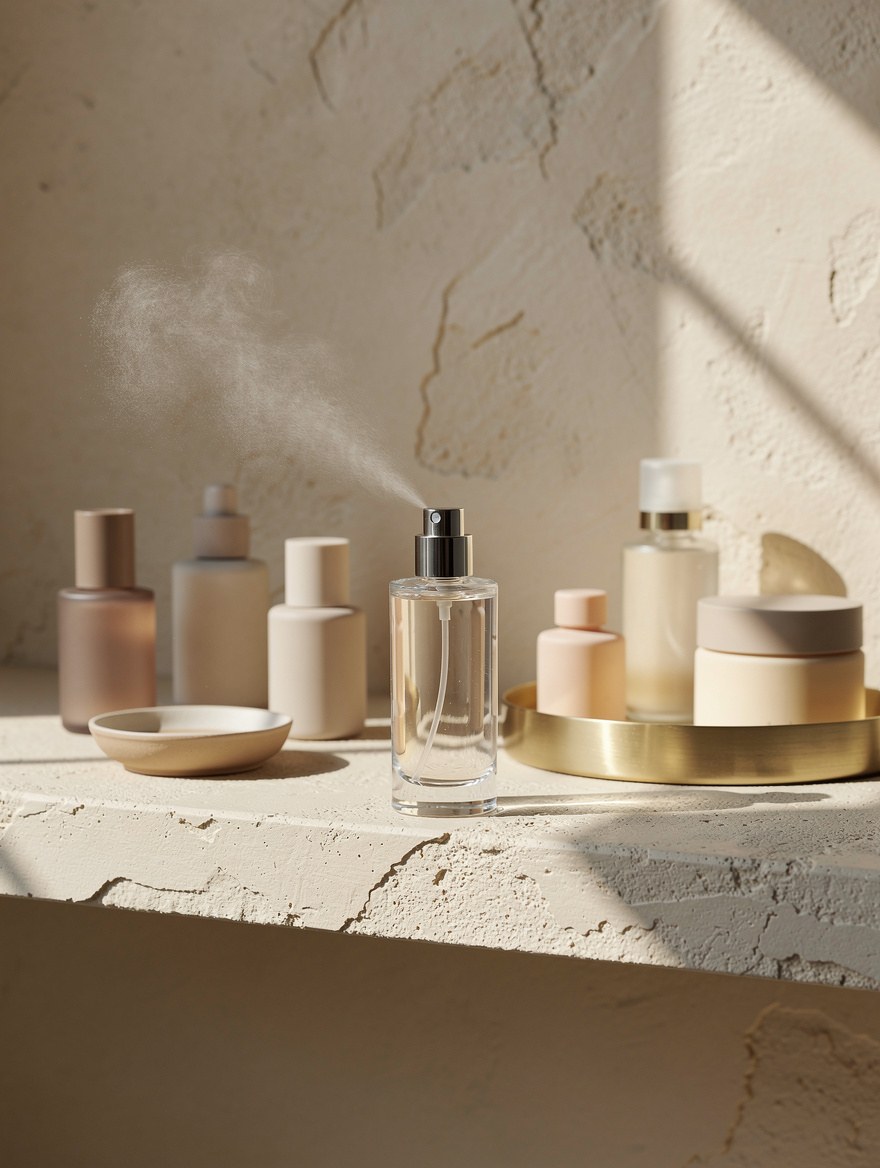
One light mist on a scarf, shawl, or outer layer can leave a longer scent trail than skin alone. I test a hidden area first because perfume alcohol and oils may mark silk, leather, delicate synthetics, or pale fabric.
Clothing spray is a supplement, not a reason to skip laundry or repeatedly scent the same garment. I also avoid spraying jewelry, since residue can build up where I do not want it.
Refresh Once Instead Of Overspraying
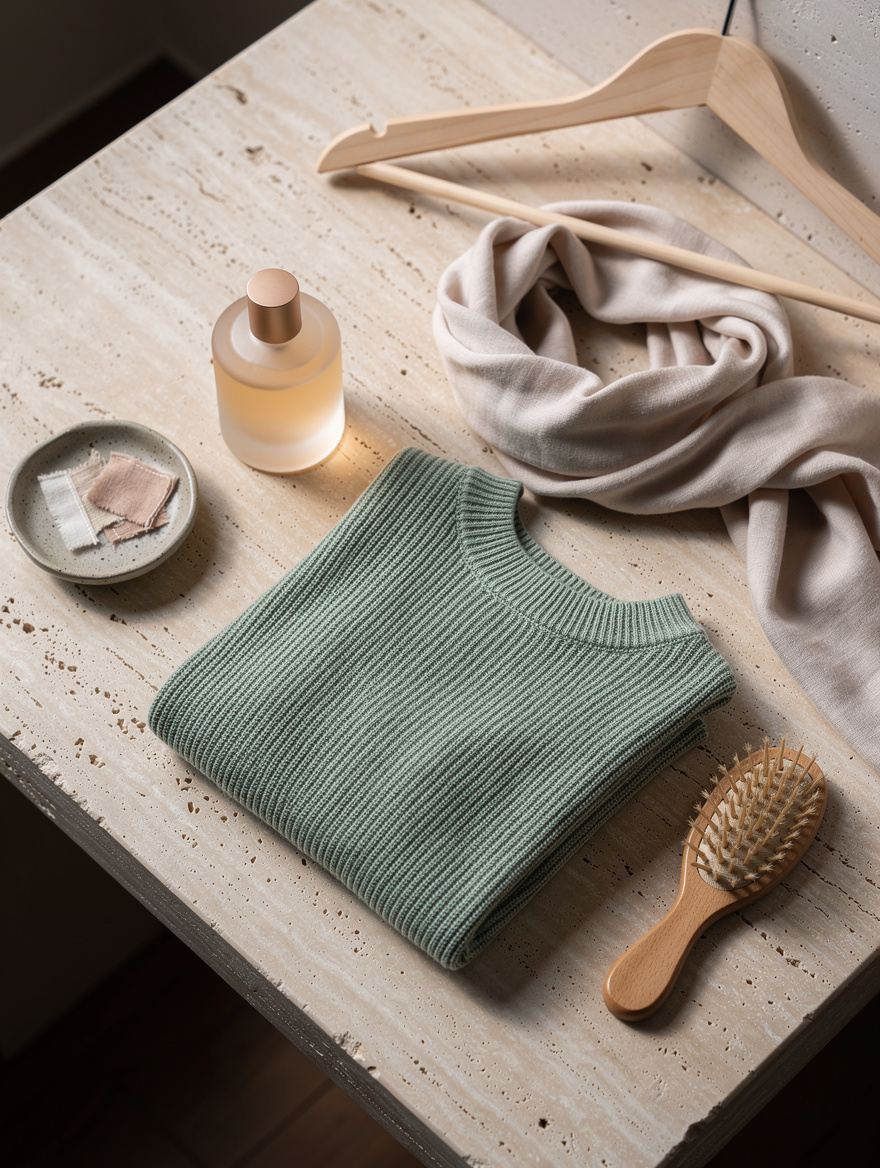
A 7.5 mL travel spray is my most useful layering tool because it makes one controlled afternoon refresh easy. One spray on clothing or one spray on intact body skin is usually plenty when the morning scent has faded.
That approach works better for me than adding a scented scrub, body wash, lotion, hair mist, and perfume all at once. Multiple fragranced leave-on products create more chances for irritation, without reliably making the perfume smell better or last longer.
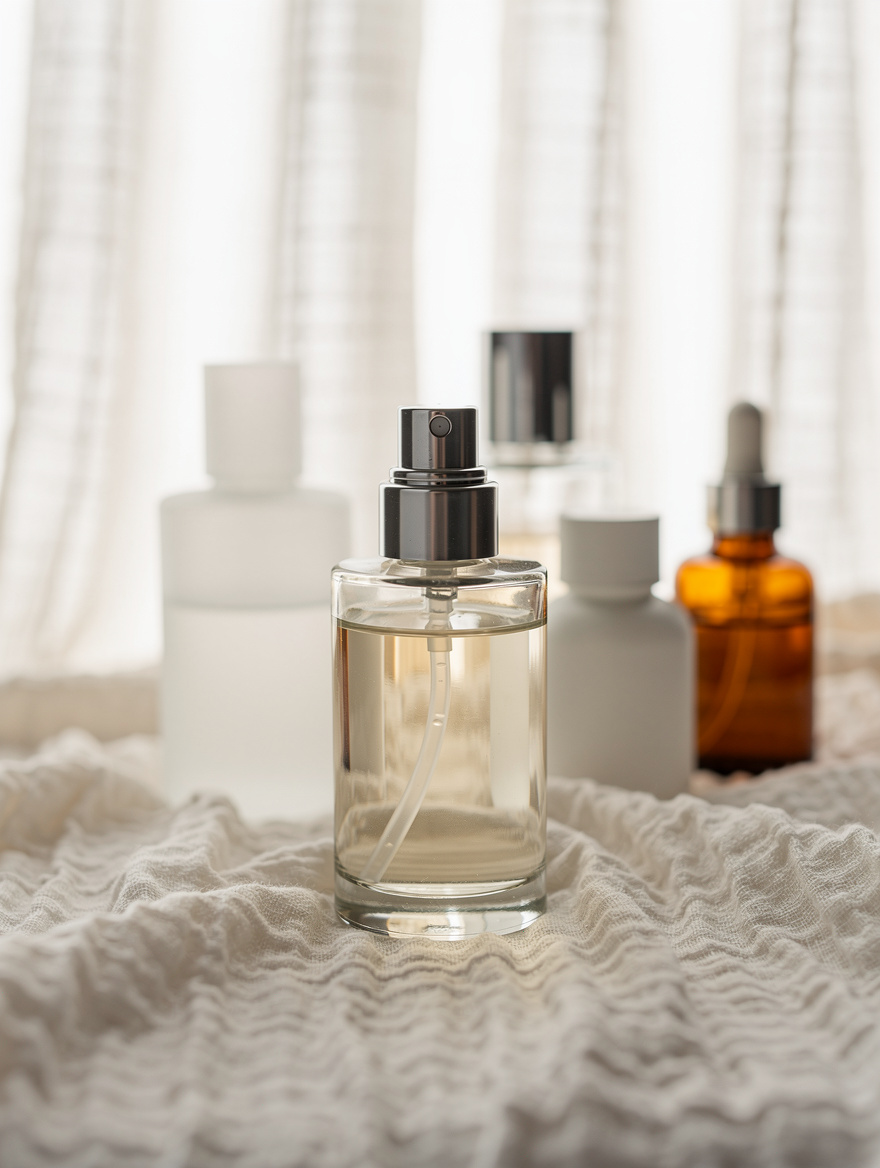
Start with a fragrance-free cream after your next shower, then use two sprays of the perfume you already own. If a spot bleeds, changes shape, or does not heal, see a dermatologist rather than trying to cover it with fragrance.