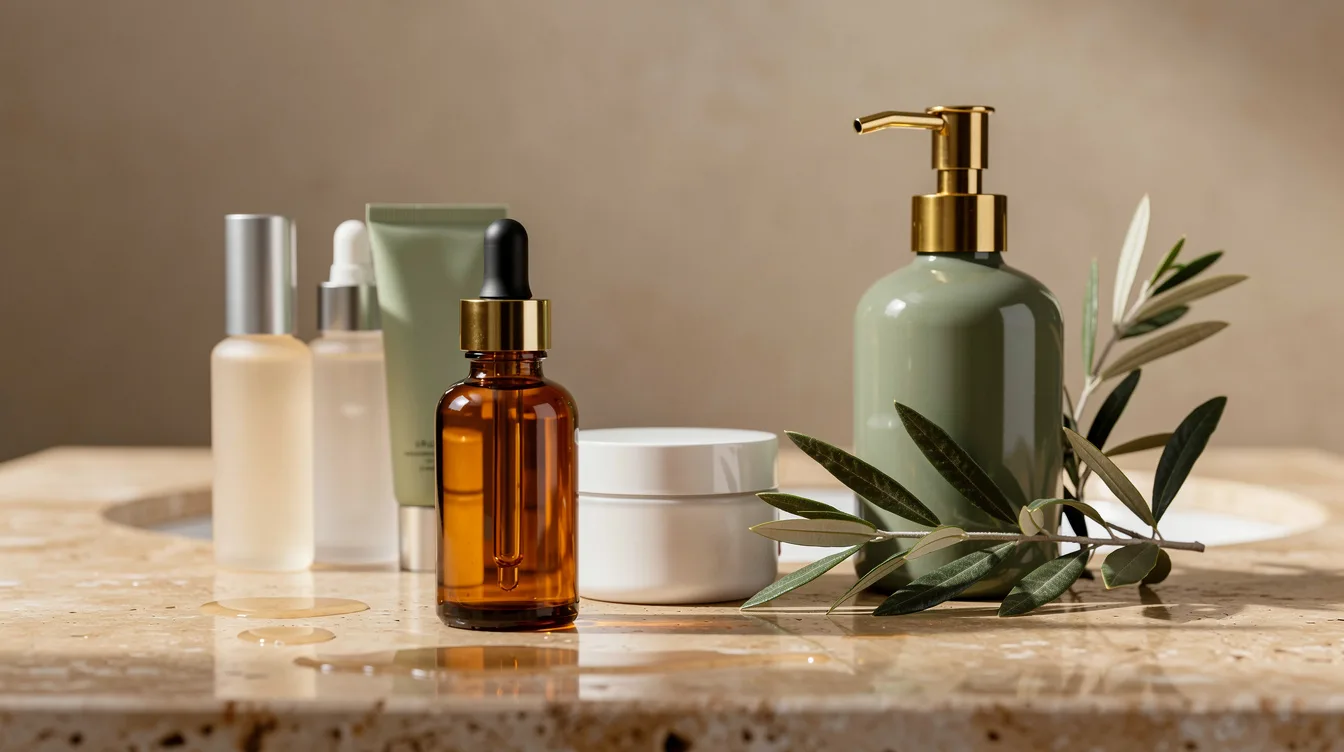
At the mirror, a serum routine that once felt simple can suddenly sting, pill under makeup, or leave skin tight by lunch. The fix usually isn’t another bottle: a typical 0.3% retinol needs a calmer supporting routine and a clear place in the lineup.
Skin after menopause often makes less oil and has a more vulnerable barrier, so thin-to-thick layering matters most when it keeps useful formulas comfortable enough to use consistently.
What you will find inside
- 1. Start With the Morning Essentials
- 2. Layer From Thinnest to Thickest
- 3. Put Sunscreen Last, Every Morning
- 4. Reserve Retinoids for a Simple Night Routine
- 5. Use the Moisturizer Sandwich When Skin Pushes Back
- 6. Keep Exfoliating Acids Off Retinoid Nights
1. Start With the Morning Essentials
Cleanse gently, or rinse with water when skin feels dry, then apply a vitamin C serum to dry skin. A formula with 10% to 15% L-ascorbic acid is a sensible range, though acidic formulas can tingle and their stability varies.
Follow with an optional hydrating or niacinamide serum, moisturizer, then broad-spectrum SPF 30 or higher. We’d prioritize sunscreen over an elaborate serum collection every single time, because it is the final protective layer your routine needs.
2. Layer From Thinnest to Thickest
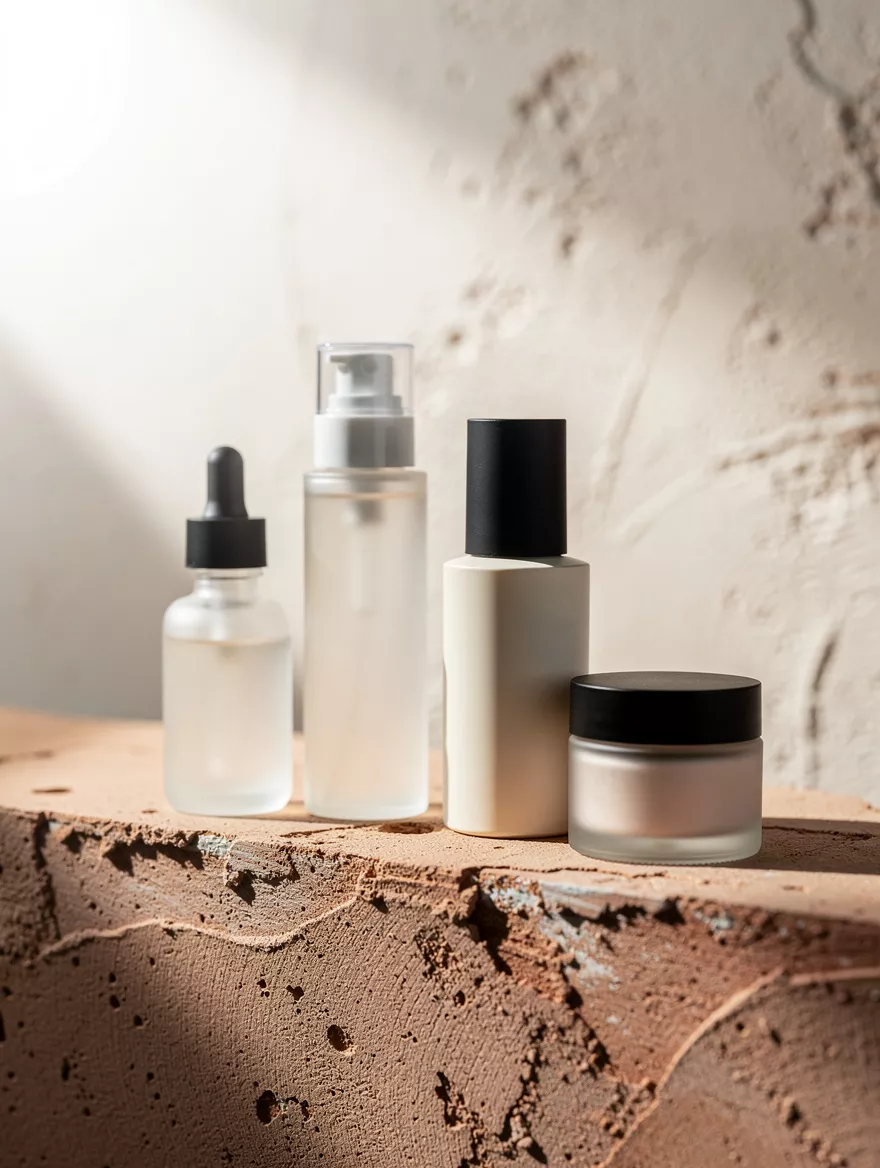
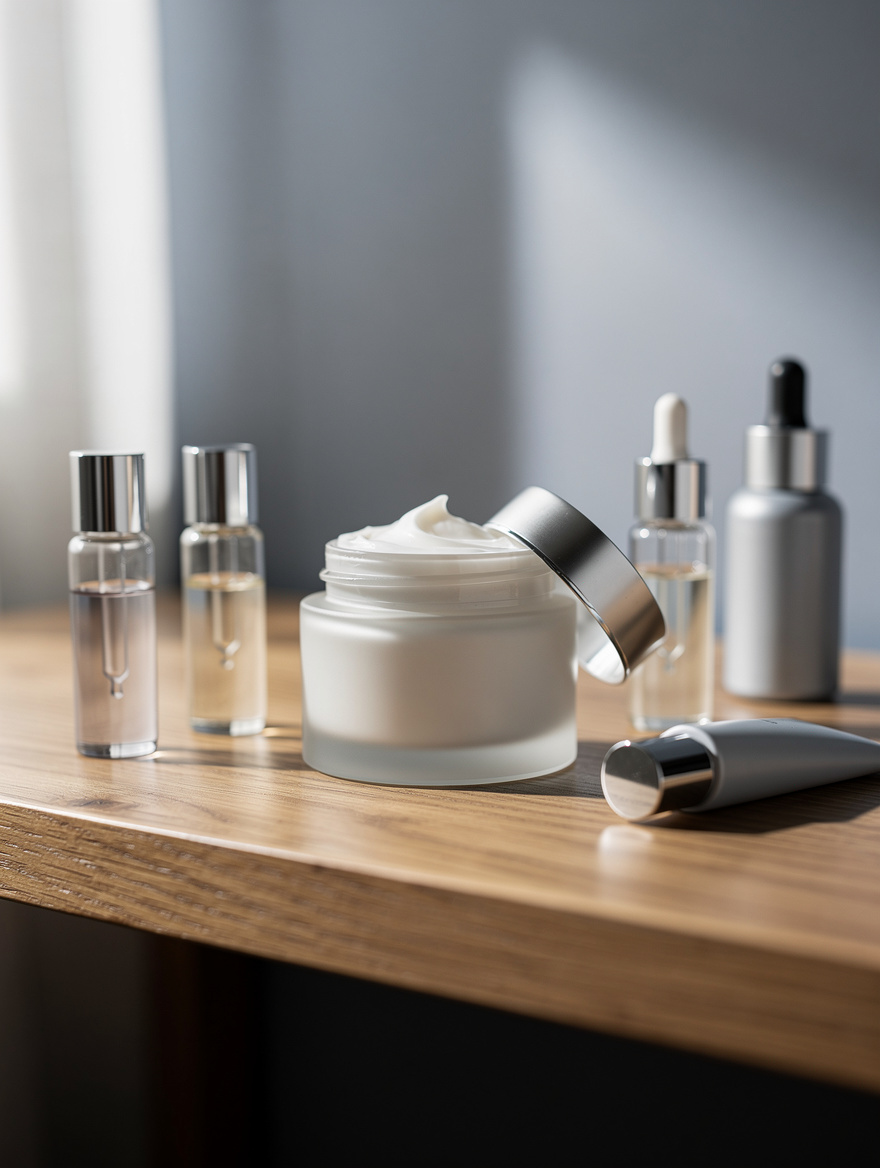
Watery antioxidant serums go before thicker gel or milky hydrating formulas, while a cream belongs afterward. Hyaluronic acid can make temporarily dehydrated skin look more cushioned, but it needs moisturizer over it to reduce water loss.
You don’t need a 10-minute pause between bottles. Give each thin layer roughly 30 to 60 seconds to spread and settle, then move on before the routine becomes a chore.
3. Put Sunscreen Last, Every Morning
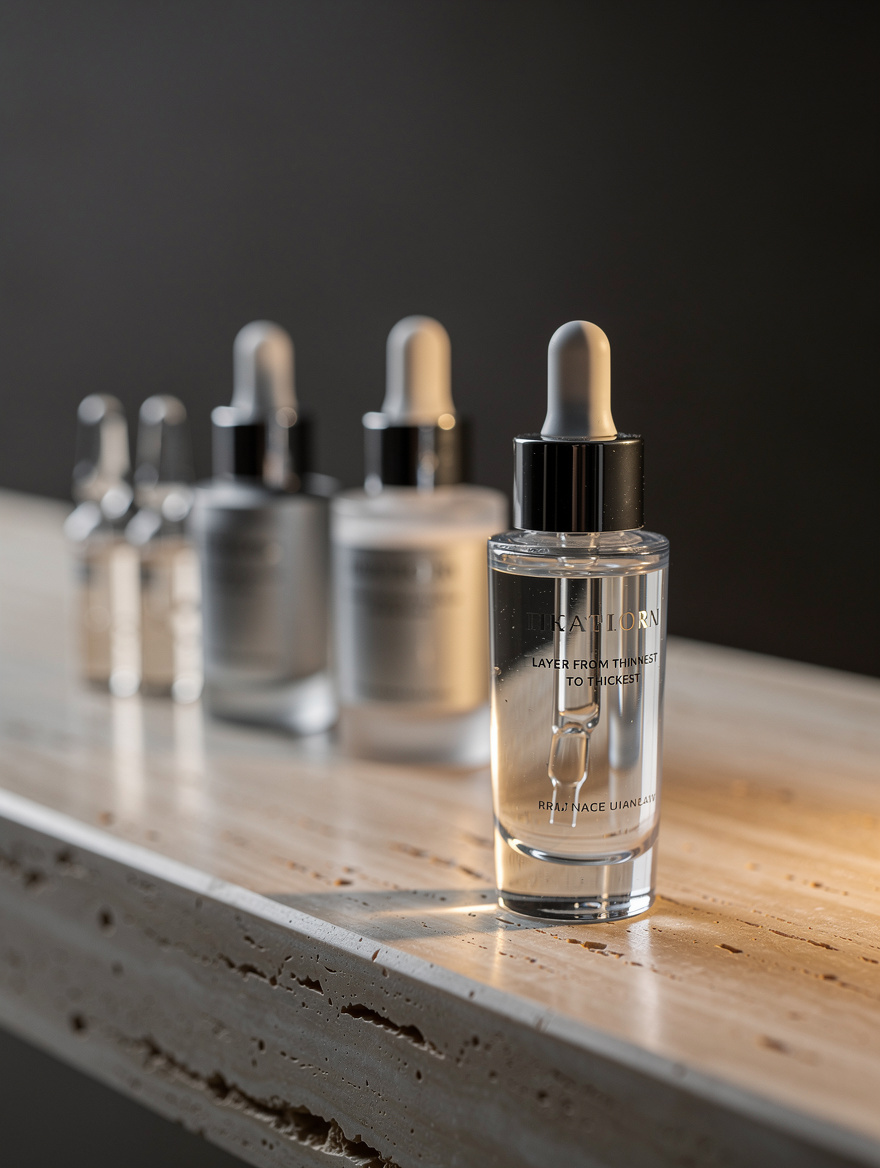
Apply a generous, even layer of broad-spectrum SPF 50 after moisturizer, never between serums. Sunscreen needs to form a continuous film, and layering another product over it can interfere with that coverage.
La Roche-Posay Anthelios is a widely available option for shoppers who prefer a dedicated facial sunscreen, while many women will do well with any comfortable SPF 30-plus formula they will actually wear daily. Reapply with meaningful sun exposure according to the package directions.
4. Reserve Retinoids for a Simple Night Routine
After cleansing, use a hydrating serum if wanted, then apply a pea-sized amount of retinol across the full face. Keep it away from eyelid creases, lip corners, and nostril folds, where irritation often shows up first.
Starting two nights a week is more realistic than pushing nightly use too fast. RoC Retinol Correxion products are familiar drugstore choices, but the best retinoid is one your skin tolerates without ongoing burning or peeling.
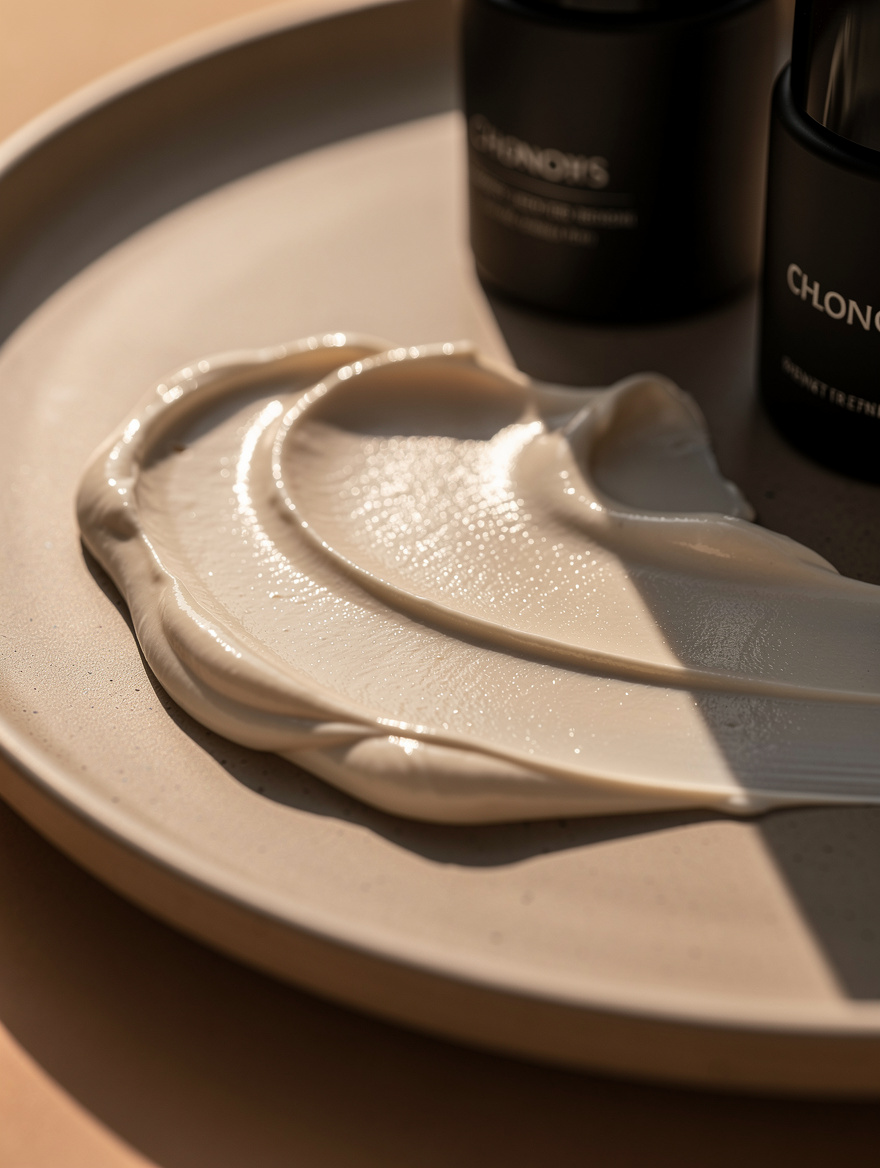
5. Use the Moisturizer Sandwich When Skin Pushes Back
For dry or reactive skin, apply moisturizer, then retinoid, then another light layer of moisturizer. This ceramide moisturizer sandwich may slightly slow penetration, but a comfortable routine is usually easier to maintain than an aggressive one.
CeraVe PM Facial Moisturizing Lotion is a practical option because it pairs barrier-supporting ceramides with niacinamide. A richer cream may feel better in colder, drier months or whenever skin feels persistently tight.
6. Keep Exfoliating Acids Off Retinoid Nights
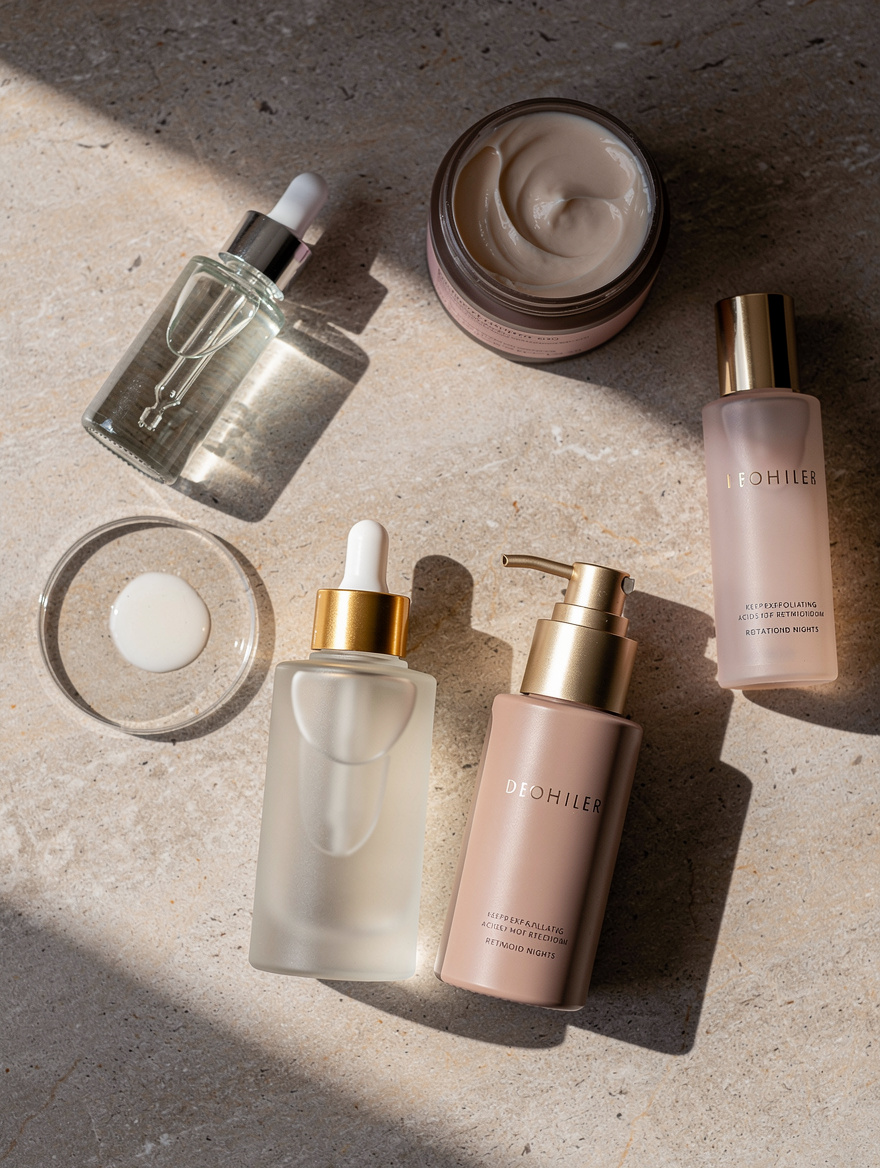
Skip glycolic, lactic, and salicylic acid products on the same evening as a new retinoid. Combining several strong actives is a common route to stinging, flaking, and a barrier that makes every product feel harsher.
On non-retinoid nights, a 5% niacinamide serum can be a useful low-drama layer before moisturizer; 10% is not automatically more effective and can sting some skin. If vitamin C or retinoids are difficult to tolerate, 10% azelaic acid is another over-the-counter option to discuss with a dermatologist.
Build the morning first: cleanser or rinse, one serum if you want it, moisturizer, and sunscreen. Add a tolerable retinoid on two evenings a week only after that foundation feels calm; see a dermatologist for anything that bleeds, changes shape, or does not heal.