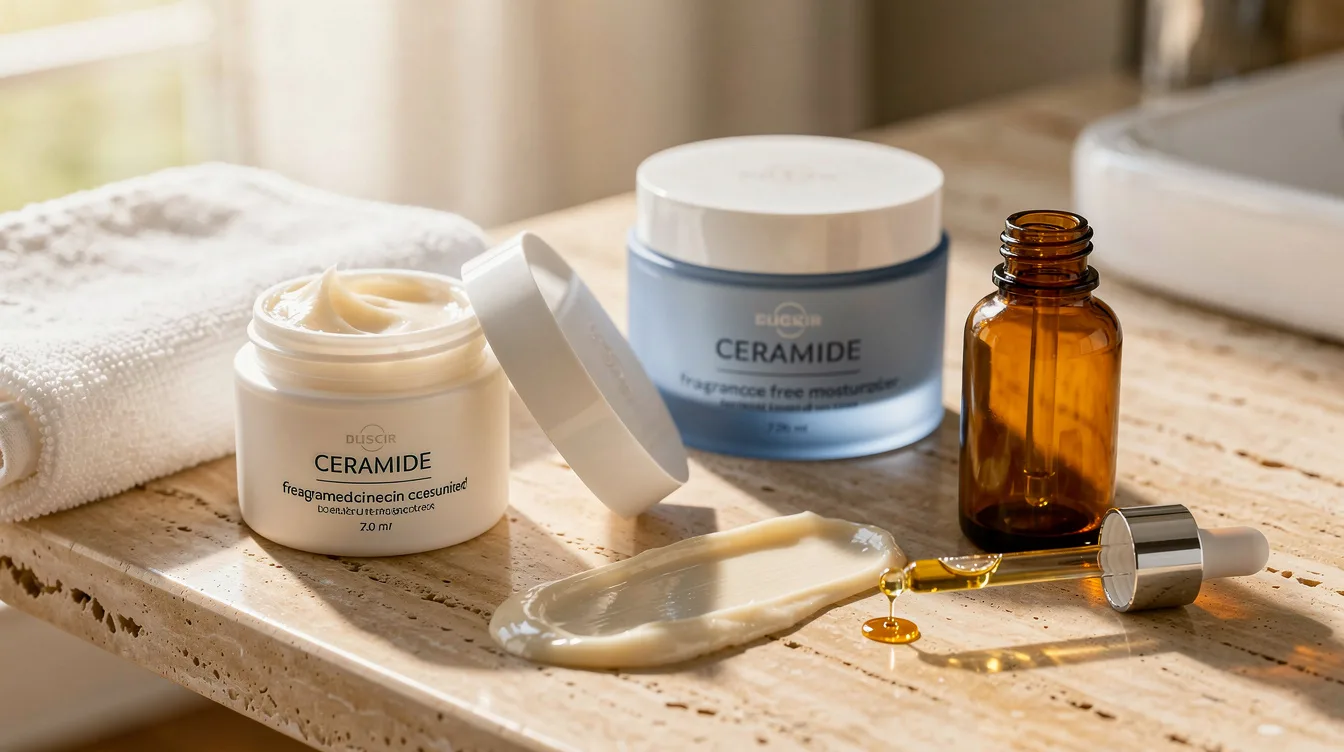
At the mirror, the frustrating shift is often familiar: a cleanser that once felt fine now leaves cheeks tight, and a favorite serum suddenly stings.
Our desk found that a fragrance-free cream, often around $22, made more practical sense than chasing dramatic claims on a jar.
Ceramides help support the skin barrier, which matters when lower estrogen is associated with drier, more reactive skin.
What you will find inside
- Start With the Barrier, Not the Wrinkle Claim
- Choose a Rich Cream Over a High Number
- Use the Full Lipid Mix as Your Clue
- Apply It While Skin Is Still Slightly Damp
- Buffer Stronger Actives Instead of Pushing Through Stinging
- Remove the Common Sources of Extra Irritation
Start With the Barrier, Not the Wrinkle Claim
Ceramides are wax-like lipids in the outer skin layer, where they work alongside cholesterol and fatty acids to help hold water in and limit exposure to irritants. They can support hydration, comfort, and rough texture, but they do not replace collagen or correct estrogen deficiency.
For menopause-era skin, that narrower job is still valuable. A cream that helps reduce dryness can make a routine feel more manageable, especially when skin has become less tolerant of cleansing or weather changes.
Choose a Rich Cream Over a High Number
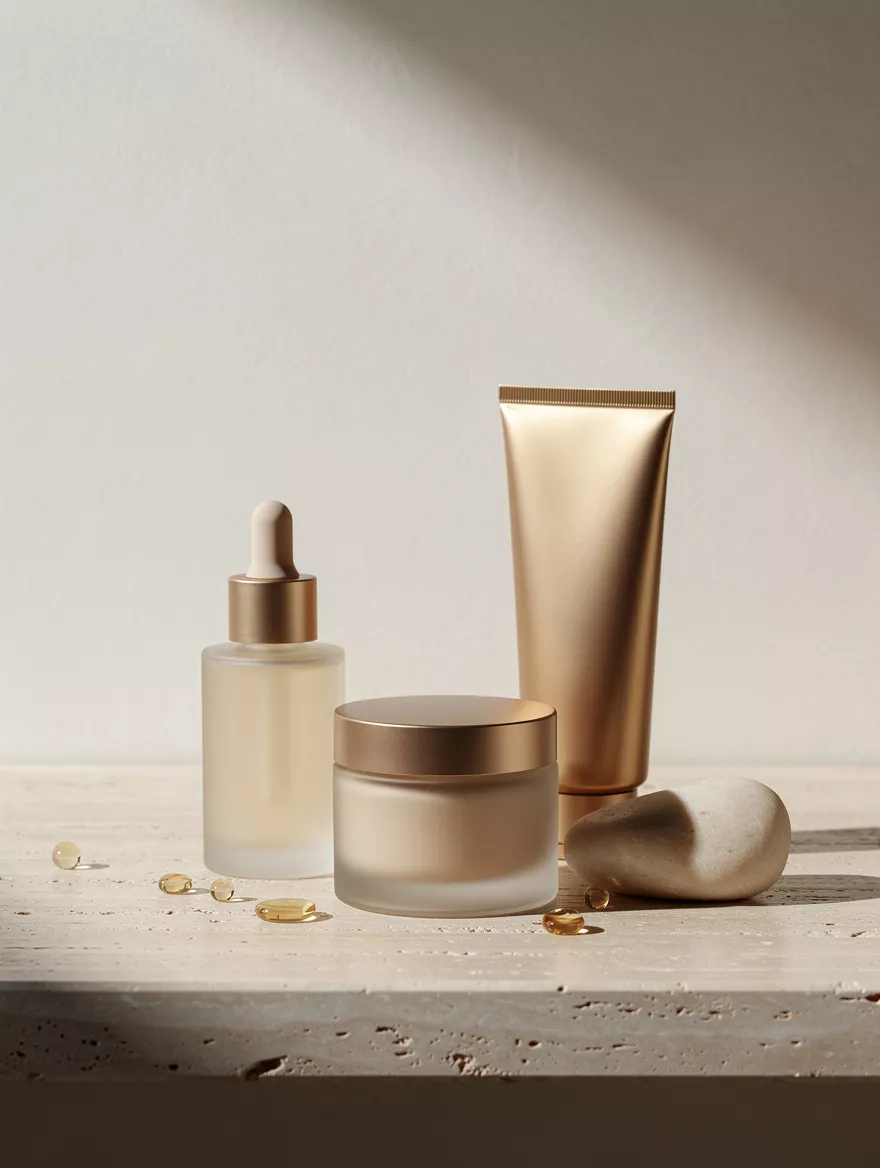
Most brands do not disclose a total ceramide percentage, so an ingredient list cannot tell us how much is present or how well the full formula performs. Our opinion: a comfortable, fragrance-free cream used consistently is a better bet than a label crowded with ceramide names.
CeraVe Skin Renewing Night Cream, typically about $21.99, combines ceramides NP, AP, and EOP with glycerin, hyaluronic acid, niacinamide, cholesterol, and peptides. Its fragrance-free, creamier format is a sensible starting point for dry or sting-prone skin.
Use the Full Lipid Mix as Your Clue
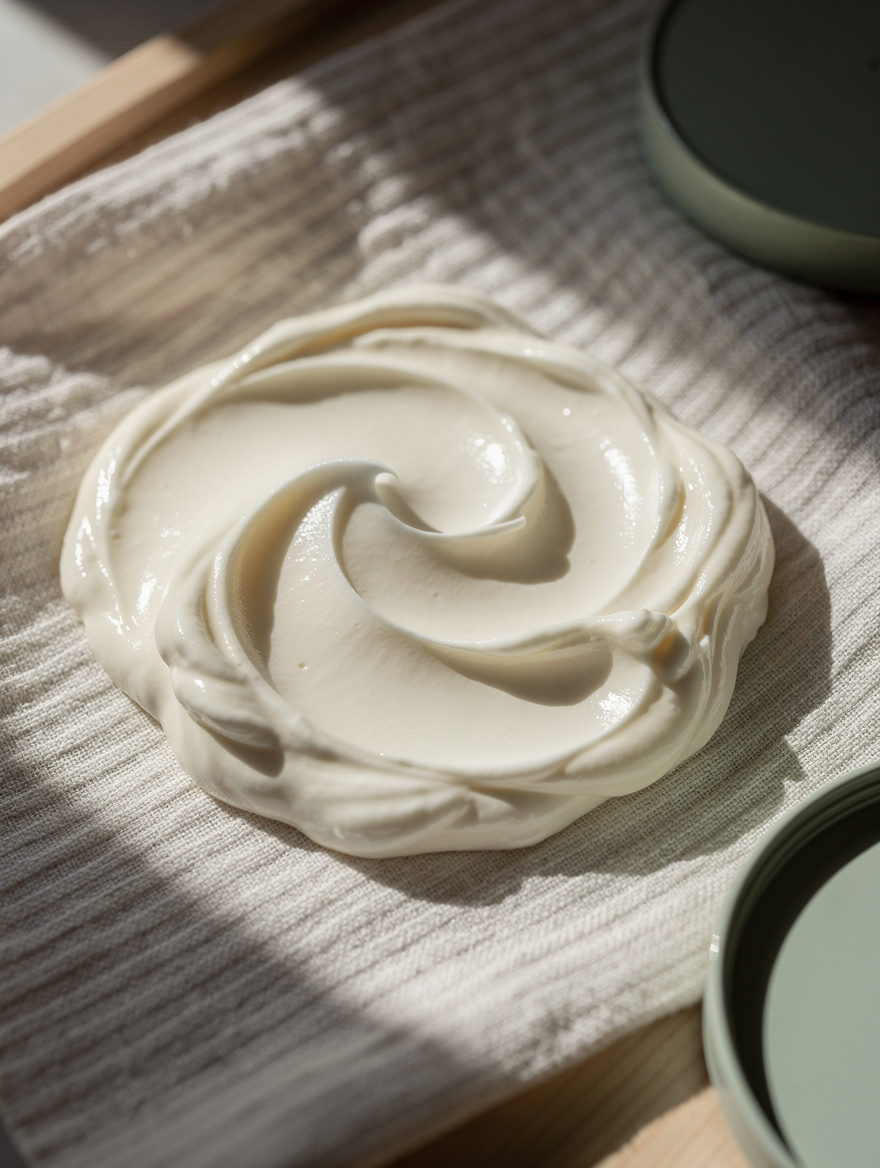
Skin’s barrier relies on more than one lipid, so ceramides work best in the context of cholesterol and fatty acids. This is why a formula’s texture and overall ingredient mix usually matter more than a single hero ingredient.
SkinCeuticals Triple Lipid Restore 2:4:2, generally listed around $155 for 48 mL, discloses 2% ceramides 1 and 3, 4% cholesterol, and 2% fatty acids. That transparency is unusual, though its lavender, rosemary, and peppermint oils make it a poor first pick for reactive, rosacea-prone, or easily stinging skin.
Apply It While Skin Is Still Slightly Damp
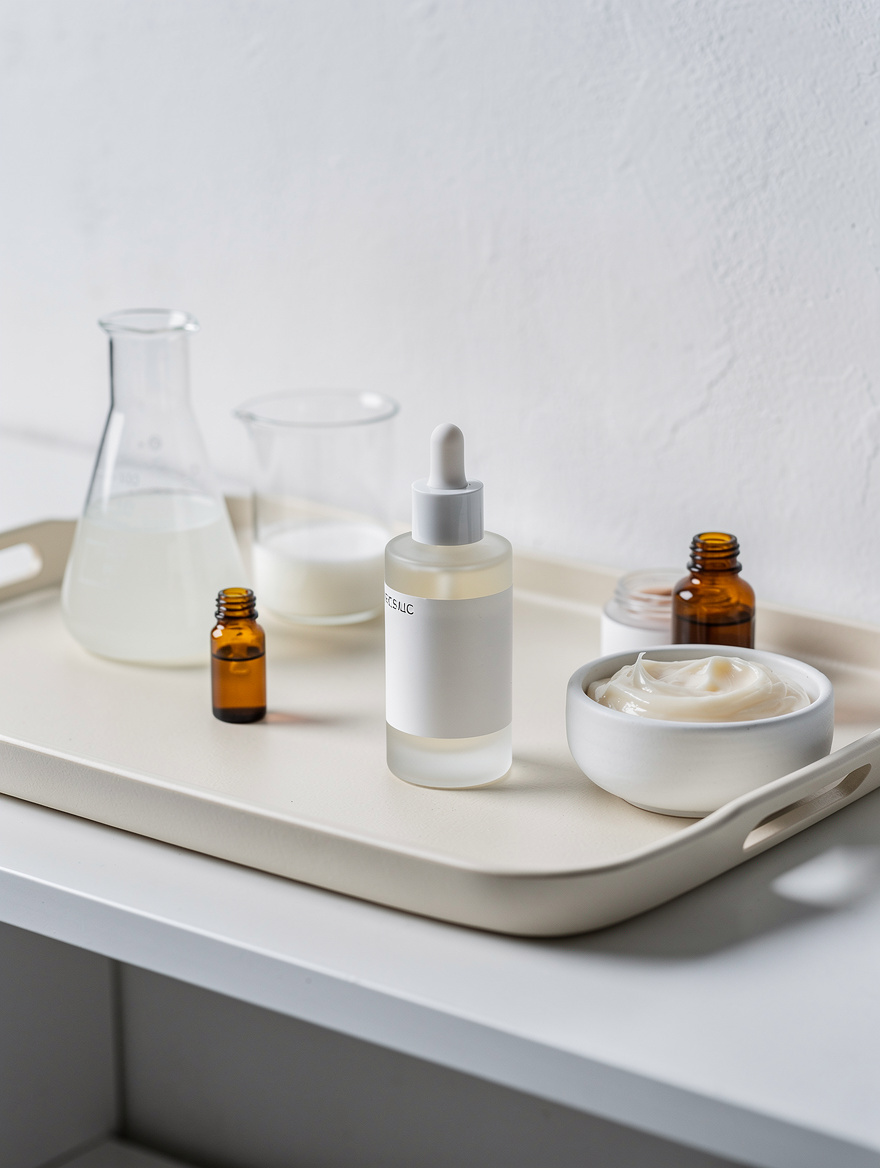
After a gentle cleanse, press a ceramide cream onto slightly damp skin to help seal in the water already at the surface. A modest amount morning and night is usually more useful than saving a rich cream for an occasional dry-skin emergency.
La Roche-Posay Toleriane Double Repair Face Moisturizer is a widely available fragrance-free option with ceramide-3, glycerin, and niacinamide. We like this sort of straightforward formula when skin wants hydration without a long lineup of active ingredients.
Buffer Stronger Actives Instead of Pushing Through Stinging
A supported barrier may make retinoids and exfoliating acids easier to tolerate, but a ceramide cream does not make irritation irrelevant. Reduce frequency or pause an active if burning, persistent redness, or peeling develops, then return cautiously only when skin feels settled.
Paula’s Choice Clinical Ceramide-Enriched Firming Moisturizer, often around $63, includes five ceramides plus retinol and vitamin C derivatives. It may suit an established active-user routine, but it is not our first recommendation when the barrier already feels compromised.
Remove the Common Sources of Extra Irritation
When skin is dry or irritated, dermatologists commonly favor thicker fragrance-free creams and suggest avoiding fragrance, drying alcohols, and alpha hydroxy acids until comfort returns. The goal is not a complicated reset, just fewer potential irritants competing with a weakened barrier.
Vanicream Moisturizing Cream is worth considering for a pared-back, fragrance-free option, even though ceramides are not its centerpiece. A product that gets used every day without stinging can be more useful than a sophisticated formula that stays on the shelf.
Start by replacing the moisturizer that stings with a fragrance-free ceramide cream, then keep the rest of the routine quiet for two weeks.
Any spot that bleeds, changes shape, or does not heal deserves evaluation by a dermatologist rather than more barrier products.