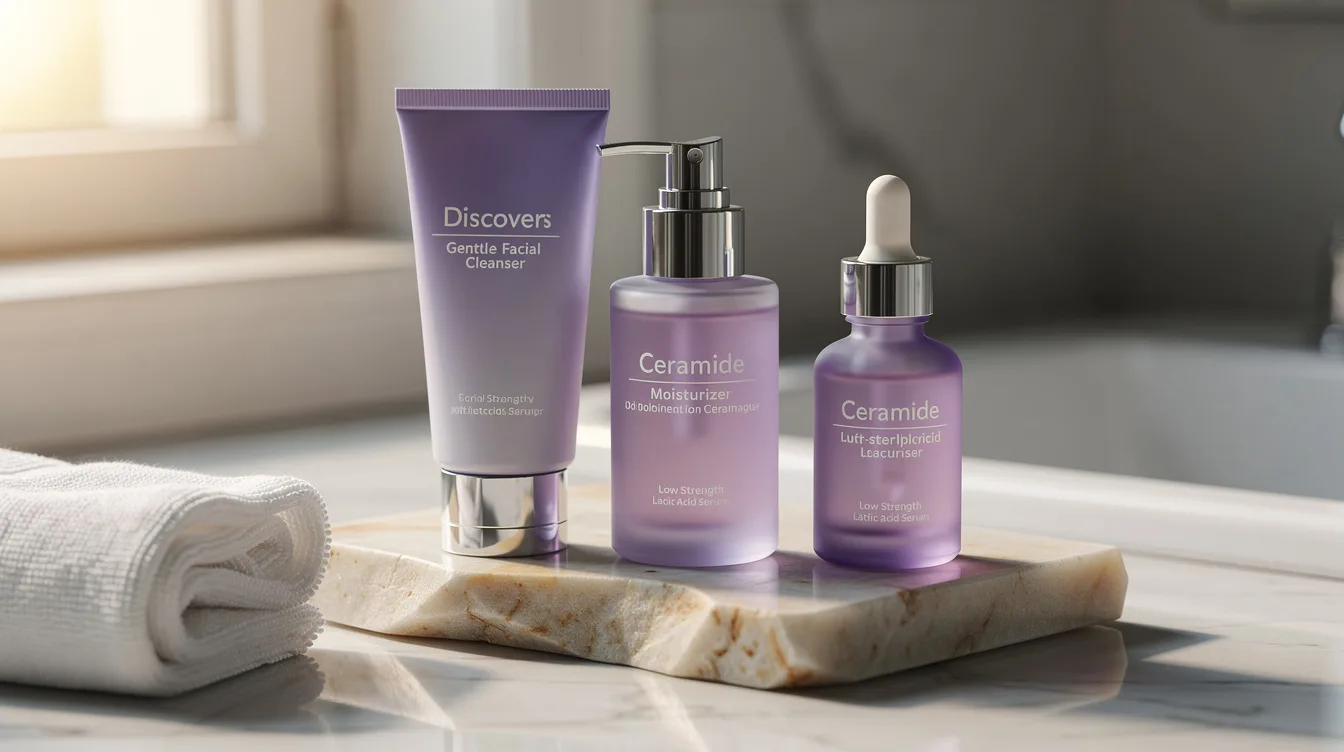
The rough patch beside the nose can make a scrub feel like the obvious fix, until the rinse leaves skin hot, tight, and oddly more textured. A typical 0.3% retinol routine can already make exfoliation tolerance less predictable, so adding friction deserves more thought than a quick sink-side polish.
Dermatologists don’t treat every scrub as forbidden after 50. Their concern is repeated or coarse friction on skin that may have less oil, a thinner barrier, and a slower recovery time.
What you will find inside
- Stop Treating Every Flake With Friction
- Retire Rough Grains and Hard Pressure
- Use a Gentle Chemical Option Sparingly
- Keep Retinoid Nights Separate
- Make a Scrub the Rare Exception
- Watch for Delayed Irritation Before Increasing
Stop Treating Every Flake With Friction
Flaking can signal dryness, irritation, or a routine that is simply doing too much, and a scrub can make each of those look worse. We’d reach first for a fragrance-free moisturizer with ceramides, which supports the surface comfort skin needs before any exfoliation enters the picture.
Older skin is often more easily disrupted and slower to recover after barrier stress, particularly with accumulated sun exposure. When skin stings after plain water or moisturizer, skip the exfoliation entirely until it feels settled.
Retire Rough Grains and Hard Pressure
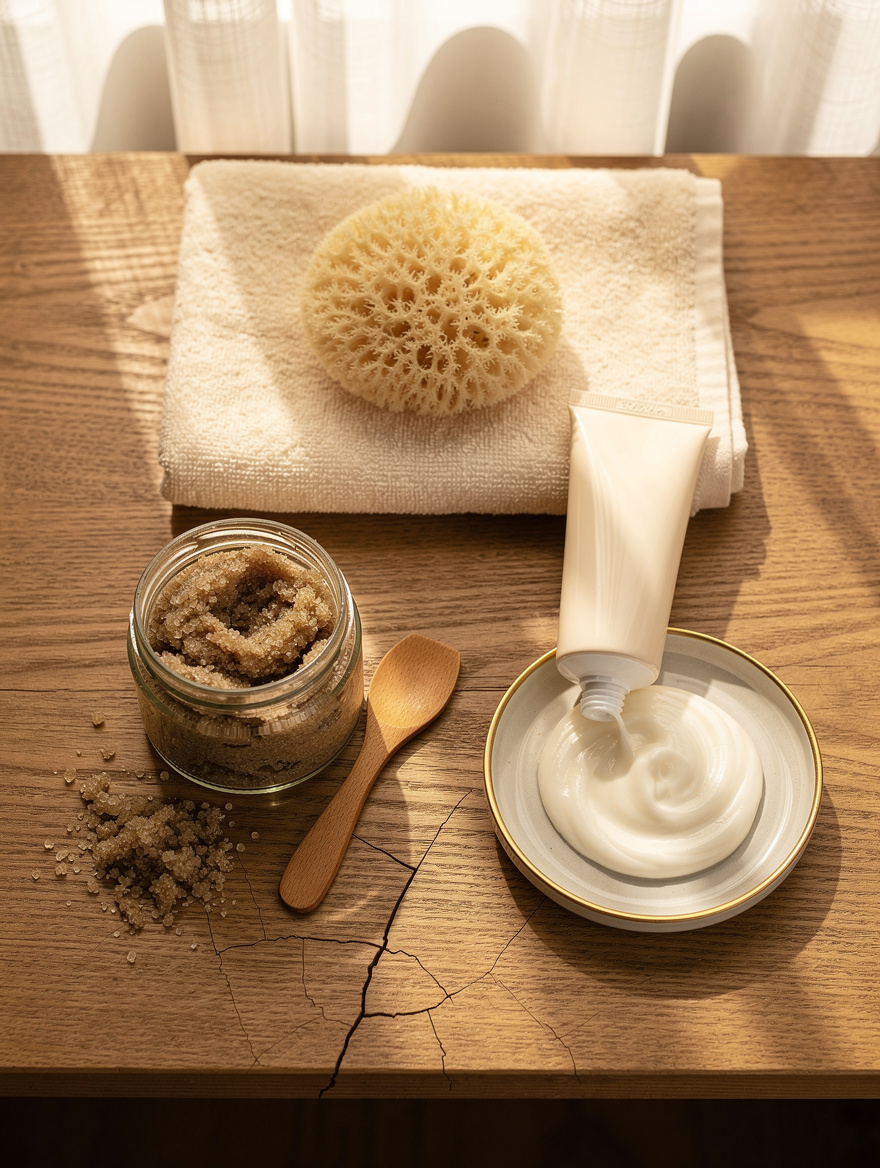
A scrub works through physical contact from grains, powders, brushes, pads, or sponges, and particle shape plus pressure matter. Rough, irregular particles and vigorous rubbing raise the chance of redness, burning, scaling, and persistent sensitivity.
The popular phrase “microtears” is not a precise clinical diagnosis, but friction-induced irritation is a real practical concern. A polished face is never worth a week of tender, reactive skin.
Use a Gentle Chemical Option Sparingly
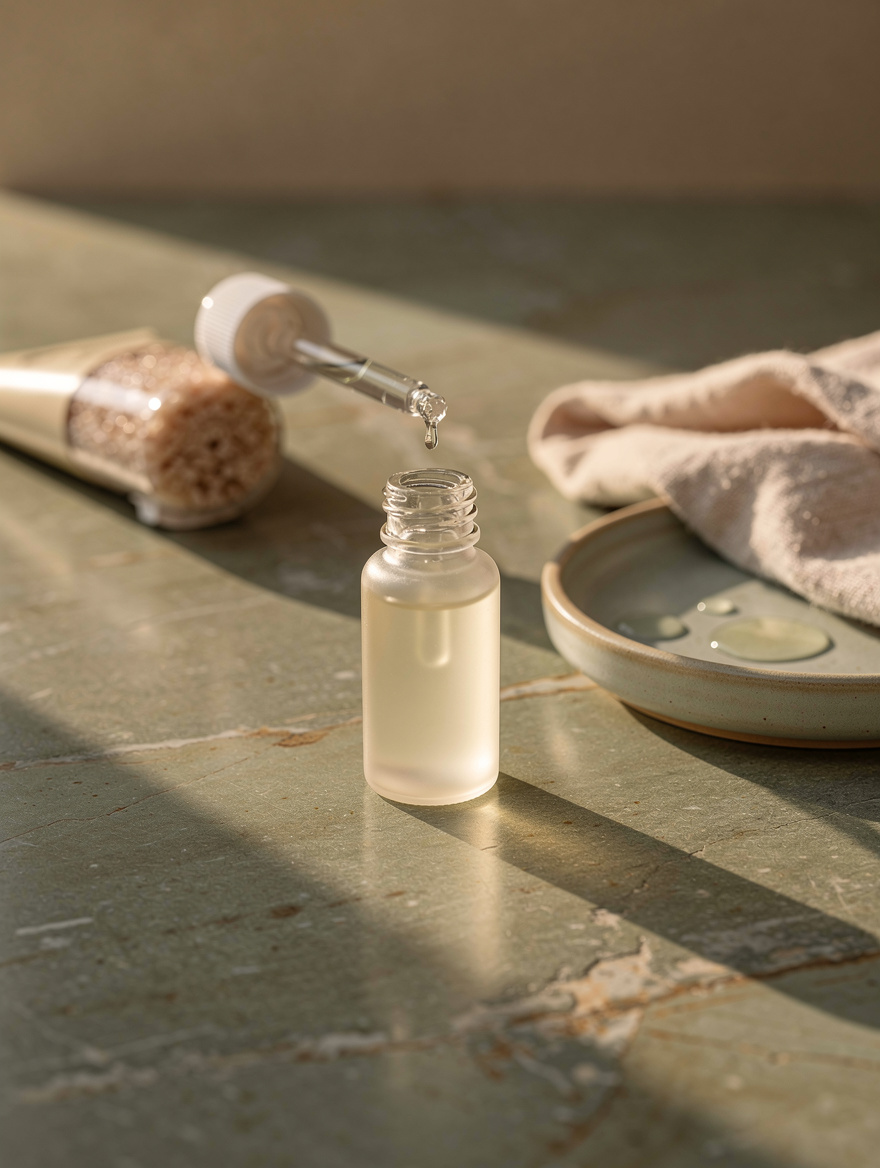
For skin that is calm and truly wants exfoliation, a low-strength chemical option is often the lower-risk starting point. The Ordinary Lactic Acid 5% + HA is one accessible example, and we like lactic acid as a more measured first conversation than an aggressive scrub.
Apply one exfoliant to completely dry skin at night, once a week for roughly three to four weeks. Chemical exfoliants still have limits: higher-strength or too-frequent acids can cause burning, dermatitis, pigment concerns, and barrier irritation.
Keep Retinoid Nights Separate
Do not stack an acid or scrub with a retinoid, prescription tretinoin, benzoyl peroxide, another acid, or freshly waxed and shaved areas on the same evening. Combining irritants can turn an otherwise tolerable routine into one that leaves skin uncomfortable.
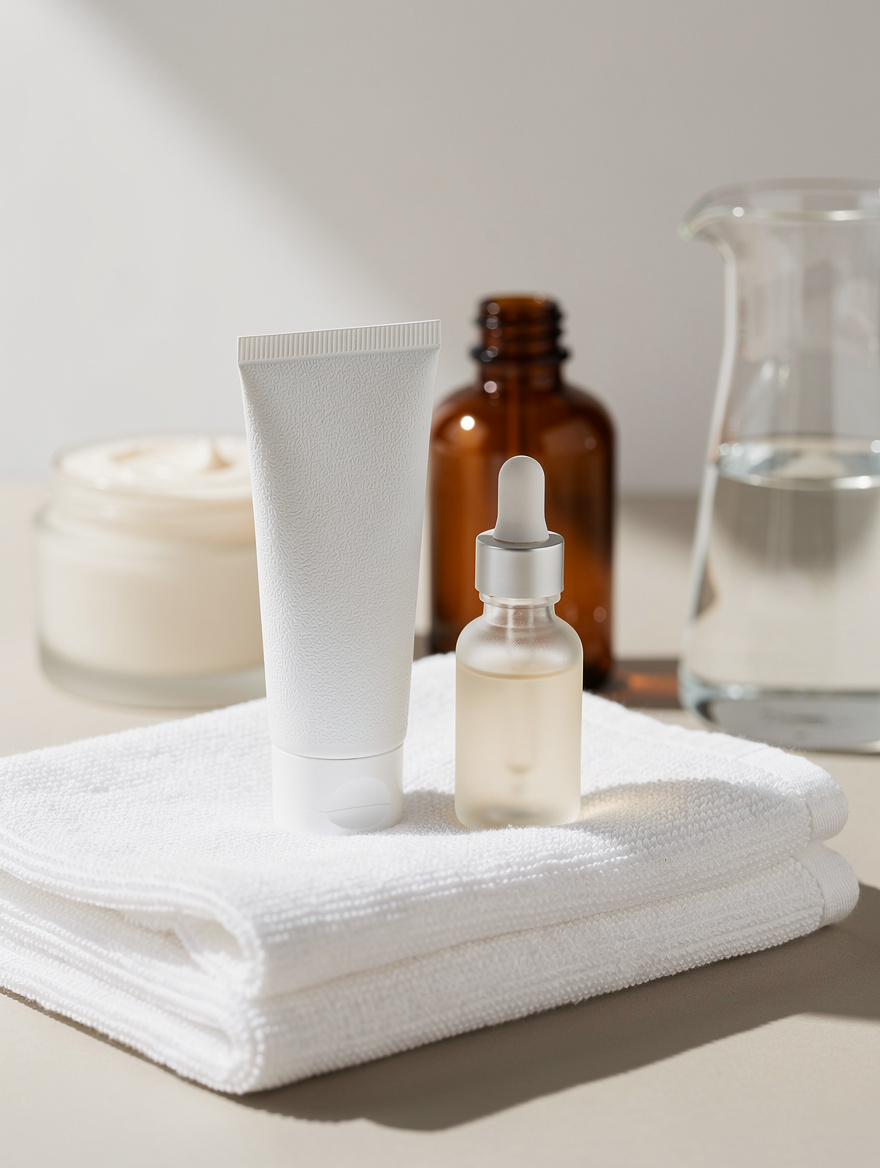
On the recovery night, use a simple layer such as CeraVe PM Facial Moisturizing Lotion, typically about $16, then leave the rest of the routine boring. Plain moisture is a sound editorial choice when skin has had enough stimulation.
Make a Scrub the Rare Exception
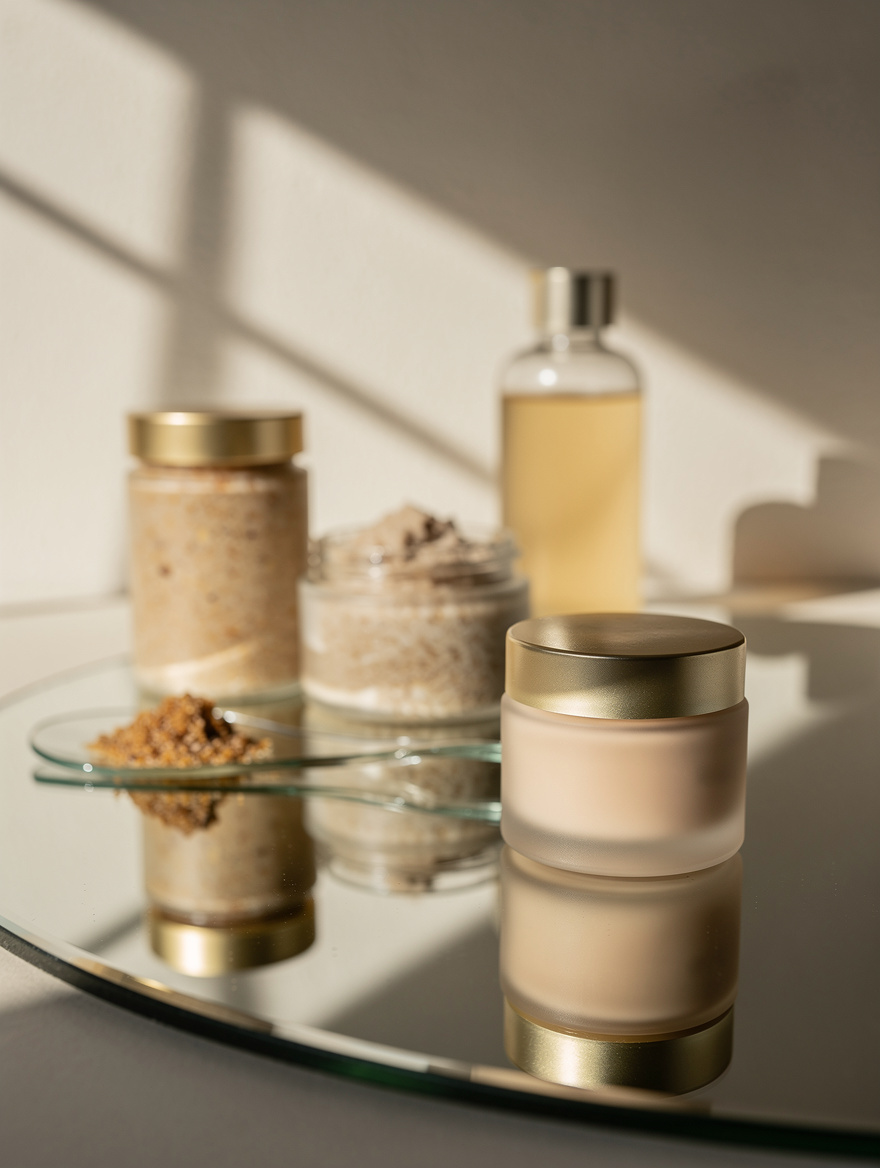
Resilient, non-sensitive skin may tolerate a very fine-particle scrub used lightly and infrequently, but it usually isn’t our first recommendation after 50. If you choose one, use small circular motions for about 30 seconds, rinse with lukewarm water, and moisturize immediately.
Dermalogica Daily Microfoliant is a powder exfoliant that may appeal to someone who prefers a physical format, yet “daily” on the label does not mean every mature complexion needs daily use. Start far less often and let your own skin, rather than marketing, set the pace.
Watch for Delayed Irritation Before Increasing
Check skin the next morning and again over the following days for delayed stinging, scaling, unusual tightness, or redness that lingers. Those signs mean the frequency is too ambitious, and the right response is to pause rather than scrub away the evidence.
During the day, use broad-spectrum SPF 30 or higher, because freshly exfoliated skin can be less forgiving of sun exposure. See a dermatologist for a spot that bleeds, changes shape, or does not heal, and for irritation that persists despite simplifying the routine.
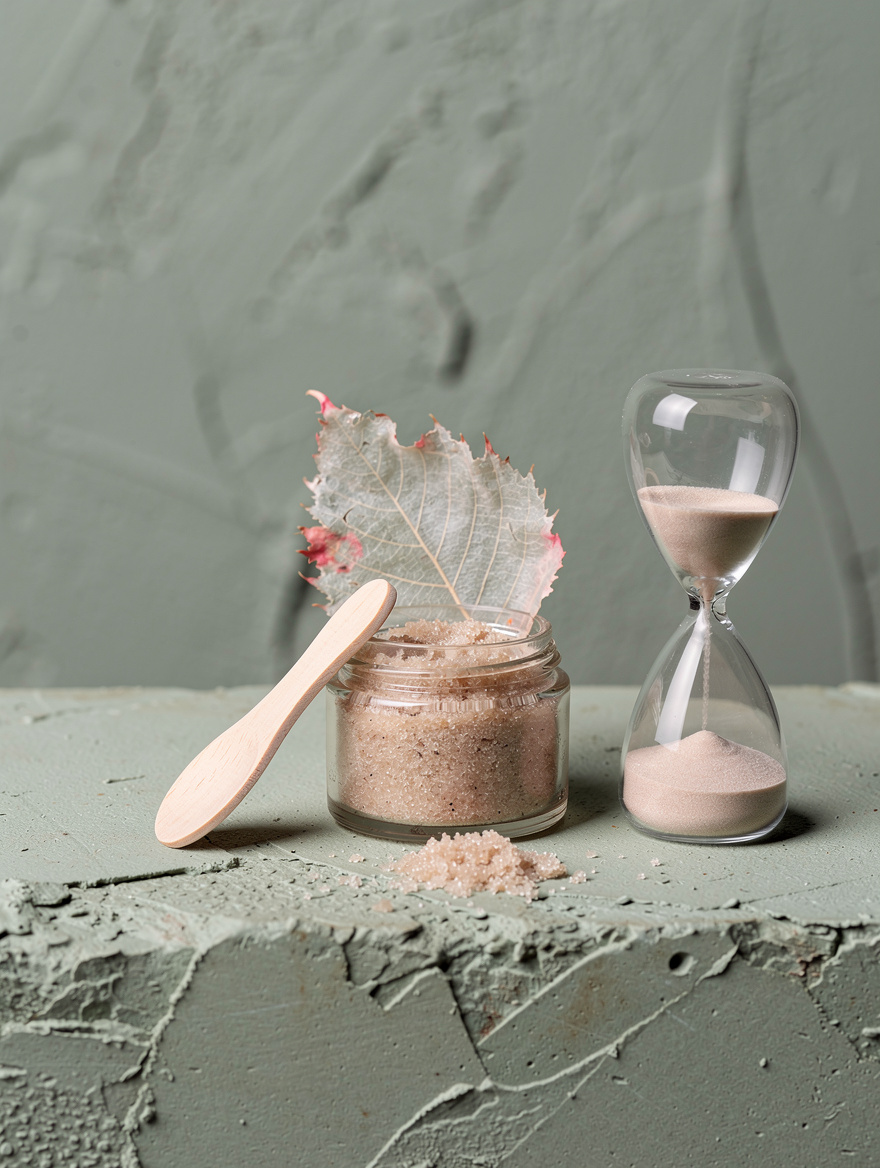
Start by removing the roughest scrub from the bathroom and spend the next few weeks on moisturizer and sunscreen. If skin stays comfortable and you still want smoother-looking texture, add one low-strength exfoliant once weekly, never a whole pile of actives at once.