The clue often appears before breakfast: shins feel tight under pants, or a favorite body lotion stings after a shower. For skin over 50, a shower that runs longer than the dermatologist-recommended 5 to 10 minutes can leave an already less-oily barrier feeling stripped.
The usual culprit is a long, hot, fully soaped shower, followed by vigorous towel drying and a delayed lotion step. Lower estrogen can contribute to dryness and slower barrier recovery, so this routine has less room for error than it once did.
What you will find inside
- 1. Turn Down the Water Temperature
- 2. Cleanse Only the Areas That Need It
- 3. Retire the Scrub Tools for Now
- 4. Pat Skin Dry and Moisturize While Damp
- 5. Match the Formula to the Dryness
1. Turn Down the Water Temperature
Keep water comfortably warm, not hot enough to fill the bathroom with steam or leave skin pink. Hot water can rinse away surface lipids that help the outer layer hold moisture, and that matters when mature skin already produces less oil.
Set a loose timer if a shower tends to become a daily retreat: 10 minutes is plenty for most routines. A shorter warm shower may sound unglamorous, but it is one of the most practical changes dermatologists recommend for dry menopausal skin.
Save an occasionally warmer shower for when it genuinely feels good, then make it brief and moisturize promptly afterward. Persistent itch, cracking, or a rash deserves a dermatologist’s input rather than increasingly hotter water.
2. Cleanse Only the Areas That Need It
Use cleanser daily on underarms, groin, feet, hands, and skin folds, then let plain water handle arms, legs, abdomen, and back on low-sweat days. Full-body lathering feels thorough, yet it can create the squeaky, tight finish dry skin does not need.
A mild, fragrance-free wash such as CeraVe Hydrating Body Wash, typically around $14 at major US retailers, is a sensible choice for regular use. Its creamy format is more aligned with dry skin than a strongly scented gel or traditional alkaline bar soap.
Skip deodorant soaps, fragranced scrubs, and heavily perfumed body washes while dryness is active. A cleanser should leave skin comfortable after rinsing, not make moisturizer feel urgently necessary.
3. Retire the Scrub Tools for Now
Loofahs, mesh poufs, dry brushes, exfoliating gloves, and grainy scrubs can add friction to skin that is already flaky or itchy. Use clean hands and a soft washcloth only where needed, with light pressure.
Physical exfoliation can make rough-looking texture more noticeable when the issue is dehydration rather than a buildup of dead cells. We would pause the Tree Hut Shea Sugar Scrub and similar body scrubs until skin feels consistently comfortable again.
If rough bumps or scaling remain after a gentler routine, a dermatologist can help sort out dryness from eczema, psoriasis, or another skin condition. Anything that bleeds, changes shape, or does not heal should also be checked.
4. Pat Skin Dry and Moisturize While Damp
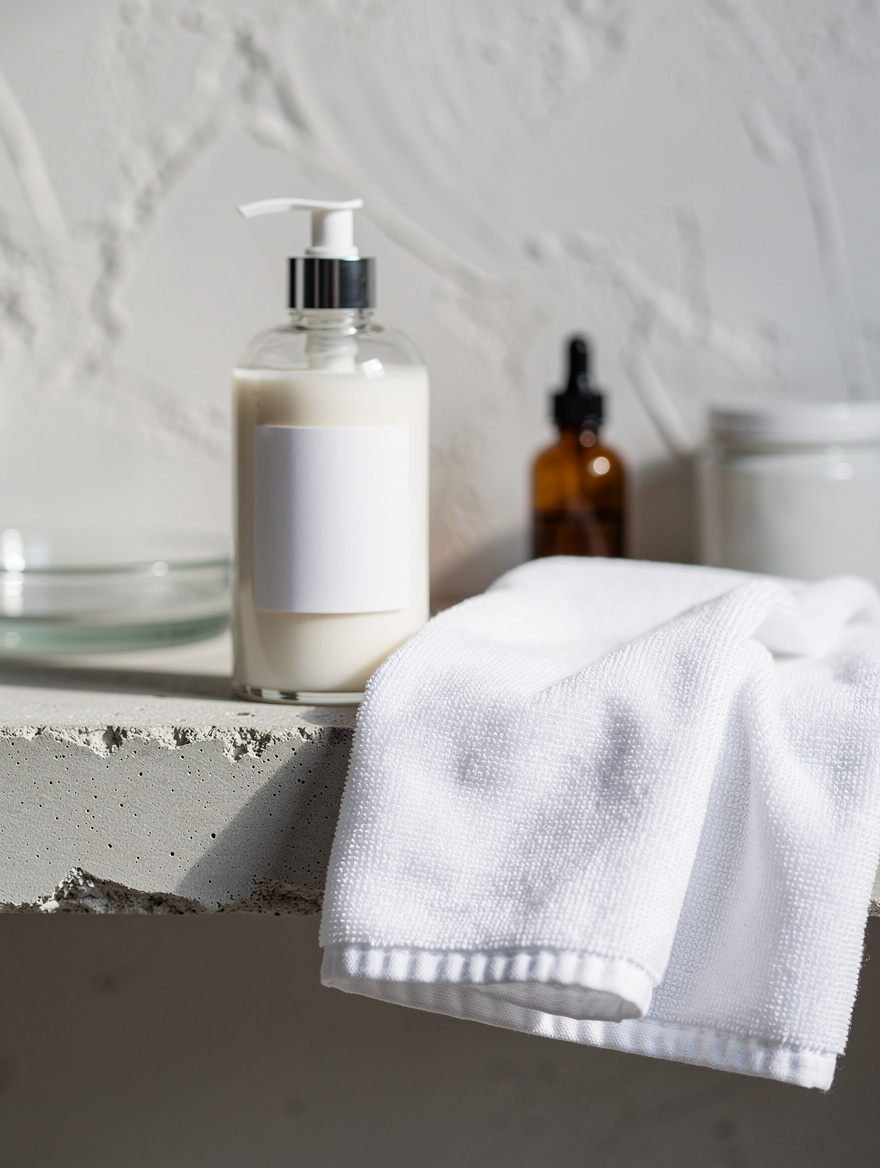
After stepping out, pat with a soft towel until skin is damp rather than rubbing until it is completely dry. That small amount of water on the surface gives a moisturizer something to help seal in.
Apply a fragrance-free cream within a few minutes, starting with shins, forearms, hands, and chest if those are your dry zones. CeraVe Moisturizing Cream, often about $16 for a tub, combines ceramides and hyaluronic acid in a dependable, no-frills formula.
For very dry legs, hands, elbows, or feet, use a thin layer of Vaseline Original Healing Jelly over cream at night. Petrolatum is greasy by design, yet it is a reliable occlusive ingredient for slowing water loss from the outer skin layer.
5. Match the Formula to the Dryness
Lotions can be pleasant in humid weather, but creams and ointments usually make more sense when mature skin feels persistently tight or flaky. Look for glycerin, ceramides, petrolatum, dimethicone, or colloidal oatmeal rather than chasing vague anti-aging claims on body care labels.
For rough, dry areas without open or irritated skin, a urea cream can be useful. Eucerin Advanced Repair Cream, typically around $15, includes urea and moisturizing ingredients that can help soften dry-feeling texture, though it may sting on cracked skin.
Keep fragrance out of the equation while rebuilding comfort, including in body oils and heavily scented lotions. A product that is formulated for sensitive skin is usually a better bet than a luxurious scent that makes dryness harder to read.
Give the revised routine a couple of weeks of consistency before adding acids, retinol body products, or frequent exfoliation. If moisturizer burns, itching disrupts sleep, or the skin is fissured, a dermatologist can suggest appropriate treatment, including prescriptions when needed.
Start with the order that costs nothing: shorten the water time, cleanse selectively, pat dry, then apply a fragrance-free cream before getting dressed. That sequence is far more likely to support dry mature skin than another scented shower product.