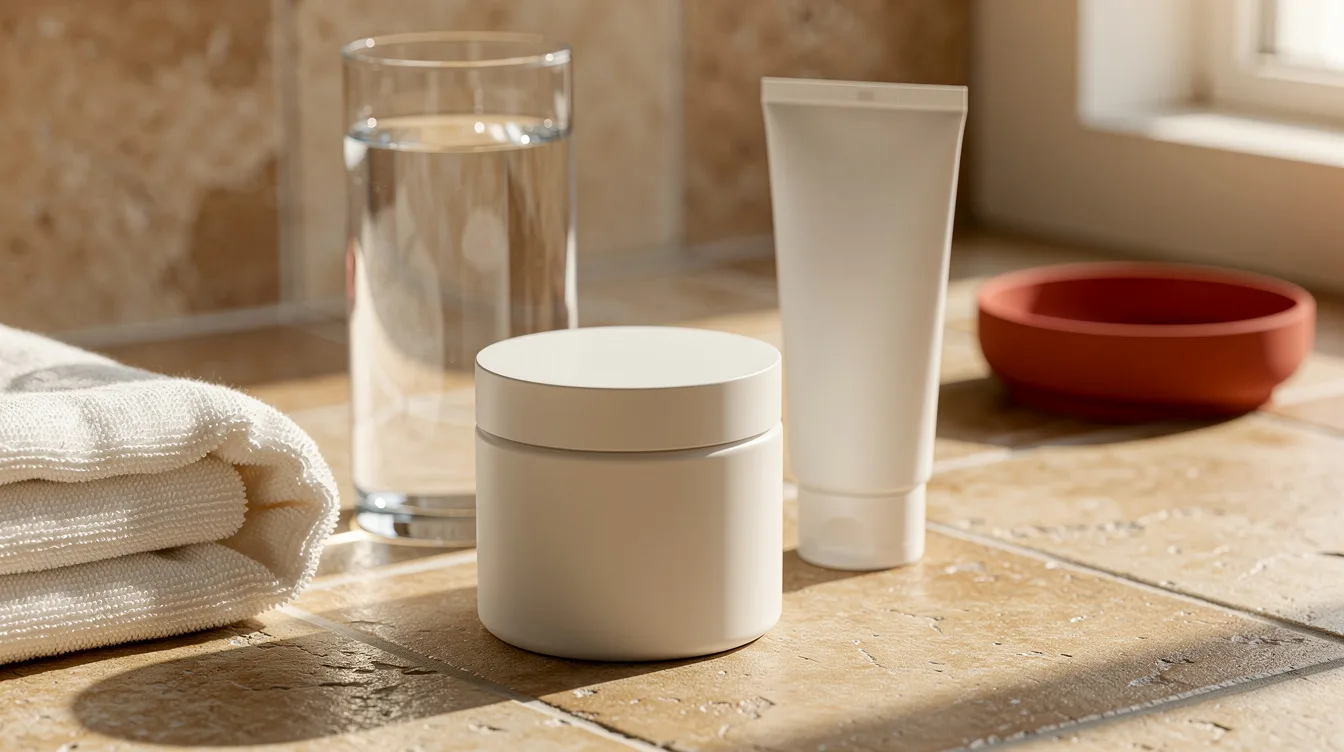
The towel is barely off, yet the skin on the shins, arms, and chest already feels like shrink-wrap. That uncomfortable pull is common after menopause, when lower estrogen can mean less surface oil and weaker water retention, and a rich body cream often costs about $16, far less than a cabinet full of serums.
Tight skin usually signals dryness and a stressed barrier, not newly firm skin. Heat, dry indoor air, fragranced wash, and enthusiastic exfoliation can make that sensation louder by bedtime.
What you will find inside
- Switch From Soap to a Mild Body Cleanser
- Apply Cream While Skin Is Still Damp
- Seal the Most Stubborn Areas at Night
- Use Urea for Rough, Tight Texture
- Add Lactic Acid Slowly, Not Daily
- Protect Exposed Skin Every Day
Switch From Soap to a Mild Body Cleanser
Use a mild, fragrance-free cleanser on the areas that need washing, rather than scrubbing every inch with deodorant soap. CeraVe Hydrating Body Wash is a sensible drugstore pick because it cleans without leaving the skin feeling squeaky, which is often a warning that the wash was too stripping.
Keep showers warm rather than hot and brief enough that fingertips do not wrinkle for ages. A hot shower can feel soothing in the moment, but it can also wash away the lipids that help menopausal skin stay flexible.
Apply Cream While Skin Is Still Damp
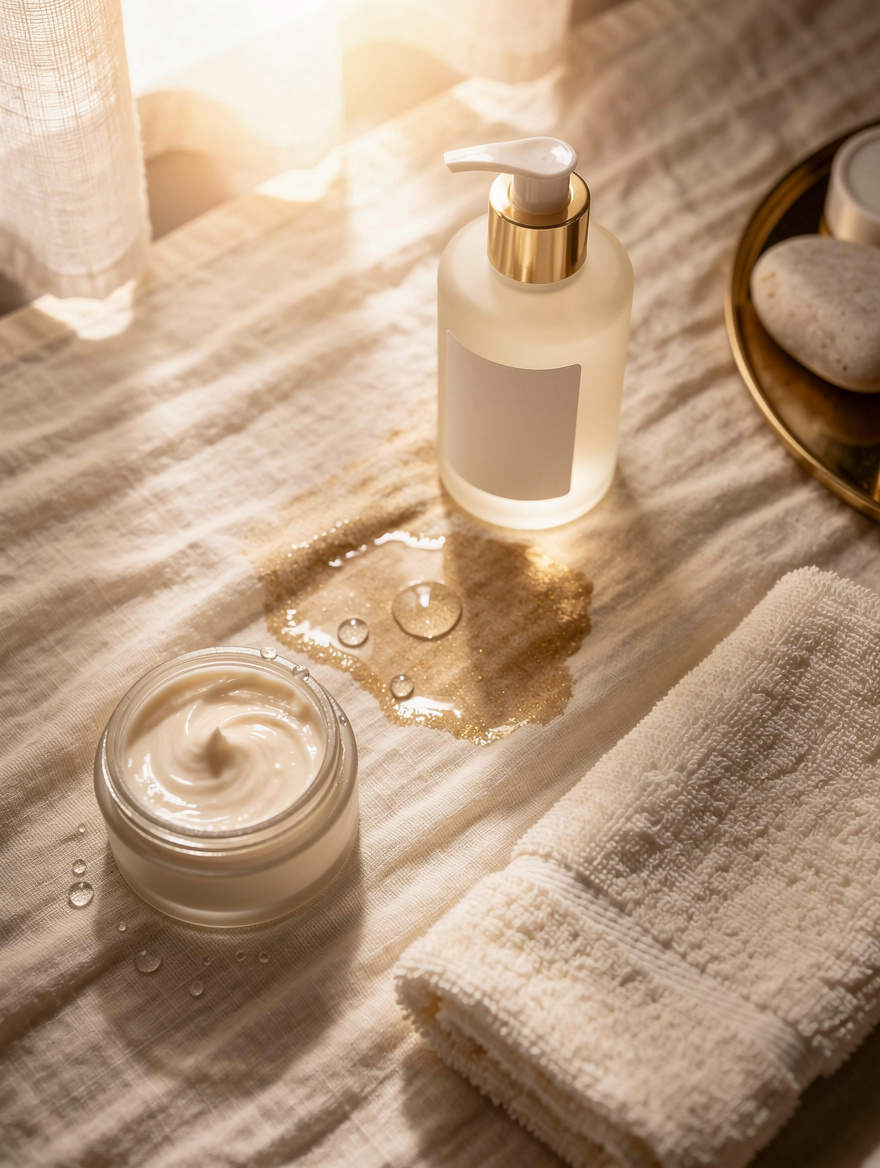
Pat off drips, then spread a cream over damp skin within roughly three minutes of bathing. Glycerin draws water into the outer skin layer, while a cream helps keep that water from evaporating before you get dressed.
We favor a cream over a thin lotion when the shins or forearms feel papery. Vanicream Moisturizing Cream, typically around $14, has a plain, practical formula that makes sense for sensitive body skin.
Seal the Most Stubborn Areas at Night
For calves, elbows, hands, or the chest that still feel pulled after cream, add a small layer of an occlusive product at night. Petrolatum is unfashionable but effective at reducing water loss from the skin surface, especially during dry-air months.
Aquaphor Healing Ointment works well as a spot treatment, not necessarily as an all-over daytime body product. Apply it over moisturizer on intact skin, and skip it if a rash is actively weeping or infected-looking.
Use Urea for Rough, Tight Texture
When tightness comes with rough scale or an ashy look, a body formula with urea 5% to 10% can hydrate and soften the outer layer. This is a more useful first move than chasing an expensive collagen lotion, since collagen applied on top of skin does not rebuild the deeper supportive layer.
Eucerin Advanced Repair Lotion is widely available and typically around $12, with urea and humectants in a body-friendly texture. Start once daily and avoid freshly shaved, cracked, or stinging areas until the barrier feels calmer.
Add Lactic Acid Slowly, Not Daily
Flaky legs can benefit from lactic acid 5% to 12%, which helps hold water while gently loosening built-up surface cells. It can be useful, but it is not a mandatory menopause step, and overuse can turn a dry-skin problem into a burning-skin problem.
Try AmLactin Daily Moisturizing Lotion two or three evenings a week at first, then use plain cream on the other nights. We would not layer it with a scrub, dry brush, or strong retinoid body treatment on the same area.
Protect Exposed Skin Every Day
Chest, forearms, and hands need broad-spectrum SPF 30+ when they are exposed, because ultraviolet exposure can add to collagen breakdown and uneven texture. La Roche-Posay Anthelios Melt-In Milk Sunscreen SPF 60 is a dependable option for body areas that tolerate sunscreen well.
Sun protection will not erase the tight feeling overnight, but it supports the skin you are trying to keep comfortable. Reapply for sustained time outdoors, especially after sweating or toweling off.
Start with the least glamorous order: shorter warm showers, fragrance-free cream on damp skin, then a urea product only where roughness persists. See a dermatologist for skin that bleeds, changes shape, will not heal, or comes with a persistent rash, swelling, bruising, or severe itch.