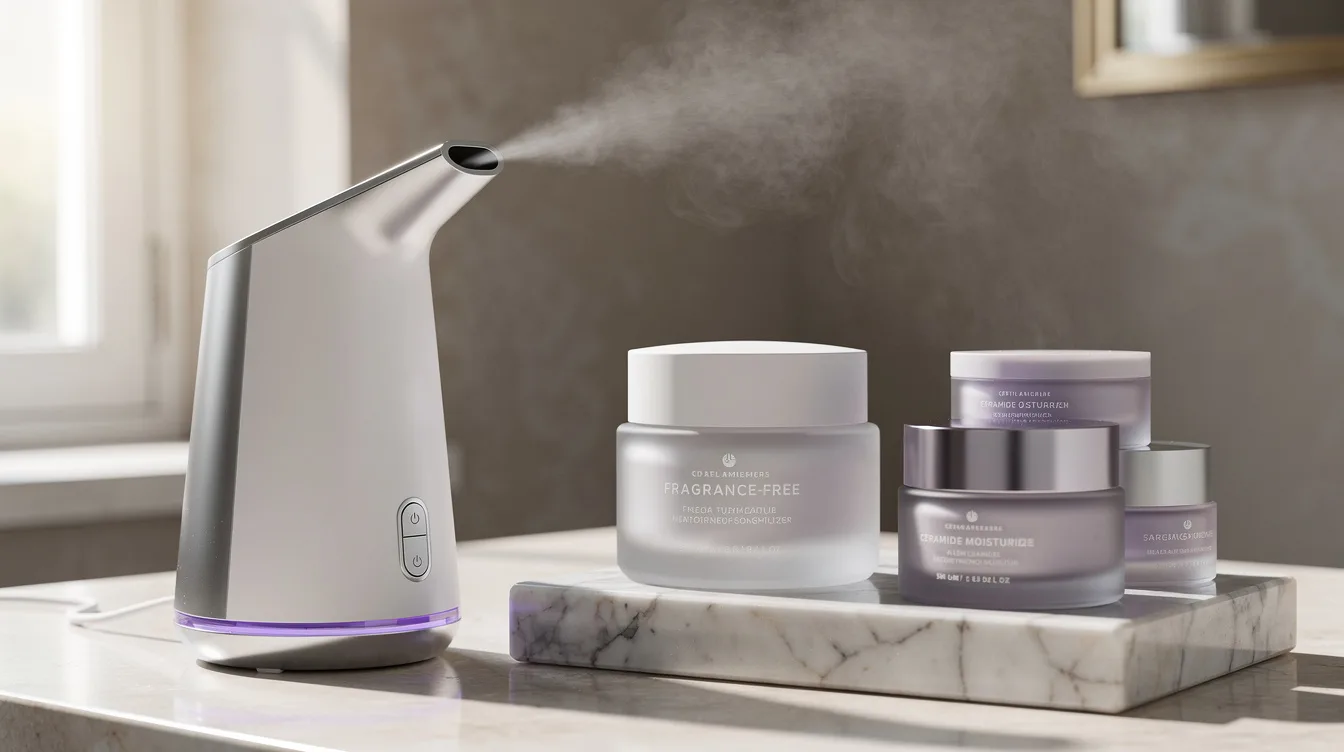
The mirror can be misleading after a warm facial steam: skin looks briefly dewy, then feels tight by lunch. For dry mature skin, especially when a typical 0.3% retinol is already part of the routine, that rebound discomfort is worth taking seriously.
Our view is blunt: a steamer is an optional comfort ritual, not a treatment for menopause-related dryness, lines, or pores. Barrier support earns the counter space first.
What you will find inside
- Skip Steam When Your Skin Is Already Flushed
- Treat a Steamer as an Occasional Comfort Step
- Apply Moisture While Skin Is Still Damp
- Protect a Thinner Barrier Before Adding Heat
- Keep Fragrance and Essential Oils Out of the Tank
- Use Your Routine, Not Heat, for Real Dryness Support
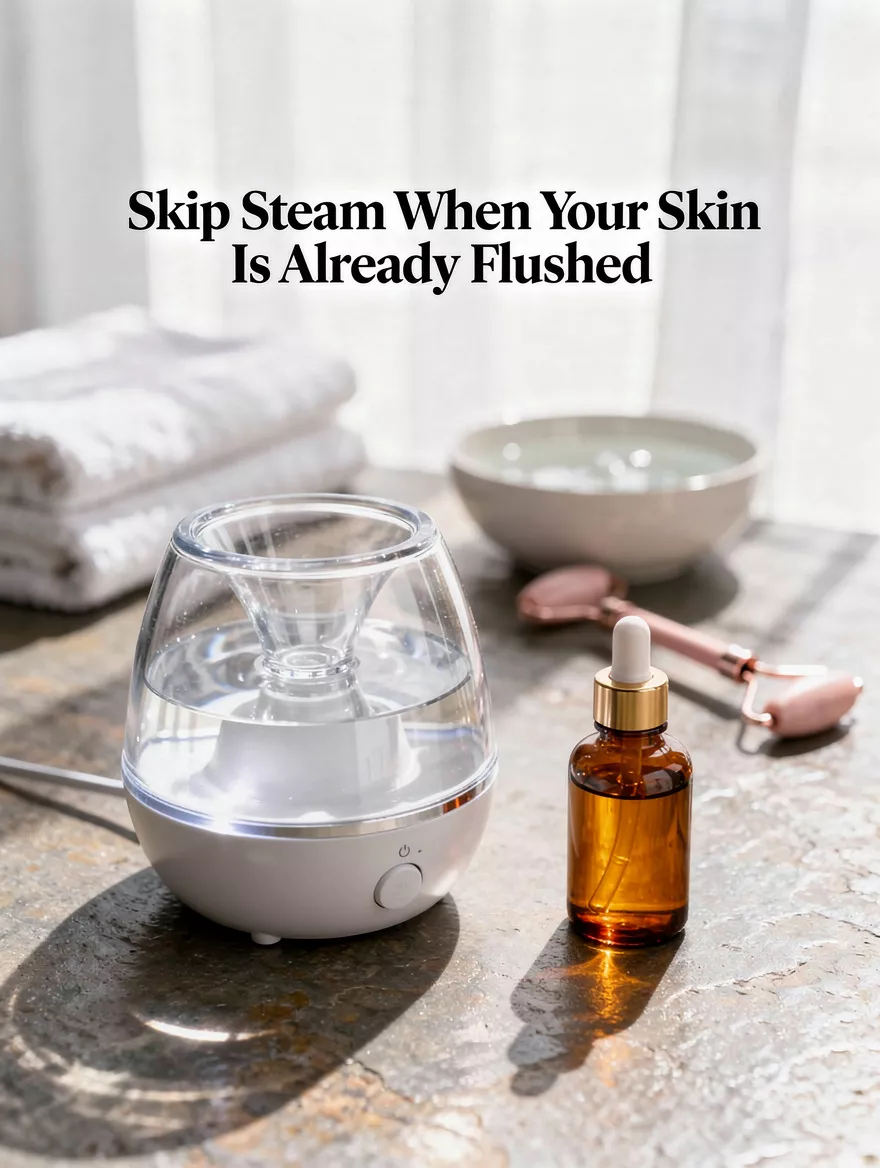
Skip Steam When Your Skin Is Already Flushed
Heat can make facial redness more noticeable and may aggravate skin that is prone to flushing, rosacea, eczema, or irritation. We would skip a steamer entirely when skin stings after cleansing or feels hot after applying retinoids.
Steam does not permanently open pores or shrink them later. Warmth may soften surface oil briefly, but dry mature skin usually has more to gain from a gentle cleanse than another source of heat.
Treat a Steamer as an Occasional Comfort Step
A simple facial steamer with even mist, automatic shutoff, and an easy-to-clean water tank is the only kind worth considering. Ignore claims around nano-ionic technology or dramatic product penetration, because those labels do not establish better results for dry skin.
Keep the session brief and comfortable, then stop if skin feels tight, itchy, red, or drier later that day. We would never use steam to make strong actives feel more powerful.
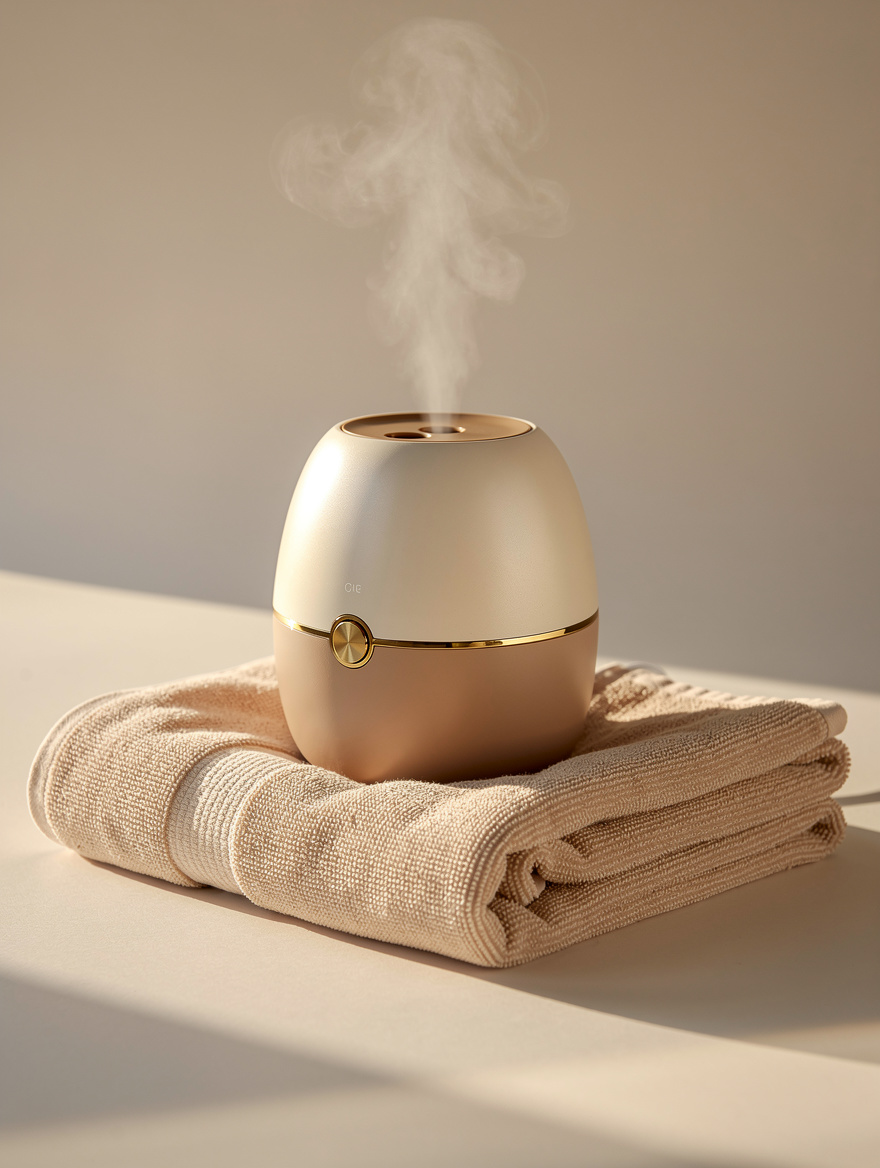
Apply Moisture While Skin Is Still Damp
Surface water evaporates unless a moisturizer holds it in place, which is why steam alone cannot provide durable hydration. Apply a fragrance-free cream right after washing, using ingredients such as glycerin, ceramides, and petrolatum to support a dry barrier.
CeraVe Moisturizing Cream is a practical drugstore option because it pairs humectants with ceramides and feels more protective than a light gel. This is the step that matters more than any facial appliance.
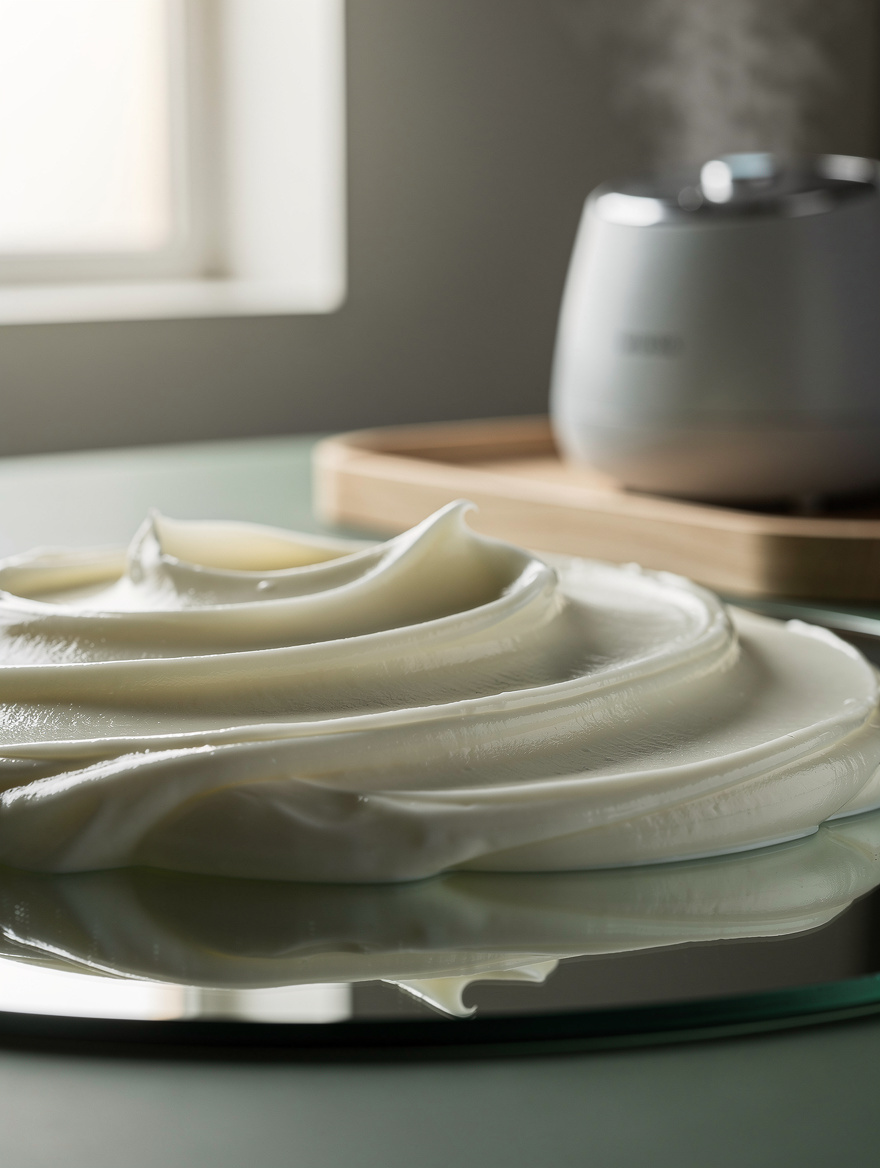
Protect a Thinner Barrier Before Adding Heat
After menopause, lower estrogen is associated with changes in barrier lipids and greater water loss, so dry skin can become less tolerant of familiar products. A cream containing ceramides is a better daily bet than repeatedly exposing the face to warm vapor.
Use a bland moisturizer on nights when you have exfoliated, shaved facial hair, or used a retinoid. Steam can temporarily change the outer barrier, and that is not useful when skin is already sensitive.
Keep Fragrance and Essential Oils Out of the Tank
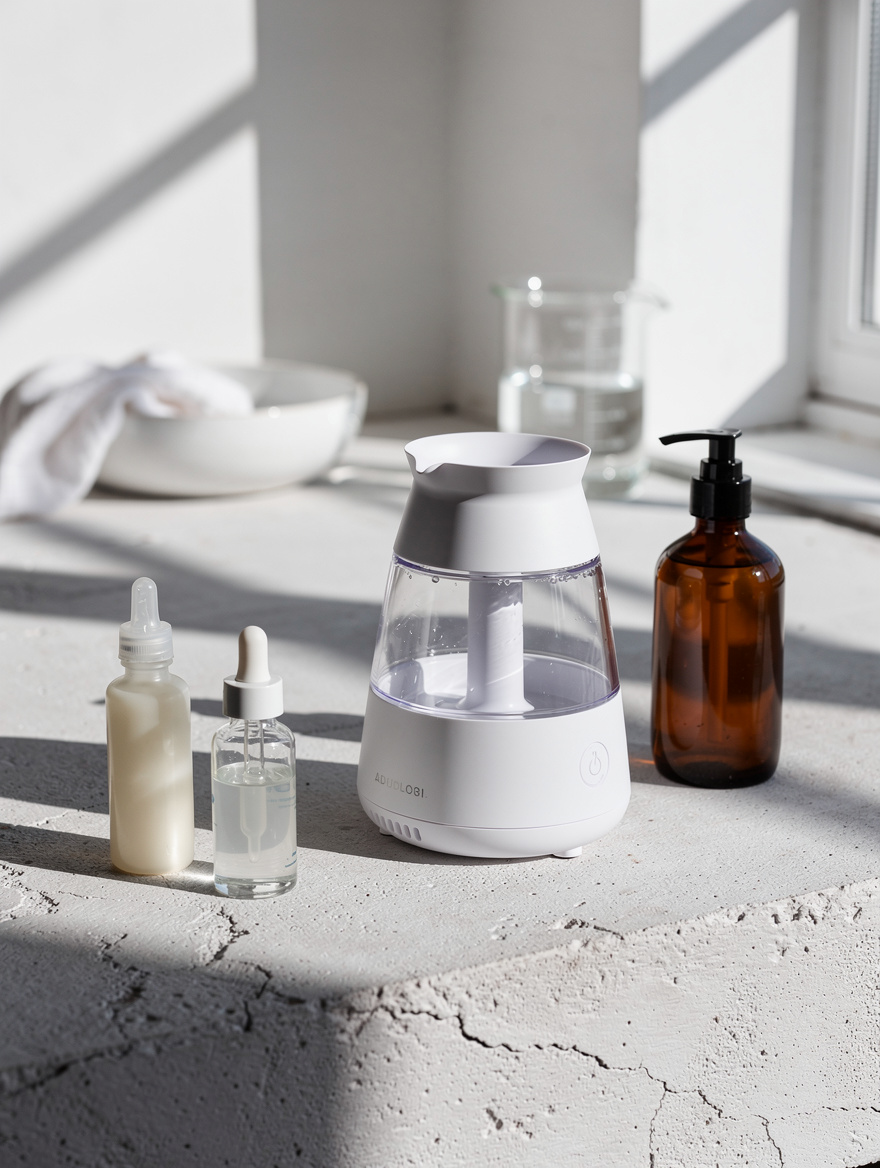
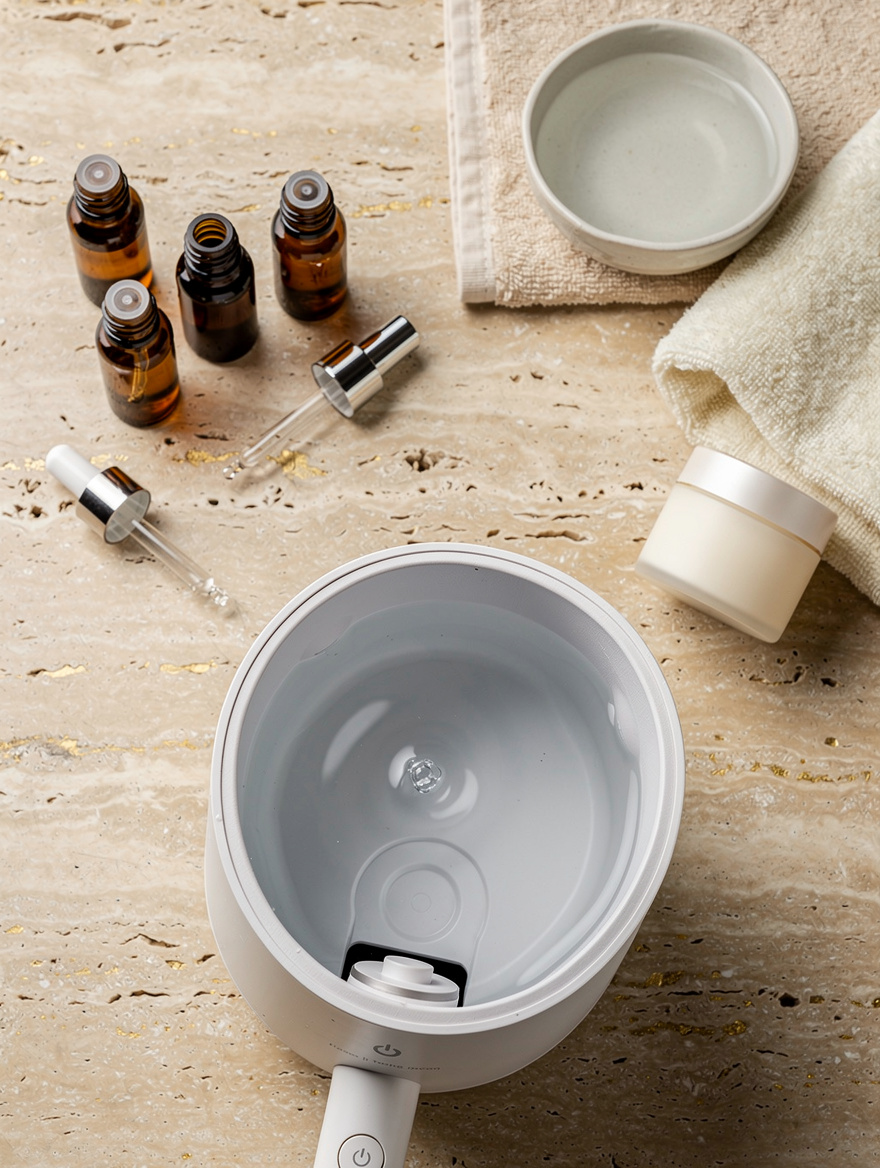
Use plain water only, even if a device suggests aromatherapy. Added fragrance and essential oils create an unnecessary irritation risk for a face that is already dry or reactive.
Clean the reservoir according to the manufacturer’s directions and let it dry fully between uses. A simple device is preferable to one that encourages scented additives or makes cleaning difficult.
Use Your Routine, Not Heat, for Real Dryness Support
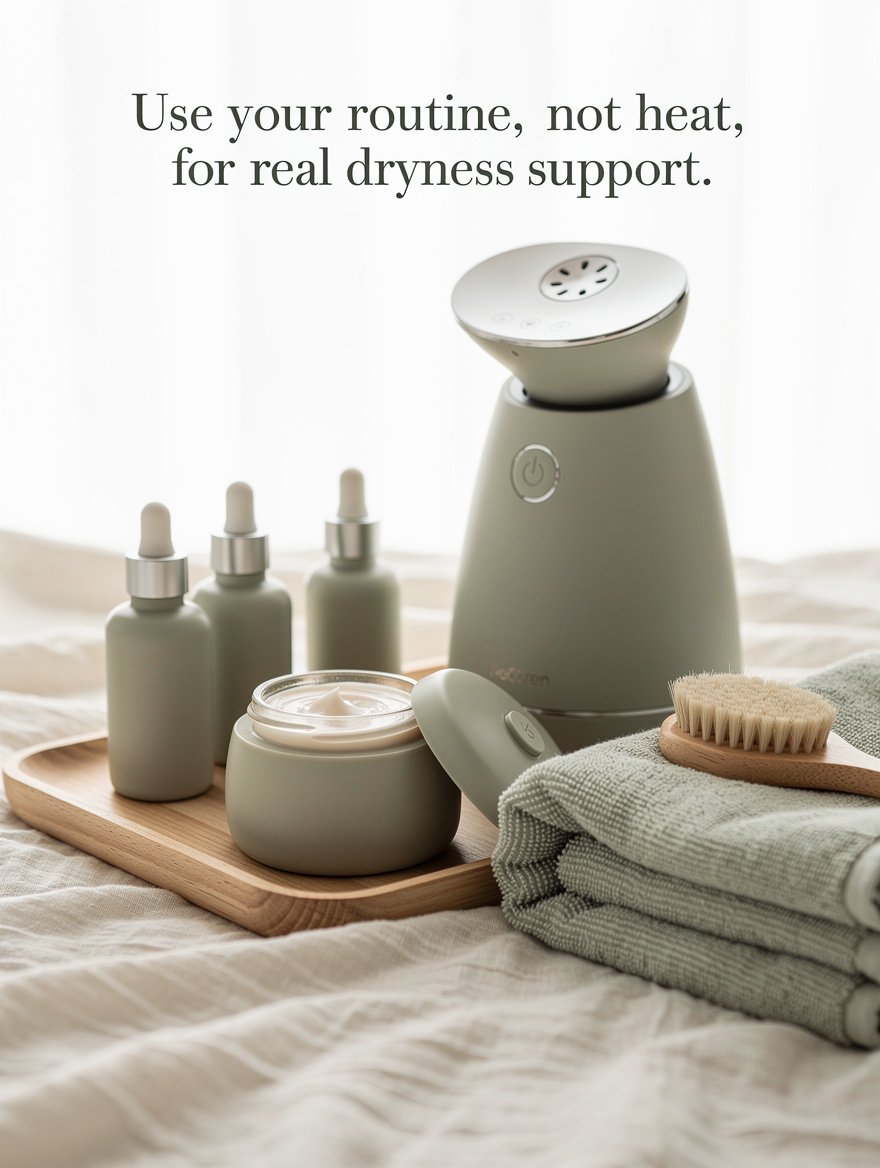
For a dependable daytime layer, La Roche-Posay Toleriane Double Repair Face Moisturizer is formulated with barrier-supporting ingredients and is easier to justify than a steamer for daily dryness. Finish with sunscreen when heading outdoors, since warmth and sun can both worsen visible redness for some people.
See a dermatologist for skin that bleeds, changes shape, or does not heal, and for persistent redness or scaling. Prescription options remain appropriate when a clinician recommends them.
Start with a fragrance-free ceramide cream applied on damp skin for two weeks before deciding whether steam adds anything pleasant. If the ritual leaves your face warmer, tighter, or redder, retire the appliance and keep the moisturizer.