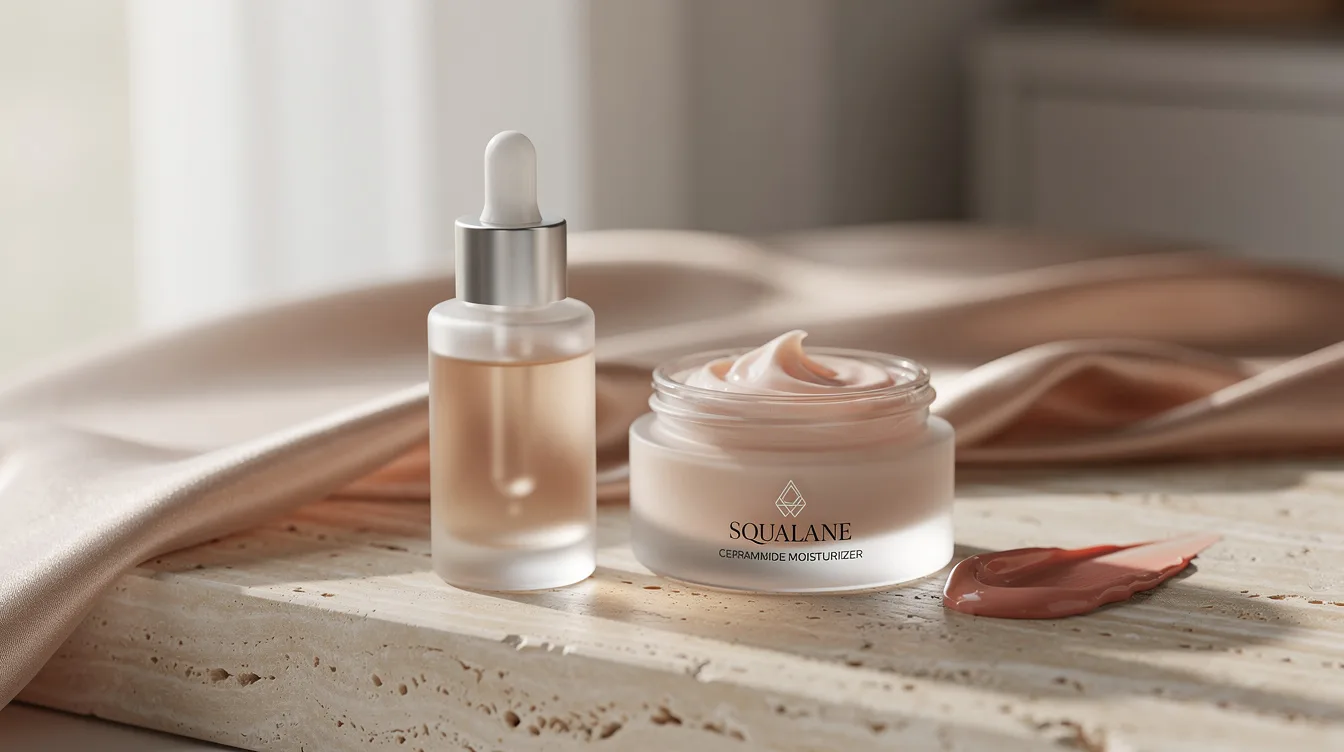
That familiar mirror moment, when foundation catches around the mouth and a once-reliable cream starts to sting, calls for more than another oil. A bottle of The Ordinary 100% Plant-Derived Squalane typically costs about $10, but the smartest first purchase for persistent dryness is usually a barrier-focused moisturizer.
Squalane can be a useful finishing layer, while facial oil is a broad category with wildly different formulas. For mature skin that is dry, lower in surface lipids, and slower to recover, we prefer predictable support over a fragrant blend that merely feels luxurious.
What you will find inside
- Start With A Barrier Cream, Not A Dropper
- Choose Squalane When You Want Predictability
- Treat “Facial Oil” As A Formula Question
- Seal Damp Skin Instead Of Replacing Moisturizer
- Use A Richer Occlusive Layer For Nighttime Flaking
Start With A Barrier Cream, Not A Dropper
Apply a moisturizer with water-binding and barrier-supporting ingredients before deciding whether skin needs oil. CeraVe Moisturizing Cream, often around $16, pairs ceramides with hyaluronic acid and is a practical foundation for rough, tight-feeling skin.
Dermatologists generally favor formulas that combine humectants, emollients, and occlusives for ongoing dryness. Glycerin draws in water, while ceramides, cholesterol, and fatty acids help support the outer skin barrier, a job a single oil does not fully cover.
Choose Squalane When You Want Predictability
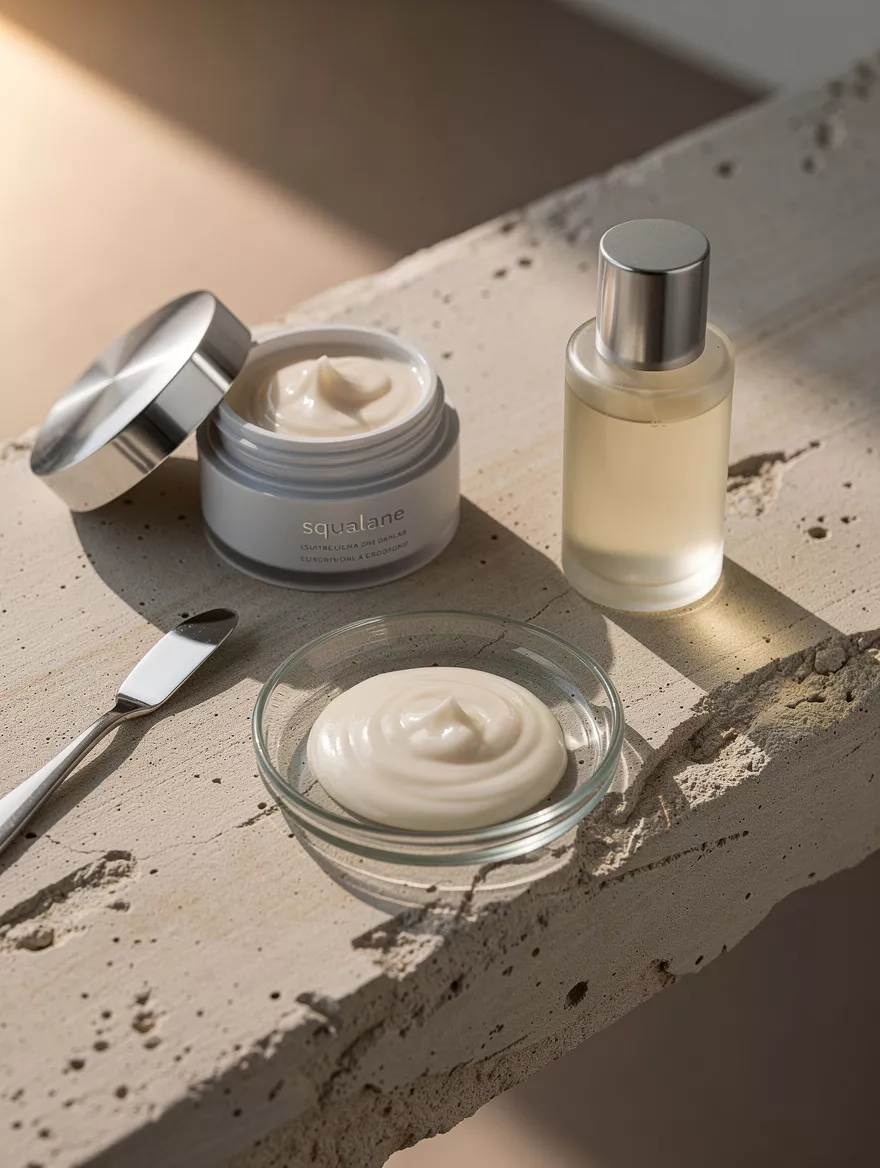
Squalane is one stable, lightweight emollient related to squalene, a lipid naturally found in sebum. It can soften the surface and help reduce water loss, which explains why a few drops can make dry skin feel more comfortable.
We like it better than a mystery oil blend when skin is reactive or routines have become crowded with actives. It is not formulated to rebuild collagen or erase wrinkles, but it can make a moisturizer feel more cushioning without the heavy finish of some richer oils.
Treat “Facial Oil” As A Formula Question
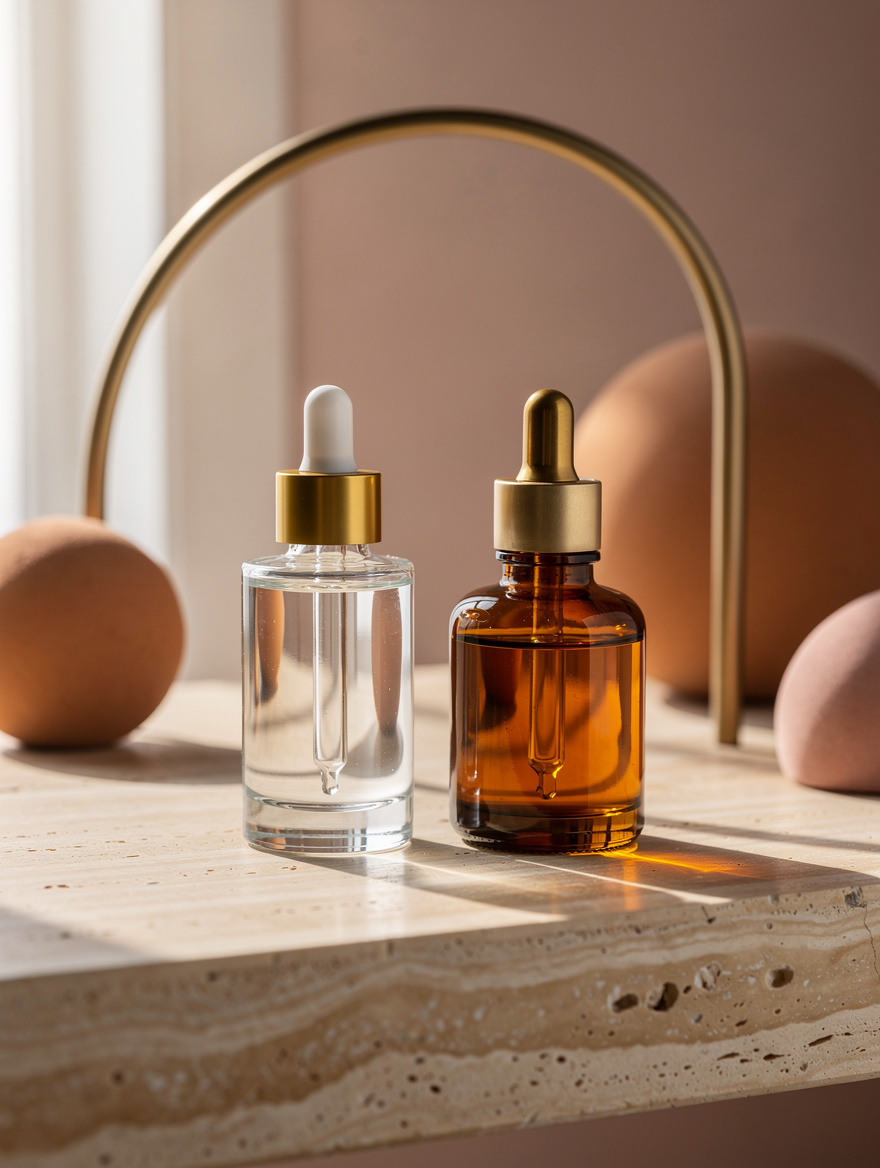
A facial oil may contain jojoba, argan, rosehip, marula, sunflower, or several oils mixed with fragrance. That variety can be enjoyable, but it also makes the experience less predictable, especially when essential oils or scented plant extracts are involved.
Josie Maran 100% Pure Argan Oil can suit someone who enjoys a richer feel, while a simple formula is easier to assess if cheeks are flaky or sensitive. Our opinion is firm: skip heavily perfumed oils when your barrier is already signaling distress.
Seal Damp Skin Instead Of Replacing Moisturizer
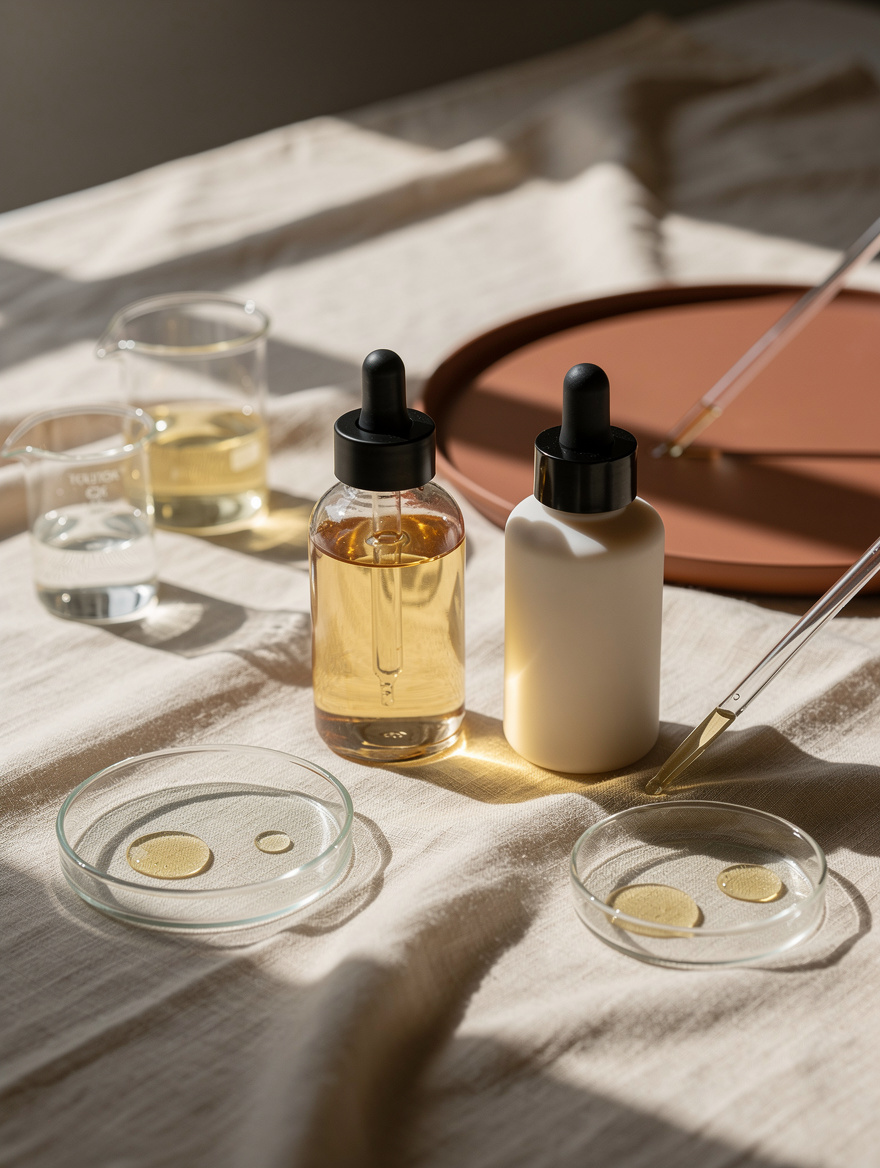
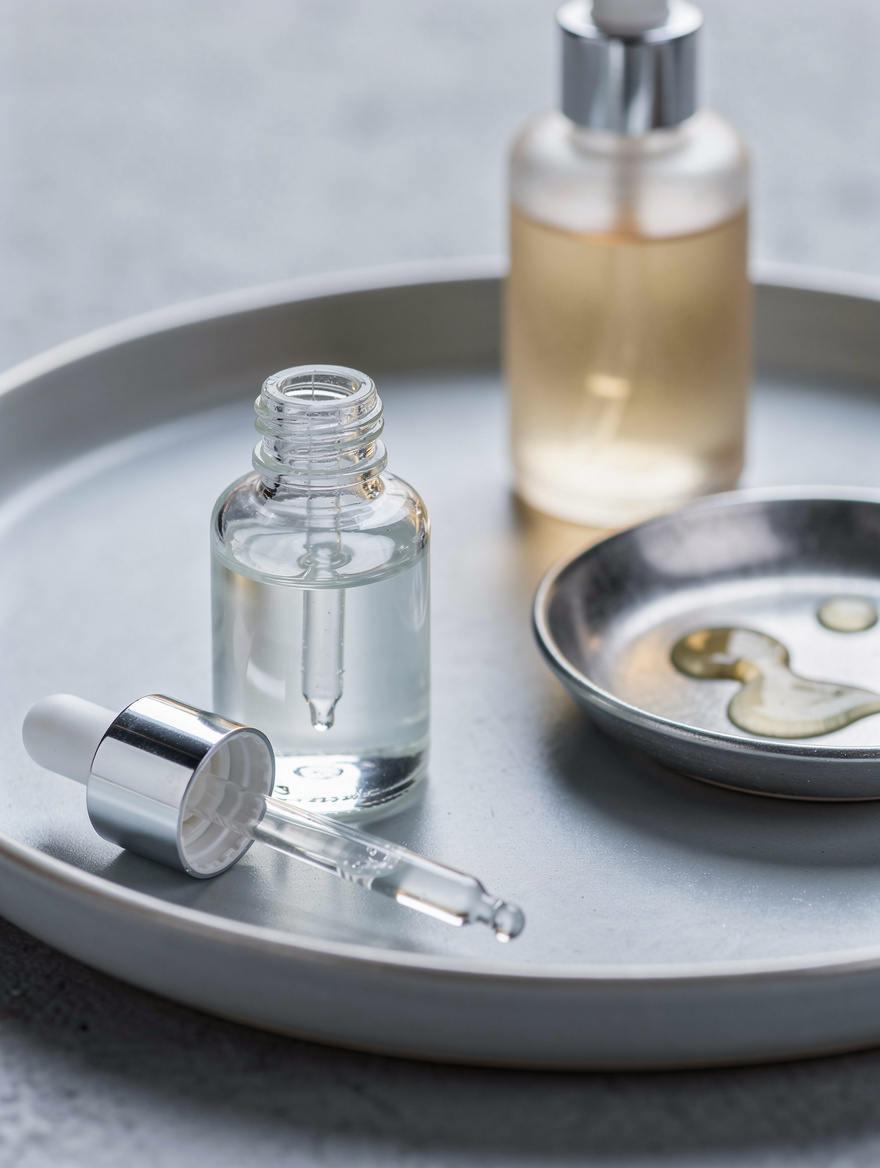
Press one to three drops of Biossance Squalane + Vitamin C Rose Oil or a plain squalane product over moisturizer while skin is still slightly damp. Oil helps slow evaporation, but it does not supply the water-binding ingredients dry skin needs in the first place.
For a lower-cost alternative, add plain The Ordinary 100% Plant-Derived Squalane after a cream rather than mixing it into every product. This order keeps the routine easy to adjust, since you can use less on humid days and more on dry indoor-air days.
Use A Richer Occlusive Layer For Nighttime Flaking
When dryness is concentrated around the nose, lips, or cheeks, an occlusive can be more useful than adding another botanical oil. Aquaphor Healing Ointment, typically about $7 for a small tube, uses petrolatum to help limit overnight moisture loss.
Use a thin layer over moisturizer on the driest areas, not necessarily across the entire face if that feels uncomfortable. A formula with dimethicone, petrolatum, or shea butter may provide the extra seal that squalane alone cannot deliver for stubborn tightness.
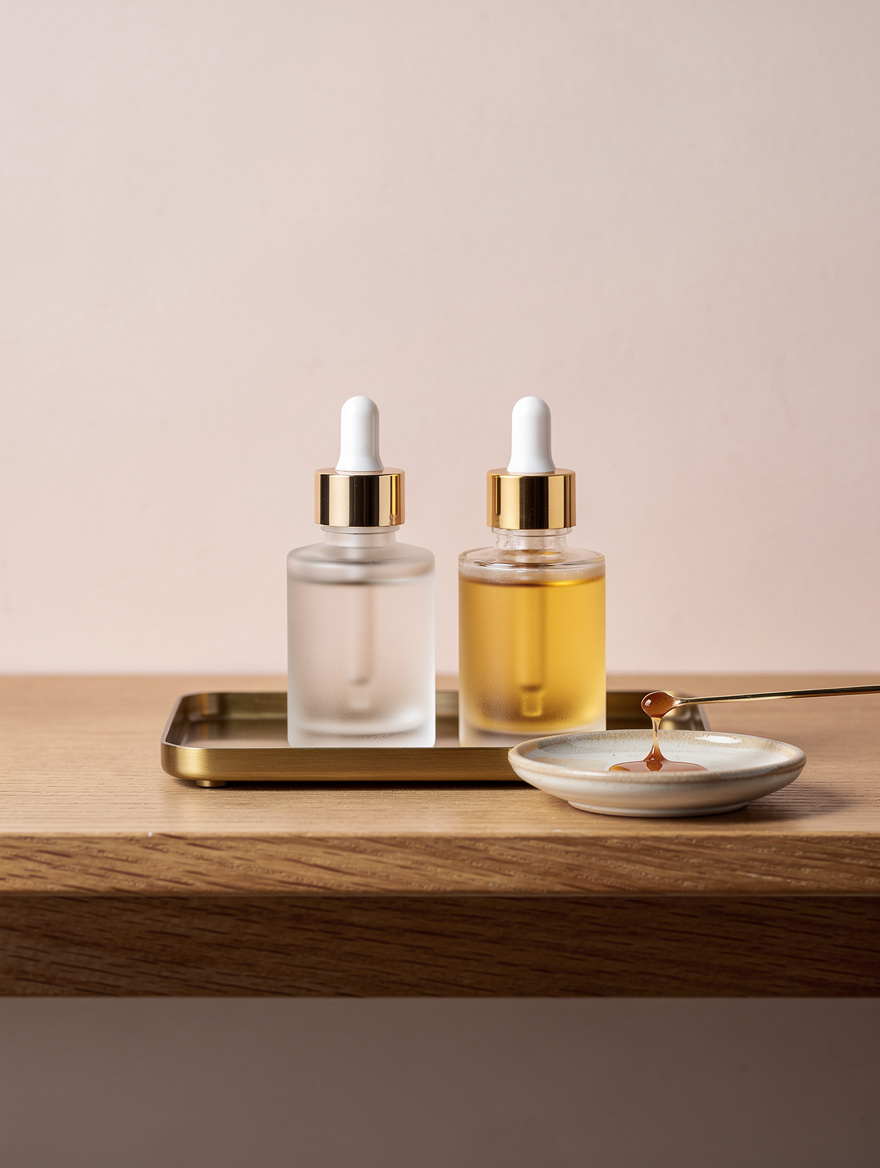
Begin with a fragrance-free ceramide cream twice daily, then add two drops of squalane only where your skin still feels dry. See a dermatologist about a spot that bleeds, changes shape, or does not heal, and do not set aside prescribed treatment for an oil routine.