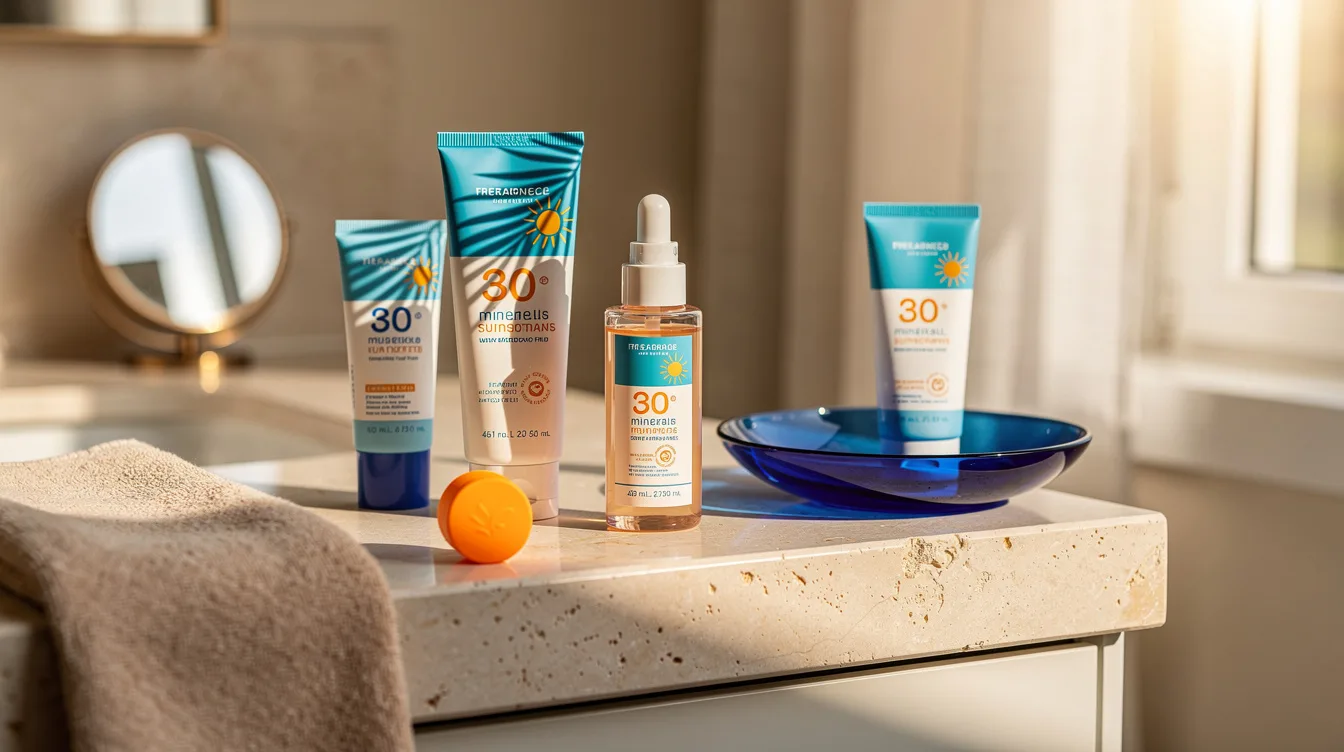
At the mirror, the frustrating part is often the sunscreen, a product meant to protect that suddenly leaves cheeks hot, shiny, or more visibly red. A gentle mineral SPF typically costs about $15 to $40, and finding one you’ll actually wear matters more than chasing the most elaborate formula.
Lower estrogen can mean less oil, a slower-to-repair barrier, and more reactive facial blood vessels. Sunscreen can help reduce UV-related triggers and future sun damage, but it won’t diagnose or cure persistent redness.
What you will find inside
- Choose a Mineral Filter When Skin Stings
- Make Broad-Spectrum SPF 30 the Daily Baseline
- Use Tint to Soften the Look of Redness
- Keep the Rest of the Morning Routine Quiet
- Reapply Before Outdoor Heat Builds
- Treat New Redness as Information, Not a Guess
Choose a Mineral Filter When Skin Stings
For skin that burns or stings with sunscreen, dermatologists commonly suggest a fragrance-free formula with zinc oxide and/or titanium dioxide. These mineral UV filters sit on the skin’s surface and are often easier to tolerate when the barrier feels dry or reactive.
Our practical pick is CeraVe Hydrating Mineral Sunscreen Face Sheer Tint SPF 30, usually around $15, because it combines mineral protection with barrier-supporting ceramides. It can still feel rich on some complexions, so apply it over a light moisturizer rather than adding several heavy layers underneath.

Make Broad-Spectrum SPF 30 the Daily Baseline
UV exposure can intensify inflammation, visible vessels, and uneven tone, all of which can make central-face redness look more pronounced. Use a broad-spectrum SPF 30 or higher every morning, including on cloudy days and during quick errands near windows.
A thin, rushed swipe rarely gives the labeled protection, so use a generous, even layer across the face, ears, and neck. La Roche-Posay Anthelios Mineral Tinted Ultra-Light Face Sunscreen Fluid SPF 50, often about $38, is a good option when a fluid texture feels more comfortable than a dense cream.
Use Tint to Soften the Look of Redness
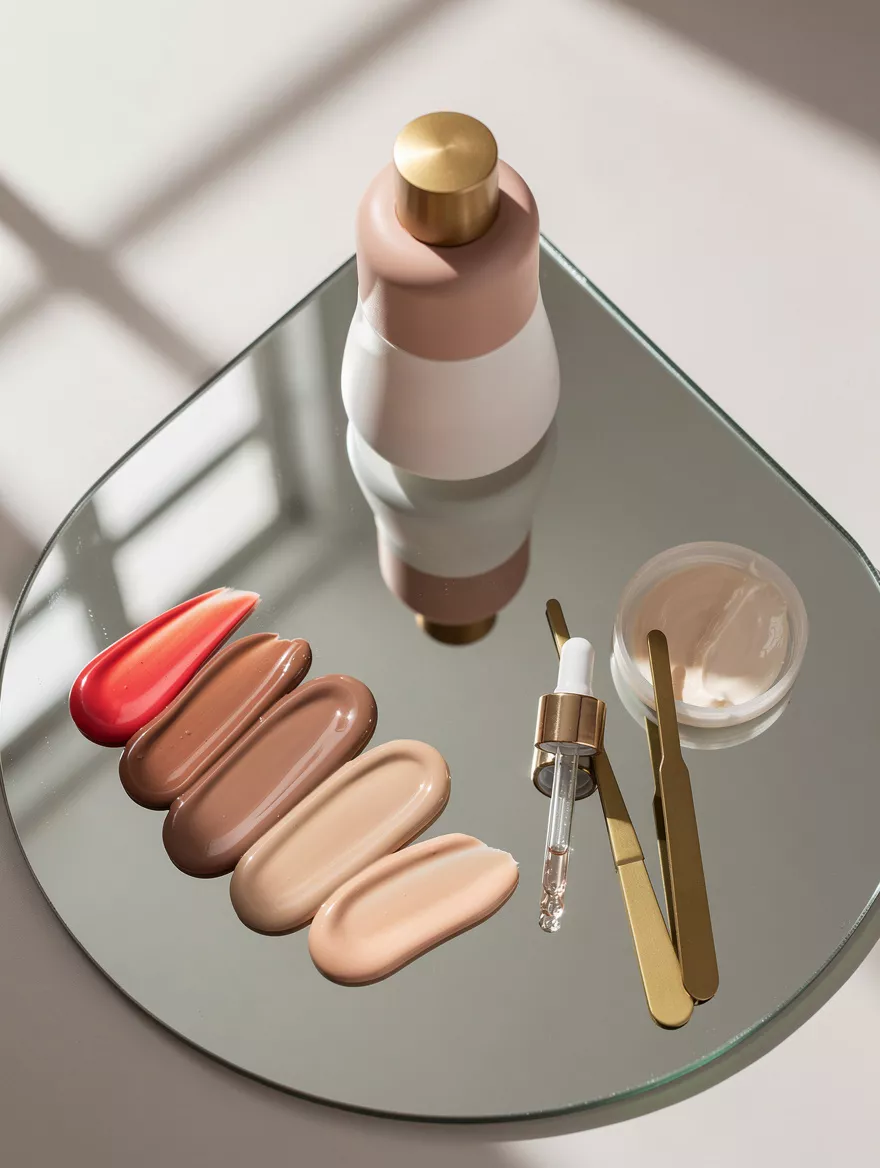
Tinted mineral sunscreen can offer an immediate cosmetic benefit: pigments containing iron oxides help visually balance redness and can reduce the chalky cast that makes irritated skin look more obvious. That coverage is useful, but it is makeup-like camouflage, not treatment for rosacea or another skin condition.
EltaMD UV Clear Tinted Broad-Spectrum SPF 46, typically around $46, is widely liked for its lightweight finish and neutral tint. Patch-test first, because “tinted” is not one universal shade and even well-regarded formulas can disagree with reactive skin.
Keep the Rest of the Morning Routine Quiet
A sunscreen that performs well can still sting when it lands over a freshly exfoliated or over-treated face. On redness-prone mornings, use a mild cleanser, a simple moisturizer, then mineral sunscreen, and save stronger actives for nights your skin can handle.
Skip fragranced serums, scrubby cleansing tools, and multiple new products while you are judging a sunscreen. Vanicream Facial Moisturizer SPF 30 is worth considering when fewer ingredients feel safer, although its richer texture may suit dry cheeks better than an oily T-zone.
Reapply Before Outdoor Heat Builds
Heat, sunshine, exercise, hot drinks, alcohol, spicy meals, and abrupt temperature shifts can all provoke flushing in susceptible skin. Reapply SPF 30 about every two hours during meaningful outdoor exposure, and after swimming or sweating, following the product label.
A hat with a brim and a shady route are not overkill when midday sun reliably brings on a flare. For touch-ups, Colorescience Sunforgettable Total Protection Brush-On Shield SPF 50 can be convenient, but powder alone is difficult to apply heavily enough to replace a proper first layer of lotion or fluid sunscreen.
Treat New Redness as Information, Not a Guess
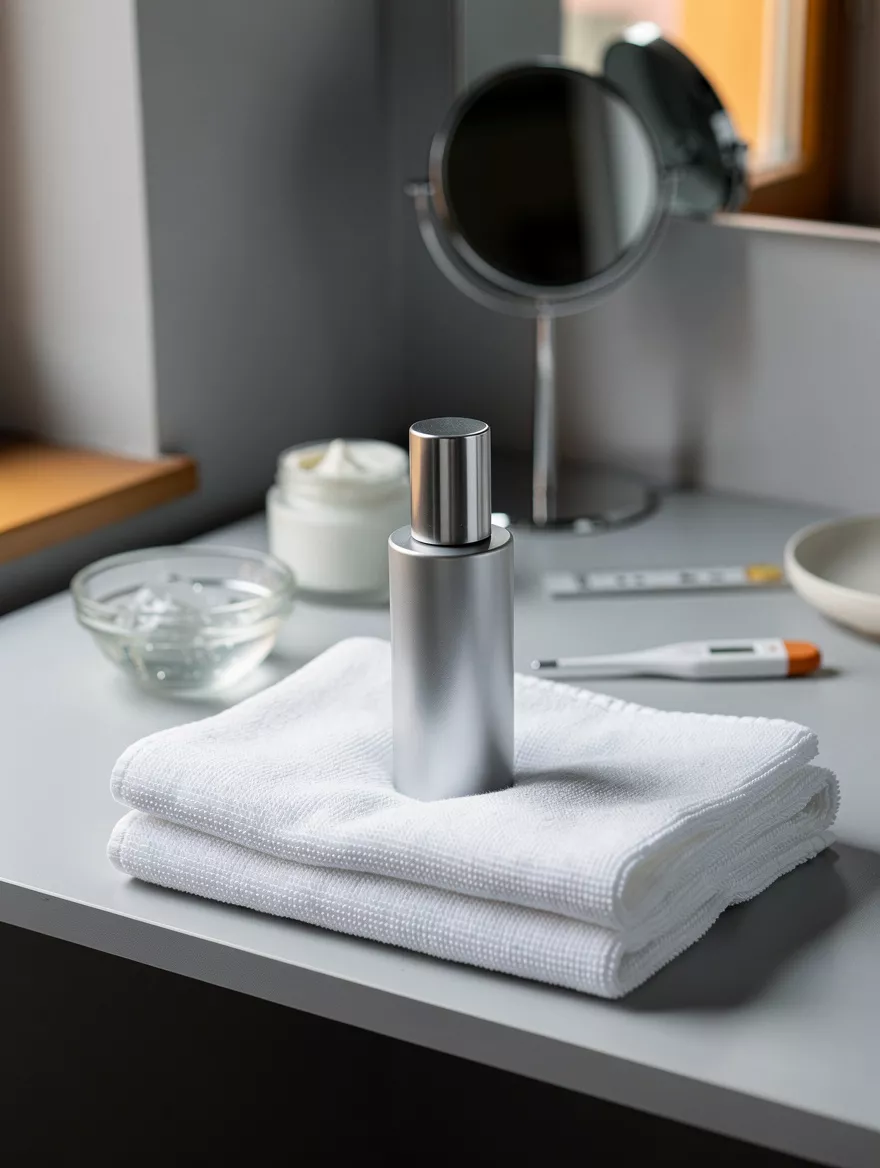
Menopause can make flushing more noticeable, yet not every red cheek is simply a hormone-related change. Persistent burning, visible vessels, acne-like bumps, eye irritation, or a rash that worsens with skincare deserves a dermatologist’s evaluation, since rosacea, contact dermatitis, seborrheic dermatitis, and other conditions can overlap.
Do not push through repeated stinging because a sunscreen is popular or expensive. If a spot bleeds, changes shape, or does not heal, arrange a dermatology visit promptly; tinted sunscreen can conceal color but should never conceal a concerning change from your attention.
Start with one fragrance-free mineral SPF you can wear every morning for two weeks, then assess comfort before adding anything else. Consistent protection is the sensible first expense, while stubborn or changing redness belongs in a dermatologist’s office.