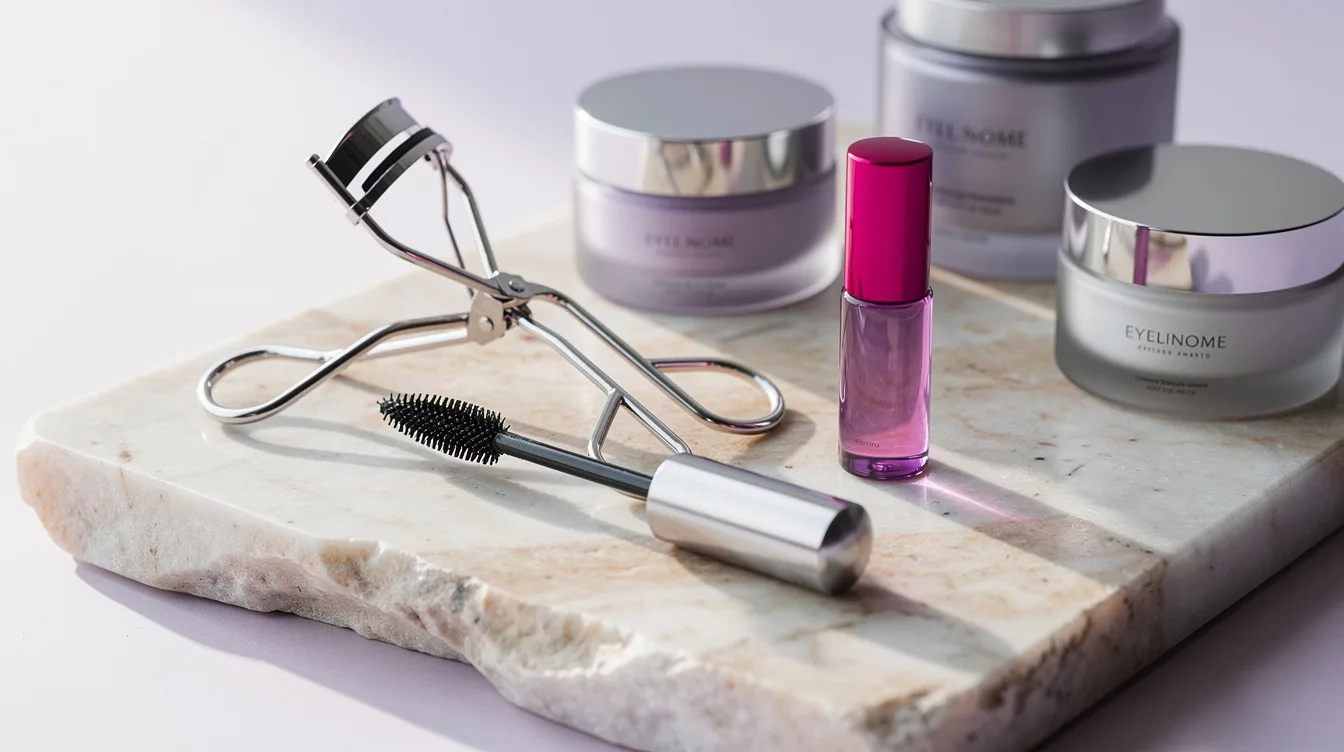
The trouble often starts at the bathroom mirror: lashes that once held a curl now look shorter after mascara comes off, and a heated tool feels like the quickest fix. A typical heated lash curler costs about $15 to $30, but it is a styling device, not a treatment for thinning.
After 50, lower estrogen, drier skin, and slower hair cycling can make lashes seem finer and more breakage-prone. Our view: use heat sparingly and put lash health ahead of a dramatic upward sweep.
What you will find inside
- Treat a Heated Curler as Styling, Not Growth Care
- Use Heat Only on Clean, Bare Lashes
- Keep the Tool Away From the Roots
- Stop Reheating Until the Curl Looks Perfect
- Skip Heat During an Eyelid Flare
- Investigate Real Thinning Before Buying Another Serum
Treat a Heated Curler as Styling, Not Growth Care
A heated curler changes the shape of the visible lash fiber for a few hours; it does not change the follicle, improve density, or restart growth. That distinction matters when sparse lashes are the real concern.
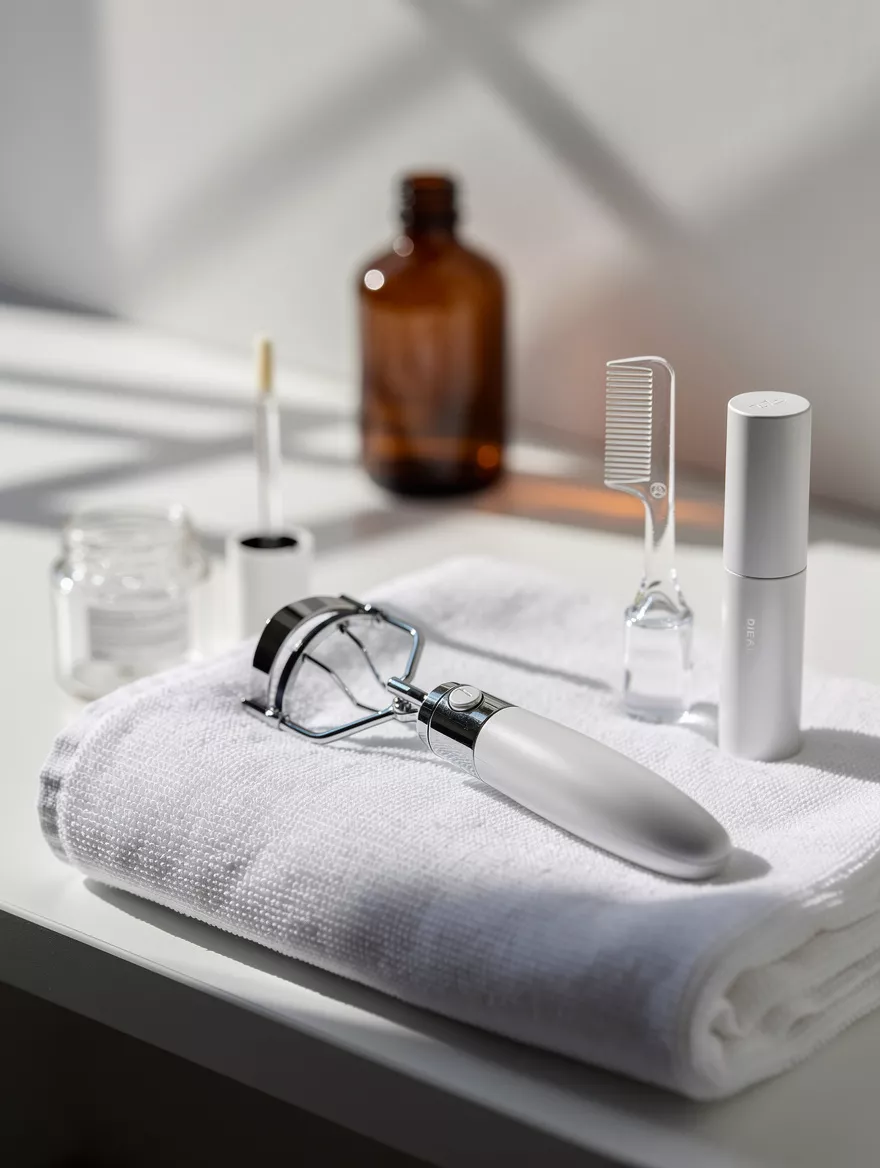
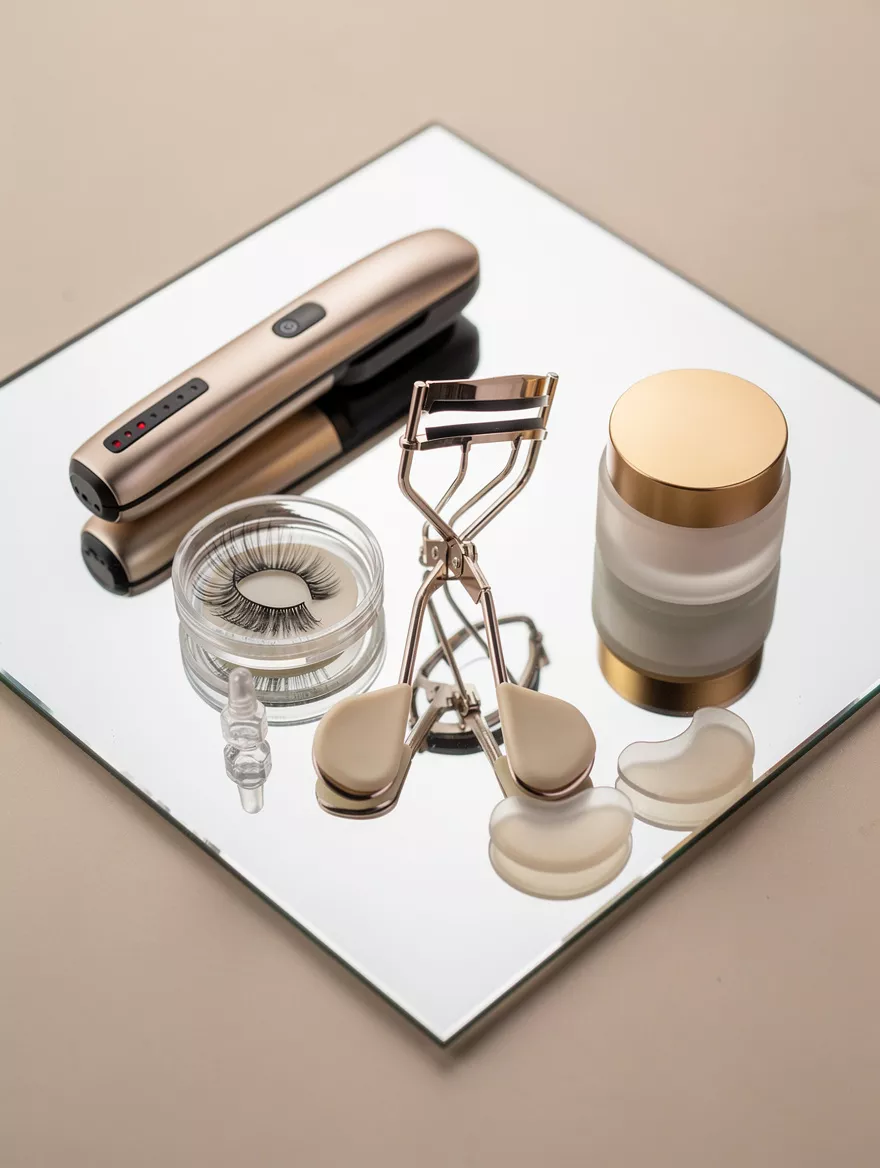
Tools such as the Panasonic Heated Eyelash Curler can be useful for a light lift when manual clamping causes creases or pulling. We would reserve one for occasional makeup days, not make it a daily corrective habit.
Use Heat Only on Clean, Bare Lashes
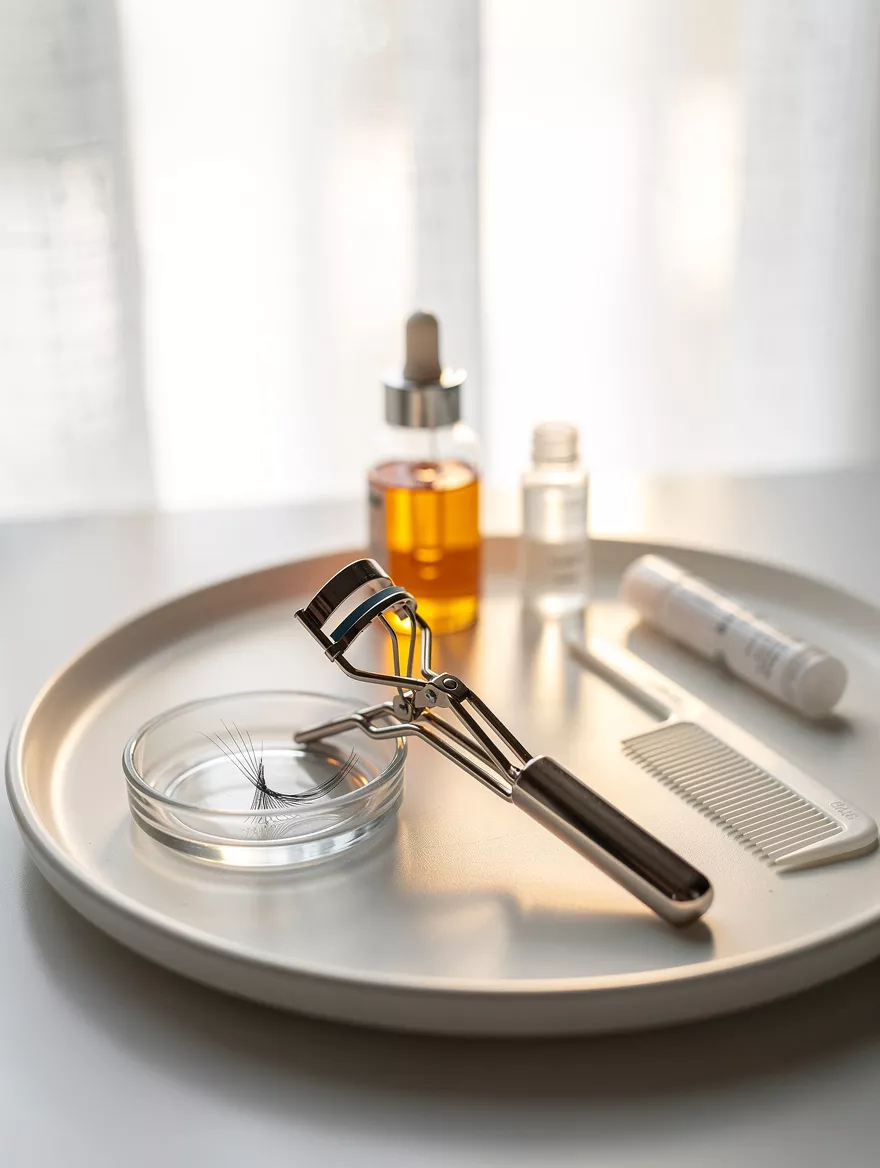
Run a heated comb over clean, dry, bare lashes before mascara, never through waterproof mascara. Waterproof formulas can make lashes less flexible during removal, and heat plus a coated lash raises the chance of snagging and breakage.
The GrandeLASH-MD Lash Enhancing Serum is a cosmetic serum, not a proven lash-growth drug, so allow any serum to dry fully before styling. A conditioner may help lashes feel less dry, but it cannot replace an assessment for ongoing loss.
Keep the Tool Away From the Roots
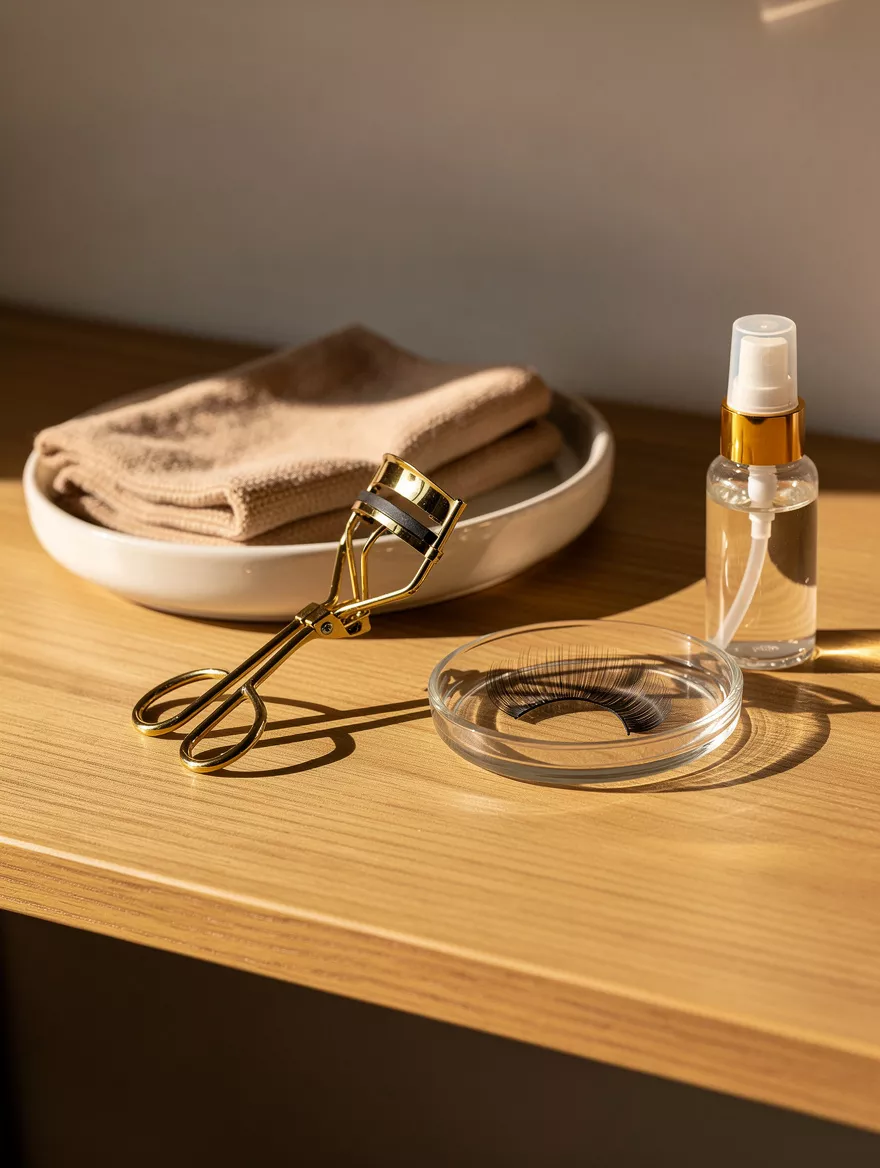
Start at the middle of the lash shaft and make one brief, gentle pass toward the tips. Pressing a hot device at the roots brings unnecessary heat close to the eyelid, where irritation is far more consequential than a softer curl.
Choose a curler with controlled heat and auto shut-off, such as the Chella Heated Eyelash Curler, rather than relying on a tool that feels unpredictable. It should feel comfortably warm, never sting, smell hot, or leave the lid red.
Stop Reheating Until the Curl Looks Perfect
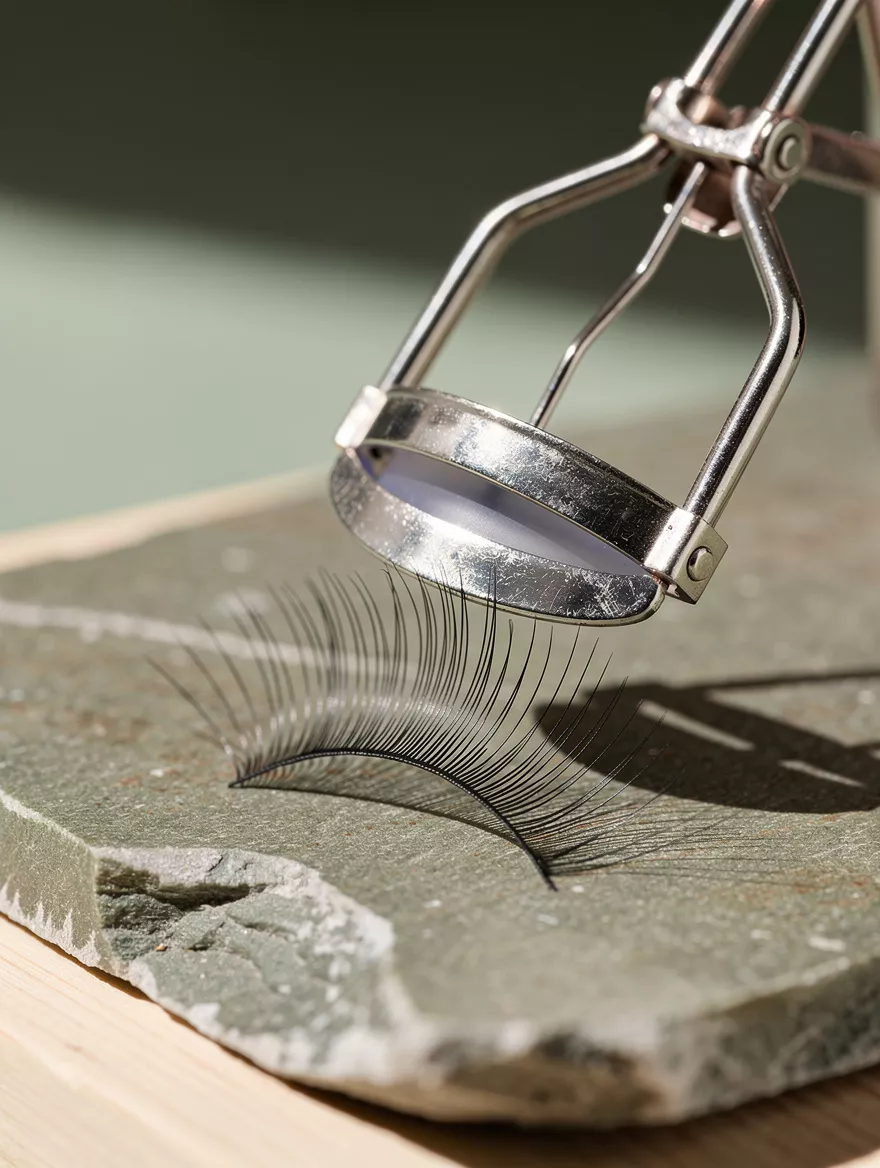
Repeated brushing, reheating, and tugging can wear on a fragile keratin fiber, especially when lashes are already short or dry. One modest pass is enough; a perfectly lifted result is not worth a week of extra shedding in the sink.
A standard manual curler, including the Shiseido Eyelash Curler, may be the gentler choice on days when lashes feel strong and flexible. Use it before mascara, with a light squeeze, and skip it completely if lashes are visibly snapping.
Skip Heat During an Eyelid Flare
Put every curler aside during blepharitis, an eczema flare, ocular rosacea symptoms, conjunctivitis, or a dry-eye flare. Heat, friction, makeup removal, and a compromised lid margin are an unhelpful combination.
Gentle lid care may be more useful than another tool when flakes or crusting appear. Products such as OCuSOFT Lid Scrub Original are made for eyelid hygiene, but persistent symptoms deserve guidance from an eye-care clinician rather than trial-and-error cosmetics.
Investigate Real Thinning Before Buying Another Serum
Age-related changes can play a role, yet sudden patchy lash loss, eyebrow loss, scaling, pain, redness, or lashes that keep breaking call for a dermatologist or ophthalmologist. Thyroid conditions, iron deficiency, inflammation, rubbing, and some forms of hair loss can all be relevant.
For persistent eyelash hypotrichosis, a clinician can discuss bimatoprost 0.03%, sold as Latisse. It is the FDA-approved treatment for inadequate lashes, but it has potential eye-area and pigmentation effects, so it belongs in a personalized medical conversation.
Start by taking a two-week break from heat and watching what happens to shedding, dryness, and breakage. If lashes still look noticeably thinner, book the evaluation before spending more on curlers or growth-claim serums.