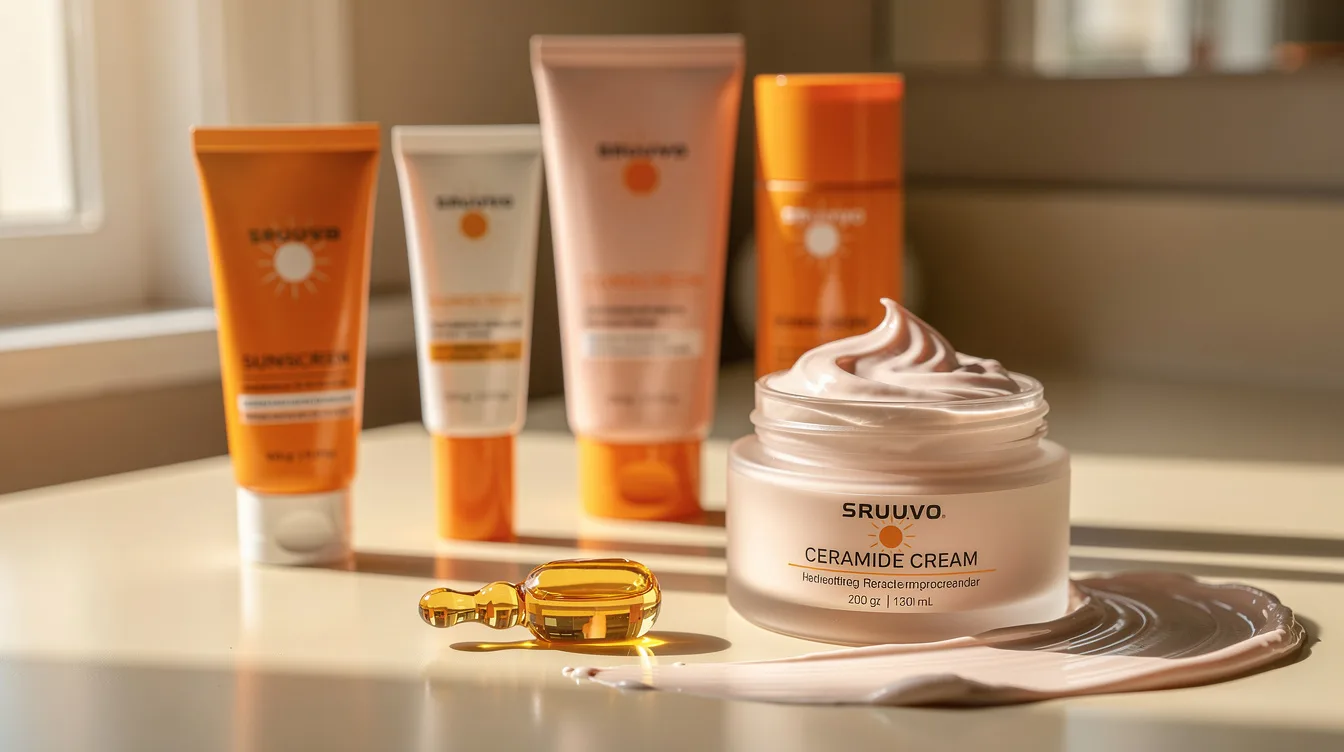
The mirror can make the problem look like a serum shortage: dry patches catch concealer, while a once-reliable active suddenly stings. For skin over 50, dermatologists usually start with broad-spectrum SPF 50, not a crowded treatment lineup.
That order respects a thinner, drier barrier and puts a roughly 1/4 teaspoon face application ahead of another expensive bottle.
What you will find inside
- Put Sunscreen at the Front of the Routine
- Make the Barrier Comfortable Before Adding Actives
- Introduce Retinoid Slowly, Not Heroically
- Use the Sandwich Method When Skin Feels Fragile
- Add Pigment Support Only After the Basics Hold
- Stop Chasing Stronger Percentages
Put Sunscreen at the Front of the Routine
Daily broad-spectrum sunscreen is the first practical change because it protects against UVA and UVB exposure while you address visible uneven tone and texture. SPF 30 is the minimum target, but SPF 50 is our sensible default for everyday U.S. Use.
A moisturizing formula such as La Roche-Posay Anthelios Melt-in Milk Sunscreen SPF 60 can feel more comfortable on dry skin than a chalky matte finish. Apply it to face, neck, and ears, then reapply about every two hours during meaningful outdoor time, after swimming, or after sweating.
Make the Barrier Comfortable Before Adding Actives
Lower estrogen can leave skin with less oil and a more reactive surface, so a plain ceramide moisturizer deserves priority over a complicated acid regimen. A moisturizer that feels good morning and night makes consistency far more likely.
We like CeraVe Moisturizing Cream, typically around $16 depending on size and retailer, for its no-frills ceramides, glycerin, and hyaluronic acid. Petrolatum or dimethicone can also be useful in a richer night cream when cheeks feel tight or flaky.
Introduce Retinoid Slowly, Not Heroically
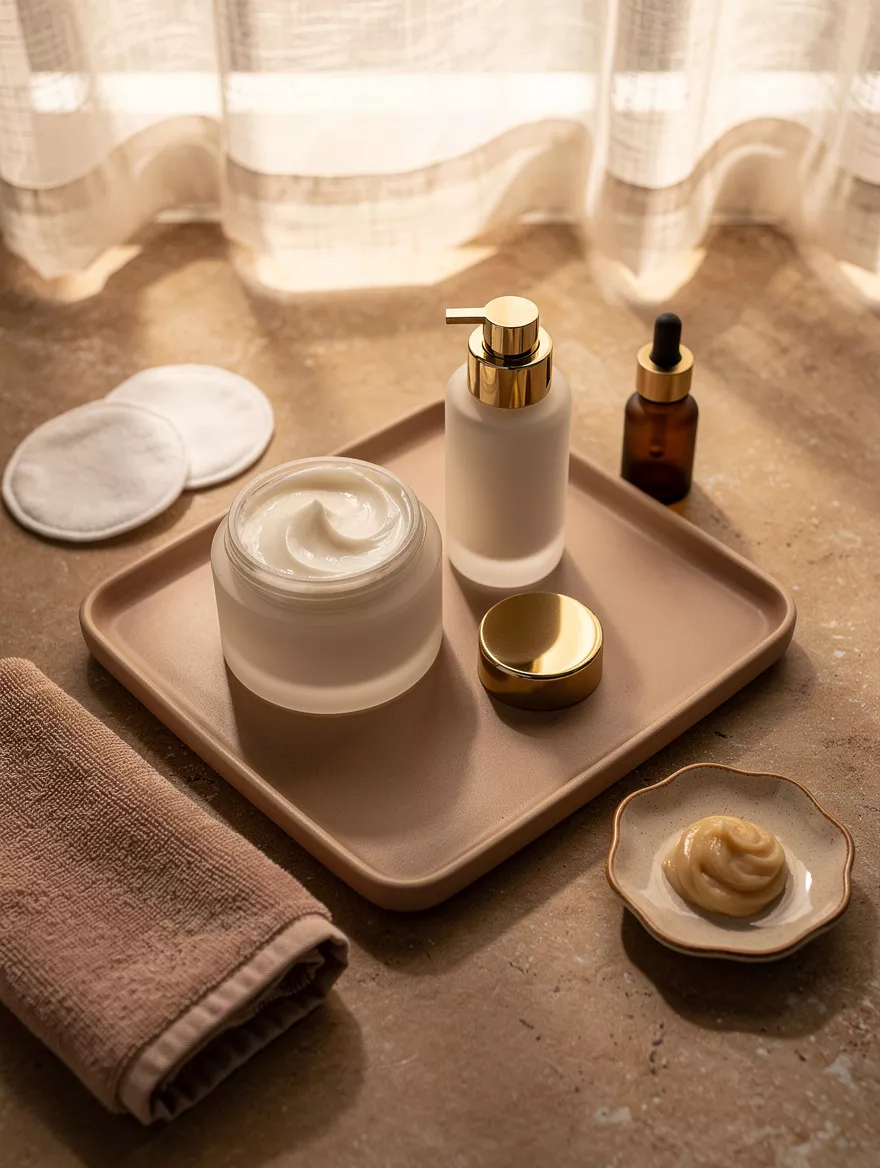
Once the barrier is calm, a 0.1% to 0.3% retinol is often the first over-the-counter treatment dermatologists suggest for sun-related fine lines, rough texture, and mottled pigment. Prescription tretinoin has stronger topical evidence, but it can be more irritating.
Start two nights a week with a product such as RoC Retinol Correxion Line Smoothing Night Serum Capsules, then use moisturizer before or after it if skin feels dry. Dermatologists commonly begin prescription tretinoin at 0.025% tretinoin; a prescriber can help choose whether that is appropriate.
Use the Sandwich Method When Skin Feels Fragile
Apply moisturizer, then a pea-sized amount of retinol, followed by another light layer of moisturizer if needed. This approach can make a retinoid routine easier to tolerate without turning every night into a test of endurance.
Skip retinoid on skin that is burning, peeling, actively irritated, or flaring with rosacea or eczema, and return to a gentle moisturizer instead. Vanicream Daily Facial Moisturizer is a useful fragrance-free option for people who prefer a lighter lotion texture.
Add Pigment Support Only After the Basics Hold
Vitamin C, azelaic acid, and niacinamide can support a routine for uneven-looking tone, but they come after sunscreen and a tolerable retinoid plan. A well-formulated 10% vitamin C serum may suit some routines, although sensitive skin does not need to force it.
The Ordinary Azelaic Acid Suspension 10% is a widely available option for shoppers who want one targeted step without a luxury price tag. Introduce one active at a time, preferably on alternate nights, so you can tell what your skin actually accepts.
Stop Chasing Stronger Percentages
More strength is not automatically more useful for post-menopausal skin, especially when dryness keeps interrupting the routine. Research on tretinoin supports gradual, modest improvement over weeks to months, not a dramatic overnight change.
A consistent SPF 50 sunscreen, comfortable moisturizer, and low-dose retinoid usually make a clearer plan than five competing exfoliants. Anything that bleeds, changes shape, or does not heal deserves an appointment with a dermatologist rather than another product experiment.
Start tomorrow morning with sunscreen you will actually wear in a generous amount, then build the moisturizer-and-retinoid steps around it. That simple order protects the work your routine is designed to support.