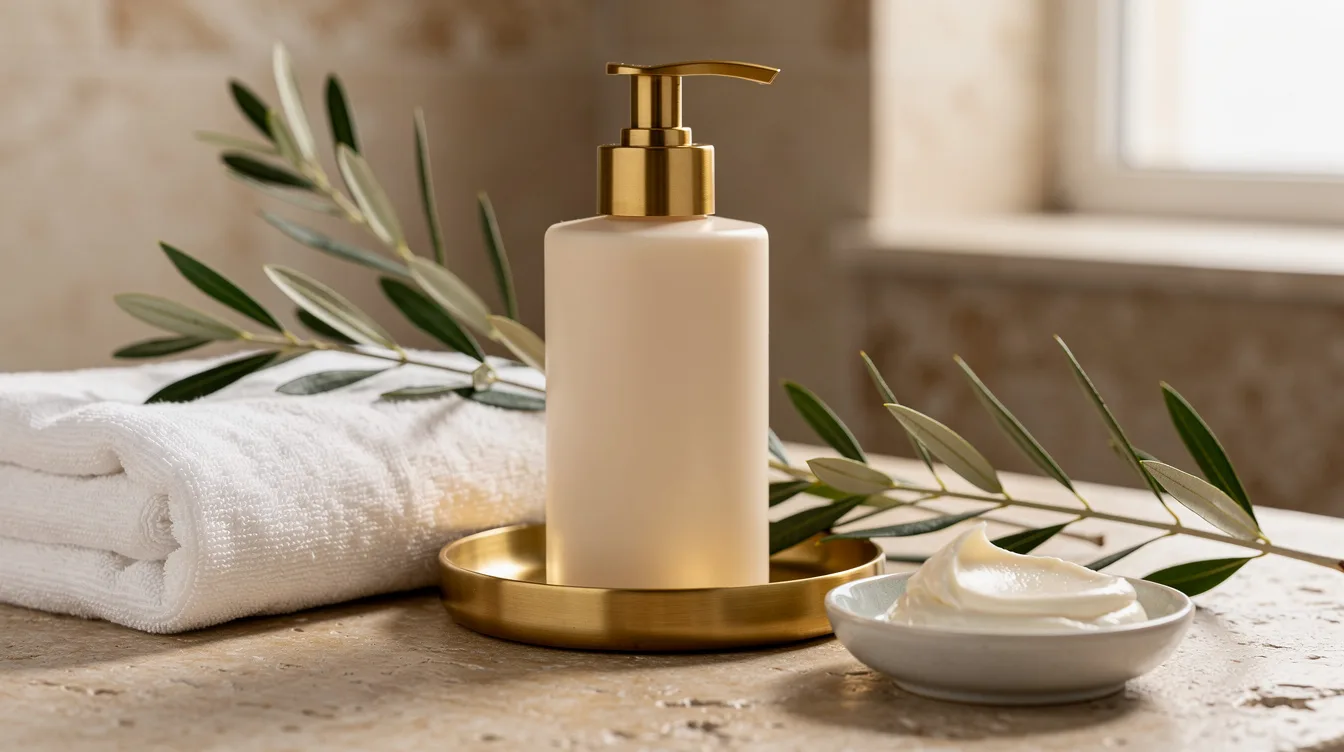
The clue often shows up right after the sink: moisturizer suddenly pills, the corners of the nose feel tight, and a retinoid that used to be manageable now stings. A low-lather cream cleanser, such as CeraVe Hydrating Facial Cleanser, typically costs about $12 to $19 and can make that first step feel far less punishing.
For dry mature skin, dermatologists generally favor a lotion, milk, or non-foaming cream texture that removes sunscreen and daily buildup without leaving the face squeaky. That clean feeling can signal that surface lipids have been stripped more aggressively than this skin type enjoys.
What you will find inside
- Choose A Creamy, Low-Lather Texture
- Stop Treating Squeaky-Clean As A Goal
- Keep The Helpful Fatty Alcohols
- Use Fragrance-Free When Skin Is Reactive
- Make Cleansing Support Your Leave-On Routine
- Double-Cleanse Only When It Earns Its Place
Choose A Creamy, Low-Lather Texture
Look for “hydrating,” “cream,” “lotion,” “milk,” or “non-foaming” on the label, then judge it by the rinse: skin should feel comfortable, not coated or tight. CeraVe Hydrating Facial Cleanser has a cream-lotion feel and is our practical budget pick for a routine that includes a retinoid or a dry-weather moisturizer.
Foam is not proof of better cleansing. A soft, low-bubble wash can still lift sunscreen, oil, and city grime, while leaving more of the skin’s own protective lipids in place.
Stop Treating Squeaky-Clean As A Goal
That polished, almost squeaking finish is often a poor trade for a barrier that already produces less sebum after menopause. Traditional alkaline soap can be especially unforgiving, so swap the bar at the facial sink for a cleanser with mild surfactants such as sodium cocoyl isethionate.
Use lukewarm water and keep the massage brief, around 20 to 30 seconds. Long, hot cleansing sessions can turn a solid evening routine into a source of unnecessary dryness.
Keep The Helpful Fatty Alcohols
Dry skin does well with some slip, and cetearyl alcohol helps give a cream cleanser its cushioned texture. Despite the word “alcohol,” it is a fatty alcohol, not the drying alcohol associated with a sharp, fast-evaporating feel.
Cetyl alcohol and stearyl alcohol work similarly in many lotion cleansers. For skin that flakes around the mouth or reacts easily, that gentle richness is often more useful than a supposedly weightless gel.
Use Fragrance-Free When Skin Is Reactive
A short, fragrance-free formula is a sensible default when skin flushes, stings, has rosacea tendencies, or is adjusting to a retinoid. Coco-betaine is one example of a milder cleansing ingredient that may appear in formulas designed for comfortable daily use.
Fragrance is not automatically a problem for every person, but a dry, reactive face does not need an extra variable. Save scented products for places where the skin is less likely to object, such as hands or body.
Make Cleansing Support Your Leave-On Routine
A cleanser is a support product, not the step expected to visibly change every fine line. Ingredients such as ceramide NP can make a rinse-off formula feel barrier-conscious, but their short contact time limits what they can do compared with a leave-on moisturizer.
Put the bigger routine priorities after washing: moisturizer, a retinoid or retinal if tolerated, and broad-spectrum sunscreen during the day. A gentler cleanse can make those evidence-supported steps easier to use consistently.
Double-Cleanse Only When It Earns Its Place
Water-resistant sunscreen, long-wear makeup, and a full day outdoors can justify an oil or balm first cleanse, followed by a mild cream wash. On ordinary days, two rounds of cleanser may simply add friction and dryness, especially when the second product is a strong “deep-clean” gel.
If buildup remains, use a gentle cream cleanser twice rather than reaching for a scrub with walnut shell powder or rough particles. Physical exfoliation can feel satisfying in the moment while leaving dry mature skin more reactive afterward.
Start with the cleanser texture before adding another active: choose a fragrance-free cream or lotion wash, use lukewarm water, and check how your face feels ten minutes later. See a dermatologist for any spot that bleeds, changes shape, or does not heal.