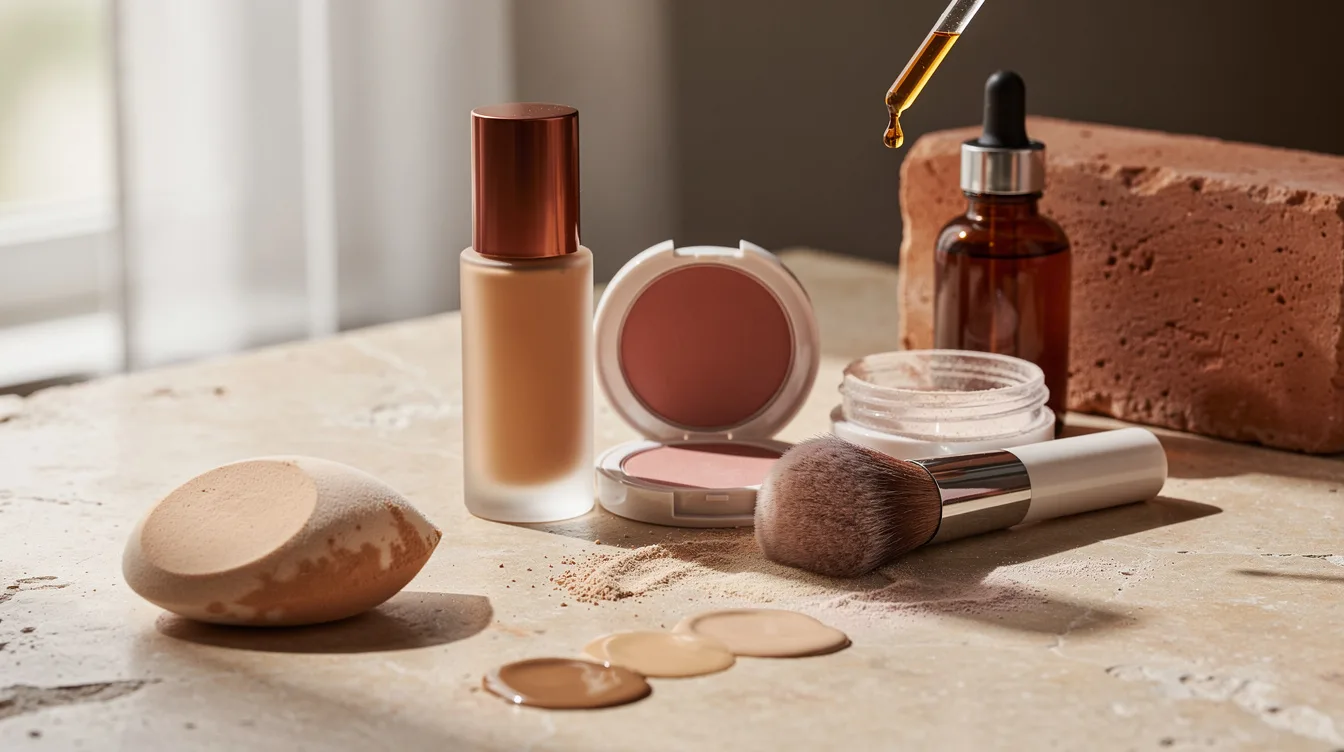
The mirror can be rude at 4 p.m.: foundation that looked polished at breakfast suddenly catches around the nose, under the eyes, and on the cheeks. A typical 0.3% retinol routine may improve skin texture over time, but makeup still needs to work with today’s barrier and hydration level.
For dry, thinner, or textured skin, cream and liquid formulas usually give a more forgiving finish because they add slip and a flexible film. Powder still earns a place, just rarely as an all-over matte base.
What you will find inside
- Stop Setting Your Entire Face With Powder
- Trade a Matte Powder Base for a Flexible Foundation
- Press Cream Blush Into the Cheek Instead of Dusting It On
- Choose Satin Bronzer Over a Flat Contour Stripe
- Use Concealer as Spot Coverage, Not a Second Foundation
- Match the Formula to the Day You’re Having
Stop Setting Your Entire Face With Powder
A full veil of setting powder can grab onto dry patches and make fine lines look more obvious by midday. Keep powder for the center of the forehead, sides of the nose, and other places that truly get shiny.
We prefer a soft brush over a puff for mature skin because it places less product at once. Press a whisper-thin layer of Laura Mercier Translucent Loose Setting Powder only where makeup tends to move, then leave the cheeks alone.
Trade a Matte Powder Base for a Flexible Foundation
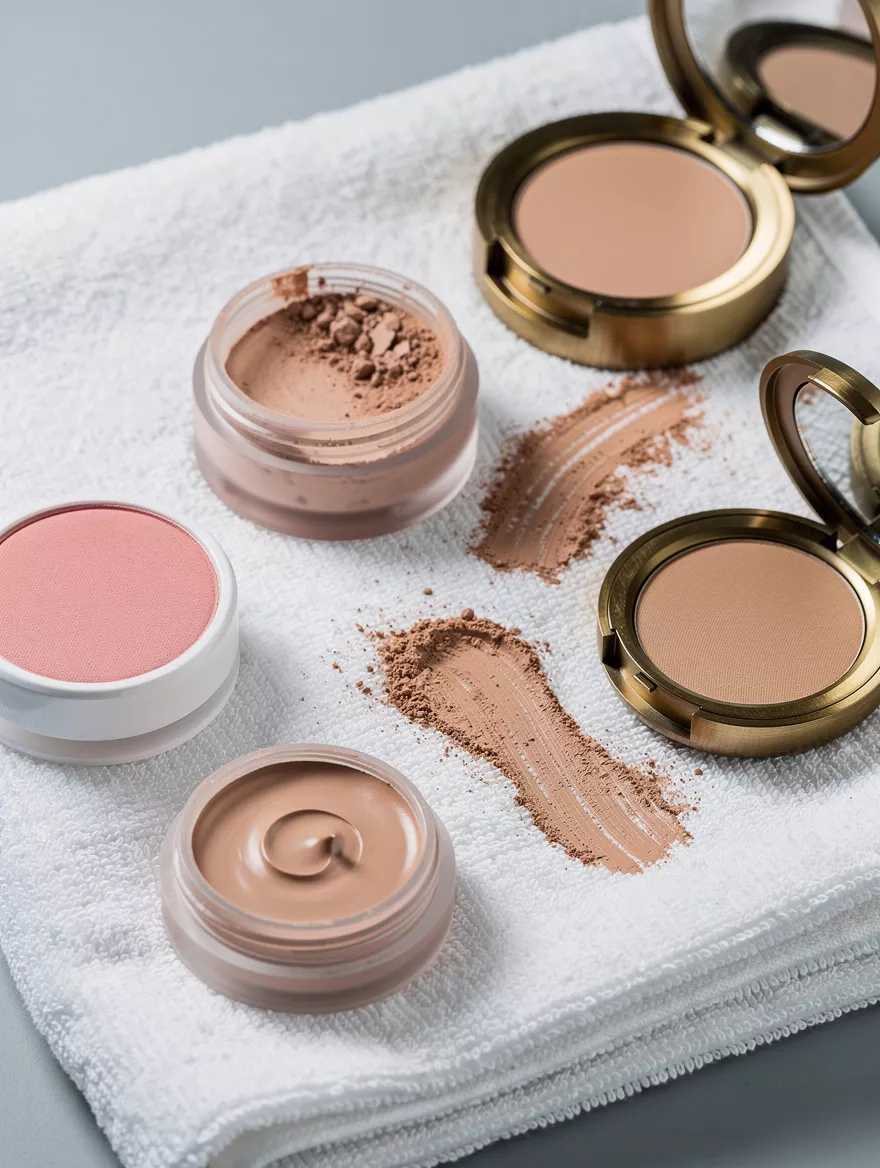
Powder foundation can be quick and useful on an oily T-zone, but heavy buffing often leaves a dry or dehydrated complexion looking flat. A light liquid such as NARS Light Reflecting Foundation is easier to apply selectively, which is usually the difference between coverage and a mask.
Start with moisturizer and sunscreen, then use a small amount of serum foundation through the center of the face and blend outward. Build coverage over redness or discoloration rather than adding another full layer everywhere.
Press Cream Blush Into the Cheek Instead of Dusting It On
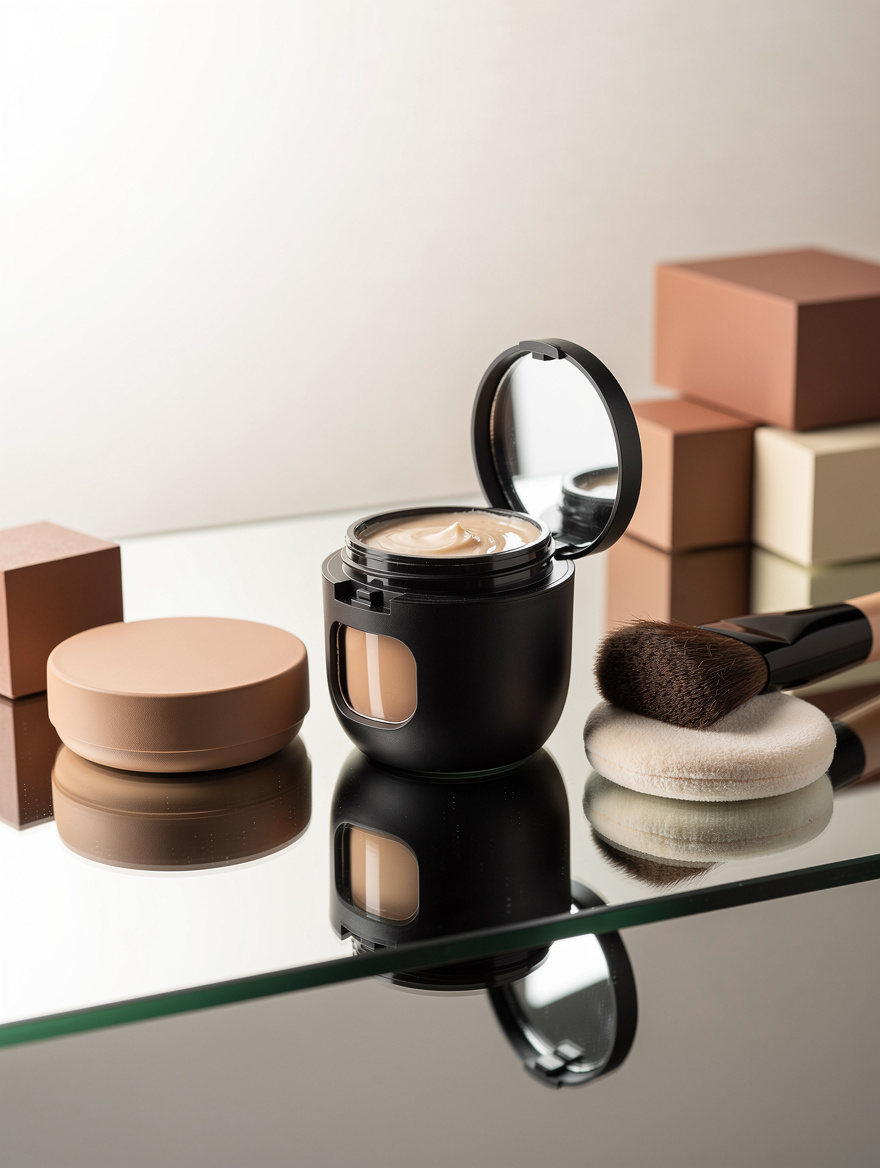
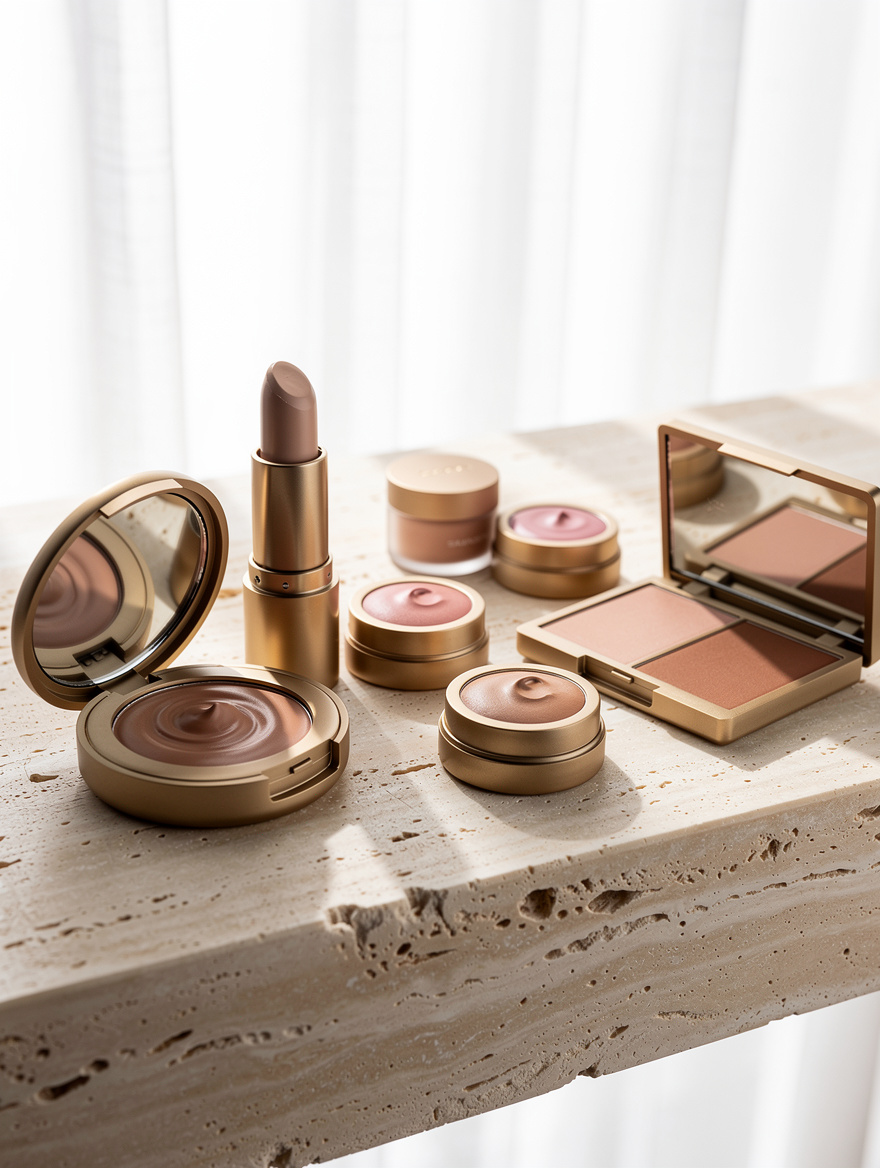
Dense matte powder blush can sit on peach fuzz or emphasize uneven cheek texture, especially when the base underneath is already dry. A cream formula, including Rare Beauty Soft Pinch Liquid Blush, generally melts into liquid foundation with less visible edge.
Use less than seems necessary, then tap it high on the cheek with fingers or a damp sponge. A tiny amount of cream blush looks more believable than a large swipe that has to be blended down.
Choose Satin Bronzer Over a Flat Contour Stripe
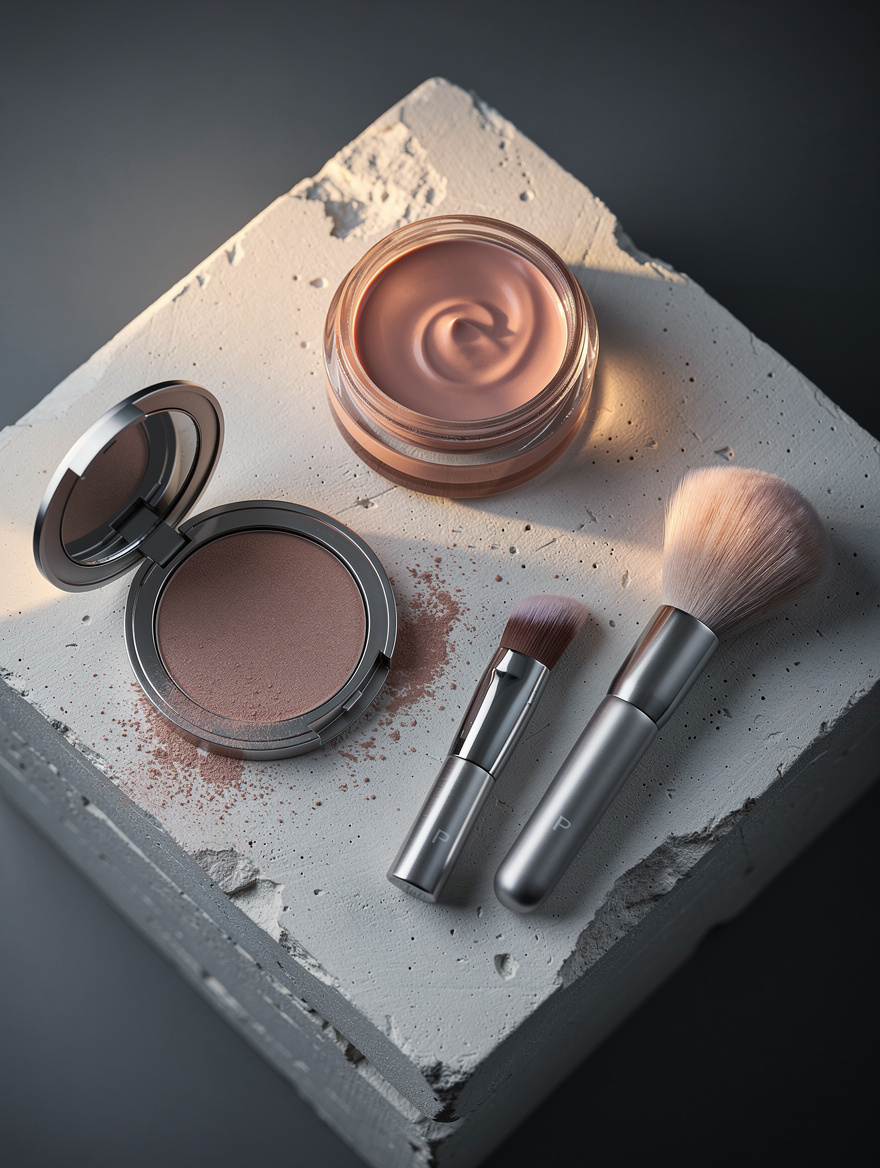
Very matte contour powder can read gray or chalky when it catches on a drier complexion. A satin powder or sheer cream bronzer adds gentle warmth without asking the skin to carry a thick layer of pigment.
Try Saie Sun Melt Natural Cream Bronzer in a small amount along the upper cheek and temples, not in a harsh line below the cheekbone. Skip obvious shimmer, which can call attention to enlarged pores in direct light.
Use Concealer as Spot Coverage, Not a Second Foundation
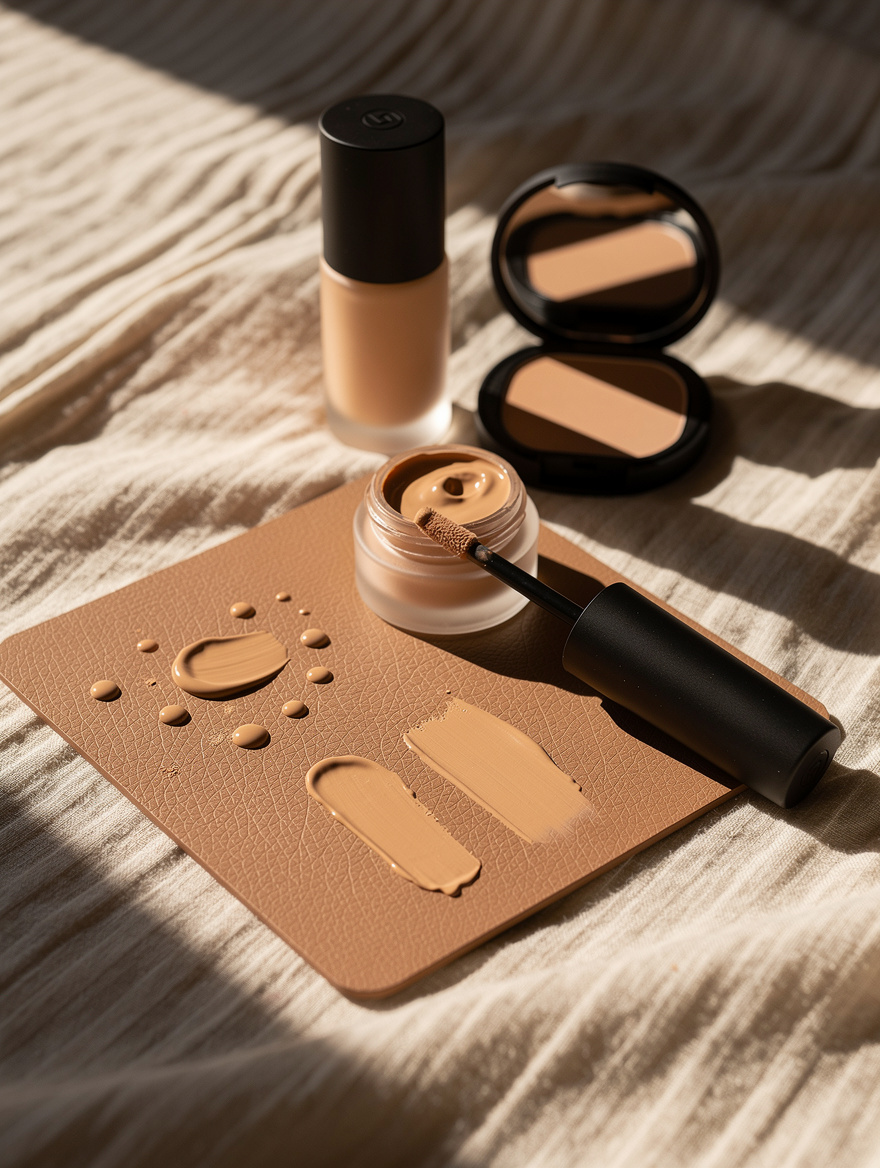
More under-eye concealer does not usually create a smoother result. A creamy option like NARS Radiant Creamy Concealer can offer coverage, but it can still crease when applied from lash line to cheek.
Place a few dots at the inner corner, darkness, or shadow only, then press them out with a fingertip. If needed, set the crease-prone area with the smallest amount of pressed powder, rather than baking the entire under-eye.
Match the Formula to the Day You’re Having
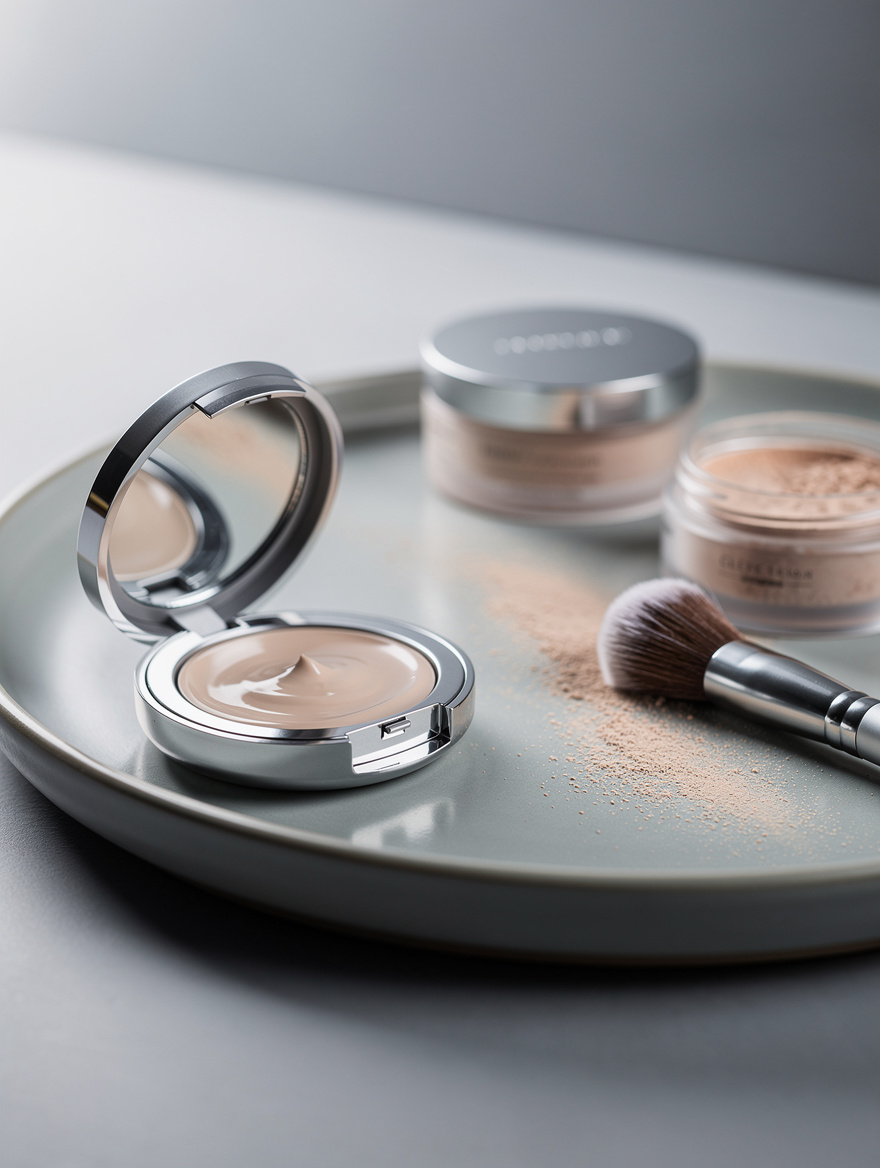
Menopausal skin can be dry one week and shiny through the T-zone the next, so a rigid cream-versus-powder rule is not useful. Keep a light mineral powder foundation for rushed, oilier days, and use it with an airy brush in thin layers.
Heavy cream foundation is also a poor choice for a workout or a humid, sweaty afternoon because makeup and perspiration can leave skin feeling drier or congested. Remove makeup gently afterward and reach for a barrier-supporting moisturizer with ceramides, glycerin, or hyaluronic acid if skin feels tight.
Start with one switch: stop powdering dry cheeks and use a cream or liquid blush over a well-moisturized base. See a dermatologist about any spot that bleeds, changes shape, or does not heal, because makeup should never be used to cover up a skin concern.