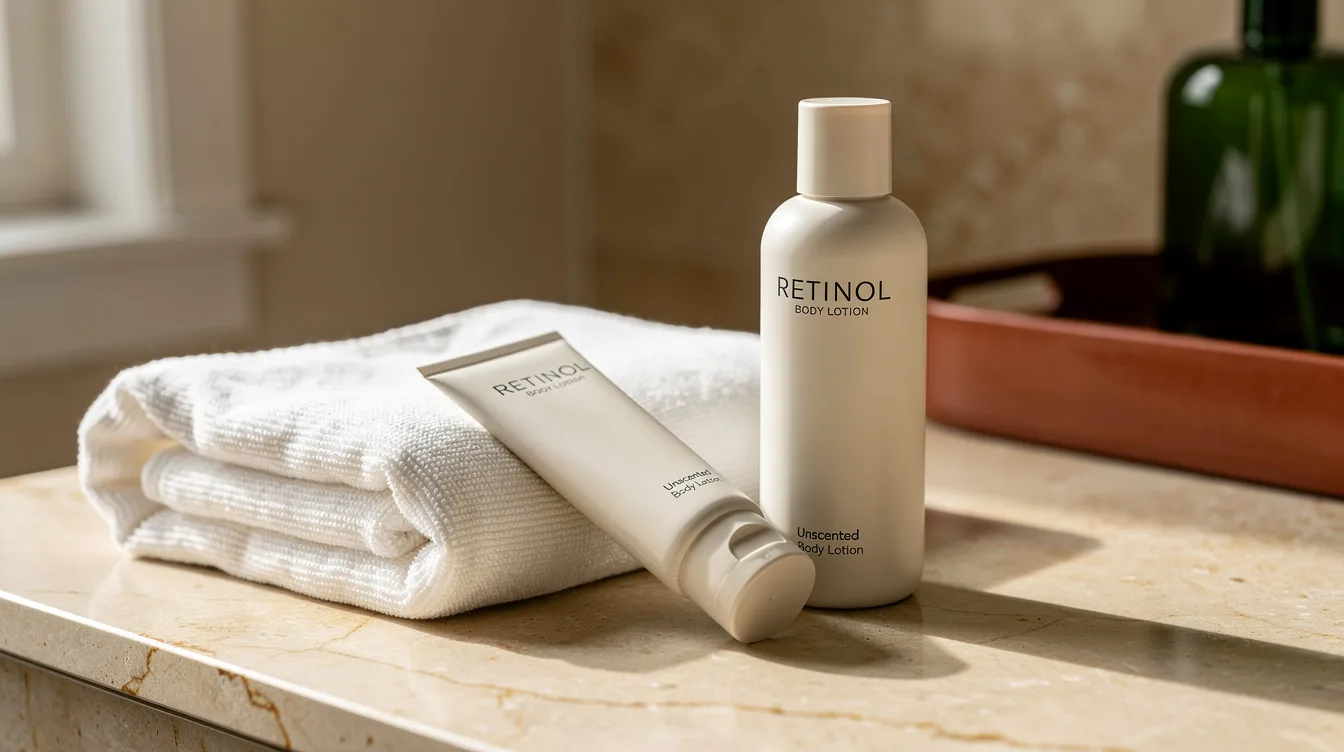
The forearms can look suddenly paper-thin in a bathroom mirror, even when the same lotion that once worked is still on the shelf. Menopause skin often needs more barrier support, and a typical 0.1% retinol body treatment can be a useful texture-focused addition.
Crepey skin is usually a mix of dryness, rough surface cells, and longer-term changes in collagen and elasticity. A lotion can make skin feel more comfortable and look smoother, but it cannot fully tighten meaningful loose skin.
What you will find inside
- Start With Barrier Repair Every Day
- Use Retinol Where Texture Bothers You Most
- Smooth Rough Patches With Lactic Acid
- Keep Stronger Exfoliation in a Small Zone
- Protect Treated Skin From Daily UV Exposure
- Separate Dryness Care From Medical Concerns
Start With Barrier Repair Every Day
Use a generous body lotion after bathing, while skin is still slightly damp, because water-binding ingredients work best when there is water nearby. Eucerin Advanced Repair Lotion, typically about $12 to $16 for 16.9 fl oz, is a smart dryness-first choice for tight, flaky, or itchy-feeling skin.
Its 5% urea helps hold water in the outer skin layer, while ceramide support makes more sense for menopause-related dryness than chasing a single firming claim. We’d choose this over a lightly scented lotion for daily arms, shins, thighs, and chest.
Use Retinol Where Texture Bothers You Most
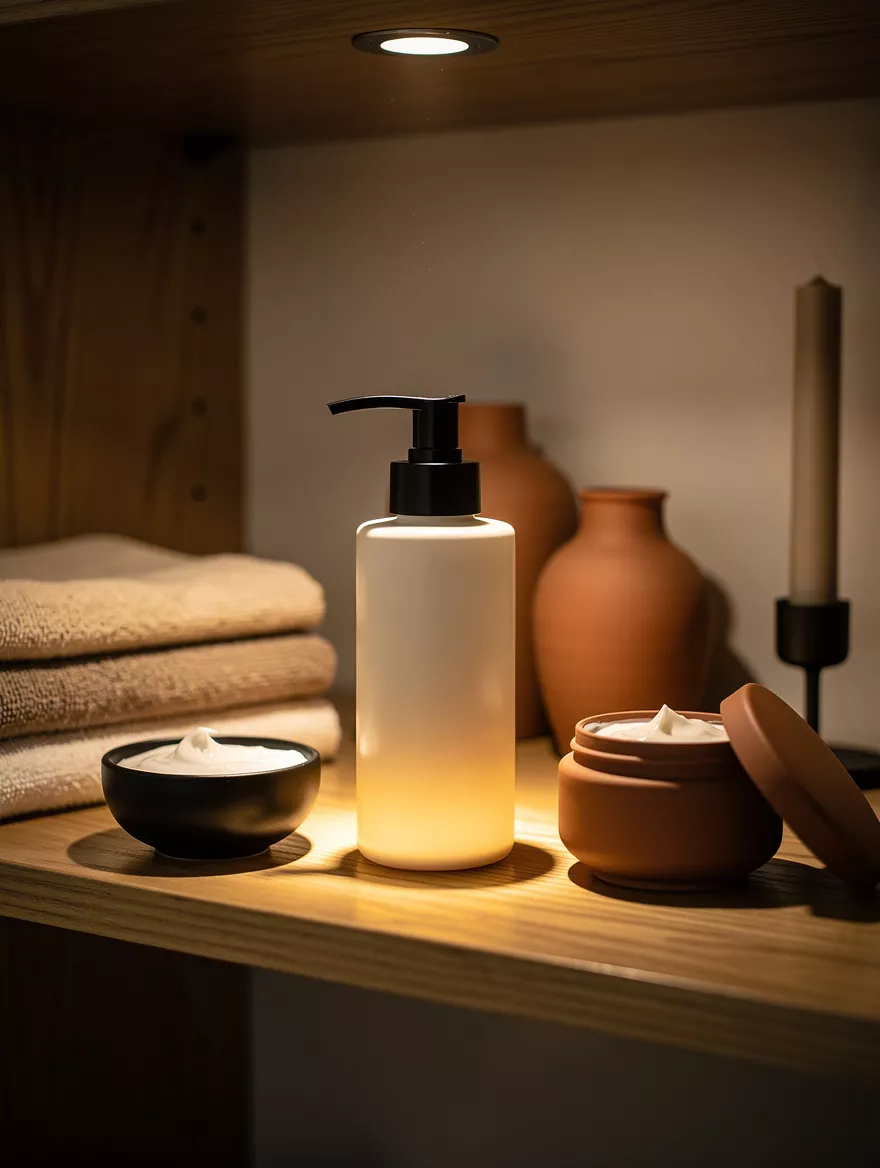
For fine crinkling and sun-exposed texture, Paula’s Choice Retinol Skin-Smoothing Body Treatment is the clearest treatment-focused pick. At about $37 for 4 fl oz, it costs more than a basic lotion, so reserve it for upper arms, hands, chest, or other areas that genuinely concern you.
The disclosed 0.1% pure retinol is a reasonable body strength to introduce gradually, rather than applying nightly from day one. Start two or three evenings a week, moisturize on alternate nights, and reduce frequency if skin feels sore, dry, or persistently irritated.
Smooth Rough Patches With Lactic Acid
When shins look scaly or knees and elbows feel rough, a keratolytic moisturizer can make a more immediate visible difference than another rich cream. AmLactin Daily Nourish Lotion, usually about $15 to $18 for 14.1 oz, uses lactic acid to hydrate while loosening built-up surface cells.
The formula contains 12% lactic acid, which is effective enough to deserve a slow start on reactive skin. Skip it right after shaving or on cracked areas, since stinging is a common sign that the barrier needs plain moisturizer first.
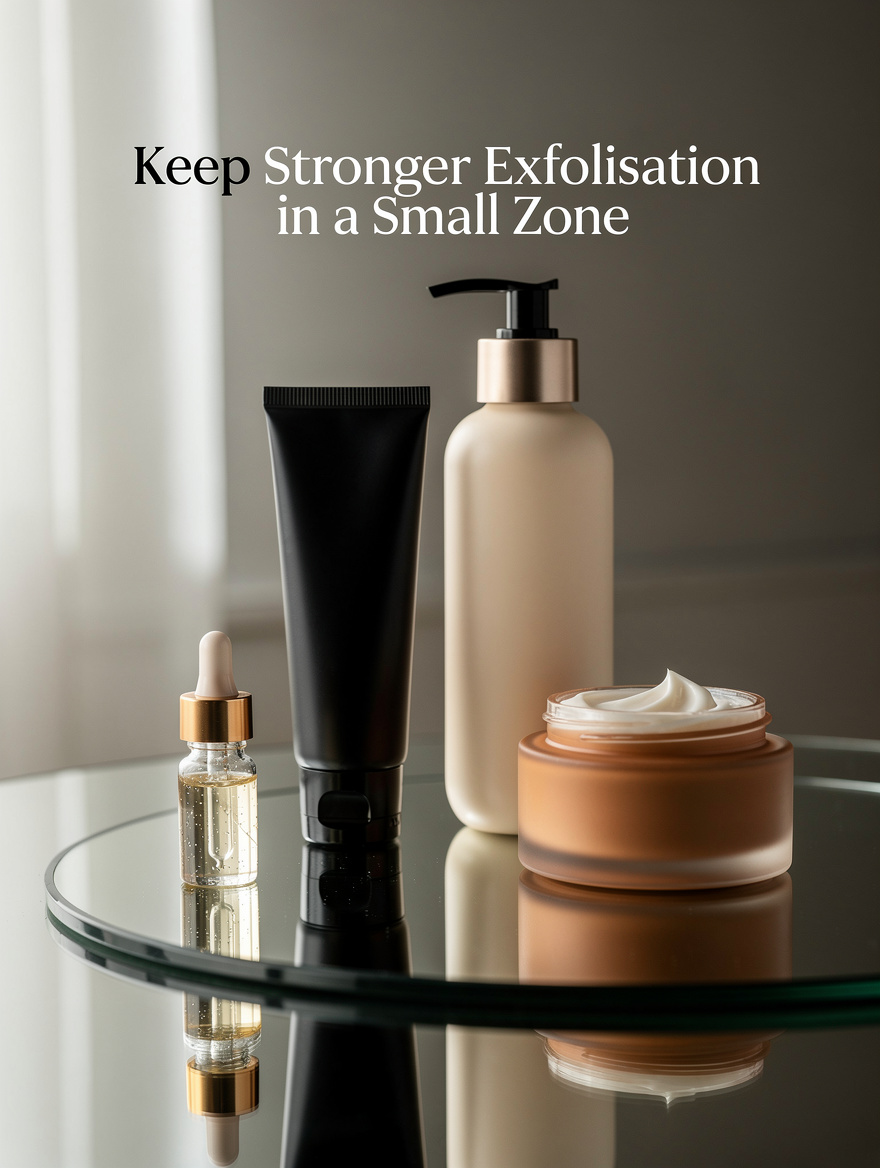
Keep Stronger Exfoliation in a Small Zone
More exfoliation is not automatically better for menopause skin, especially when dryness and sensitivity are already part of the picture. AmLactin Intensive Healing Lotion, with 15% lactic acid and a typical price around $16 to $22 depending on size, is better saved for stubborn rough zones.
Use a 15% lactic acid product on lower legs, elbows, or knees first, then assess comfort before expanding its use. Applying it everywhere can turn a useful smoothing step into an avoidable cycle of burning and dryness.
Protect Treated Skin From Daily UV Exposure
Retinoids and exfoliating acids belong alongside sun protection on exposed areas, because ultraviolet exposure contributes to visible texture changes over time. A broad-spectrum SPF 30 body sunscreen is the practical companion for forearms, chest, and hands when they will see daylight.
There is no need to make sunscreen complicated: Neutrogena Ultra Sheer Body Mist SPF 70 can be convenient for arms and legs, though a lotion format often gives more even coverage when rubbed in carefully. Use enough to cover exposed skin, and follow the package directions for reapplication.
Separate Dryness Care From Medical Concerns
Body lotion is appropriate for ordinary dryness and roughness, but persistent itch, pain, spreading rash, or open areas deserve professional guidance. Even a well-formulated option such as CeraVe Moisturizing Cream cannot diagnose the reason skin is changing.
See a dermatologist for any spot that bleeds, changes shape, or does not heal, and do not delay prescribed treatment in favor of an over-the-counter routine. A dermatologist can also help sort out whether retinoids, eczema care, allergy evaluation, or an in-office option fits the concern.
Start with Eucerin Advanced Repair Lotion after every shower for two weeks, then add a retinol body treatment only to the areas where crepey texture remains your priority. That order keeps the routine useful, comfortable, and far less expensive than buying several “firming” lotions at once.