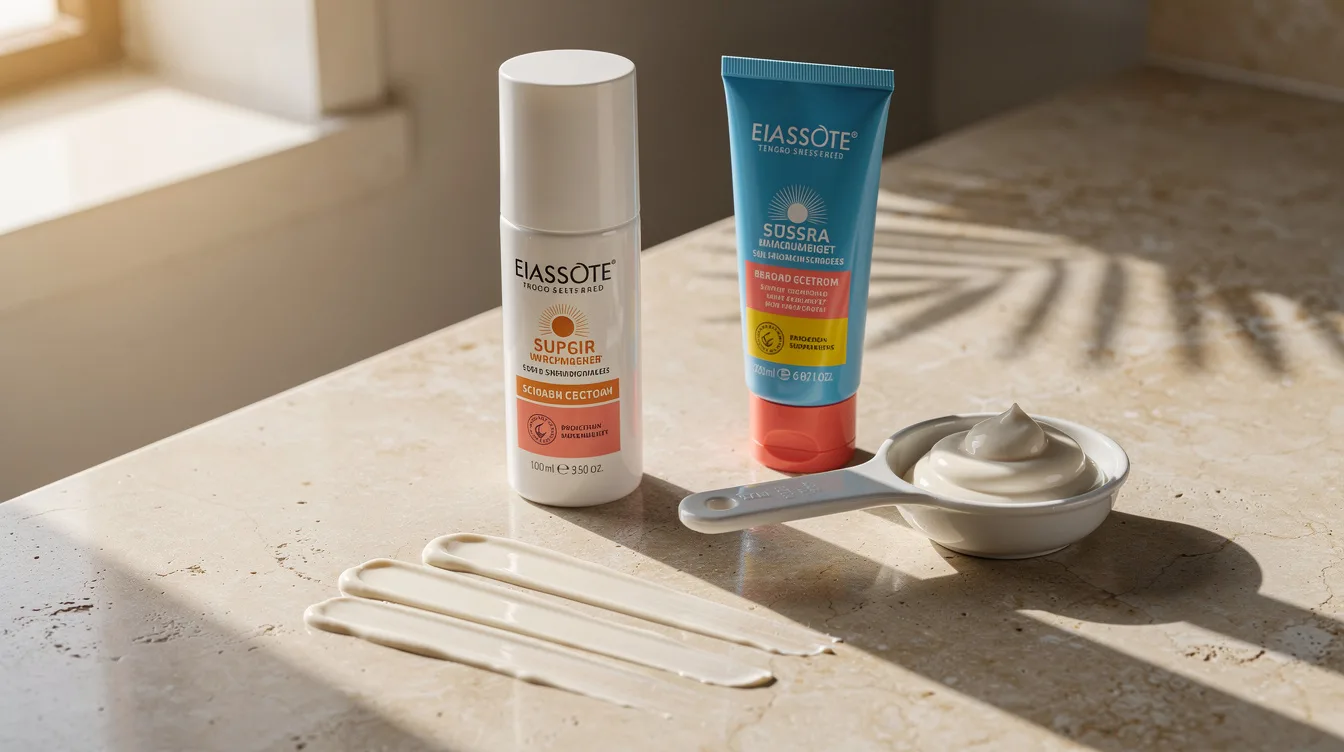
The mirror can be unforgiving after makeup settles into dry patches, especially when the sunscreen underneath was only a pea-sized dab. For the face alone, a useful measured target is about ¼ teaspoon, or roughly 1.25 mL, which is far more product than most of us expect.
Skin over 50 often has a thinner, drier barrier, so the right formula has to feel comfortable enough to apply generously. A labeled SPF is tested at a specific full application amount, not the skimpy layer that disappears in ten seconds.
What you will find inside
- Measure More Than a Pea-Size Dab
- Choose SPF 50 for Everyday Margin
- Cover the Places Makeup Usually Misses
- Pick Filters You Will Actually Wear
- Apply Before You Step Into the Sun
- Reapply Before the Bottle Has to Prove It
Measure More Than a Pea-Size Dab
Sunscreen earns its stated protection in testing at 2 mg/cm², and underapplying means an SPF 50 will not perform like the number on its label. For your face, use about ¼ teaspoon; include ears, the front and sides of the neck, and upper chest, and move closer to ½ teaspoon.
My practical preference is two full strips along the index and middle fingers, then applying them in two thin coats. It feels less slippery than one overloaded layer and makes it easier to cover the nose, temples, and jawline evenly.
A fluid formula such as La Roche-Posay Anthelios Melt-In Milk Sunscreen SPF 60, typically around $25, makes this amount easier to spread than a thick cream. The best sunscreen is the one you can use at the tested quantity without talking yourself out of it.
Choose SPF 50 for Everyday Margin
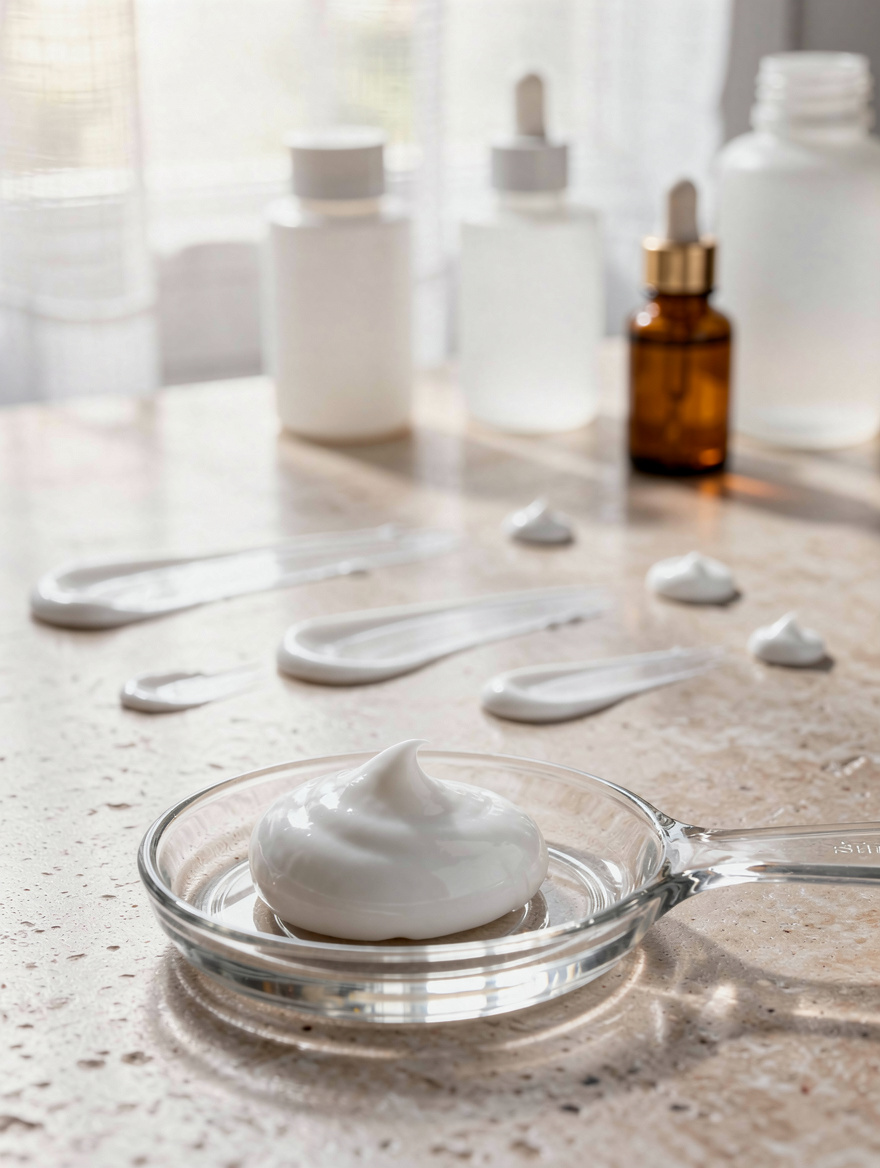
Broad-spectrum SPF 50 is a sensible daily target for exposed face, ears, neck, and chest. SPF 30 filters about 97% of UVB in laboratory conditions and SPF 50 about 98%, but that small difference gives useful breathing room when real-life application is imperfect.
UVA exposure is relevant to visible uneven tone and cumulative sun damage, while UVB is strongly associated with sunburn. Broad-spectrum labeling tells you the formula meets U.S. Requirements for both types of protection, which matters more than chasing a dramatic number on the front label.
Neutrogena Invisible Daily Defense Face Serum SPF 60+, often about $17, is worth considering if you want a lightweight texture under makeup. I would choose comfort and broad-spectrum coverage over an intimidatingly high SPF that stays in the cabinet.
Cover the Places Makeup Usually Misses
Start with forehead, cheeks, nose, chin, and jaw, then deliberately return to the hairline, temples, ears, upper lip, and neck. These small zones get skipped when you are stretching a tiny amount across a larger area.
Use a little extra over the nose and high cheekbones, where sunlight hits directly and glasses can rub product away. CeraVe Hydrating Mineral Sunscreen Face Sheer Tint SPF 30, often around $16, can be a comfortable option for dry skin, though its SPF 30 means precise, generous application matters even more.
Let your sunscreen form an even film before foundation. The goal is coverage, not a perfectly invisible finish on the first pass.
Pick Filters You Will Actually Wear
“Mineral” does not automatically mean better, and organic-filter formulas are not automatically a poor choice. A formula with reliable broad-spectrum protection that you will apply every morning is the useful choice.
Zinc oxide is commonly used at roughly 9% to 24% in U.S. Formulas and offers broad UVA and UVB coverage. It can suit reactive skin, but higher-zinc products may feel heavier or leave a visible cast, particularly when applied at the needed amount.
A hybrid such as EltaMD UV Clear Broad-Spectrum SPF 46, typically around $43, combines 9% zinc oxide with 7.5% octinoxate for a lighter feel. Some people find organic filters sting around the eyes, so personal comfort is a legitimate deciding factor.
Apply Before You Step Into the Sun
Put sunscreen on about 15 minutes before outdoor exposure, after your moisturizer has settled briefly. Morning light through a car window, a dog walk, or an outdoor coffee can add up, so this works best as the final skincare step rather than a product reserved for beach days.
For a simple routine, moisturizer first, sunscreen second, makeup last. Olay Complete+ Daily Facial Moisturizer SPF 40, usually around $15, may streamline a dry-skin morning, although a dedicated SPF 50 is the stronger practical choice for substantial outdoor time.
Powder SPF and SPF makeup can be handy later, but they rarely replace a generous first sunscreen layer. Treat them as touch-up support, not your morning protection plan.
Reapply Before the Bottle Has to Prove It
Reapply every two hours while outdoors, and right after swimming, heavy sweating, or toweling off. Water-resistant labeling can help during activity, but it does not make one application last all afternoon.
For makeup days, a sunscreen stick can make targeted reapplication more realistic, though several passes are usually needed for adequate coverage. Supergoop! Unseen Sunscreen SPF 40, often around $38, is popular for its clear silicone-gel finish, but use enough product rather than relying on its invisible feel.
Sunscreen also works best alongside a hat, sunglasses, shade, and protective clothing. See a dermatologist for any spot that bleeds, changes shape, or does not heal.
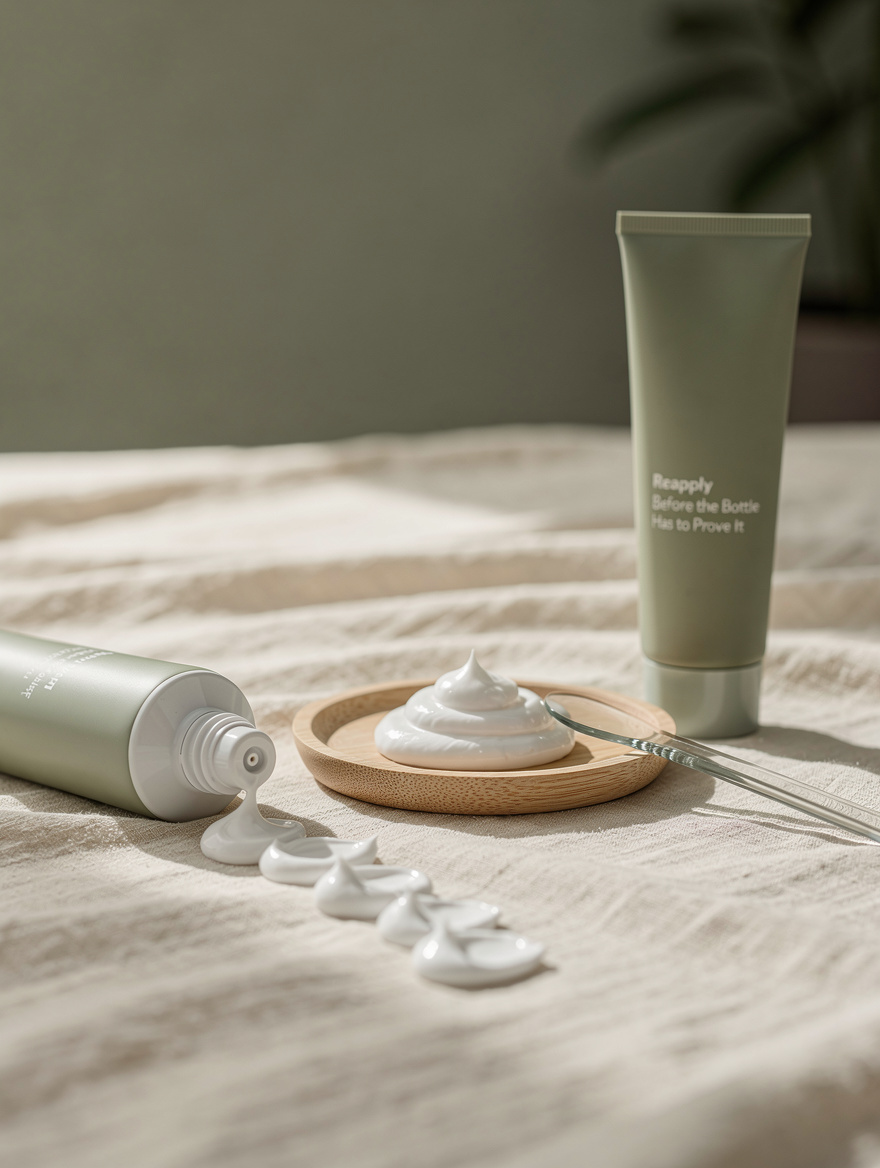
Start tomorrow by measuring two finger-length strips of a wearable broad-spectrum SPF 50 and taking it down your neck. That one adjustment costs no more than the sunscreen already on your shelf, and it fixes the most common application gap.