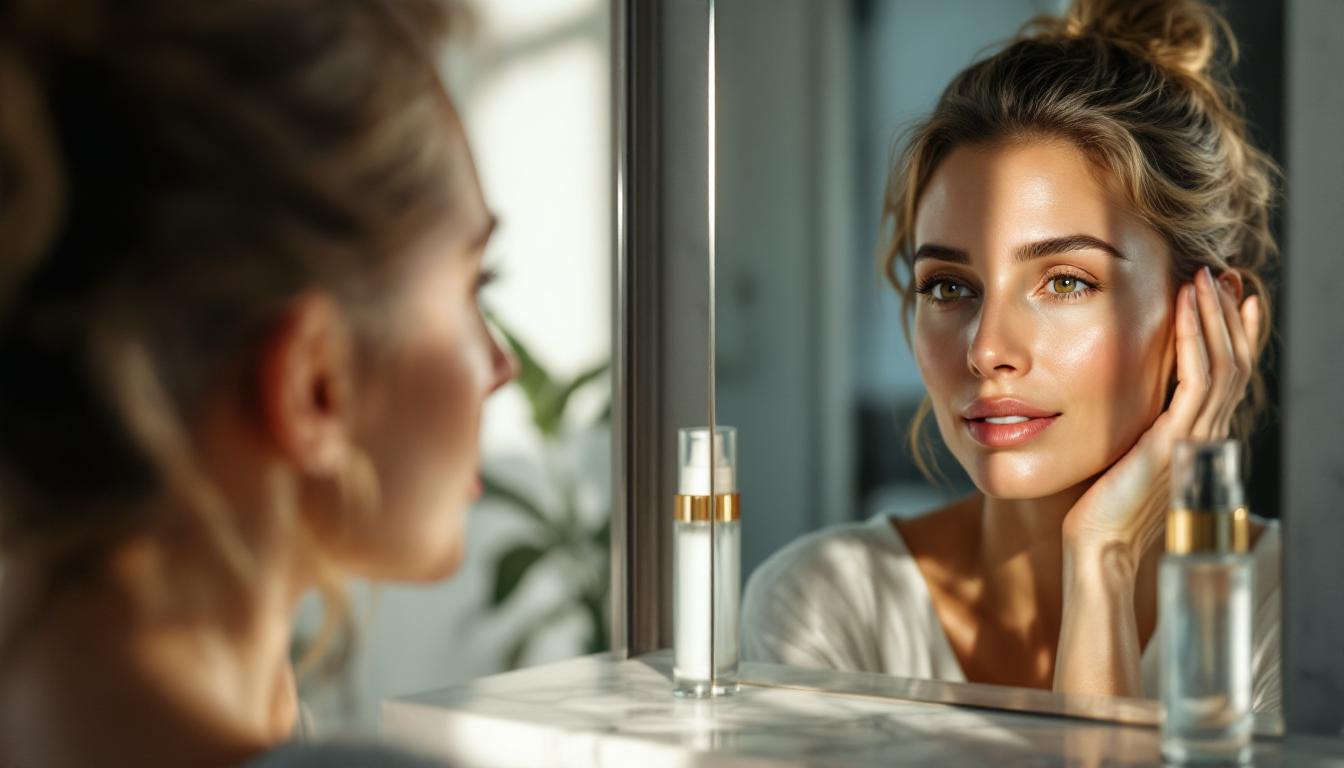
Your skin might be trying to tell you something important. That tight, dull complexion staring back at you in the mirror? It could be crying out for water. While we often focus on expensive anti-aging creams, dermatologists are revealing a simpler truth: dehydration might be making you look older than you actually are.
The surprising connection between water and aging
When your body lacks adequate hydration, your skin is usually the first to show it. “Dehydration causes the skin to lose its plumpness and elasticity, making fine lines more noticeable and giving the skin a crepey, aged appearance,” explains Dr. Rebecca Chen, a board-certified dermatologist specializing in aging skin. This isn’t just about comfort—it’s about your appearance and skin health.
The difference between dehydrated skin and naturally aging skin can be significant, yet many people confuse the two. Dehydration lines appear temporarily when skin lacks moisture, while true wrinkles develop from structural changes over time.
How dermatologists spot dehydrated aging
Dermatologists can quickly identify the telltale signs of dehydration-induced aging. These include:
- Increased visibility of fine lines, especially around the eyes
- Dull, flaky skin texture that lacks radiance
- Exaggerated dark circles and eye hollows
- Increased skin sensitivity and redness
The science behind water’s anti-aging effects
“When we examine dehydrated skin under a microscope, we see compromised cellular structures in the stratum corneum—the skin’s protective outer layer,” notes Dr. Michael Rivera, clinical dermatologist at University Hospital. “This disruption accelerates the visible aging process and makes skin more vulnerable to environmental damage.”
Like a grape that withers into a raisin, skin cells without proper hydration lose their volume and vitality. This cellular dehydration creates a cascade of effects that can add years to your appearance.
Beyond drinking water: The complete hydration strategy
While drinking adequate water is crucial, dermatologists emphasize that maintaining youthful skin requires a comprehensive approach. Many patients make the mistake of relying on beverages that actually worsen dehydration.
For instance, starting your morning with lemon water might seem healthy, but its acidity can affect both dental health and your skin’s pH balance, potentially contributing to dehydration issues.
The dehydration-inflammation connection
Research shows that dehydrated skin often triggers inflammatory responses, which can worsen existing skin conditions. Interestingly, this inflammation cycle relates to other bodily systems as well. Some patients who experience relief from joint pain after eliminating dairy also report improvements in skin hydration and appearance.
Daily habits that secretly dehydrate your skin
Several everyday habits contribute to skin dehydration:
- Hot showers that strip natural oils
- Alcohol consumption causing fluid loss
- Air conditioning and heating reducing ambient humidity
- Certain spices and foods with diuretic effects
Surprisingly, some common culinary ingredients can impact hydration. Some patients discover that eliminating certain spices resolves digestive issues while simultaneously improving skin hydration levels.
Your 14-day hydration challenge
“I often challenge my patients to a two-week hydration reset,” says Dr. Chen. “The transformation can be remarkable—fine lines soften, skin regains luminosity, and that tired, aged appearance diminishes significantly.” The skin, like a parched garden responding to rain, shows visible renewal when properly hydrated.
For more comprehensive guidance on skin health and aging, visit the Health category on Osmoz for expert-backed advice on maintaining your body’s largest organ.
Could the fountain of youth be as simple as a glass of water? While hydration isn’t the only factor in skin aging, dermatologists agree it’s one of the most powerful—and overlooked—tools in your anti-aging arsenal. Your skin’s clock might be ticking, but proper hydration can certainly slow the hands of time.