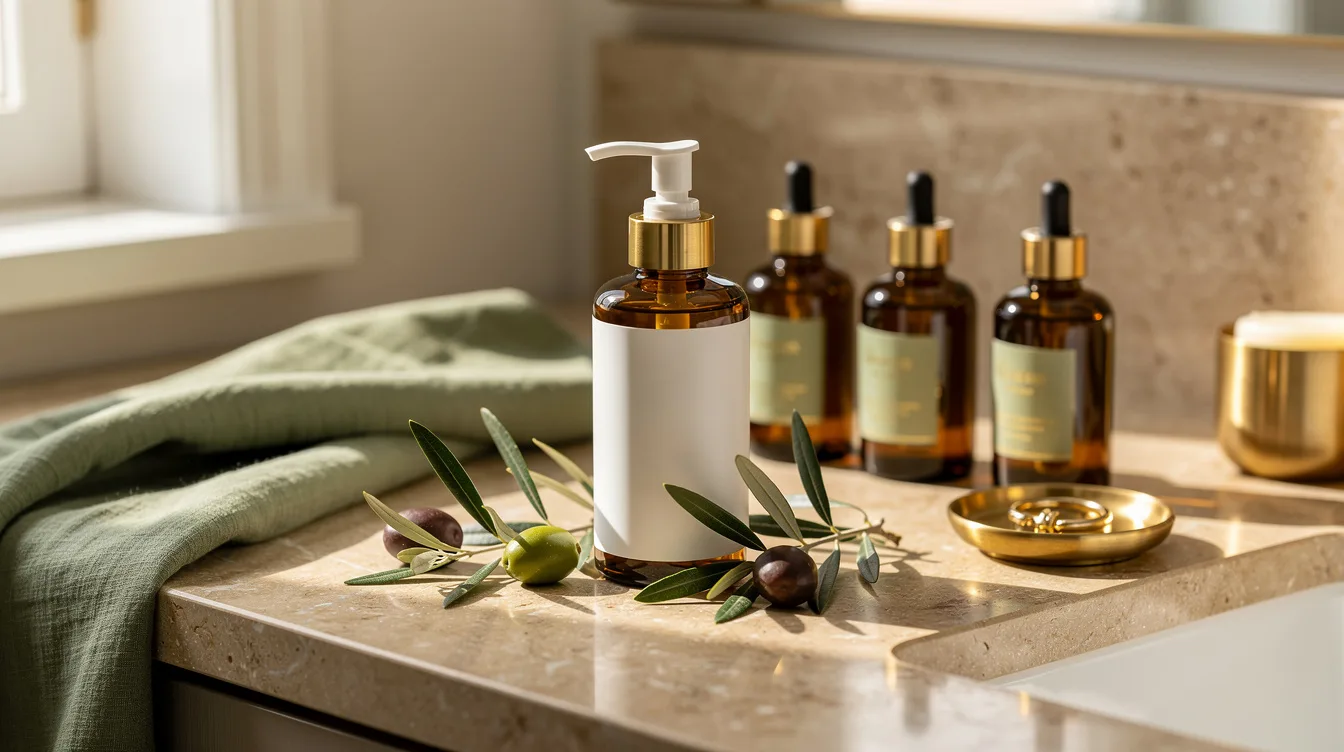
One night, a formerly dependable exfoliating toner can suddenly make the cheeks feel hot, tight, and oddly shiny by morning. With a typical 5% lactic acid leave-on costing about $11 to $18, starting gently makes more sense than chasing the strongest bottle.
For mature skin, lactic acid usually offers the more comfortable entry point, while glycolic acid earns its place when roughness or uneven-looking tone needs more muscle. Both are alpha-hydroxy acids, and neither replaces prescription options a dermatologist may recommend for wrinkles or pigment concerns.
What you will find inside
- Start With Lactic Acid When Skin Feels Dry
- Use Glycolic Acid for Stubborn Roughness
- Read the Formula Beyond the Percentage
- Keep Acid Nights Separate From Retinoids
- Protect the Barrier Before Chasing Brightness
- Wear Sunscreen Every Morning
Start With Lactic Acid When Skin Feels Dry
Lower estrogen can mean less oil, a thinner-feeling barrier, and slower recovery after irritation, which is why we favor The Ordinary Lactic Acid 5% + HA as a cautious first experiment. Its 5% strength is formulated for surface smoothing, and once weekly at night is plenty at the beginning.
Lactic acid has a larger molecule than glycolic acid and generally feels more gradual on dry, reactive skin. That does not make it consequence-free, so skip it on cracked, peeling, or actively irritated areas and follow with a plain moisturizer.

Use Glycolic Acid for Stubborn Roughness
When the forehead, jawline, or sides of the face have persistent rough texture or sun-related dullness, glycolic acid can be the stronger choice. It penetrates readily, which may help improve the look of surface unevenness, but that same quality can bring stinging and peeling.
A product such as Pixi Glow Tonic 5% Glycolic Acid, typically around $18, is a reasonable place to start for resilient normal-to-dry skin. Use it once weekly, then consider every four or five days only if skin stays calm and comfortable.
Read the Formula Beyond the Percentage
A percentage on the front label does not tell the full story. The formula’s pH, available acid, fragrance, delivery system, and whether it is rinsed off all affect how assertive an acid feels on skin.
The Ordinary Glycolic Acid 7% Toning Solution is widely available and inexpensive, often around $13, but 7% can be a lot for a face that has become dry or retinoid-sensitive. We think of it as a product for tougher texture, not a default nightly toner for everyone over 50.
Keep Acid Nights Separate From Retinoids
Layering an AHA with a retinoid in the same routine can create more irritation than visible payoff. Use your acid on one night and a retinoid, including a typical 0.3% retinol, on another night unless a dermatologist has given you a specific plan.
This spacing leaves room for moisturizer and lets you identify the source if burning, persistent redness, or flaking starts. Women using prescription tretinoin, benzoyl peroxide, or treatments for rosacea should ask their dermatologist before adding a leave-on acid.
Protect the Barrier Before Chasing Brightness
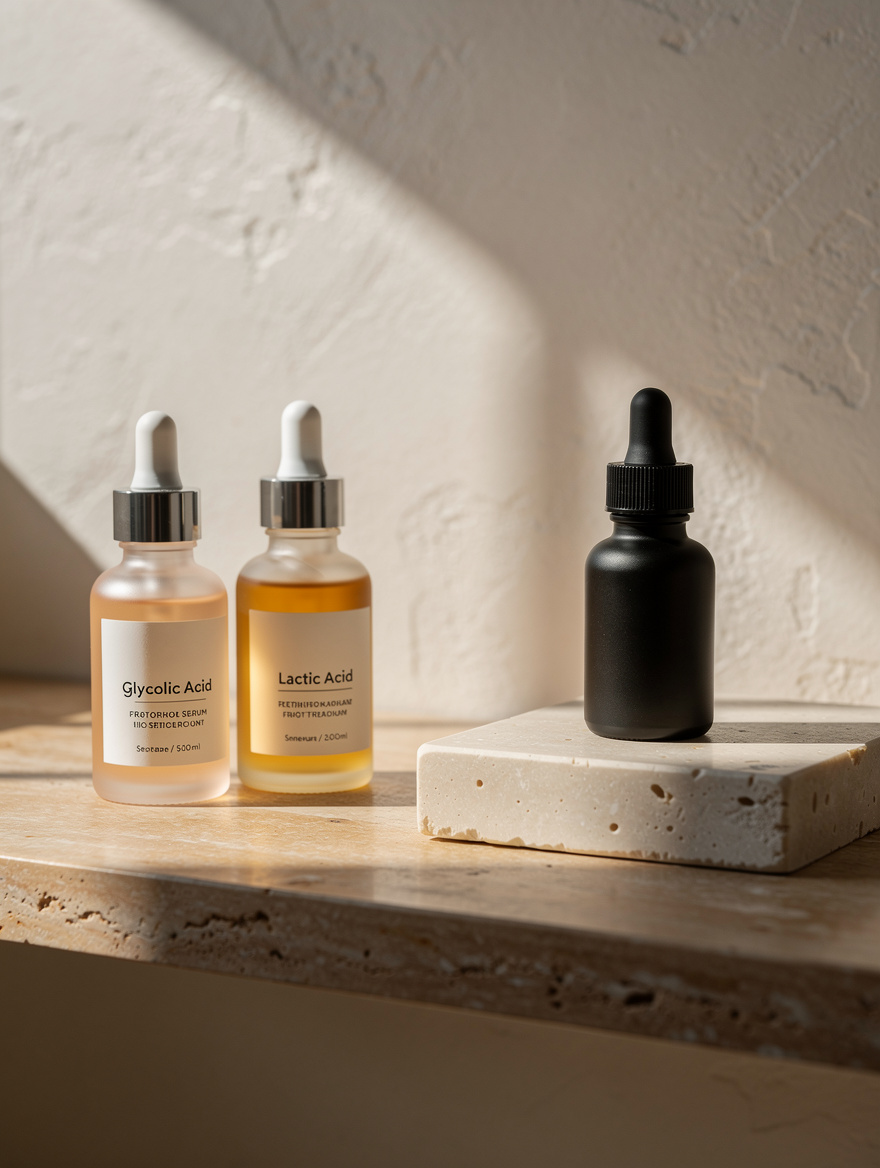
Acids can loosen compacted surface cells, so they may make texture look smoother and tone look more even over roughly six to 12 weeks of careful use. They also make a compromised routine easier to aggravate, especially when cleanser, scrub, and toner all contain exfoliating ingredients.
Pair an acid night with a simple barrier-supporting moisturizer such as CeraVe PM Facial Moisturizing Lotion, typically about $16, rather than adding vitamin C, a scrub, and a mask. We prefer comfort over a temporary tingle, because inflammation can leave discoloration looking more noticeable.
Wear Sunscreen Every Morning
Daily broad-spectrum sunscreen is the practical companion to either acid, since newly exfoliated skin still needs reliable sun protection. Choose an SPF 30 to 50+ formula you will actually apply generously, such as La Roche-Posay Anthelios Melt-In Milk Sunscreen SPF 60.
Sunscreen supports the cosmetic goals of an exfoliating routine and helps prevent sun exposure from working against efforts to improve visible uneven tone. Any spot that bleeds, changes shape, or does not heal deserves a dermatologist’s evaluation instead of more exfoliation.
Begin with a 5% lactic-acid leave-on once a week, moisturizer afterward, and broad-spectrum sunscreen every morning. Move toward glycolic acid only when your skin is consistently comfortable and roughness or uneven-looking pigment remains the priority.