Your phone buzzes at midnight with another TikTok notification. Another skincare unboxing video floods your For You Page. This time it’s Skinceuticals C E Ferulic, the $165 serum everyone suddenly can’t stop talking about. But beyond the viral hashtags and influencer codes lies something TikTok rarely explains: the molecular science that makes this brand actually work.
The molecular architecture behind Skinceuticals’ viral C E Ferulic formula
Three molecules work in perfect synergy to create what dermatologists call the gold standard of antioxidant protection. L-ascorbic acid at 15% concentration penetrates the epidermis and dermis layers, neutralizing free radicals from UV exposure and pollution damage.
Vitamin E stabilizes the ascorbic acid while doubling photoprotection capacity. Ferulic acid acts as the molecular shield, preventing oxidation of both vitamins. Think of it as a three-lock security system for your skin cells.
Clinical studies show this specific combination reduces 48% of potential damage from environmental aggressors. The precise ratio isn’t random—15% L-ascorbic acid, 1% alpha tocopherol, 0.5% ferulic acid represents years of clinical testing to maximize stability and efficacy.
How vitamin C penetrates three skin layers in 15 minutes
The secret lies in pH chemistry most TikTok videos ignore. L-ascorbic acid only penetrates skin when formulated below pH 3.5. At this acidity level, the charged molecules become neutral enough to pass through the skin barrier.
The 20% concentration threshold for maximum absorption
Research demonstrates that 20% vitamin C lotion achieves 84.7% transdermal penetration within 24 hours. Skinceuticals’ 15% concentration hits the sweet spot—clinically effective without causing irritation that higher percentages trigger.
Why drugstore alternatives fail the pH test
Mass-market vitamin C serums often use pH levels above 4.0 to prevent stinging. This gentle approach renders the vitamin C virtually useless. The molecules can’t penetrate beyond the surface layer, creating temporary glow without cellular transformation.
Why dermatologists trust Skinceuticals despite the $130-$165 price point
Board-certified dermatologists recommend Skinceuticals for its pharmaceutical-grade formulation standards. The amber glass packaging prevents light degradation that destroys vitamin C potency in clear bottles.
Clinical-grade concentration vs cosmetic-grade dilution
Dr. Whitney Bowe explains the difference: “Clinical formulations deliver active ingredients at concentrations proven to penetrate the skin barrier and trigger measurable biological changes. Drugstore alternatives often use much lower concentrations that simply sit on the skin surface.”
The 35-40% growth projection rooted in formula loyalty, not viral trends
Market analysis shows Skinceuticals’ projected revenue growth stems from cumulative reorders from satisfied users. Unlike viral brands that spike and fade, this growth reflects dermatologist endorsements driving consistent purchases over TikTok impulse buys.
The sensory transformation clinical efficacy delivers
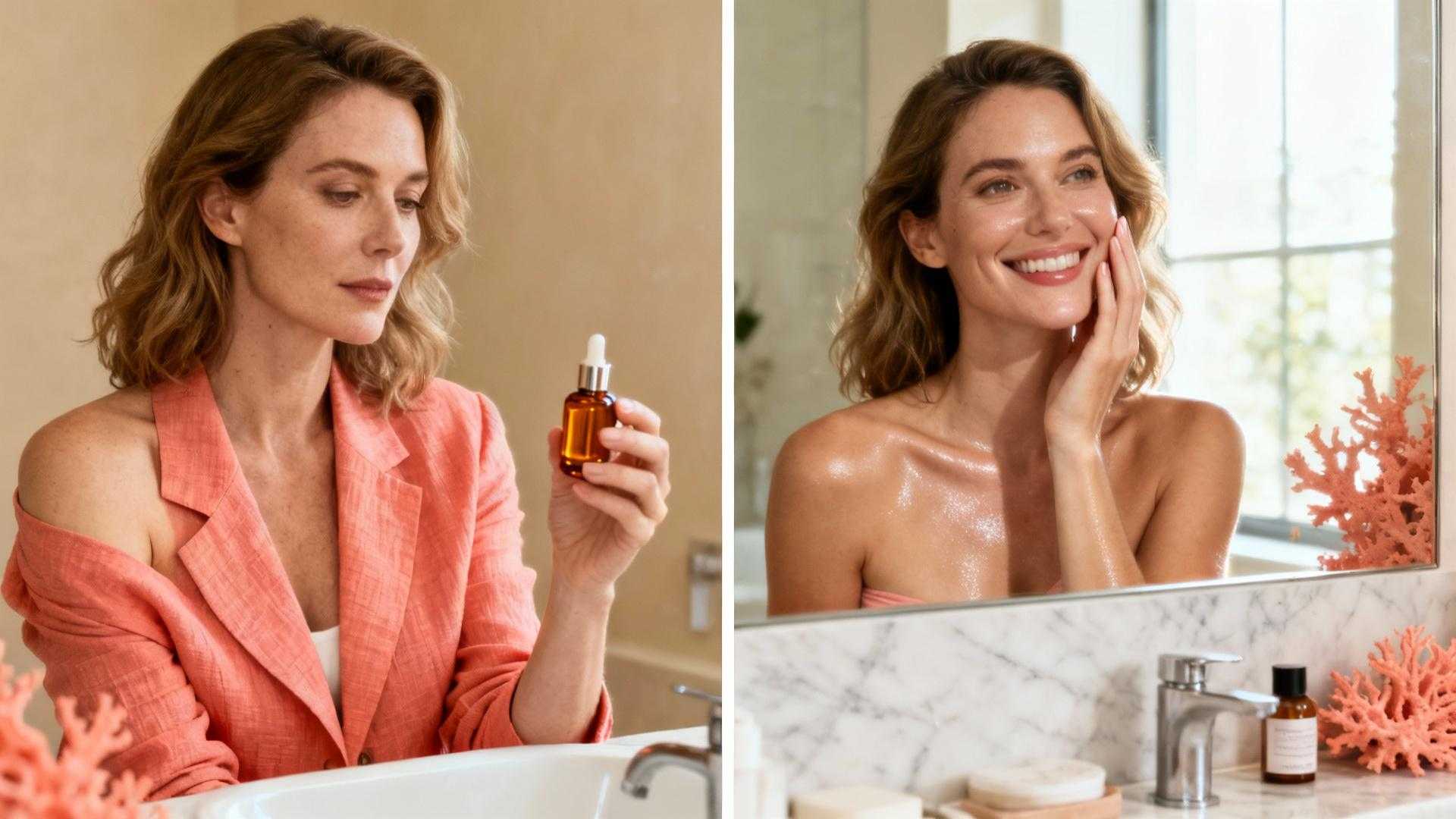
Picture your morning mirror ritual six weeks from now. The dull, uneven skin tone that greeted you before gradually transforms into glass-like smoothness under your fingertips. Light bounces differently off your cheekbones.
This isn’t Instagram filter magic—it’s cellular-level change that compounds weekly. The 37% increase in firmness becomes visible as skin texture refines. The 27% reduction in fine lines creates that natural radiance no algorithm can replicate.
Unlike TikTok’s instant-gratification promises, vitamin C delivers slow, measurable transformation. Your skin remembers what the For You Page forgets.
Your questions about Skinceuticals’ TikTok phenomenon answered
Is the C E Ferulic serum actually worth $165 compared to drugstore vitamin C?
Yes, if you prioritize proven penetration and stability. The 15% L-ascorbic acid concentration at pH 3.5 delivers clinical results that 5-10% drugstore formulas can’t match. The ferulic acid stabilizer prevents oxidation that turns cheaper serums orange and ineffective.
Can you mix Skinceuticals vitamin C with other active ingredients like retinol?
Use vitamin C mornings for antioxidant protection during sun exposure, retinol evenings for cellular turnover during sleep. Avoid combining in the same application—pH conflicts reduce efficacy. Dermatologists recommend this layering sequence for maximum benefit without irritation.
Why does TikTok push Skinceuticals now when it’s been around since 1997?
Gen Z’s shift toward ingredient-focused skincare education made clinical formulations trendy. The brand strategically leveraged this by positioning vitamin C serums as “smart investment” skincare, aligning with financial self-care narratives gaining traction in 2025 beauty conversations.
Your bathroom counter six months from now holds the half-empty Skinceuticals bottle beside your morning coffee. You catch your reflection without ring lights or filters. The glow isn’t algorithmic—it’s molecular science keeping its promise.