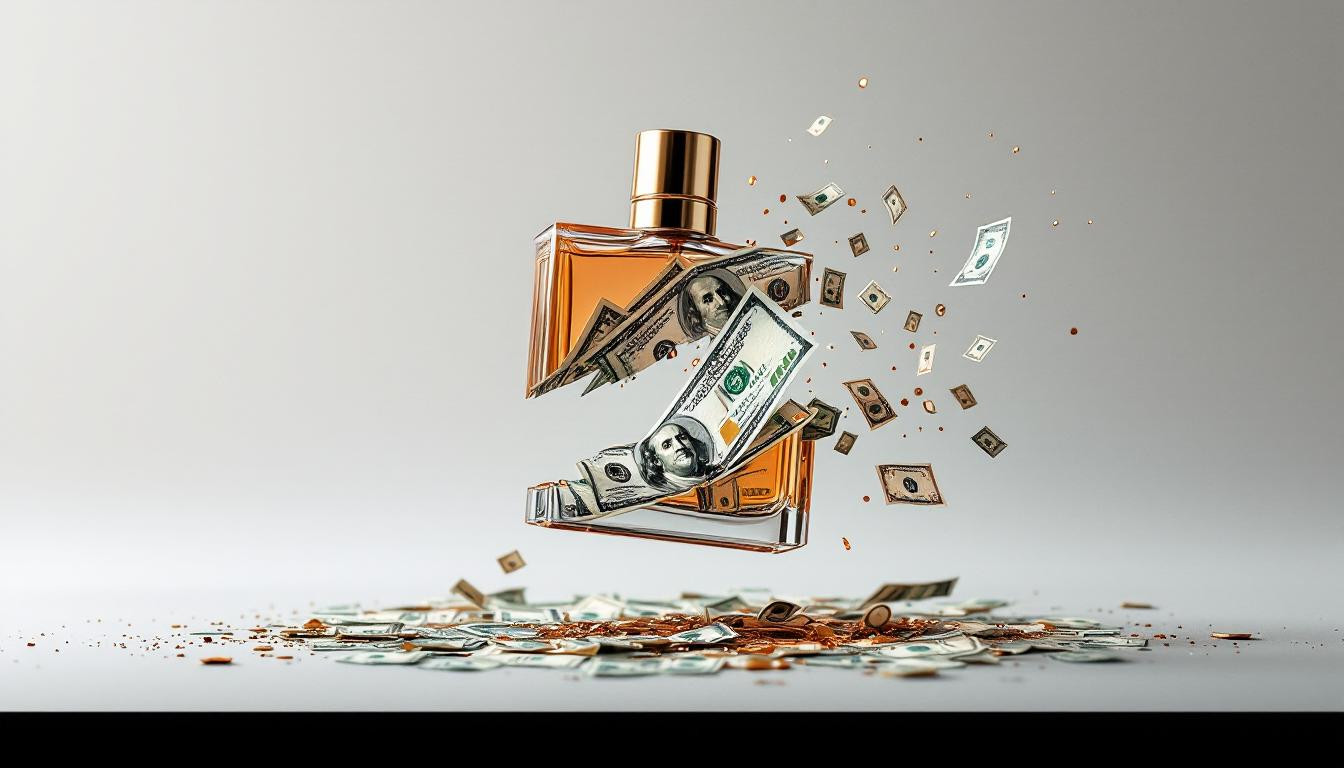
Ever wondered if those viral TikTok perfume hacks actually work? I’ve spent weeks testing seven popular fragrance “tips” that promise everything from extended longevity to enhanced projection. As a fragrance enthusiast with a bathroom shelf overflowing with bottles, I was eager to separate fact from fiction. Let’s dive into what really works and what’s just cleverly packaged misinformation.
The moisturized skin myth: partly confirmed
We’ve all heard that applying perfume to moisturized skin helps scent last longer. After testing this theory for two weeks, I can confirm it’s partially true – but not for the reasons most believe.
“Fragrance doesn’t magically bind better to lotion,” explains Dr. Emma Carson, cosmetic chemist. “Rather, dry skin absorbs fragrance oils more quickly, causing them to disappear faster.” This explains why dry skin makes your perfume disappear and why a simple moisturizing routine can dramatically improve longevity.
Do perfume enhancers really work?
Products like Molecule 01 claim to boost any fragrance’s performance. After testing with five different perfumes, I found these “enhancers” simply add their own scent rather than amplifying your perfume. Most enhancers contain iso E super, which has its own woody aroma that merely mingles with your fragrance.
“What people perceive as enhancement is actually just layering,” notes perfumer Thomas Reid. “You’re smelling two fragrances simultaneously, not a magically improved version of one.”
The freezer storage fallacy
Many fragrance enthusiasts swear by storing perfumes in refrigerators for extended shelf life. My three-month test with identical fragrance samples (one refrigerated, one at room temperature) showed no discernible difference in scent quality.
What really matters is avoiding these conditions:
- Direct sunlight, which degrades fragrance compounds
- Extreme temperature fluctuations
- Excessive humidity or dryness
The pulse point paradox
While applying perfume to pulse points isn’t harmful, my testing revealed it doesn’t significantly impact projection compared to other application sites. This contradicts what I discovered when I tested my luxury perfumes in a 185°F sauna, where heat dramatically affected scent performance.
The rubbing wrists myth: definitely busted
One of the most persistent perfume myths suggests rubbing your wrists together after applying perfume. My controlled testing confirmed this actually damages the fragrance molecules, causing top notes to evaporate prematurely and altering the scent’s intended development.
“Rubbing creates friction and heat that break down delicate aroma compounds,” explains fragrance expert Lisa Williamson. “It’s like taking a beautiful orchestral piece and removing half the instruments.”
Seasonal fragrance switching: surprisingly legitimate
I was skeptical about needing different fragrances for different seasons until I swapped my heavy winter perfume for 7 light summer sprays. The difference was remarkable – not just in how the fragrances performed, but in how they made me feel.
Summer heat intensifies these perfume characteristics:
- Projection (how far the scent travels)
- Sweetness (often becoming cloying)
- Evaporation rate (affecting which notes you primarily smell)
- Overall perception (comfort vs. oppressiveness)
The “more expensive equals better longevity” misconception
Price doesn’t necessarily correlate with staying power. My testing aligns with research showing one $25 option lasted 3 hours longer than luxury brands during intense activity.
Sometimes, fragrance reformulations also affect performance. This explains why women are abandoning Marc Jacobs’ original Daisy for the sweeter alternative with significantly better longevity.
Like a scientist separating signal from noise, testing these myths firsthand revealed that perfumery combines art with chemistry. While some conventional wisdom holds true, many popular “hacks” simply distract from what really matters: finding fragrances that resonate with you and understanding how to properly appreciate their intricate compositions.