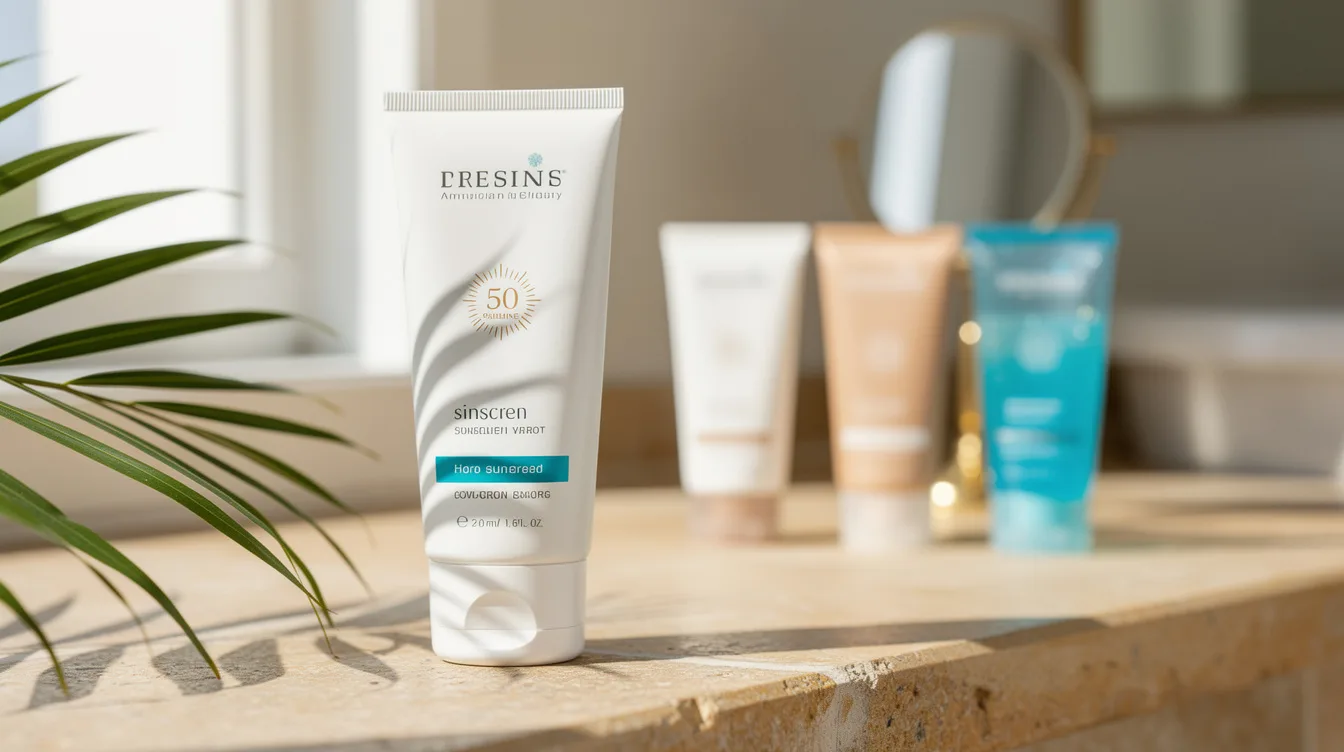
One morning, my foundation caught on every dry patch around my nose, and the sunscreen underneath was the culprit. I stopped treating mineral versus chemical as a purity test and started with the baseline dermatologists emphasize: broad-spectrum SPF 30+, applied generously every day.
A tube that costs about $18 and feels good enough to use beats an elegant formula that stays in the bathroom cabinet. After 50, the right finish matters because lower estrogen can mean a drier, more reactive barrier.
What you will find inside
- Start With Your Skin’s Reaction Pattern
- Choose Zinc for Sensitive, Easily Flushed Skin
- Use Organic Filters When Wearability Wins
- Pick a Hybrid for the Middle Ground
- Add Tint When Dark Spots Are the Concern
- Apply Enough, Then Reapply Without Drama
Start With Your Skin’s Reaction Pattern
When skin stings, flushes, or has recently had a procedure, I lean toward a zinc-oxide-dominant mineral formula first. Zinc oxide and titanium dioxide are the FDA-recognized mineral sunscreen actives and are often easier for reactive skin to tolerate.
La Roche-Posay Anthelios Mineral Tinted Ultra Light Face Sunscreen SPF 50 is the kind of option worth considering when fragrance sensitivity or eye irritation has made sunscreen feel like a chore. Its tint also avoids the pale cast that can make a mineral formula look chalky.
That said, mineral is not automatically mandatory after 50. A comfortable sunscreen that you can apply at the correct amount is the practical goal, especially when dry skin already makes a heavy formula tempting to skimp on.
If every sunscreen burns or a rash persists, pause the experimentation and ask a dermatologist for guidance. A product reaction deserves more attention than a glowing online review.
Choose Zinc for Sensitive, Easily Flushed Skin
Mineral formulas use zinc oxide, titanium dioxide, or both. Zinc oxide gives broad UVA and UVB coverage, while titanium dioxide is generally less complete on its own for longer UVA wavelengths.
CeraVe Hydrating Mineral Sunscreen Face Sheer Tint SPF 30, typically around $17, makes sense for someone who wants a more moisturizing base rather than a powdery matte look. The tint is useful, but test the shade and finish in daylight before committing.
Mineral sunscreen does not merely sit on top of skin and reflect every ray. Like organic-filter formulas, it interacts with UV energy in more than one way, so the old reflect-versus-absorb story is too simplistic.
A mineral formula can look especially good over a simple moisturizer when fine lines are catching on dry flakes. I would skip a drying matte mineral sunscreen if it makes texture more visible by noon.
Use Organic Filters When Wearability Wins
What shoppers call chemical sunscreen is more accurately sunscreen made with organic UV filters, often including avobenzone for UVA protection. These formulas are usually clear, spread easily, and tend to layer better under makeup.
La Roche-Posay Anthelios Melt-In Milk Sunscreen SPF 60 is a sensible example for body, travel, and long outdoor days because a fluid texture makes generous application less annoying. For extended time outside, SPF 50+ and water resistance are practical features to prioritize.
FDA requests for additional data on several organic filters should not be read as proof that those filters cause clinical harm. The sensible response is to keep wearing broad-spectrum sunscreen while the science and regulatory review continue.
Organic-filter formulas can be the better choice when a white cast causes you to use too little product. Coverage you actually wear is more useful than a theoretically ideal product that never feels right.
Pick a Hybrid for the Middle Ground
A hybrid sunscreen pairs mineral filters with organic filters, which often gives dry or mature skin the easiest daily finish. EltaMD UV Clear Broad-Spectrum SPF 46 is a familiar example, with a lightweight feel that many people prefer under makeup.
For me, hybrid formulas are the least ideological category and often the most useful one. Zinc oxide can support broad coverage and tolerability, while organic filters can improve spread and reduce the obvious cast.
Look beyond the front label for a base that includes ingredients such as glycerin, ceramides, dimethicone, squalane, or hyaluronic acid. Those supporting ingredients can matter more to comfort than the mineral-versus-organic label alone.
Finish is not a shallow concern when sunscreen pills under concealer or emphasizes patches. A formula you can apply in a full, even layer every morning has earned its place in the routine.
Add Tint When Dark Spots Are the Concern
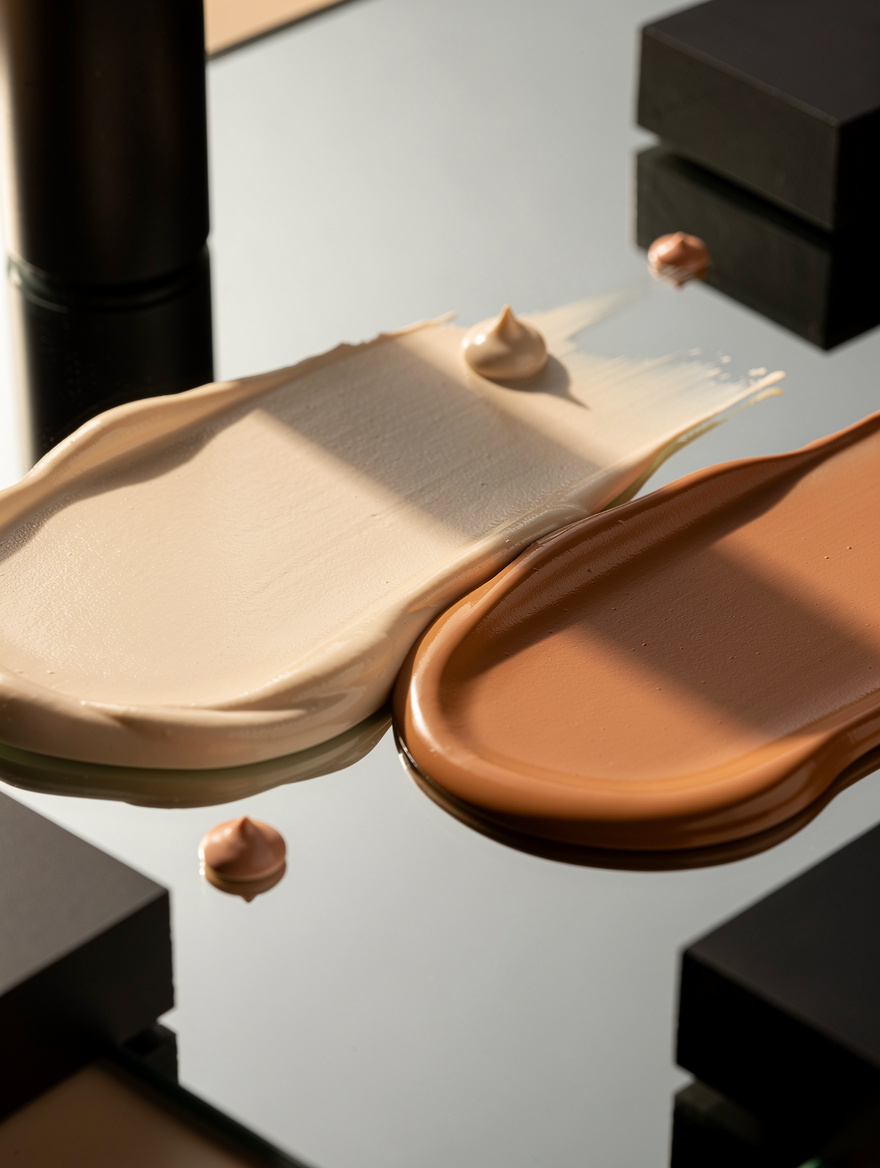
For melasma, sun spots, or uneven-looking tone, tinted sunscreen is a smart category to explore. Iron oxides can help address visible light, alongside the UVA and UVB protection you already want.
Colorescience Sunforgettable Total Protection Face Shield Flex SPF 50 is a tinted mineral option with a more makeup-like purpose than a traditional white sunscreen. It is pricier than drugstore choices, so I would sample the shade before treating it as an everyday staple.
Tint does not replace adequate sunscreen application. Apply enough of the product to cover face, neck, and ears evenly, then use makeup on top if you want more coverage.
Visible-light protection is especially relevant for pigment-prone skin, but no sunscreen guarantees that existing spots will fade. Persistent or changing pigmentation is a good reason to check in with a dermatologist.
Apply Enough, Then Reapply Without Drama
The category matters less when sunscreen is applied in a whisper-thin layer. SPF 50 offers a useful cushion for long outdoor exposure, but it still needs broad-spectrum coverage and appropriate reapplication.
I keep a face formula that feels good at my vanity and a more economical body option near the door. Neutrogena Beach Defense Water + Sun Protection SPF 50 is the kind of widely available body sunscreen that makes frequent use less precious.
Reapply after swimming, sweating, towel-drying, and during extended sun exposure according to the product directions. Hats, sunglasses, and shade still belong in the plan, particularly when driving or spending hours outside.
Do not use sunscreen to dismiss a spot that bleeds, changes shape, or does not heal. That deserves a dermatologist’s assessment, regardless of what the rest of your routine looks like.
Begin with one test: choose a broad-spectrum SPF 30+ formula you will happily wear for seven ordinary mornings. If dryness is your biggest complaint, start with a hydrating tinted mineral or hybrid finish, then judge it in daylight and under your usual makeup.