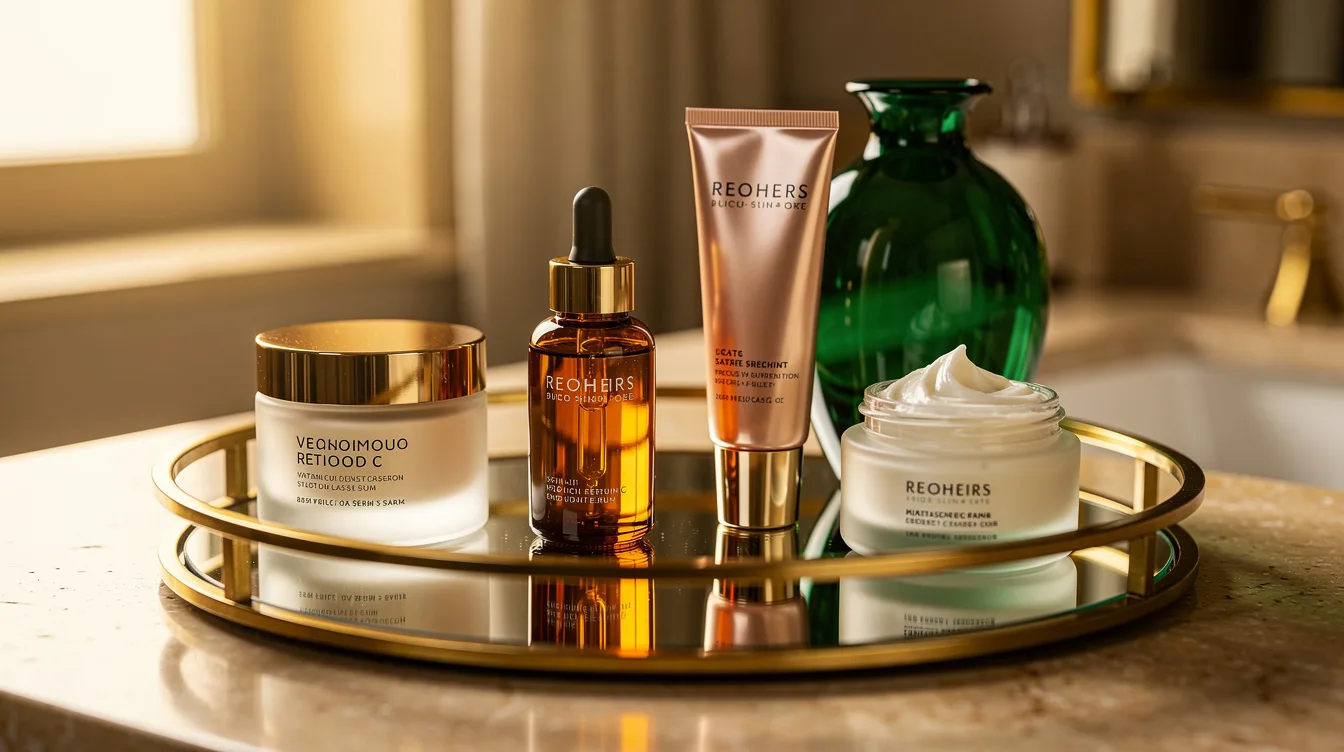
The serum that once felt silky can start stinging around the nose, while the expensive bottle on the counter makes promises its label never quite explains. A typical 0.3% retinol is often a smarter investment than a prestige formula with no disclosed active level.
After 50, lower estrogen, less oil, and a thinner barrier can make elegant delivery and reliable packaging matter. Price earns its place only when it helps you use a proven active consistently.
What you will find inside
- Put Sunscreen Before Any Splurge
- Pay for a Disclosed Retinoid You Can Tolerate
- Check Vitamin C Packaging Before the Price Tag
- Choose Niacinamide for Stronger Value
- Target Dark Spots With Clear Math
- Skip Luxury Extras That Do Not Explain Themselves
Put Sunscreen Before Any Splurge
A costly antioxidant serum cannot make up for skipped daily broad-spectrum sunscreen. We’d put the largest share of a skincare budget toward a comfortable SPF 30 or higher formula you’ll actually reapply, then consider a treatment serum.
La Roche-Posay Anthelios Melt-In Milk Sunscreen SPF 60 is widely sold at US drugstores and is a practical choice for dry skin. Sun protection supports every other step, especially when uneven tone and sun spots are the concern.
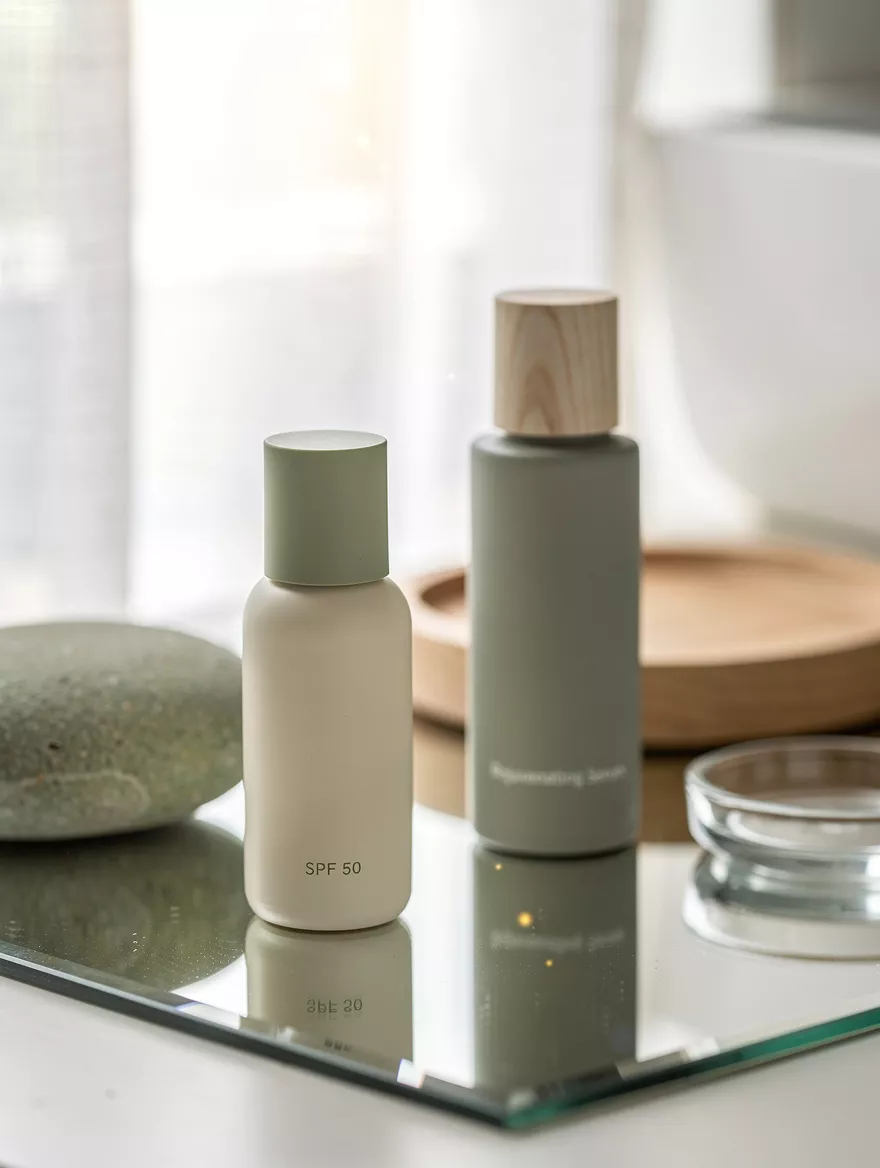
Pay for a Disclosed Retinoid You Can Tolerate
For photoaging concerns such as rough texture and fine lines, retinoids have the strongest clinical evidence among over-the-counter skincare actives. Look for a stated level, such as retinol 0.1% to 1%, rather than a vague “renewal complex.”
RoC Retinol Correxion Line Smoothing Night Serum Capsules, typically around $30, offers premeasured packaging that can appeal if you dislike exposing retinol to air. Start two nights a week, use moisturizer as needed, and increase slowly only if skin stays comfortable.
Prescription tretinoin is worth discussing with a dermatologist when appropriate, and a serum should never be treated as a substitute for medical care. Dryness and irritation are reasons to pull back, not to push through.
Check Vitamin C Packaging Before the Price Tag
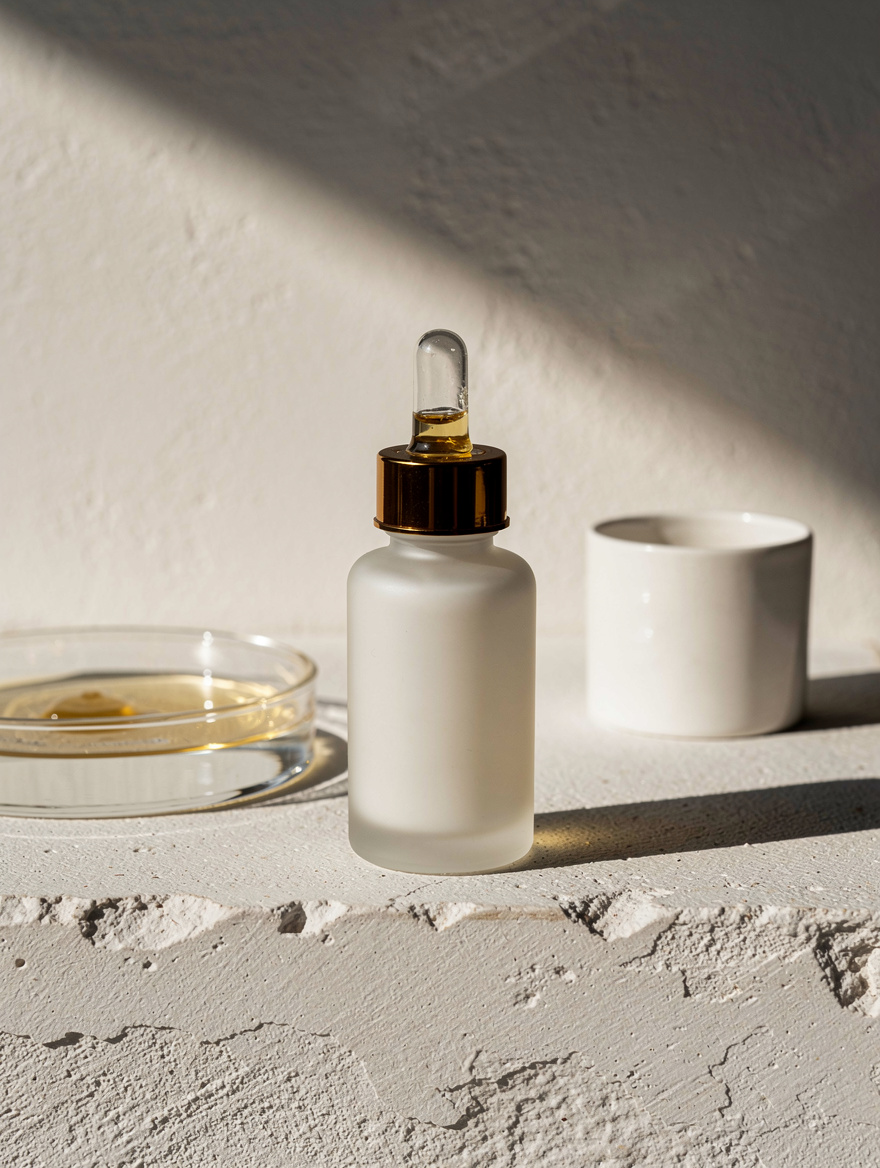
Pure L-ascorbic acid can be a reasonable premium purchase because it is sensitive to air, light, and oxidation. Research often points to a benchmark combination of 15% L-ascorbic acid, 1% vitamin E, and 0.5% ferulic acid for antioxidant support.
SkinCeuticals C E Ferulic, typically around $185, is a recognizable example with those disclosed percentages. It may be worthwhile for someone who tolerates it, uses sunscreen faithfully, and wants a morning antioxidant, but it is not a required step.
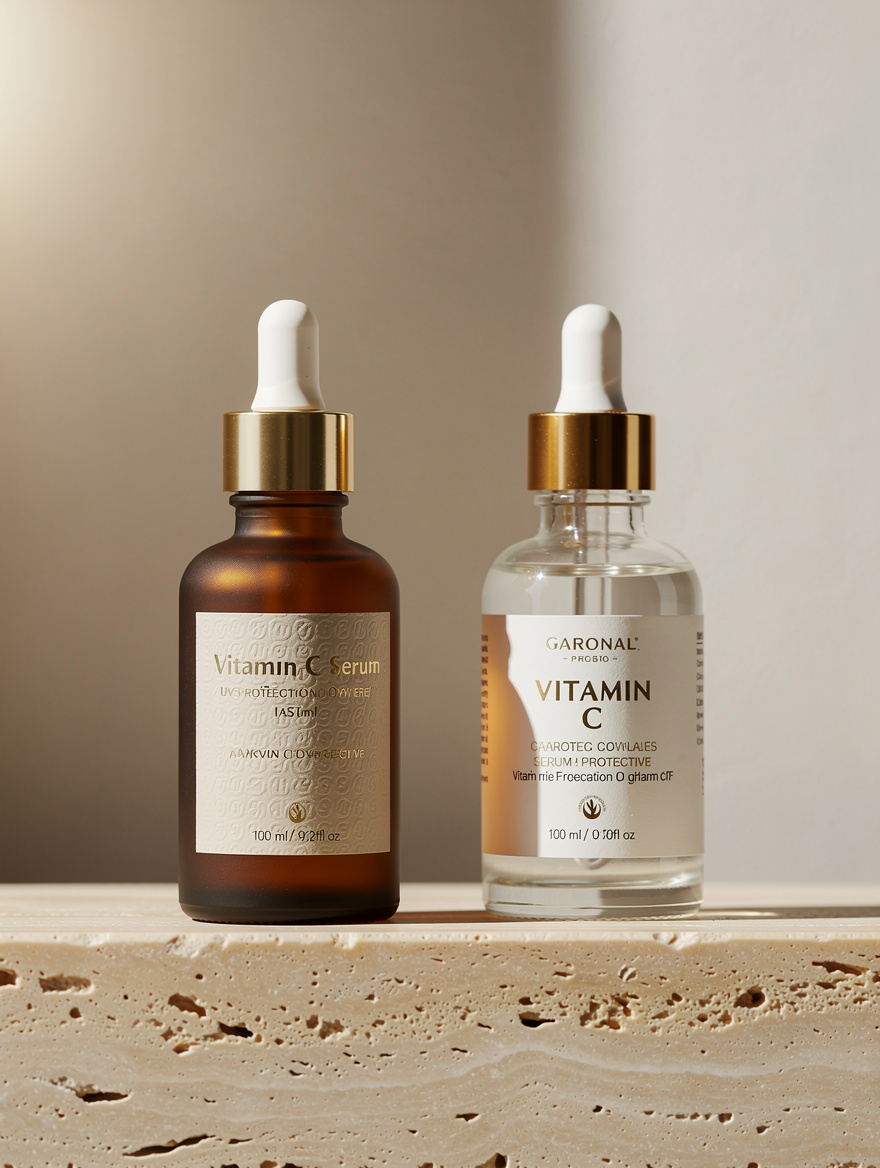
A darkened serum or one that smells sharply off is not a luxury bargain. Timeless 20% Vitamin C + E Ferulic Acid Serum is a lower-cost alternative with a disclosed formula, although any vitamin C product still needs careful storage and should be stopped if it irritates.
Choose Niacinamide for Stronger Value
Niacinamide 2% to 5% is one of the least glamorous and most sensible options for dry, dull, uneven-looking skin. Vehicle-controlled studies of 5% niacinamide found improvements in visible tone, texture, and fine wrinkling over roughly eight to twelve weeks.
Olay Regenerist Micro-Sculpting Serum, often around $30, uses niacinamide in a hydrating serum format. It is the kind of purchase we prefer before a $150 bottle built around a proprietary blend.
Ten percent is not automatically more effective, and some people experience flushing or stinging at higher levels. A modest concentration used most days usually makes more sense than an aggressive formula left unused.
Target Dark Spots With Clear Math
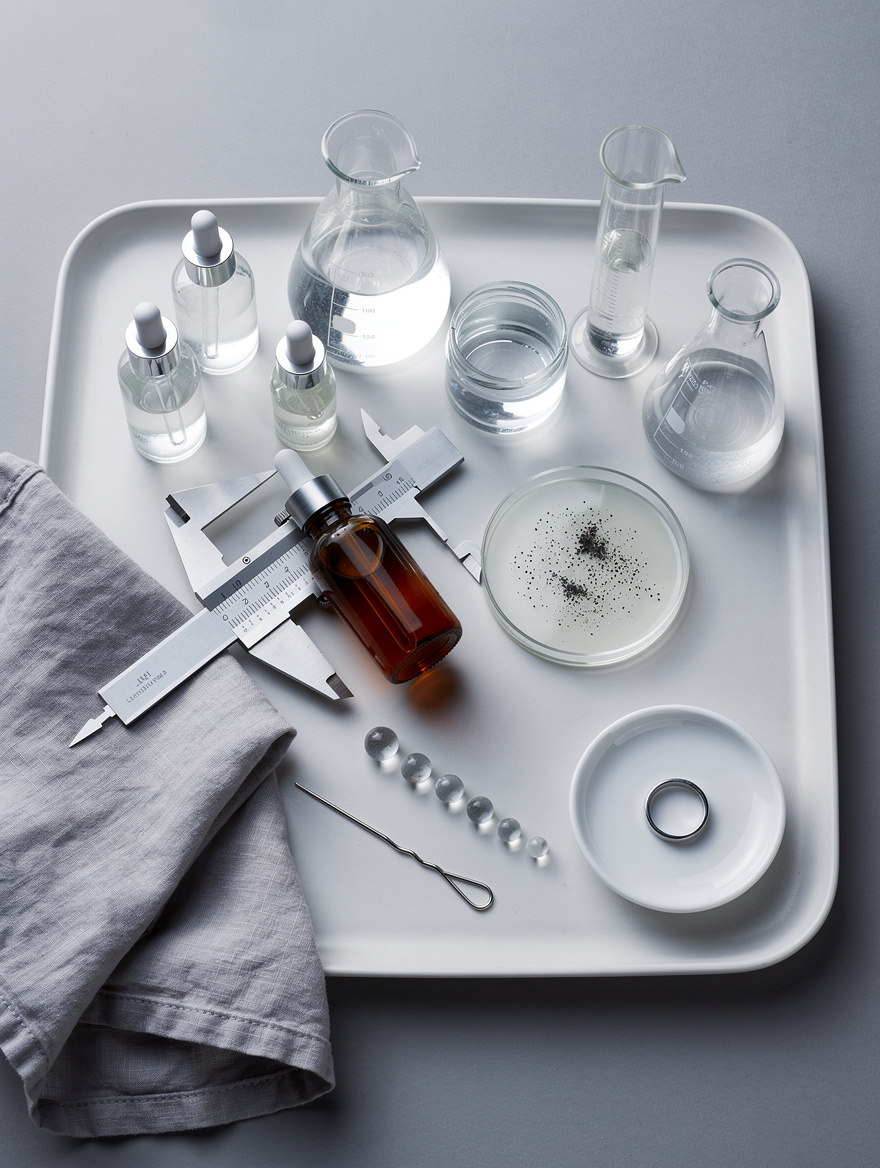
For established discoloration, a premium formula can be justified when it names several useful actives and their levels. SkinCeuticals Discoloration Defense lists 3% tranexamic acid, 1% kojic acid, and 5% niacinamide, a more meaningful case for cost than a serum that only says “brightening.”
The formula is typically about $110, so it makes sense only when pigment is a real priority and sunscreen is already dependable. Topicals may support a more even appearance, but they do not lift skin or duplicate the effects of in-office procedures.
See a dermatologist for a spot that bleeds, changes shape or color, or does not heal. Persistent discoloration can also deserve a professional opinion before adding more products.
Skip Luxury Extras That Do Not Explain Themselves
Fragrance, gold flakes, celebrity branding, and “DNA repair” language can make a bottle feel special without showing why it should cost more. We would also be cautious with vague peptide complexes, exosome claims, stem-cell language, and growth-factor marketing that does not disclose a useful formula or credible evidence.
Hyaluronic acid, glycerin, panthenol, and ceramides can make skin look temporarily smoother by improving hydration, and that is valuable. They rarely require a luxury price, particularly when a basic moisturizer already provides them.
Read the front and back of the package: active, percentage when relevant, packaging, directions, and return policy. If the brand cannot clearly tell you what the serum contains and why it is stable, keep your money.
Start with a daily sunscreen and one tolerable night retinoid, then add a targeted serum only after those basics are steady. That order keeps a skincare budget focused on what the label can actually support.