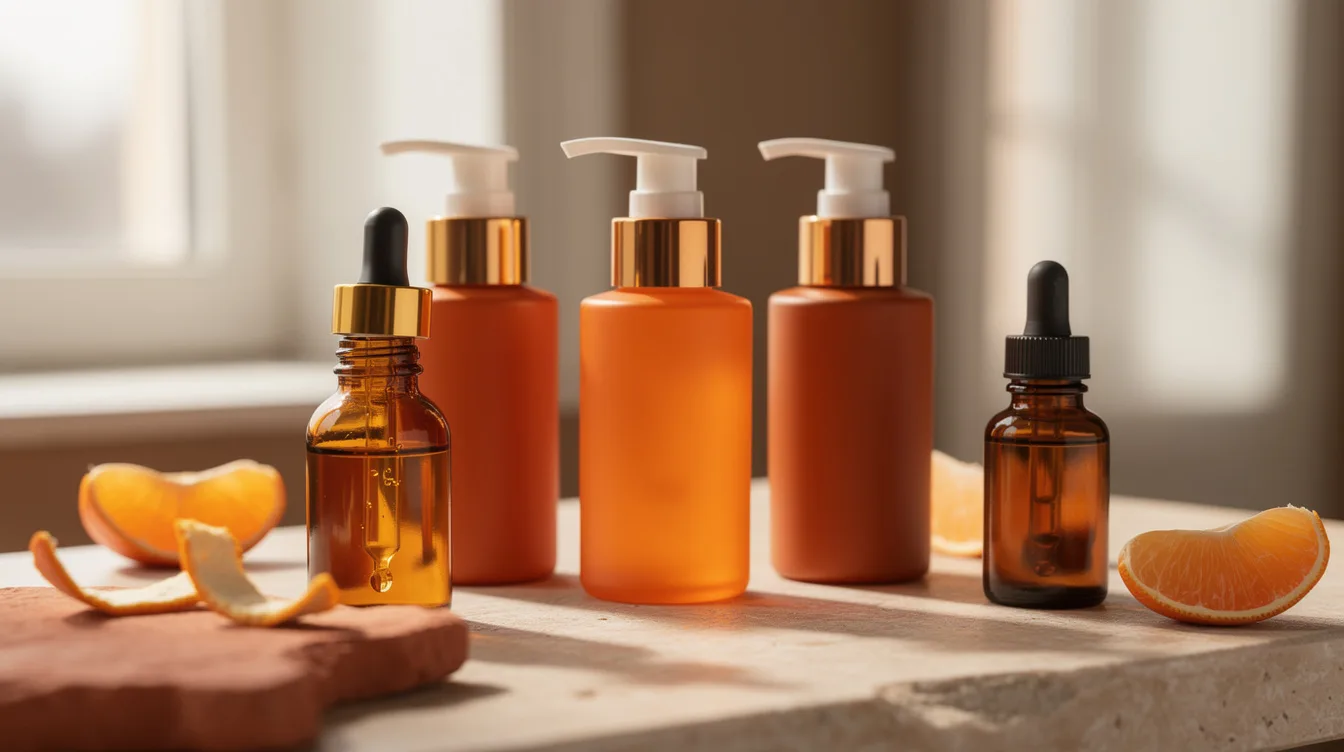
The serum on my bathroom shelf had turned orange before I was halfway through it, which made its roughly $60 price feel especially wasteful. Vitamin C is worth keeping in a routine for antioxidant support and uneven tone, but the bottle matters as much as the percentage.
What you will find inside
- 1. Choose THD Ascorbate When Your Barrier Is Dry
- 2. Pick a Pump Over a Dropper Bottle
- 3. Keep Classic L-Ascorbic Acid at 10% to 15%
- 4. Use Vitamin E and Ferulic Acid as Useful Backup
- 5. Store the Bottle Like an Active Formula
- 6. Replace a Serum That Turns Deep Orange
1. Choose THD Ascorbate When Your Barrier Is Dry
THD ascorbate is oil-soluble and generally more stable than water-based L-ascorbic acid, making it a sensible fit for skin that has become drier or more reactive after menopause. It also avoids the very low pH that can make a strong classic vitamin C serum sting.
Peter Thomas Roth Potent-C Power Serum uses 20% THD ascorbate in a protective pump and typically costs about $95 for 1 ounce. It is expensive, but I think the packaging and richer feel make more sense than a bargain serum you cannot comfortably use every morning.
2. Pick a Pump Over a Dropper Bottle
Every dropper opening admits air, and repeated exposure gives a fragile watery formula more opportunity to oxidize. An opaque airless pump, aluminum tube, or sealed capsule is a practical upgrade, especially when the formula contains L-ascorbic acid.
Dr. Idriss Pro C Serum is a 15% THD-based proprietary blend in protective packaging and usually runs about $64 for 1 ounce. That middle price point feels more rational for someone who wants a stable daily antioxidant without gambling on a large clear bottle.
3. Keep Classic L-Ascorbic Acid at 10% to 15%
L-ascorbic acid has the strongest clinical track record for antioxidant protection and gradual support for uneven-looking tone, typically at 10% to 20% and a pH of 3.5 or lower. Practical skin uptake appears to level off around 15% to 20%, so higher numbers often add irritation without a proportionate payoff.
Paula’s Choice C15 Super Booster combines 15% L-ascorbic acid with vitamin E and ferulic acid, and it typically costs about $59. It is a solid active choice for acid-tolerant skin, provided you buy a size you can finish within roughly two to three months after opening.
4. Use Vitamin E and Ferulic Acid as Useful Backup
The familiar research-backed combination is 15% L-ascorbic acid, 1% vitamin E, and 0.5% ferulic acid. Vitamin E and ferulic acid help support the antioxidant system and improve its photoprotective performance, though they do not turn an opened serum into something permanent.
Ferulic acid is worth seeking out when you specifically want classic L-ascorbic acid, but it cannot compensate for careless storage. I would choose a smaller, well-made bottle over a large value size that sits open through an entire season.
5. Store the Bottle Like an Active Formula
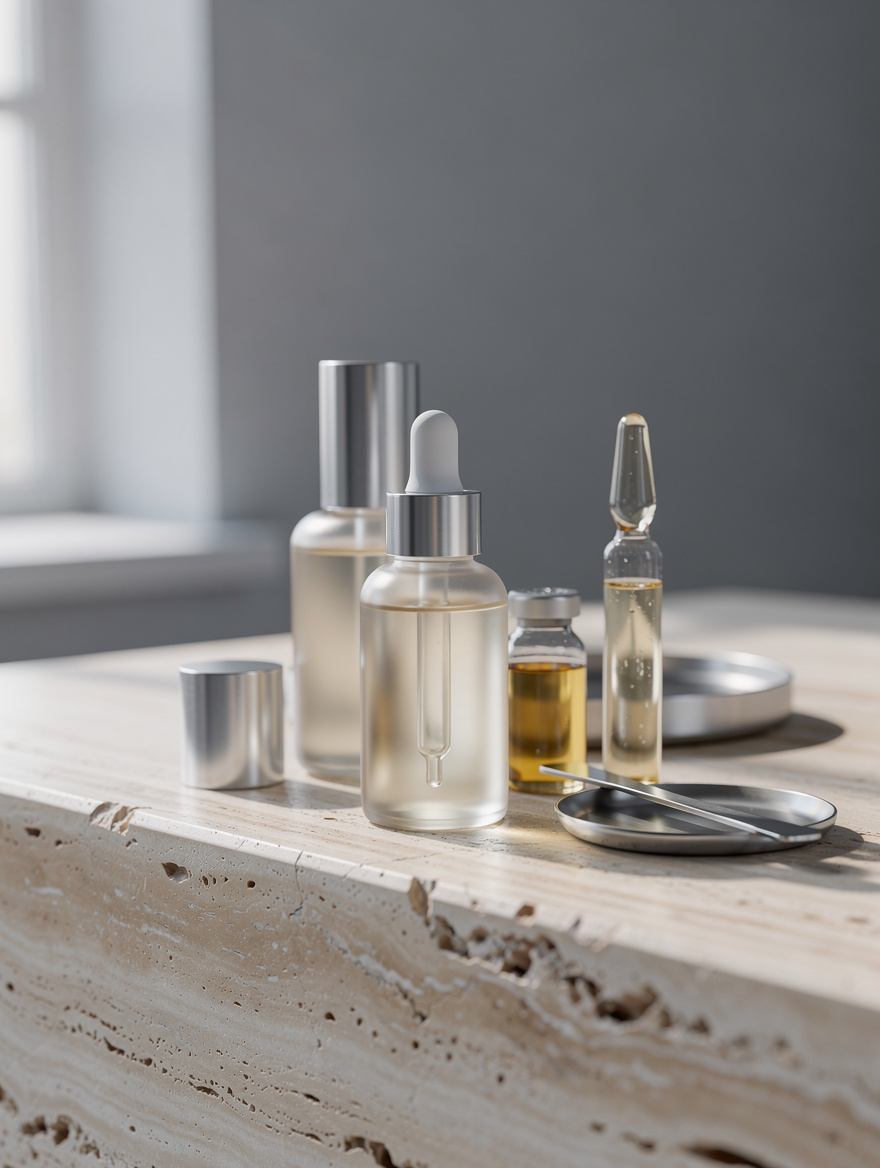
Keep vitamin C serum in a dark, cool drawer rather than on a sunny windowsill, in a hot car, or beside a steamy shower. Heat, humidity, light, and oxygen all work against L-ascorbic acid, while a water-free derivative gives you more breathing room.
Medik8 C-Tetra Advanced uses a 20% stabilized vitamin C derivative designed as a gentler alternative to acidic L-ascorbic acid and costs around $110 in US-equivalent retail pricing. That is a premium purchase, but it is especially appealing when retinoids or a thinner barrier have made low-pH serums hard to tolerate.
6. Replace a Serum That Turns Deep Orange
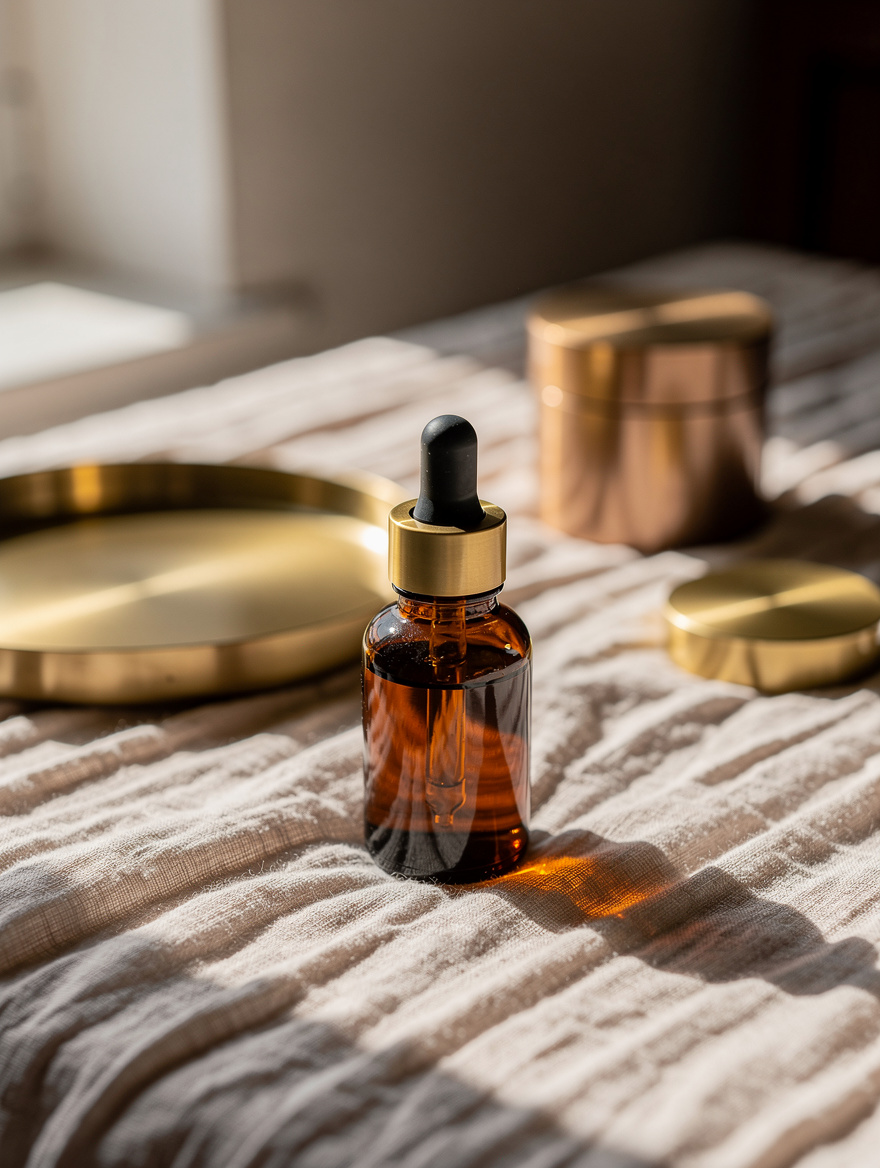
A fresh L-ascorbic acid serum may look clear or faintly yellow, but deep yellow, orange, or brown is the practical warning that substantial oxidation has occurred. Do not try to stretch it out because it was costly, and do not assume a darker color means a stronger formula.
Broad-spectrum SPF 30+ remains the daily partner for any antioxidant serum, with SPF 50 often a practical choice for significant sun exposure. Vitamin C can support sunscreen’s overall antioxidant strategy; it does not replace sun protection or prescription care recommended by a dermatologist.
Start with one opaque-pump THD formula if your current serum stings, darkens, or lingers unfinished in the cabinet. See a dermatologist for any spot that bleeds, changes shape, or does not heal.