The moment an eye cream starts stinging under concealer, a $90 jar can suddenly feel less like a treat and more like an expensive gamble. Around the eyes after menopause, thinner, drier skin usually responds better to a tolerable formula used consistently than to a prestige label with undisclosed actives.
A typical 0.3% retinol face serum may be too ambitious for this area, while a gentle eye-specific formula can make a more practical starting point.
What you will find inside
- 1. Compare The Active, Not The Packaging
- 2. Start Retinoids At A Lower Speed
- 3. Buy Barrier Support Before Extra Promises
- 4. Use Caffeine For Morning Puffiness Only
- 5. Put Tinted Sunscreen Above Another Jar
- 6. Stop Asking Cream To Fix Hollowing
1. Compare The Active, Not The Packaging
A gold cap and a department-store counter do not tell you how much useful ingredient is in the jar. US cosmetic labels must list ingredients, but most brands do not have to disclose the concentration of retinol, which makes direct luxury-versus-drugstore comparisons less exact than advertising suggests.
That is why I would not assume a prestige option such as Estée Lauder Advanced Night Repair Eye, often around $70, will outperform a simpler pharmacy formula for every concern. A well-formulated moisturizer with a clear purpose is a smarter buy than a vague promise about “renewal.”

2. Start Retinoids At A Lower Speed
For fine lines and crepey texture, retinoids have the strongest topical evidence, but the eye area is where enthusiasm can quickly turn into flaking. RoC Retinol Correxion Line Smoothing Eye Cream, typically about $22, is the kind of accessible option worth considering two nights a week before increasing frequency.
Disclosed retinaldehyde formulas around 0.05% to 0.1% are also worth a close look, because evidence supports retinaldehyde for wrinkle measures and the higher disclosed level may have a stronger effect. More product is not better here, and irritation can make dryness and makeup creasing look more noticeable.
3. Buy Barrier Support Before Extra Promises
Lower estrogen can leave the under-eye area with less oil and a more fragile barrier, so hydration is often the first meaningful swap. CeraVe Eye Repair Cream, usually around $14, earns its place through humectants and ceramide-focused barrier support rather than a dramatic corrective story.
Look for glycerin, hyaluronic acid, ceramides, squalane, or petrolatum-style emollients, then judge the formula by whether it sits comfortably under sunscreen and concealer. Hydration can temporarily soften the look of fine dehydration lines, although it cannot tighten loose skin or erase deep resting folds.
4. Use Caffeine For Morning Puffiness Only
Caffeine is most useful when morning swelling or a blue-purple cast is tied to fluid or visible vascular congestion. The Ordinary Caffeine Solution 5% + EGCG, generally under $10, is a budget-friendly example, though a higher percentage does not guarantee a more flattering result on sensitive skin.
Apply a small amount of caffeine product with a cool fingertip or chilled applicator, then give it a few minutes before makeup. It may offer temporary help for puffiness, but no eye cream can reliably remove established bags, inherited hollowness, or tear-trough shadows.
5. Put Tinted Sunscreen Above Another Jar
Daily UV protection has more evidence behind it than adding a fourth corrective eye product, especially when brown discoloration is part of the complaint. A broad-spectrum tinted mineral sunscreen can add visible-light coverage while helping protect the surrounding skin from further sun exposure.
Use a sunscreen you will actually wear around the orbital bone without burning or migrating into your eyes, then reserve a treatment product for nighttime. A luxury eye cream cannot make up for routinely skipping SPF 30, and neither can a pharmacy one.
6. Stop Asking Cream To Fix Hollowing
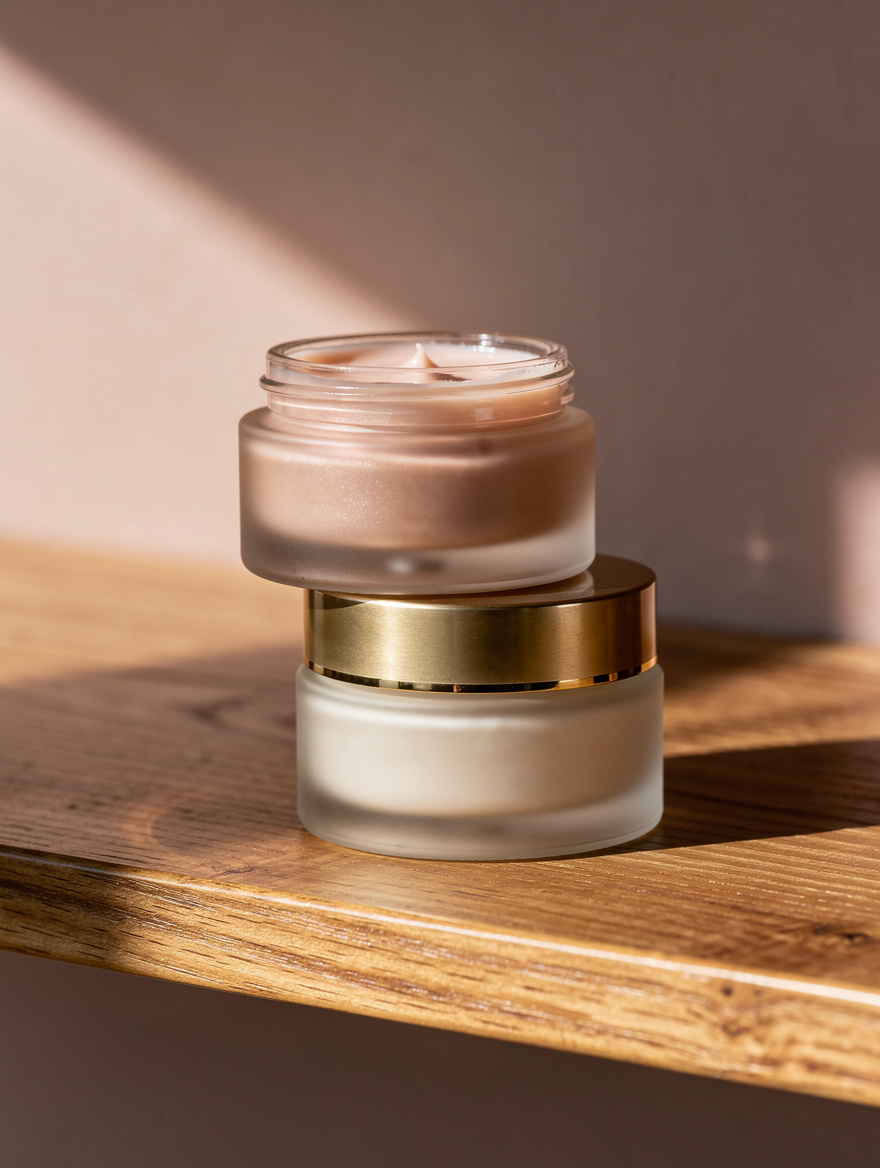
Many expensive eye creams photograph beautifully because they use rich emollients and light-reflecting particles, but structural shadows remain structural shadows. Hyaluronic acid can make surface skin look more hydrated for a while, yet it cannot replace volume lost from fat-pad changes or alter orbital anatomy.
For persistent darkness, check whether the issue is brown pigment, visible vessels, puffiness, or a hollow that catches overhead light before buying another jar. A dermatologist can help assess changes that bleed, change shape, or do not heal, and can discuss prescription or in-office options when appropriate.
Start with one affordable barrier-focused cream and a daily broad-spectrum sunscreen, then add a gentle retinoid only if your skin stays comfortable. That approach costs less than prestige trial-and-error and gives you a clearer read on what is actually helping.