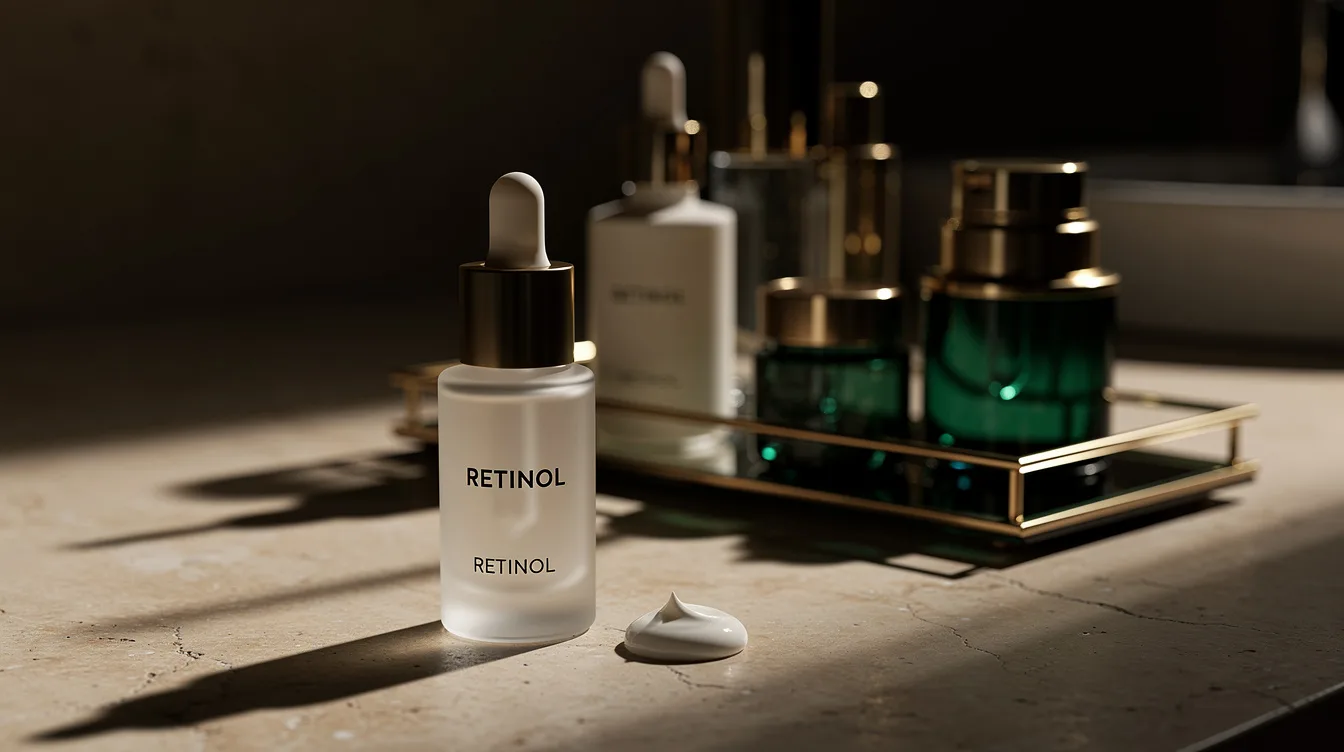
The mirror can make a retinol mistake obvious fast: the serum that felt promising on Sunday leaves cheeks tight, shiny, and sore by Wednesday. A typical 0.3% retinol formula may show texture benefits after roughly 12 weeks, but irritation is a reason to slow down, not a sign to power through.
After menopause, lower oil production and a thinner barrier can make a formerly easy routine sting. Our view is simple: the best retinol is the one your skin can use calmly and consistently.
What you will find inside
- Start With Less, Not More
- Wait Until Skin Is Fully Dry
- Buffer Dry Areas With Moisturizer
- Stop Stacking Irritating Actives
- Increase Frequency Only After Calm Weeks
- Change Only One Variable at a Time
Start With Less, Not More
Use one pea-sized amount of retinol for the entire face, not a dot for every cheek, forehead, and chin. More product mainly raises the chance of dryness, burning, and visible flakes.
Begin two nonconsecutive nights a week, such as Monday and Thursday, for the first two to four weeks. Olay Retinol 24 Night Moisturizer is a practical beginner format because it combines a retinoid with a moisturizer, though even a creamy formula deserves a slow start.

Wait Until Skin Is Fully Dry
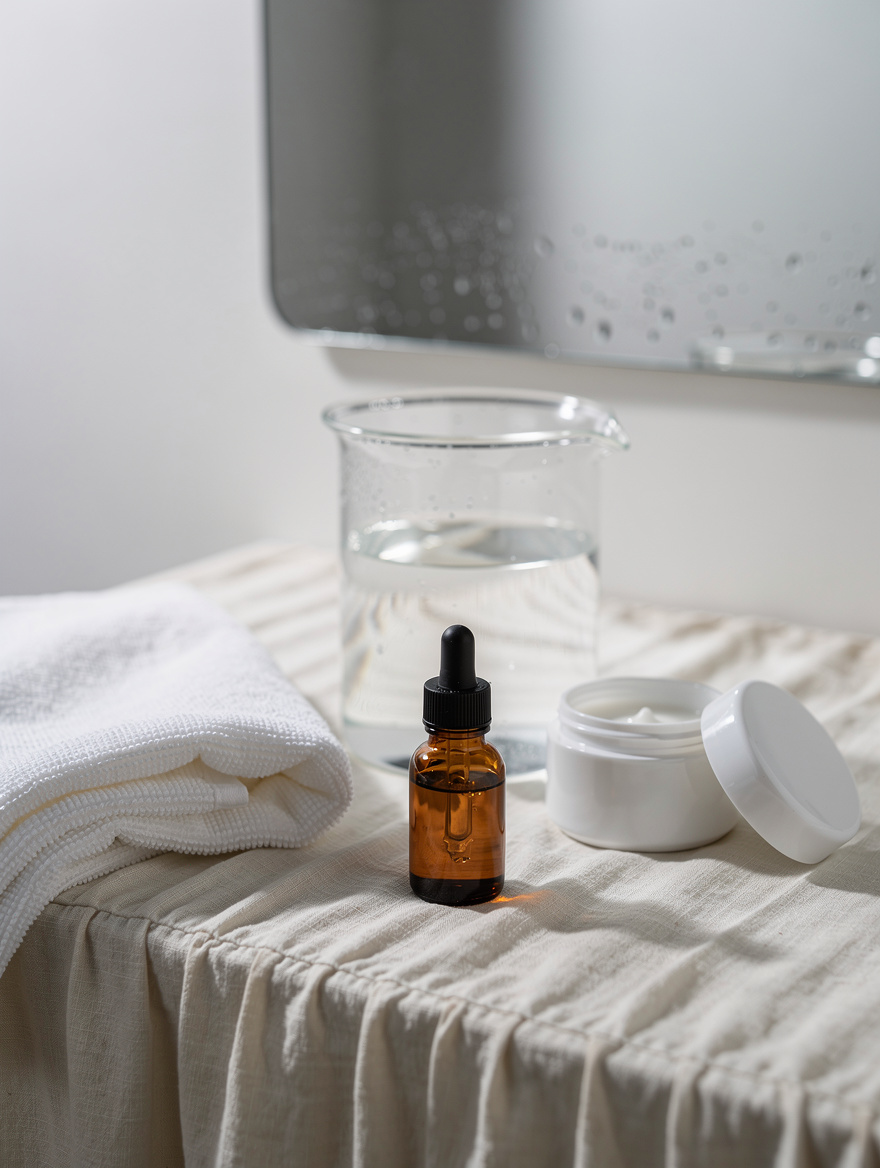
Apply your retinoid after cleansing, then give skin about 15 to 20 minutes to dry completely. Damp skin can increase penetration, which may be useful for some products but is rarely a smart trade when your barrier is already reactive.
A gentle cleanser such as CeraVe Hydrating Facial Cleanser, typically around $16, keeps the evening routine from starting with unnecessary friction. Skip washcloth scrubbing and exfoliating cleansing tools on retinol nights.
Buffer Dry Areas With Moisturizer
Try the sandwich method when dryness is your usual issue: a light layer of moisturizer, retinol, then another light layer of moisturizer. This is a sensible way to make an active more tolerable without turning your routine into a complicated project.
Vanicream Moisturizing Cream, often around $14, is a plain, useful buffer for cheeks and the jawline. Keep retinol away from eyelids, lip corners, nostril folds, and any broken or irritated skin at the beginning.
Stop Stacking Irritating Actives
Save exfoliating acids, scrubs, and strong acne treatments for other nights while skin adjusts to retinol. Pairing a new retinoid with glycolic acid or a benzoyl peroxide treatment can create a cycle of inflammation that makes it hard to tell what your skin actually tolerates.
Use a straightforward moisturizer and sunscreen as the supporting cast instead. La Roche-Posay Toleriane Double Repair Face Moisturizer is a solid barrier-focused option, and its ceramide-containing formula is more useful here than another “active” serum.
Increase Frequency Only After Calm Weeks
Move to every other night only after at least two comfortable weeks without persistent redness, tenderness, raw patches, or peeling. Mild, brief dryness can happen, but ongoing burning does not need to be accepted as “retinization.”
After about eight weeks, three to five nights weekly may suit skin that remains comfortable. An every-other-night schedule with Neutrogena Rapid Wrinkle Repair Regenerating Cream can be a perfectly worthwhile long-term routine; nightly use is optional, not a prize.
Change Only One Variable at a Time
Once you have tolerated a routine for roughly eight to 12 weeks, raise either frequency or strength, never both in the same month. That gives your skin a fair chance to respond and lets you identify the cause if irritation returns.
Prescription tretinoin has the strongest clinical evidence for facial photoaging, but it can also be more irritating and deserves a dermatologist-led conversation. See a dermatologist promptly for a spot that bleeds, changes shape, or does not heal, rather than trying to treat it with retinol.
Start with two dry-skin nights a week, a pea-sized amount, and a dependable moisturizer such as CeraVe PM Facial Moisturizing Lotion. Daily broad-spectrum sunscreen matters just as much, because consistent protection helps preserve the progress a gentle retinol routine is formulated to support.