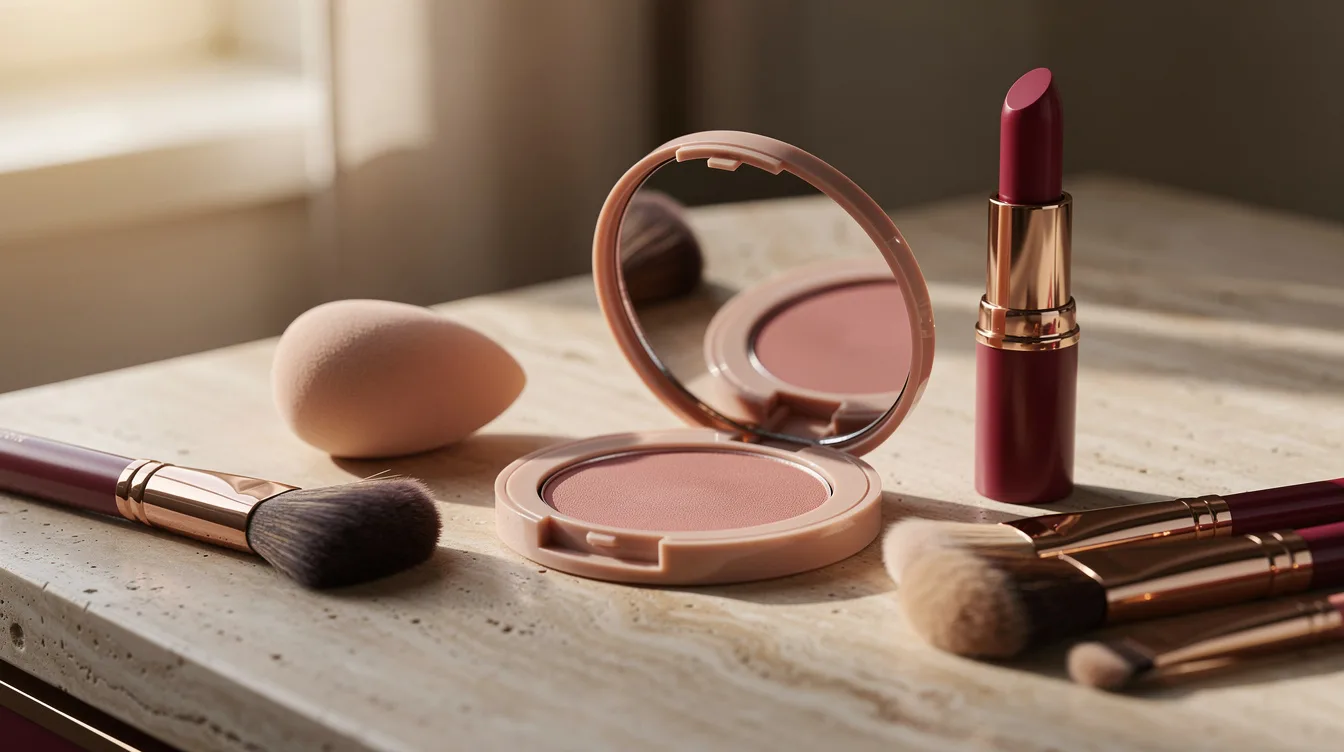
The mirror can be rude at 4 p.m.: blush that looked fresh in the morning may seem to have drifted toward the center of the face, especially when skin feels drier than it once did. A $24 Rare Beauty Soft Pinch Liquid Blush can give a sheer, convincing flush, but placement matters more than the price tag.
A lifted effect is an optical makeup technique, not a treatment that moves skin or restores lost volume. Research on cosmetics supports the broader idea that makeup can increase facial contrast and influence perceived age, while a blush placement alone has no evidence of physically lifting the face.
What you will find inside
- Start Above the Cheek’s Lowest Point
- Apply Blush With Your Face Relaxed
- Blend Upward Instead of Across
- Choose Sheer Layers Over Dense Powder
- Use Color to Restore Contrast, Not Carve the Face
- Keep the Finish Soft Near Texture
Start Above the Cheek’s Lowest Point
Put the first touch of color high on the upper cheekbone, roughly between the outer edge of the iris and the outer eye corner. Keep the richest pigment there, then soften it toward the temple so the eye reads an upward diagonal.
This is where a cream blush earns its keep on skin with less oil and a thinner barrier. I like Fenty Beauty Cheeks Out Freestyle Cream Blush, typically about $24, because a tiny amount can be tapped out before it settles into a rigid-looking spot.
Apply Blush With Your Face Relaxed
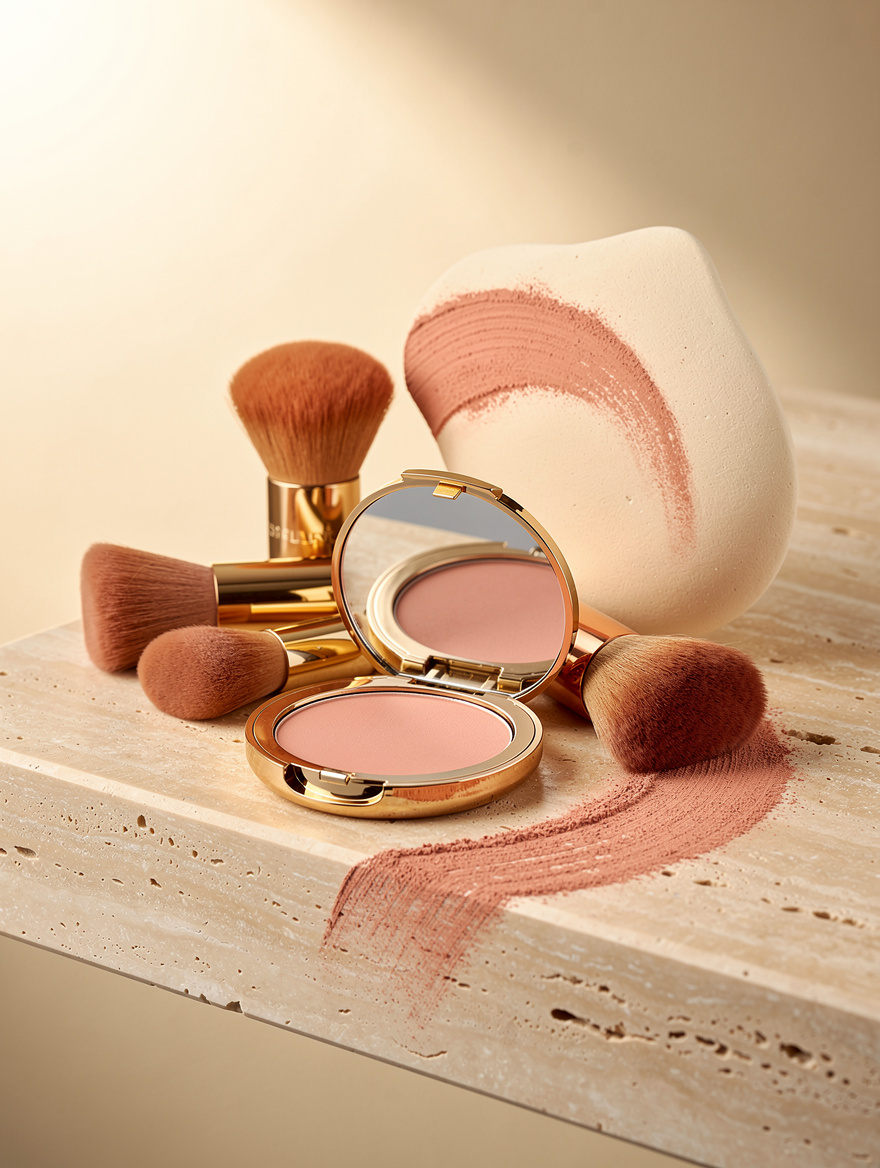
Smile if you want to check your overall makeup, but place blush while looking straight ahead with your face relaxed. The apple rises when you smile, then drops when your expression changes, which is why a cheerful circular placement can look low later.
Use the outer iris as your inner boundary, rather than carrying color near the nostril. A muted rose blush such as Clinique Cheek Pop Blush, often around $30, makes this guide easy to see without reading like a contour stripe.
Blend Upward Instead of Across
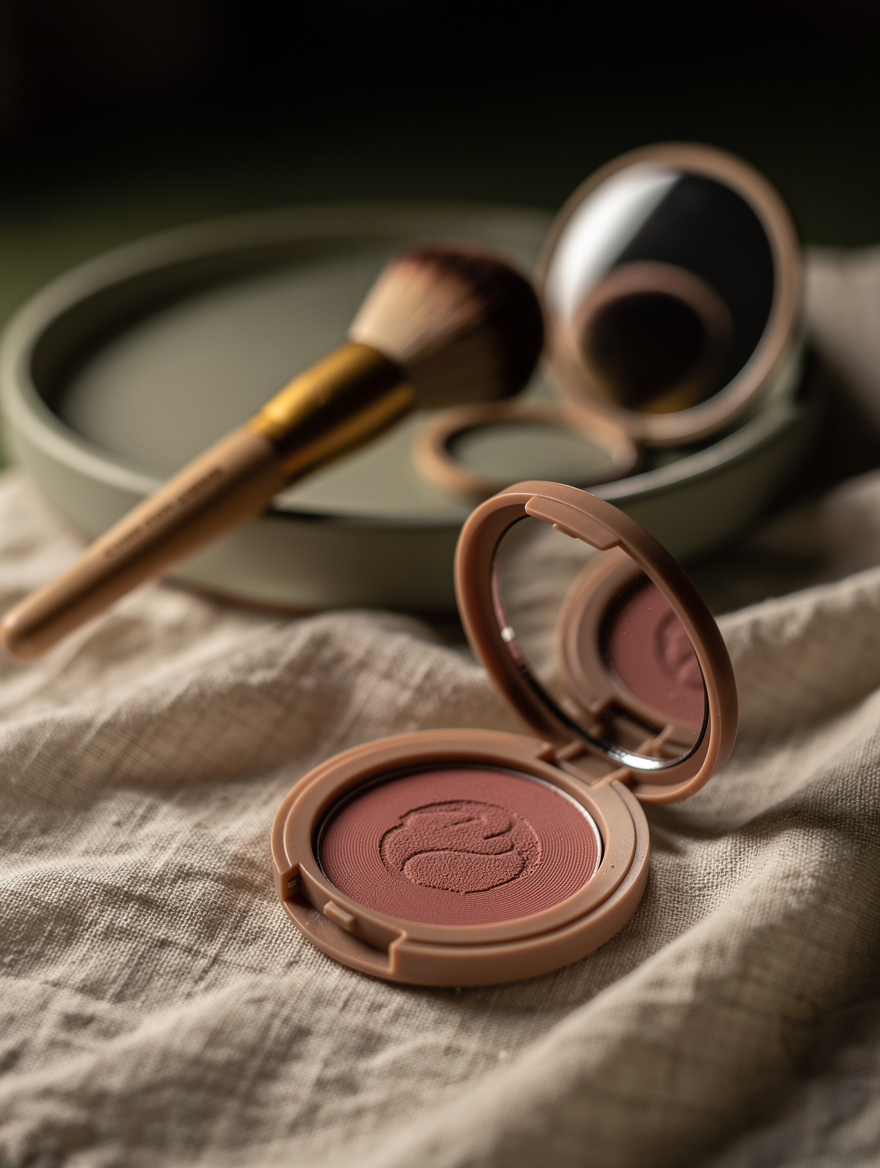
Make a short soft diagonal from the high outer cheekbone toward the temple, then blur the edge with a clean brush or sponge. A horizontal band across the middle of the face can flatten the features and pull attention toward folds around the mouth.
Saie Dew Blush, usually about $25, works well for this because its liquid-cream texture gives you a few moments to diffuse the edge. Tap, don’t scrub, especially over sunscreen and complexion makeup that may already be clinging to dry patches.
Choose Sheer Layers Over Dense Powder
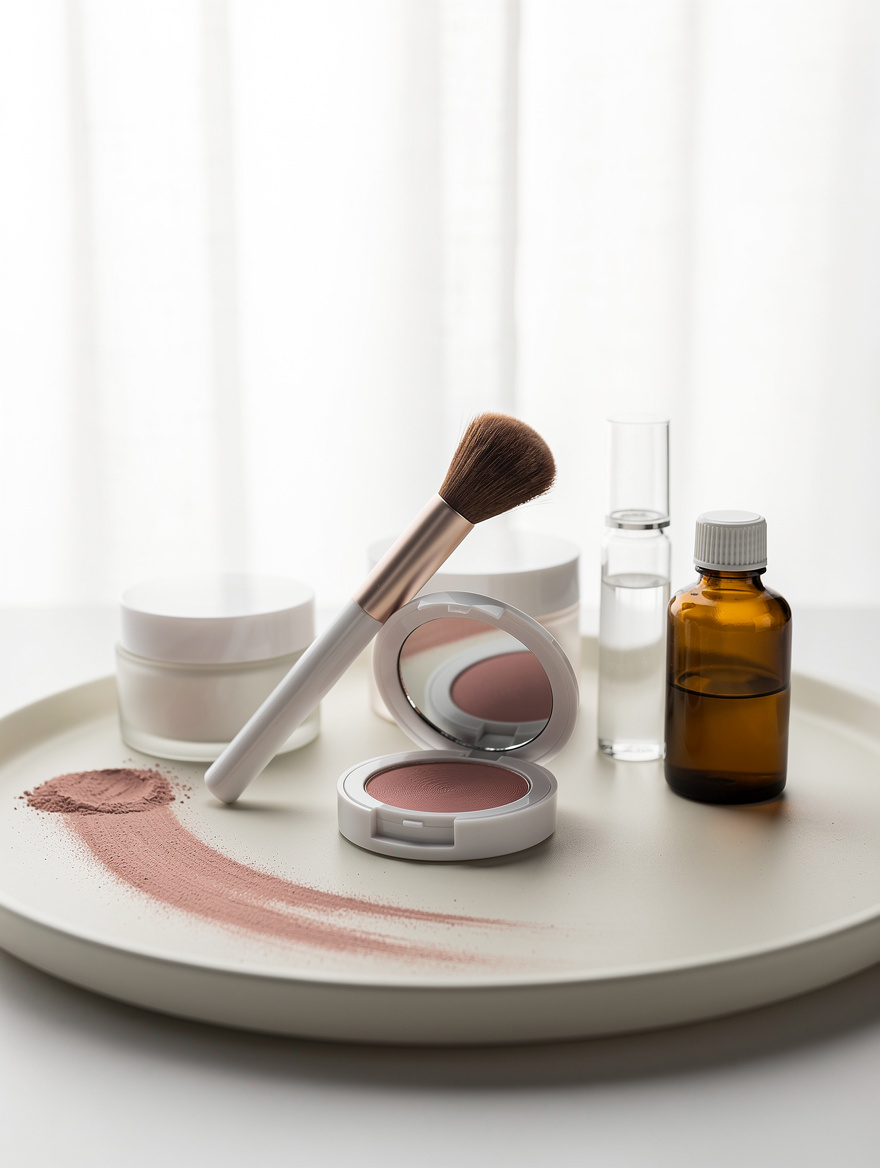
Dense matte powder can catch on texture, particularly where post-menopausal skin has become drier or finer. Build a thin veil of color in two small applications instead, stopping once the cheek looks awake from a normal conversational distance.
A finely milled option such as Hourglass Ambient Lighting Blush, typically around $46, can suit someone who prefers powder, though it is a splurge. Skip large glitter and sharp metallic shine, which can make pores and uneven texture more noticeable under direct light.
Use Color to Restore Contrast, Not Carve the Face
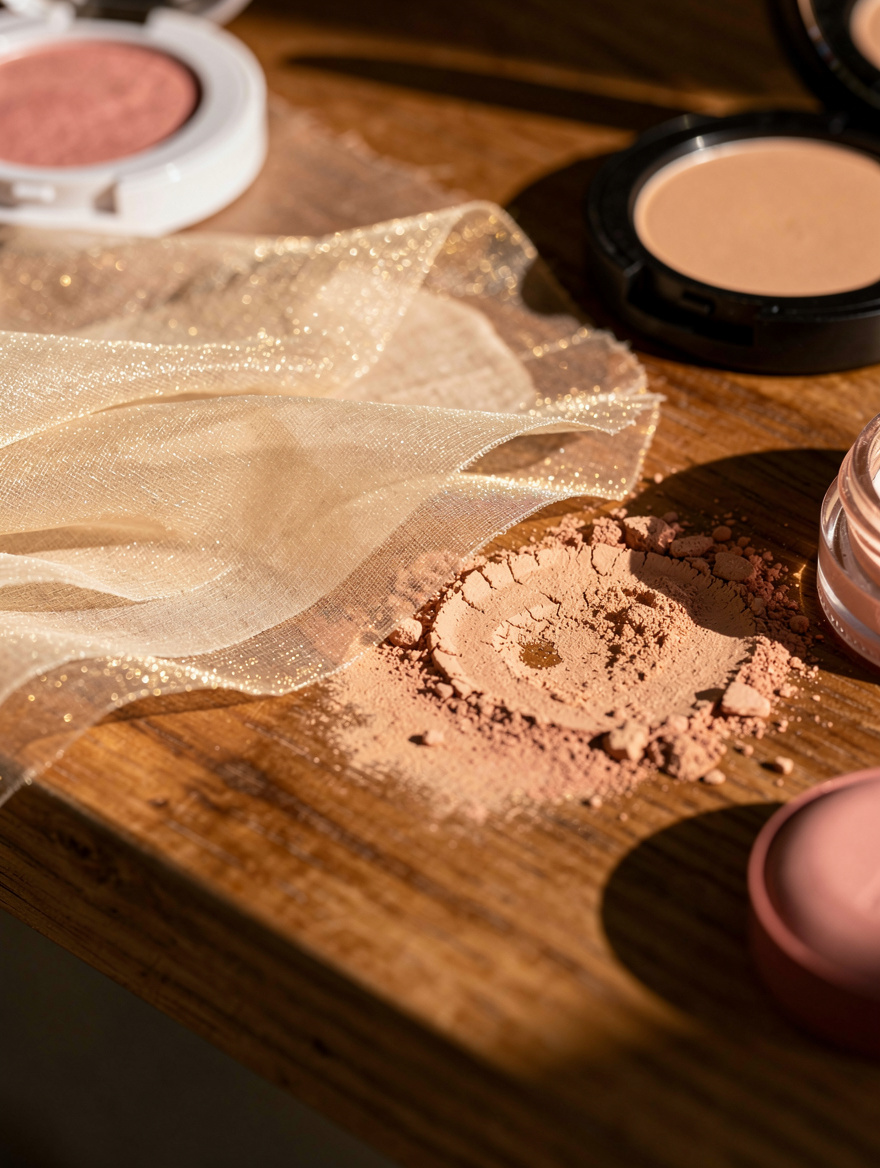
Beige-brown blush often behaves like contour and can make a mature complexion look more shadowed than intended. Try a muted nude-peach, soft berry, or livelier rose that echoes the natural flush you still see after a brisk walk.
Olay skincare and a comfortable base may help makeup apply more evenly, but blush itself is not a skincare active. For a simple drugstore choice, e.l.f. Camo Liquid Blush, typically about $7, lets you test a soft berry or rose without committing to an expensive formula.
Keep the Finish Soft Near Texture
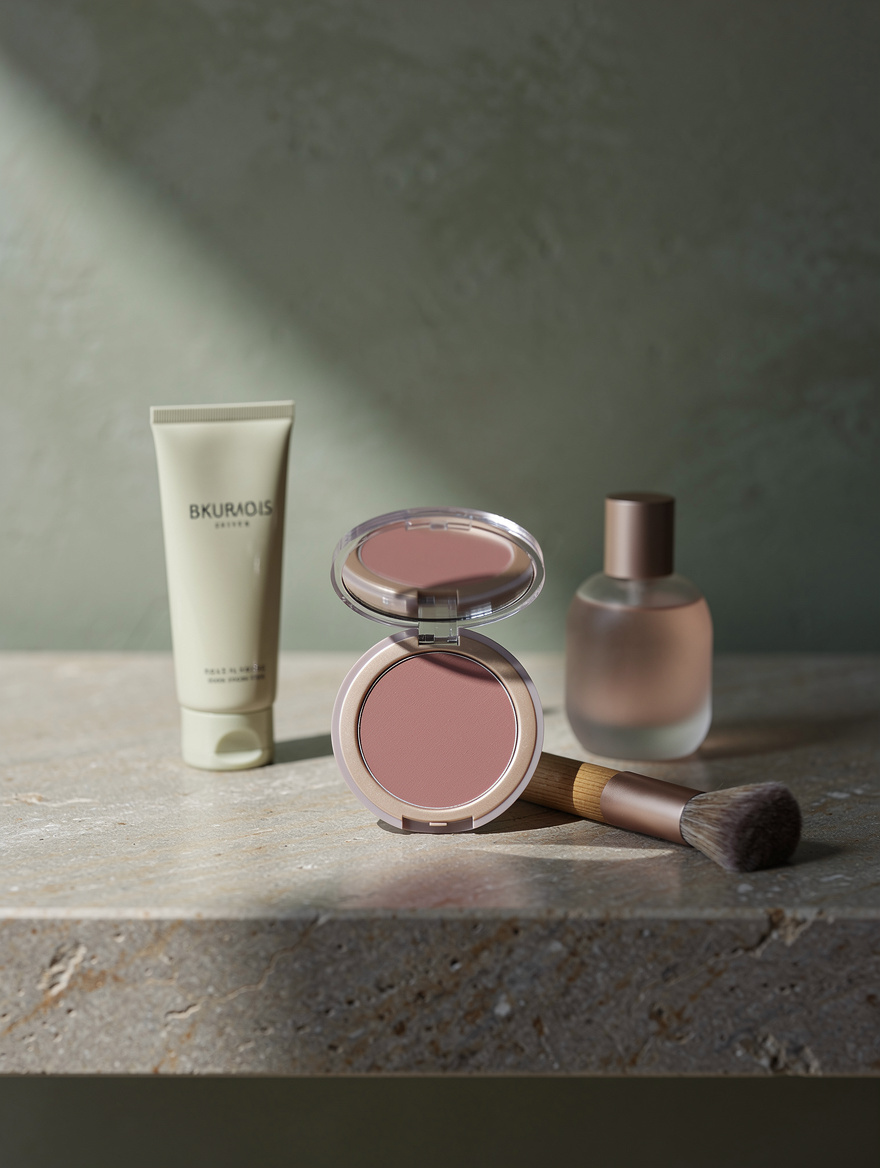
Color belongs mainly above an imaginary line running from the nostril area toward the ear, with the lowest apple kept lighter and more transparent. That doesn’t mean erasing the apple of the cheek, it means avoiding a dense round patch where natural cheek volume may now sit lower.
If you have rosacea, hyperpigmentation, or visible texture, choose a satin finish and build gradually with NARS Afterglow Liquid Blush, often about $32. Persistent redness, a spot that bleeds, changes shape, or does not heal deserves a dermatologist’s attention rather than more concealer or blush.
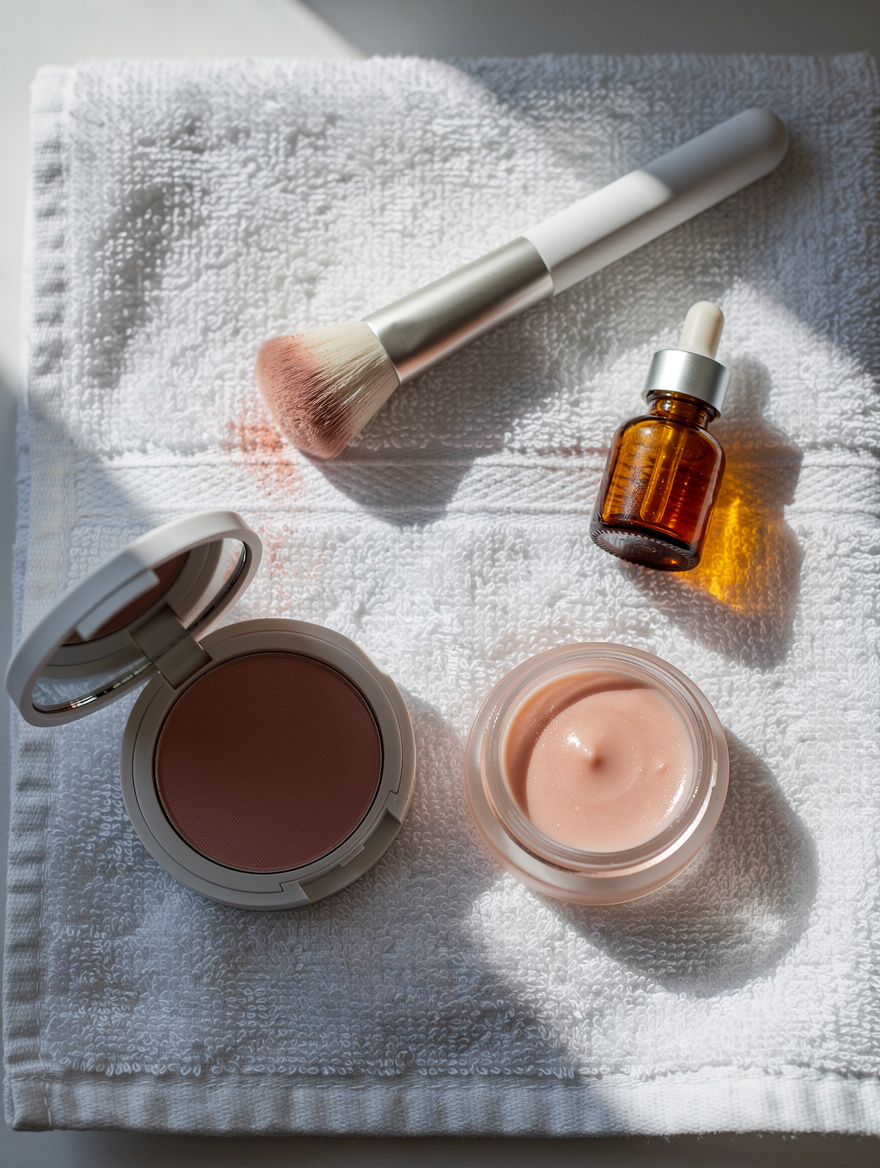
Start with the relaxed-face test: place one tiny dot high at the outer cheekbone, blend it toward the temple, and check the result in daylight before adding more. This one adjustment costs nothing and usually tells you whether your current blush formula is doing its job.