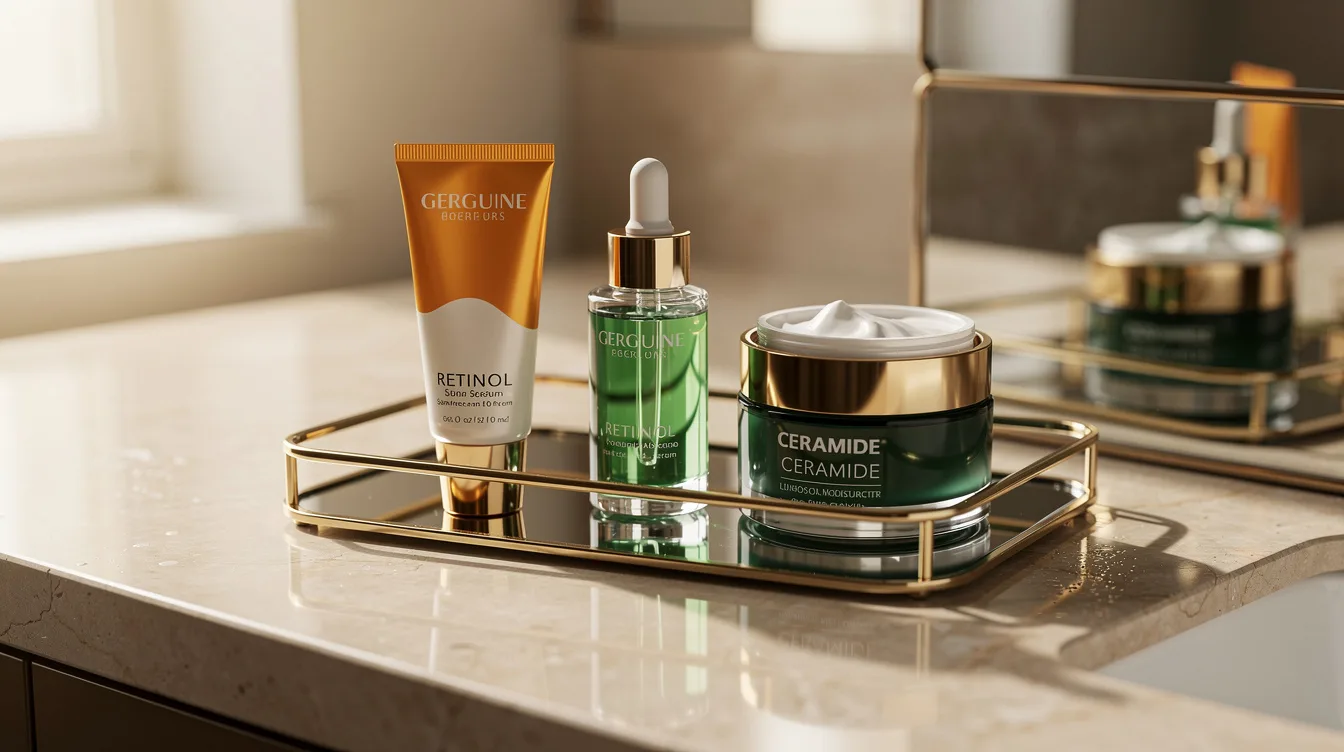
The mirror can be especially blunt when a familiar serum suddenly stings, foundation catches around the mouth, and brown spots seem more noticeable by late afternoon. A three-product routine can feel almost too simple, but a moisturizer such as CeraVe Moisturizing Cream, typically about $16 to $22, addresses a real need for a drier, thinner-feeling barrier.
The useful foundation is daily sunscreen, a nighttime retinoid, and a barrier-supporting moisturizer. These products won’t erase deep wrinkles or lift lax skin, yet dermatologists generally consider them the strongest high-value topical starting point for limiting further sun-related change and supporting smoother-looking texture over time.
What you will find inside
- Stop Treating Sunscreen As an Outdoor-Only Product
- Choose a Sunscreen Texture You’ll Actually Wear
- Start Retinol Below Your Ego’s Comfort Level
- Build Frequency Before Chasing a Stronger Retinoid
- Ask About Tretinoin When You Want the Medical Route
- Make Moisturizer Do Barrier Work, Not Just Feel Nice
Stop Treating Sunscreen As an Outdoor-Only Product
UV exposure reaches the face on errands, walks, and through ordinary daytime routines, so make broad-spectrum SPF 30 the morning product that stays. For frequent outdoor time, noticeable discoloration, or high UV exposure, SPF 50 is a practical step up.
La Roche-Posay Anthelios Melt-In Milk SPF 60, usually around $25 to $30, is a comfortable lotion choice when matte formulas make skin feel tight. Apply generously to face, ears, neck, upper chest, and exposed hands about 15 minutes before going out, then reapply at least every two hours outdoors and after swimming, sweating, or towel-drying.
Choose a Sunscreen Texture You’ll Actually Wear
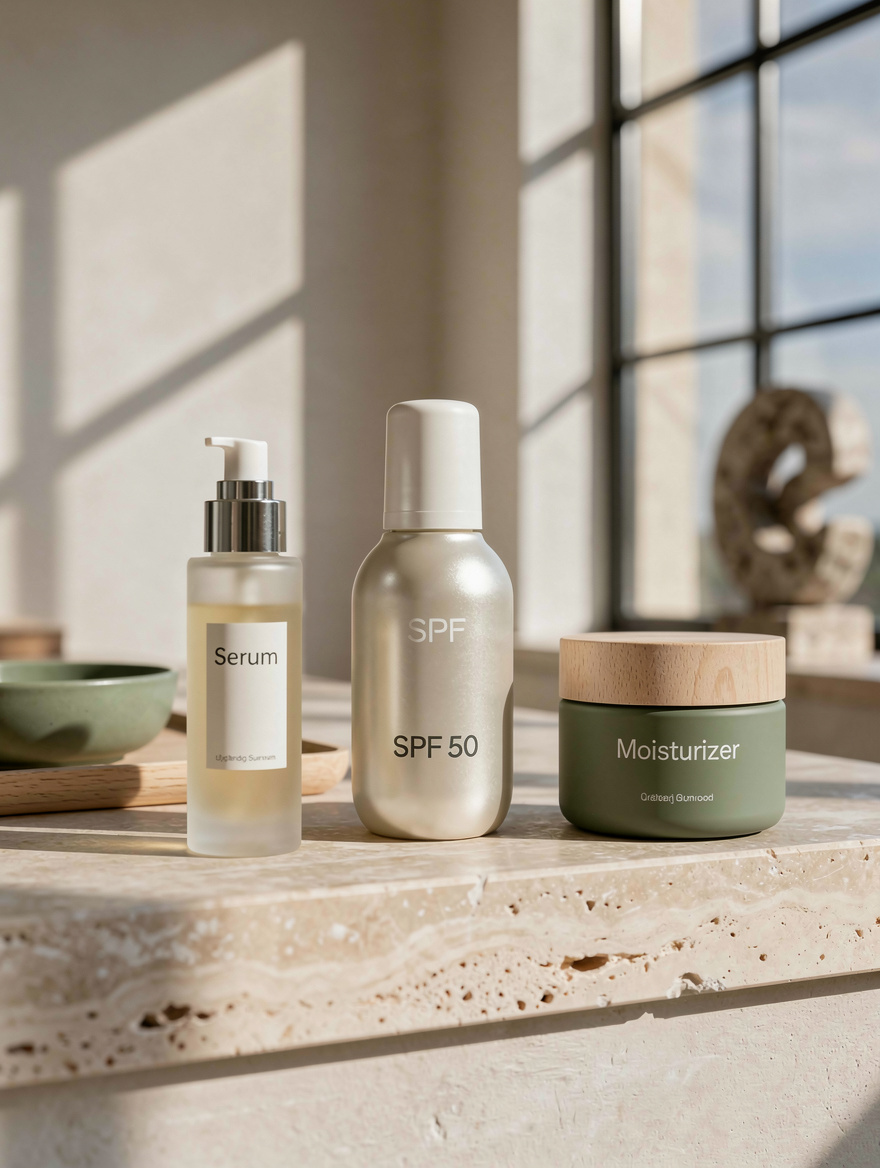
A sunscreen that pills under makeup or leaves dry skin feeling parched often ends up abandoned in a drawer. Cream and lotion formulas usually sit better on mature skin than aggressively mattifying gels, and that day-to-day comfort matters more than chasing the highest number on the label.
For a less expensive option, Neutrogena Ultra Sheer SPF 55 often runs about $12 to $16 at major US retailers. If brown spots or melasma are a concern, a tinted mineral formula with iron oxides may be worth considering because it also helps shield skin from visible light associated with pigmentation.
Start Retinol Below Your Ego’s Comfort Level
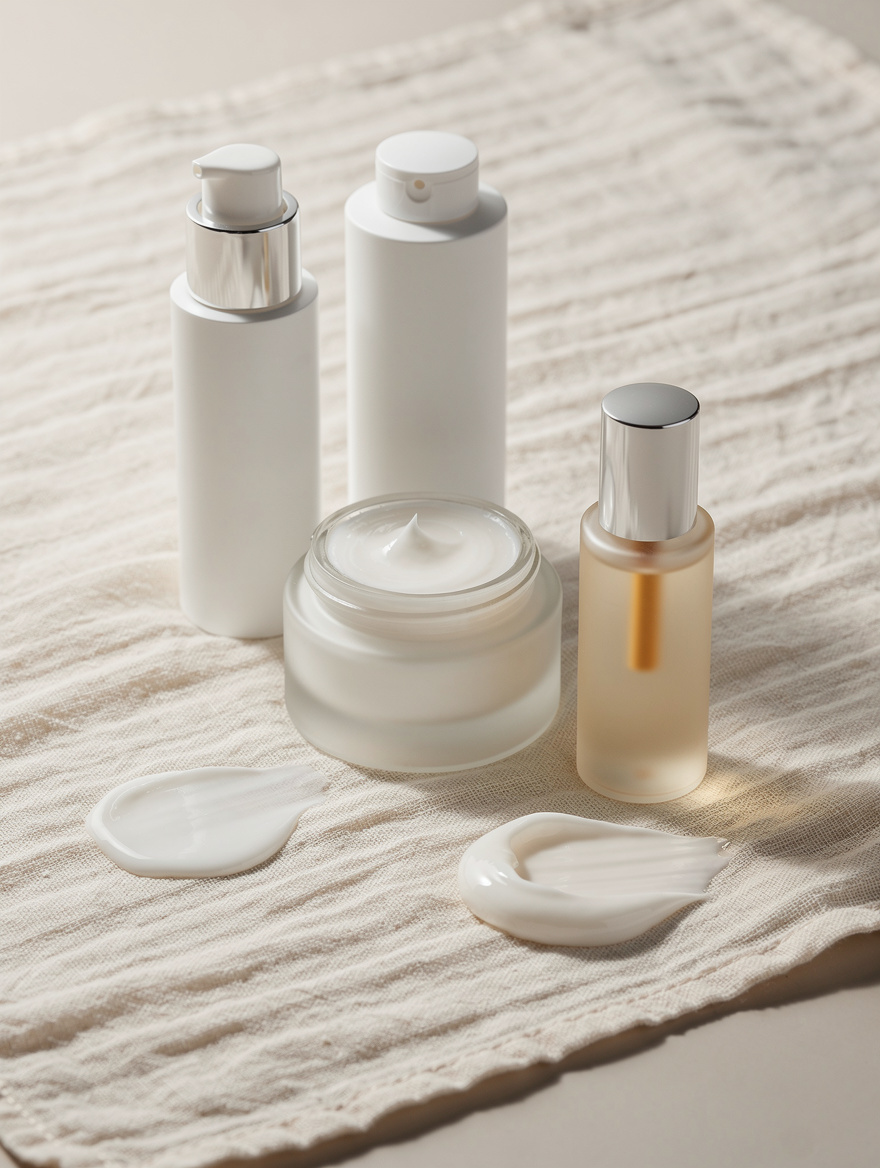
The most common retinoid mistake is starting too strong or using it nightly from day one. A typical 0.1% to 0.3% retinol product used two nights a week gives dry, sensitive, or retinoid-new skin room to adjust.
CeraVe Resurfacing Retinol Serum, commonly about $19 to $23, is a sensible drugstore entry point for a cautious routine. Use a pea-sized amount across a fully dry face, avoiding eyelid margins, nose creases, and lip edges at first, since more product raises the chance of irritation without making it work faster.
Build Frequency Before Chasing a Stronger Retinoid
Retinoids are among the best-supported topical ingredients for visible photodamage, but consistency is more useful than a heroic first week. Dryness, flaking, redness, and stinging are common, especially when lower estrogen has already reduced the skin barrier’s cushion.
After roughly six to twelve comfortable weeks, many people can move from twice weekly to every other night, then decide whether nightly use suits their skin. RoC Retinol Correxion, often around $22 to $30, can fit this gradual approach; pause or reduce frequency if irritation persists rather than pushing through it.
Ask About Tretinoin When You Want the Medical Route
Prescription tretinoin 0.025% cream has the strongest clinical evidence among topical retinoids for signs of facial photodamage. It is a medication, so a dermatologist can help determine whether it fits your skin, current products, sensitivity, and medical history.
Generic tretinoin may cost roughly $15 to $80 in cash, depending on pharmacy and insurance coverage. Many clinicians begin with two or three nights weekly, and moisturizer before or after application can make the adjustment period more manageable for dry skin.
Make Moisturizer Do Barrier Work, Not Just Feel Nice
After 50, a lightweight gel that vanishes in seconds may not provide enough comfort for slower cell turnover and lower natural oil production. Look for a cream or lotion with glycerin and ceramides, with niacinamide or hyaluronic acid as useful extras when your skin tolerates them.
Vanicream Daily Facial Moisturizer, typically about $13 to $16, is a straightforward option when fragrance or complicated formulas have become irritating. Use moisturizer in the morning before sunscreen if needed, and at night alongside your retinoid, especially on the non-retinoid nights when your skin feels tight.
Start with the product most likely to protect tomorrow’s skin: a sunscreen you’ll apply every morning. Once that habit is steady, add a simple moisturizer, then introduce retinol slowly; see a dermatologist for any spot that bleeds, changes shape, or does not heal.