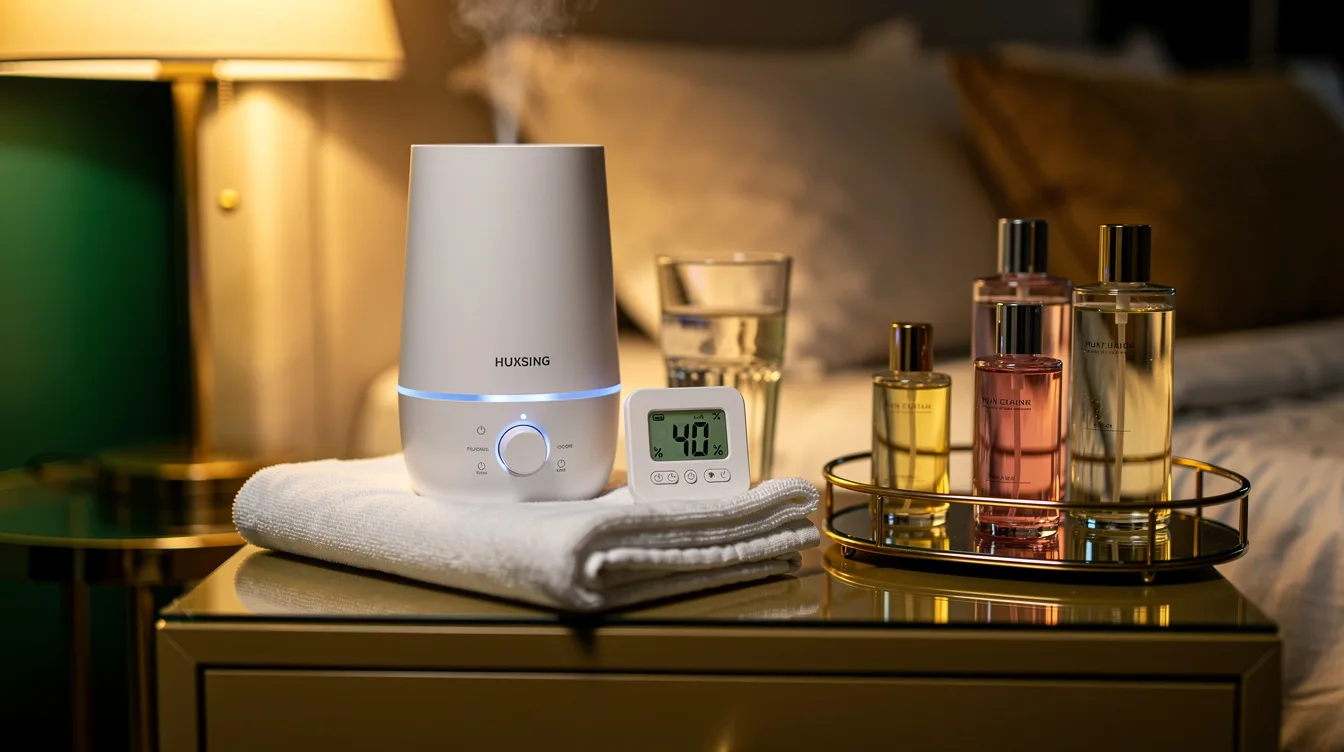
The bedroom can feel comfortable at bedtime, yet by morning your cheeks may feel tight and your moisturizer suddenly seems too light. A small hygrometer showing below 30% RH explains more than another expensive serum often can.
Lower estrogen can mean less surface oil, a thinner-feeling barrier, and faster water loss from skin. A humidifier is a supportive comfort tool, especially with heat or air-conditioning, but it works best beside a solid barrier routine.
What you will find inside
- Measure The Air Before Filling The Tank
- Choose Cool Mist For The Nightstand
- Cap The Setting Below Damp-Air Territory
- Seal In Water Right After Washing
- Build A Barrier-First Evening Routine
- Clean The Unit Like Part Of Skincare
Measure The Air Before Filling The Tank
Guessing from a dry throat or static-filled sheets is unreliable, so put a small hygrometer on a nightstand away from the humidifier’s direct mist. Our practical target is about 35% to 45% relative humidity, with 40% as an easy starting point.
That range may reduce the environmental pull on dry, exposed skin without making the room feel clammy. If your reading is already in that range, a humidifier may add little and a richer cream may be the more useful purchase.
Check the number for roughly a week while keeping the thermostat routine consistent. Comfort matters, but window condensation and a damp smell mean the air is too wet for the room.
Choose Cool Mist For The Nightstand
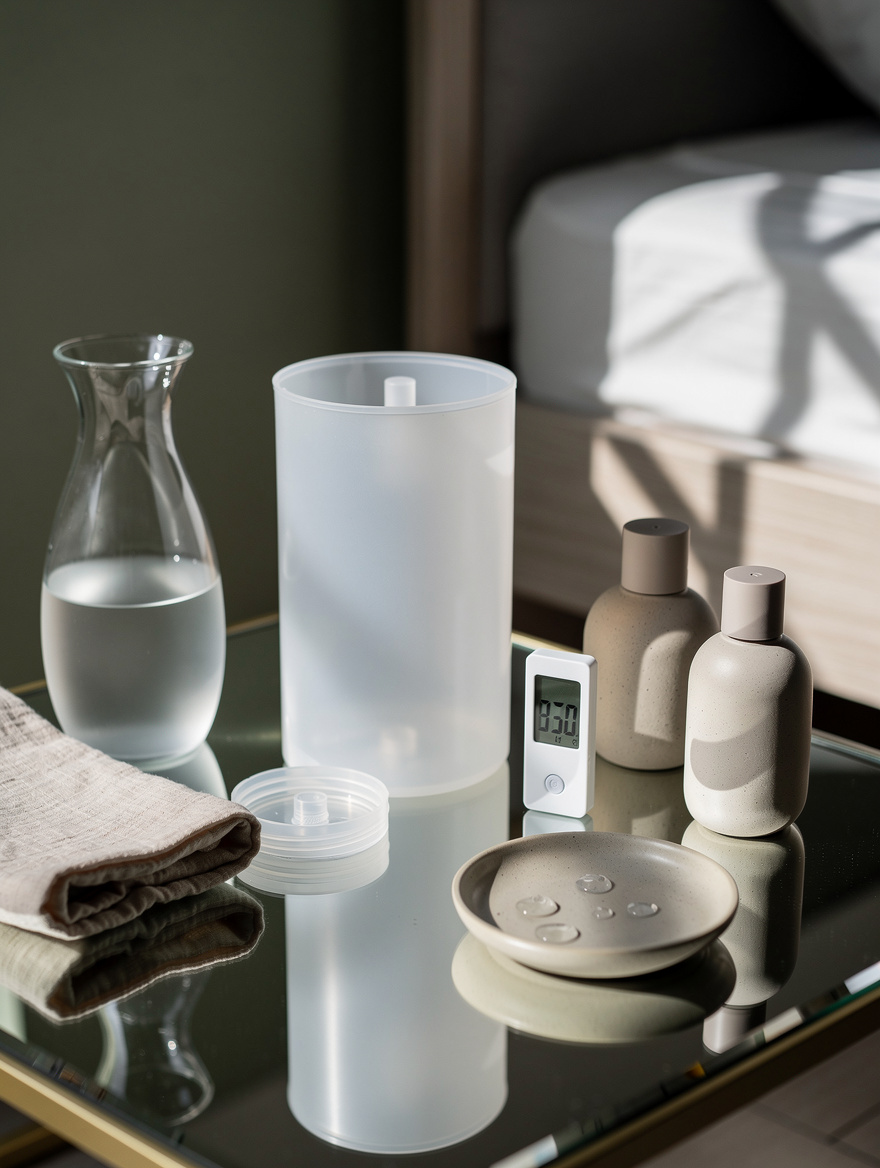
A cool-mist humidifier is the straightforward bedroom choice recommended in dermatology guidance for winter-related dryness. It can make overnight tightness, flaky patches, dry lips, and itch feel less aggravated by indoor air.
Skip oversized units marketed for an entire house when the goal is one bedroom. A compact model, often around $30 to $60 at Target, Walmart, or Amazon, gives you more control when paired with a hygrometer.
Place it on a stable, water-safe surface several feet from bedding and electronics. Direct mist on pillows, walls, or a facial sleeping mask creates damp fabric, not better skincare.
Cap The Setting Below Damp-Air Territory
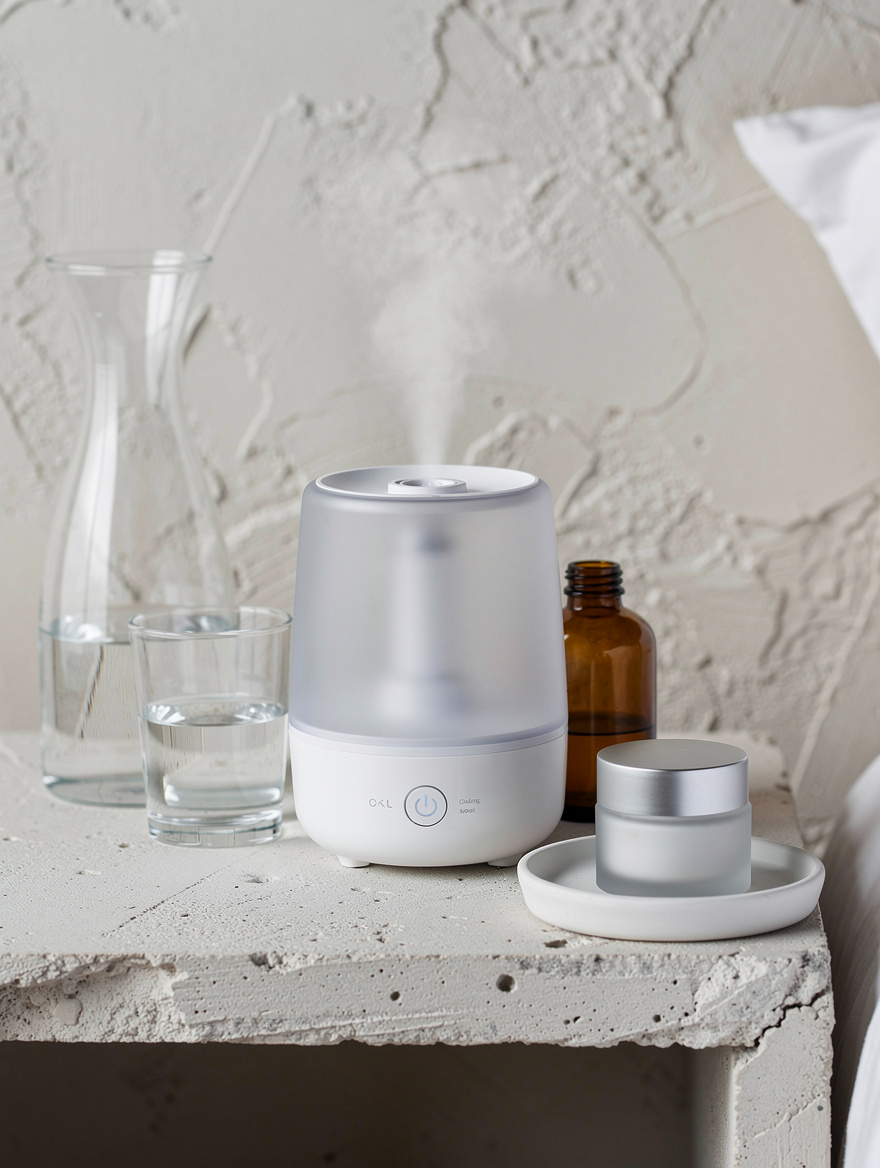
More humidity is not more helpful. Keep the room generally below 50% RH, because mold risk rises above that level and dust mites also favor wetter indoor conditions.
If the air reaches 45% to 50%, inspect windows and exterior walls in the morning rather than turning the dial higher. Condensation is a practical signal to reduce the setting, improve ventilation, or run the unit for fewer hours.
This cautious ceiling matters for sensitive skin too. A musty bedroom can add irritants and allergens to a routine meant to calm dryness.
Seal In Water Right After Washing
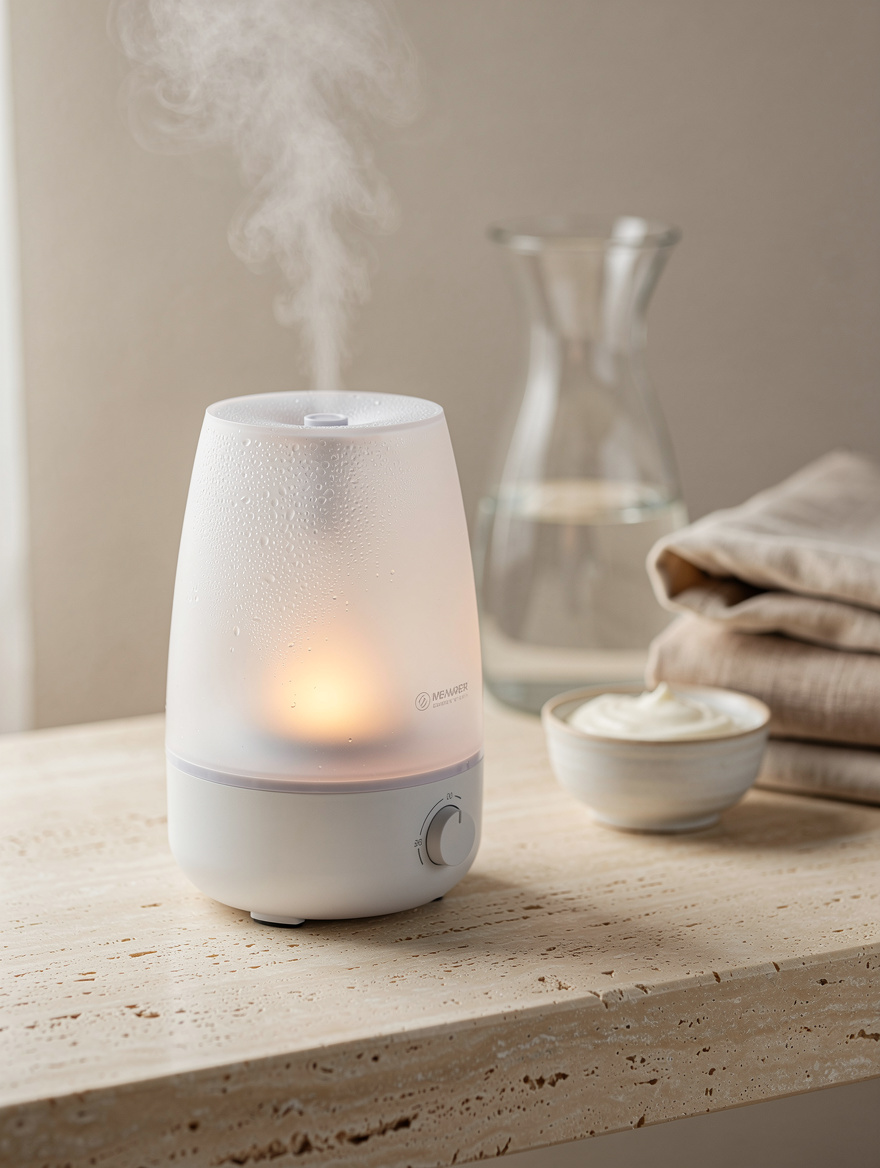
Humidified air cannot replace moisturizer, particularly when menopausal skin has less resilient barrier support. Apply a fragrance-free cream within a few minutes of a lukewarm shower or evening cleanse, while skin is still slightly damp.
A jar of CeraVe Moisturizing Cream, typically about $16 depending on size and retailer, is a sensible basic because it combines ceramides with humectant and emollient support. We favor a plain cream over a thin, scented lotion when skin is visibly flaky or stings easily.
For very dry hands, elbows, or lower legs, an ointment with petrolatum can be useful as the last nighttime layer. It may feel too rich for every face, so reserve it for the spots that actually need it.
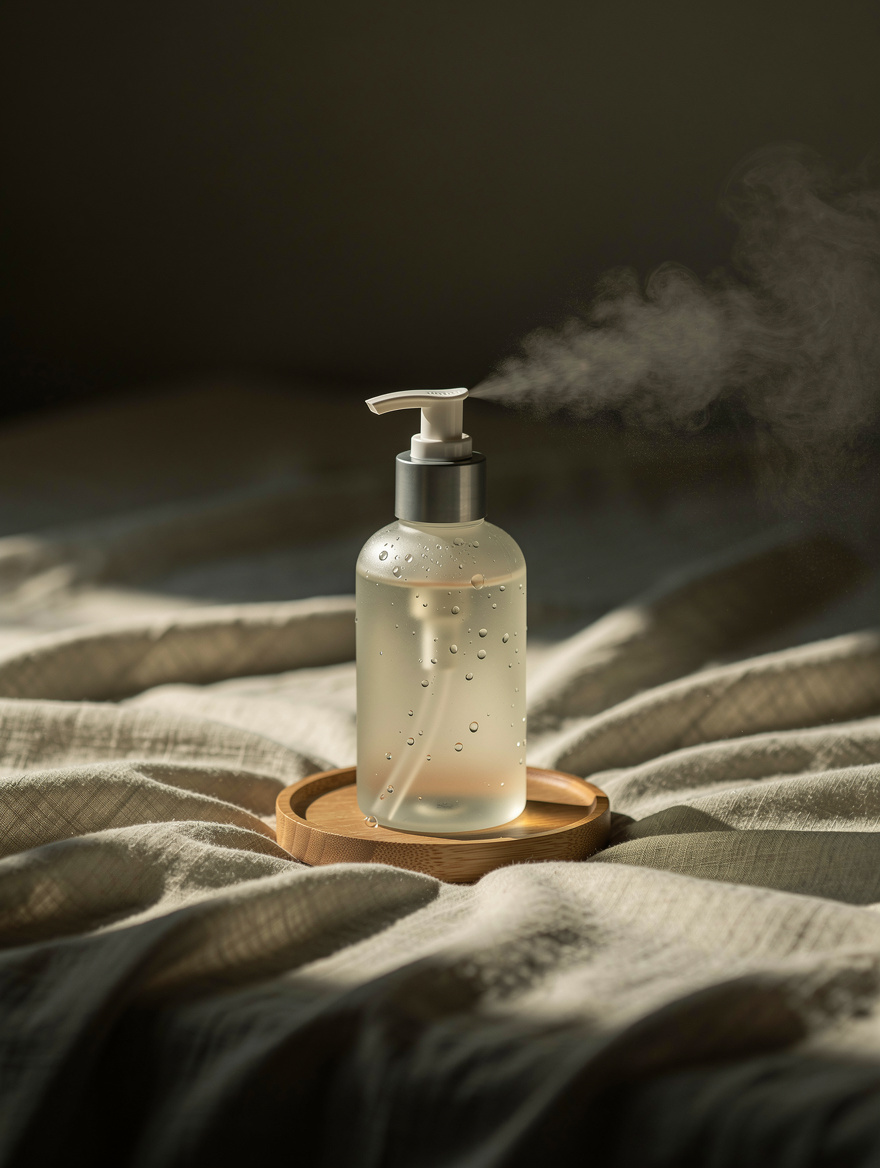
Build A Barrier-First Evening Routine
Keep the routine quiet when skin feels reactive: a gentle cleanser, a moisturizer with glycerin or ceramides, and sunscreen the next morning. This approach addresses water loss at the skin surface while the humidifier improves the surrounding environment.
Products such as La Roche-Posay Toleriane Double Repair Face Moisturizer are widely available at Ulta, CVS, Walgreens, and Amazon, often around $22. The opinion here is simple: spend on consistency before adding several treatment serums.
If you use retinol or exfoliating acids, reduce frequency when peeling or burning appears instead of trying to humidify your way through irritation. A typical 0.3% retinol can still be too much on a compromised barrier, and a dermatologist can help tailor a prescription plan when needed.
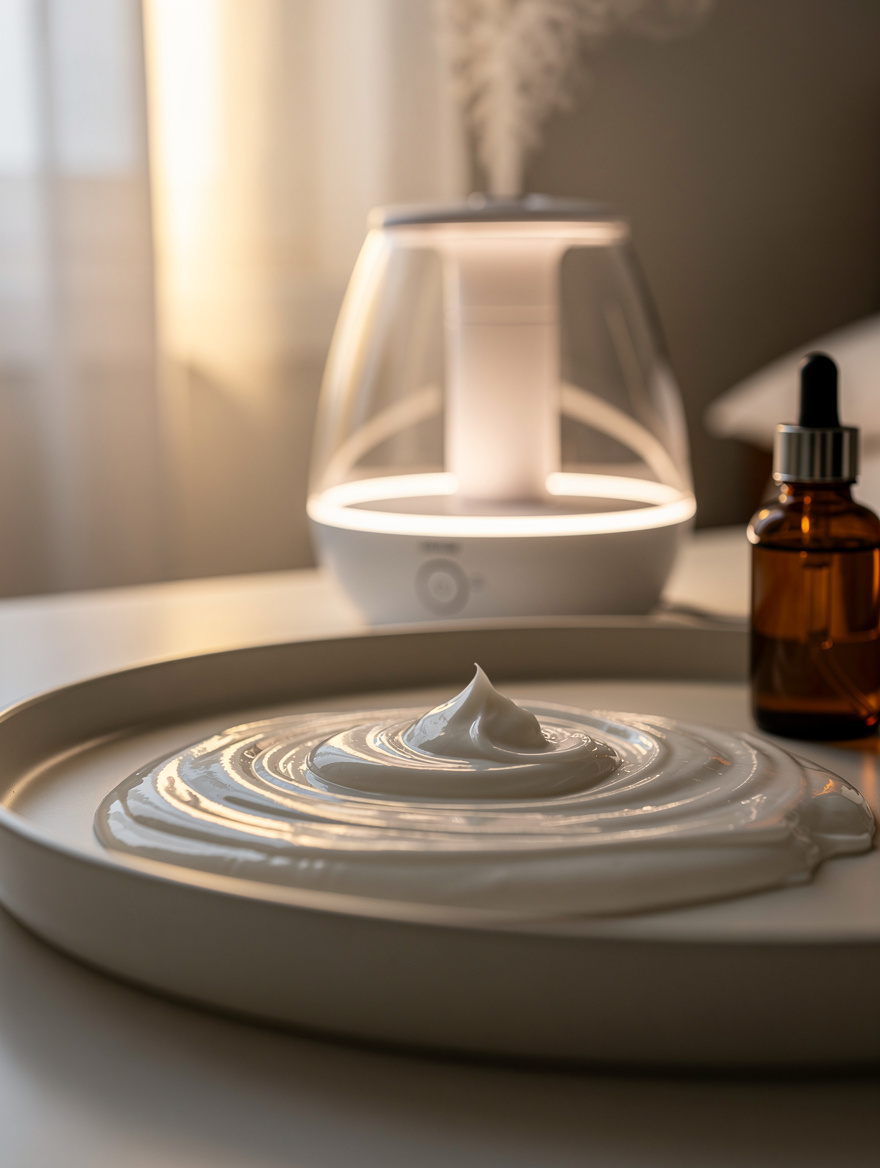
Clean The Unit Like Part Of Skincare
A neglected humidifier can spread mineral residue or allow buildup in its tank, which defeats the point of a cleaner bedroom environment. Empty it daily, refresh the water, and follow the manufacturer’s cleaning schedule exactly.
Using distilled water may reduce the white dust that hard water can leave around a unit. It is an especially practical choice if you notice residue on the nightstand or nearby furniture.
Replace filters or cartridges on schedule, and let removable parts dry fully before storage. If the room smells musty, visible mold appears, or your skin irritation persists, stop using the unit until the cause is addressed.
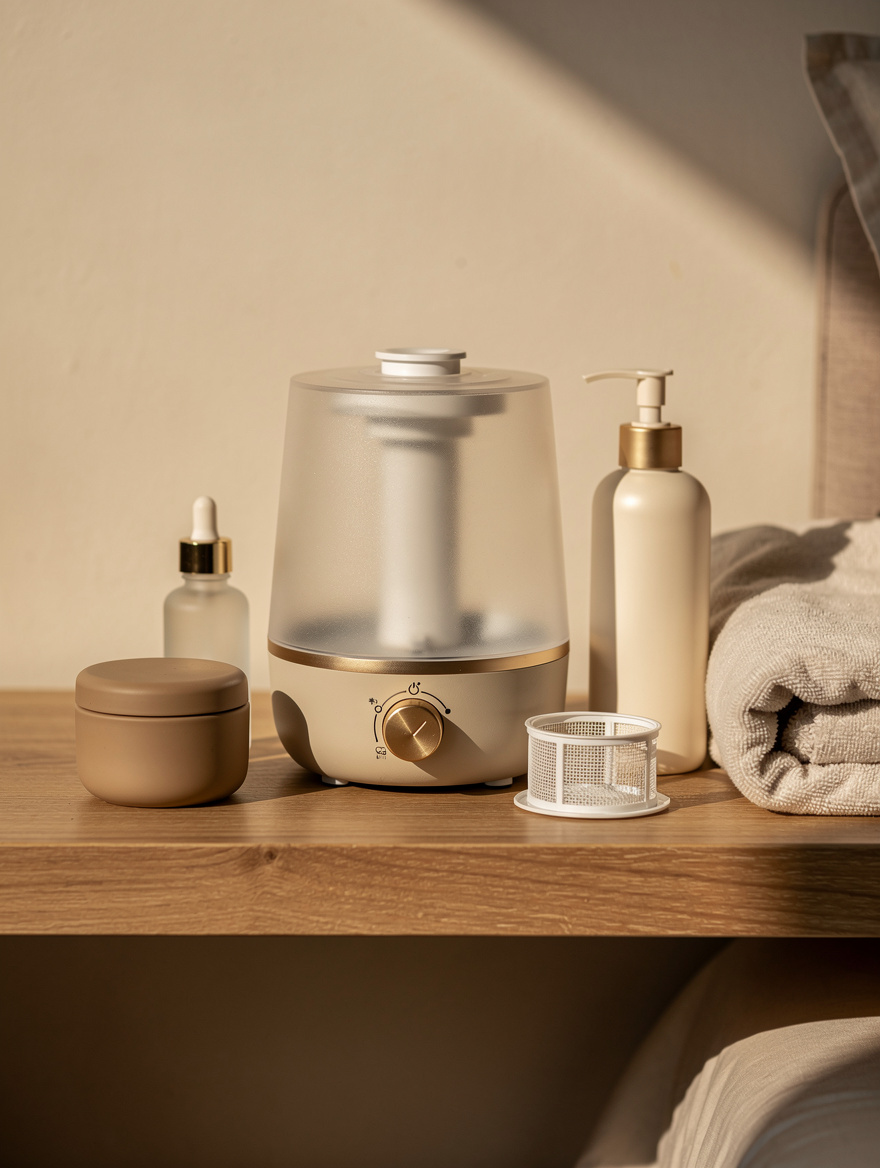
Start with a hygrometer and aim for about 40% RH, then make immediate post-wash moisturizing the nonnegotiable step. See a dermatologist for any spot that bleeds, changes shape, or does not heal.