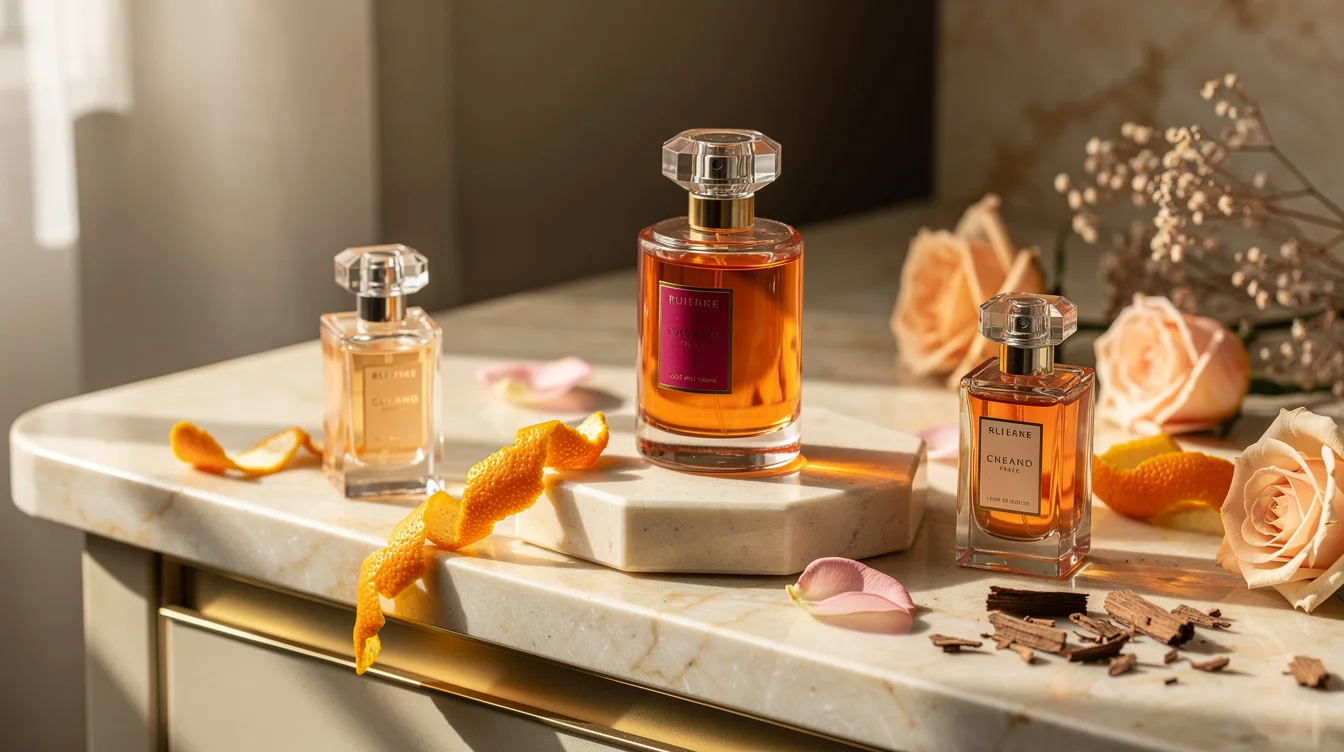
The expensive-looking bottle can stay on the vanity while the scent inside turns oddly sugary, sharp, or gone by lunch. We kept returning to fragrances with a bright opening and a dry, layered base, rather than assuming a typical $115 eau de parfum would automatically smell polished.
“Expensive” is an aesthetic impression, not a skin category or a measure of quality. For skin over 50, the useful rule is comfort: fragrance can still be fun, but irritated or broken skin is not a testing ground.
What you will find inside
- Start With a Bright, Structured Opening
- Choose Florals That Have Some Shape
- Add Lavender for a Modern Edge
- Keep Vanilla on a Short Leash
- Try Soft Woods for a Quiet Signature
- Treat EDP Labels as a Starting Point
Start With a Bright, Structured Opening
A polished fragrance usually announces itself with contrast, not a cloud of sweetness. Chanel Coco Mademoiselle Eau de Parfum, typically from about $115, pairs orange with jasmine, May rose, patchouli, and vetiver, and its dry finish is why we consider it a dependable tailored choice.
Citrus notes such as bergamot and orange give florals a crisp edge. Look for patchouli or vetiver somewhere in the base, because those dry notes keep the composition feeling intentional after the opening fades.
Choose Florals That Have Some Shape
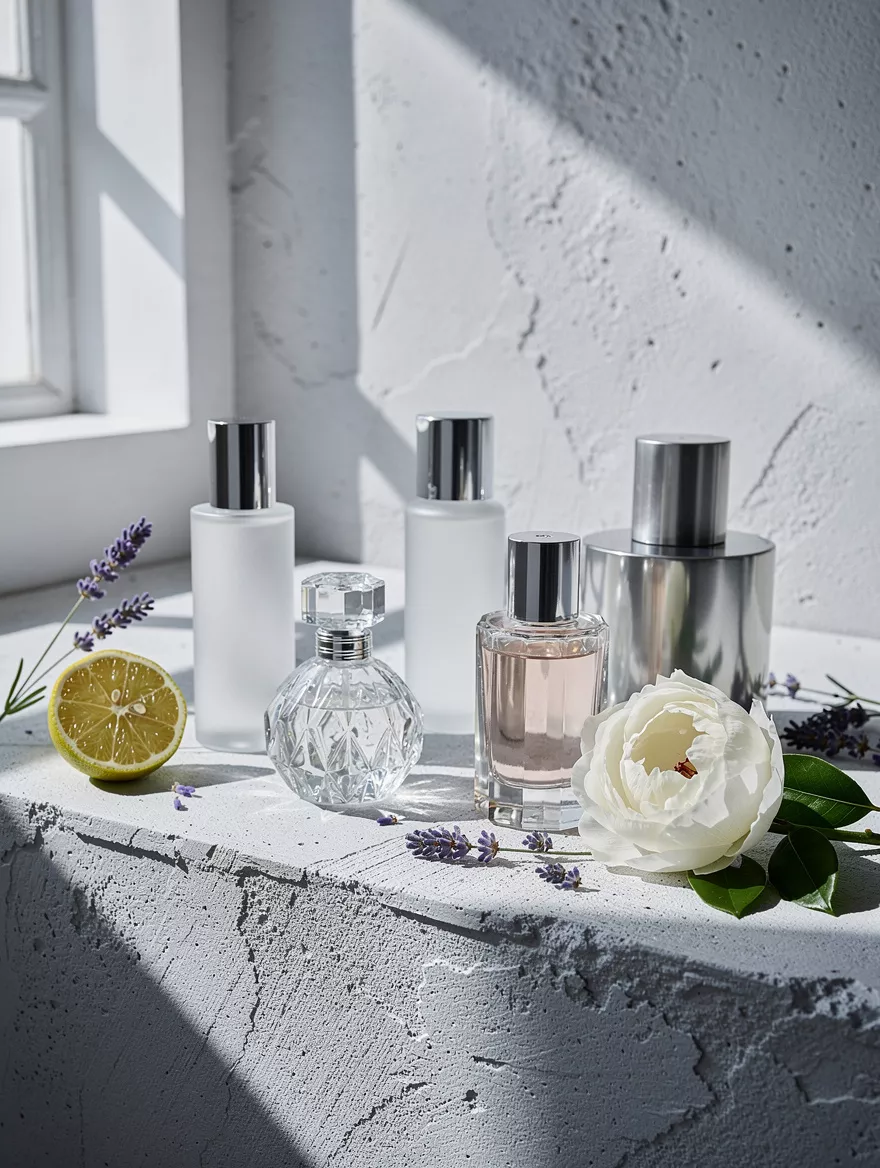
Big florals can smell expensive when they feel dimensional rather than powdery or syrupy. Dior J’adore Eau de Parfum, around $115 for 1.0 oz, uses ylang-ylang, Damascus rose, and jasmine for a luminous floral profile with real presence.
Rose and jasmine are especially useful notes to test if you want elegance without a dessert-like finish. We’d choose this direction for someone who wants flowers to be the main event, rather than vanilla, coffee, or fruit.
Add Lavender for a Modern Edge
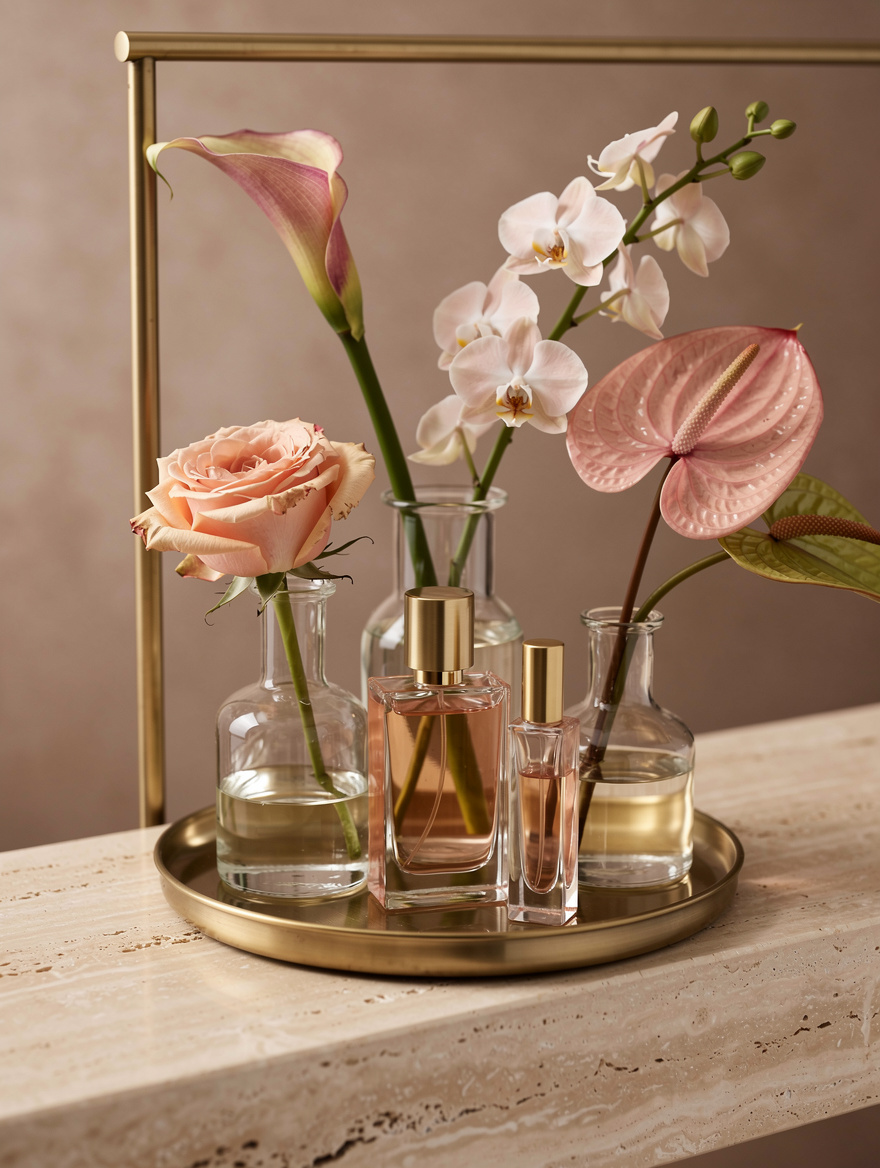
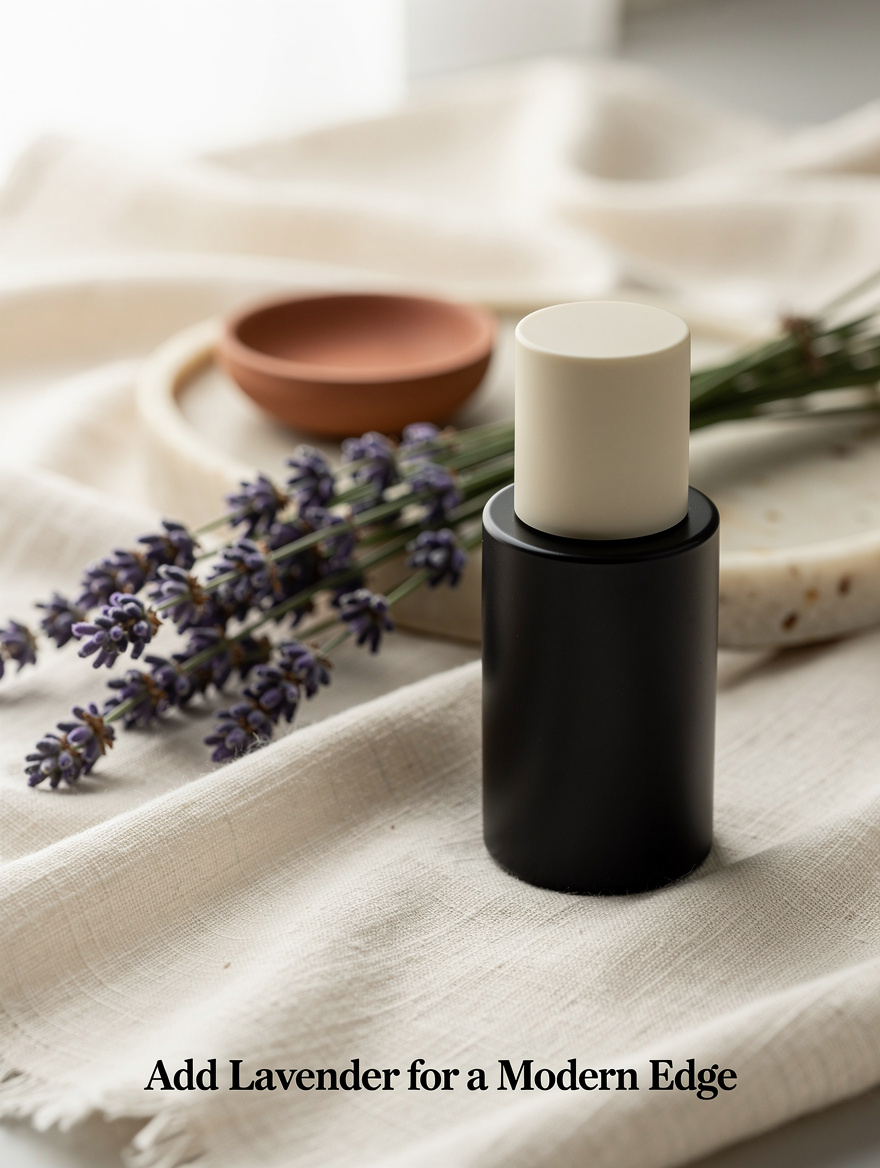
YSL Libre Eau de Parfum makes lavender feel sharp, warm, and decidedly dressed-up beside orange blossom and musk. It is a strong option when a traditional floral feels too soft, since the aromatic opening gives the scent a cleaner outline.
Lavender does not make a fragrance masculine or feminine on its own, it adds tension. That contrast between an aromatic note and a warm floral heart is often what makes a perfume feel contemporary instead of generically sweet.
Keep Vanilla on a Short Leash
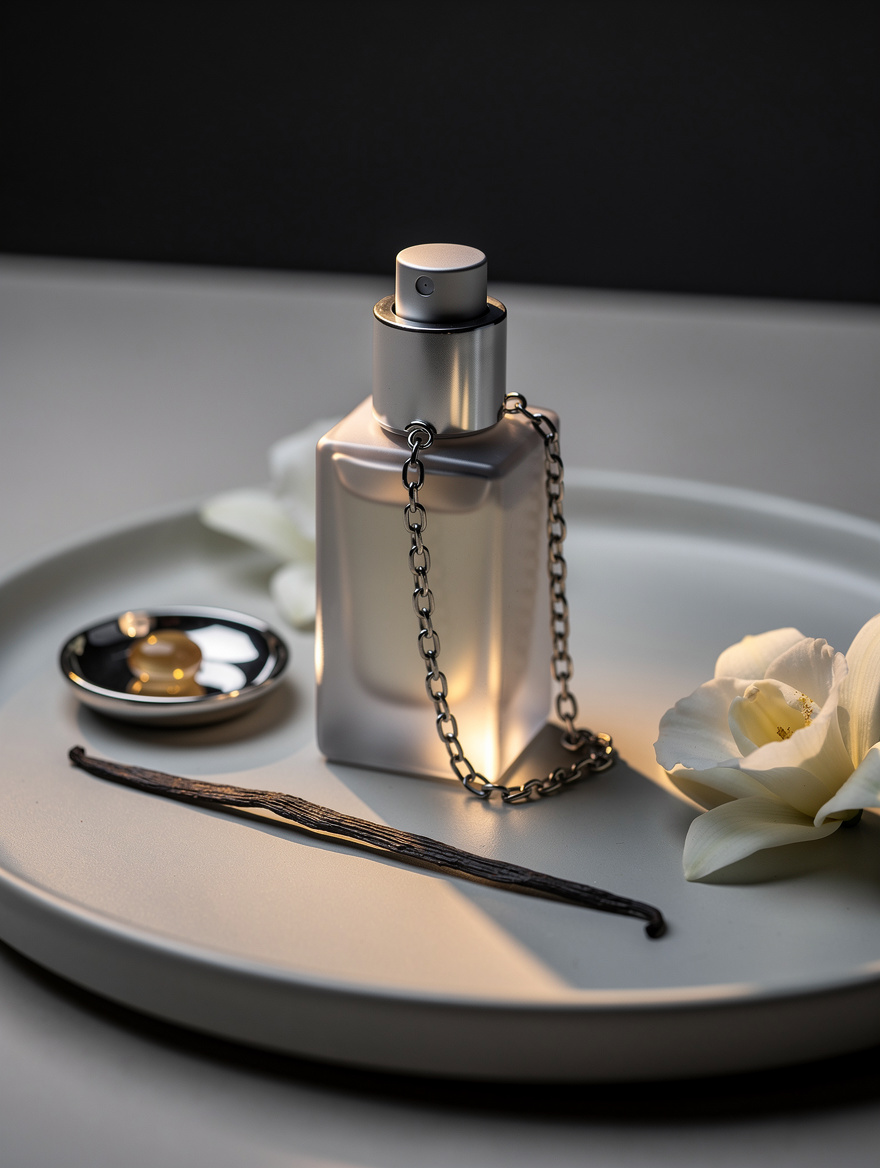
Vanilla can read plush and expensive, but it needs a dry counterweight. YSL Libre Eau de Parfum Intense, about $185 for 3.0 oz at Sephora, combines lavender, orange blossom, orchid, and vanilla in a fuller, more evening-focused style.
Our practical shopping rule is simple: choose one sweet note, whether it is vanilla, tonka, caramel, or fruit, then look for woods, citrus, spice, or patchouli around it. This keeps a fragrance from landing as a flat body-spray sugar note, and Libre Intense calls for fewer sprays if you prefer a closer scent trail.
Try Soft Woods for a Quiet Signature
For a fragrance that feels polished without filling the room, seek out iris or rose supported by sandalwood, cashmeran, or musk. Sandalwood is especially useful here because it can give a floral scent a smooth, close-to-the-skin finish without making it overtly sweet.
This is the family we’d sample for daytime, offices, dinners, and anyone who wants compliments without a dramatic entrance. The effect is less about projecting wealth and more about smelling composed at close range.
Treat EDP Labels as a Starting Point
Eau de parfum is commonly associated with roughly 8% to 14% fragrance concentrate, while eau de toilette often falls around 5% to 9%. Those ranges are useful, but they are not a universal legal standard, and concentration alone cannot predict how a scent will wear on you.
Skin warmth, fabric, climate, and the formula’s base notes all affect longevity and projection. Test a fragrance on skin, give it time to dry down, and judge the base after a few hours instead of deciding from the first spray.
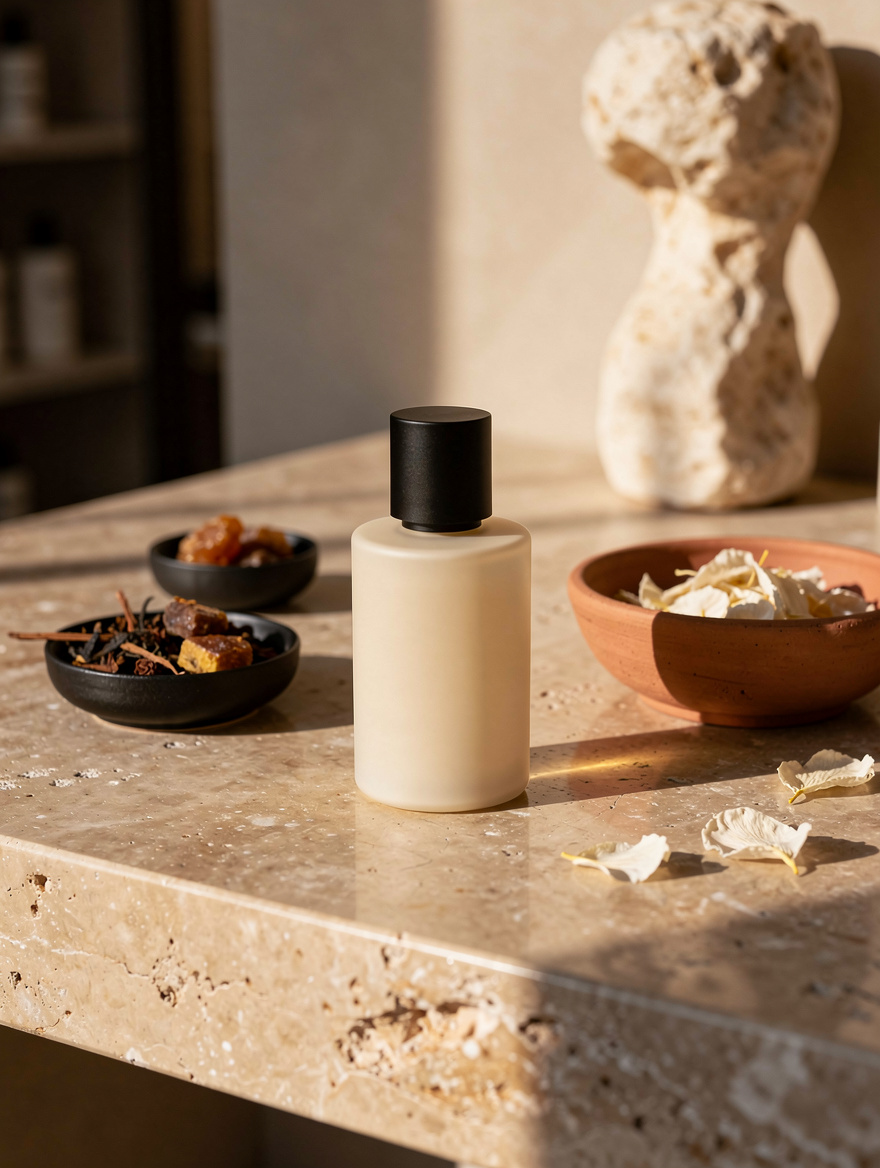
Start by sampling a structured citrus floral such as Chanel Coco Mademoiselle Eau de Parfum if you want the clearest lesson in balance. Stop wearing any scent that causes persistent irritation, and see a dermatologist for a rash that lingers rather than trying to push through it.