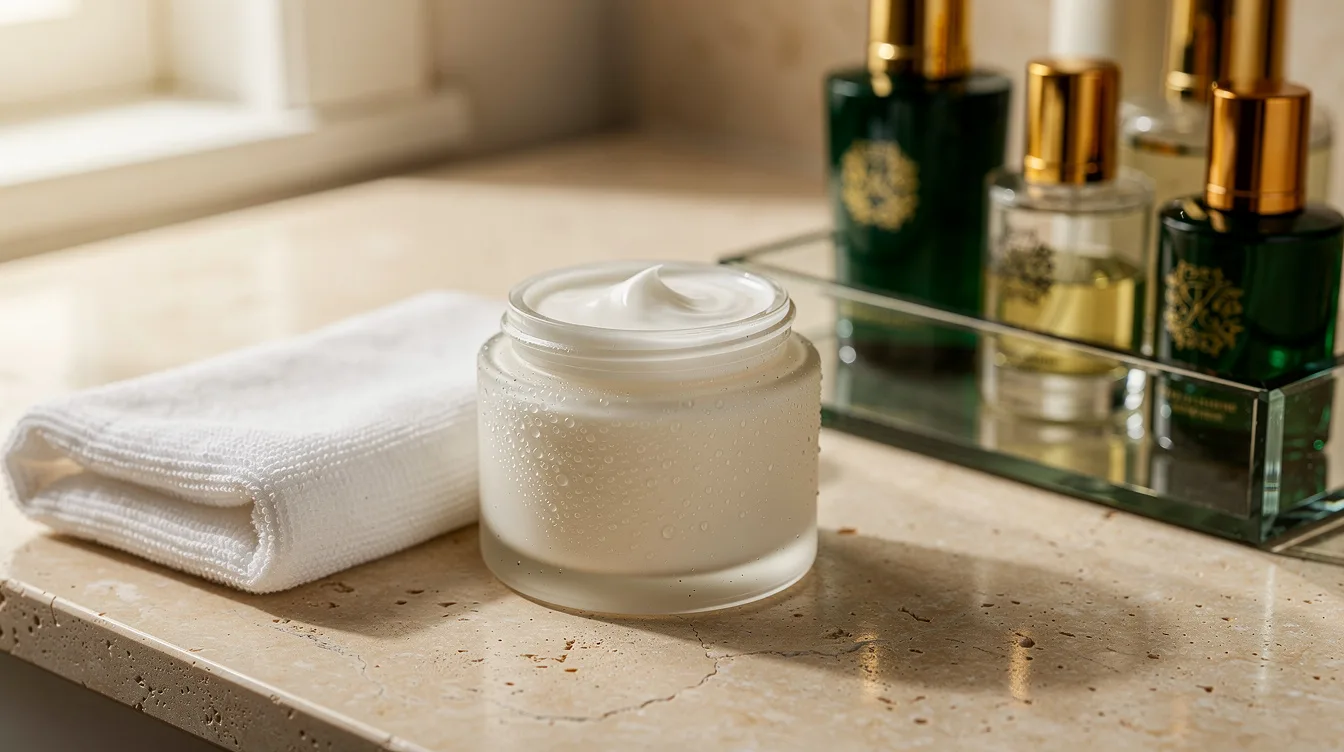
The mirror can be unforgiving after a morning cleanse: skin that felt fine at bedtime suddenly looks papery around the mouth, and a formerly reliable lotion stings. The most repeated rule is pleasingly plain, apply moisturizer while skin is still slightly damp.
That timing matters more than a trendy label because freshly cleansed skin holds surface water for only a short window. A fragrance-free cream can help hold that water in, which is especially useful when lower estrogen and less sebum leave the barrier feeling less resilient.
What you will find inside
- 1. Apply Cream Before Skin Dries Completely
- 2. Choose a Cream When Lotion Stops Feeling Enough
- 3. Look for Barrier-Supporting Ingredients
- 4. Reserve Ointment for the Driest Patches
- 5. Use Urea for Rough Body Skin, Carefully
- 6. Pair Moisturizer With Daily Sunscreen
1. Apply Cream Before Skin Dries Completely
Pat, do not rub, then apply moisturizer right after cleansing or bathing while there is still a trace of water on the skin. Glycerin draws water into the outer layer, while the cream slows its escape, so this is a sensible step for tightness and visible flaking.
We would not wait until the face feels dry enough to demand help. A simple option such as CeraVe Moisturizing Cream has glycerin, ceramides, and hyaluronic acid in a texture that makes practical sense for many dry-skinned adults.
2. Choose a Cream When Lotion Stops Feeling Enough
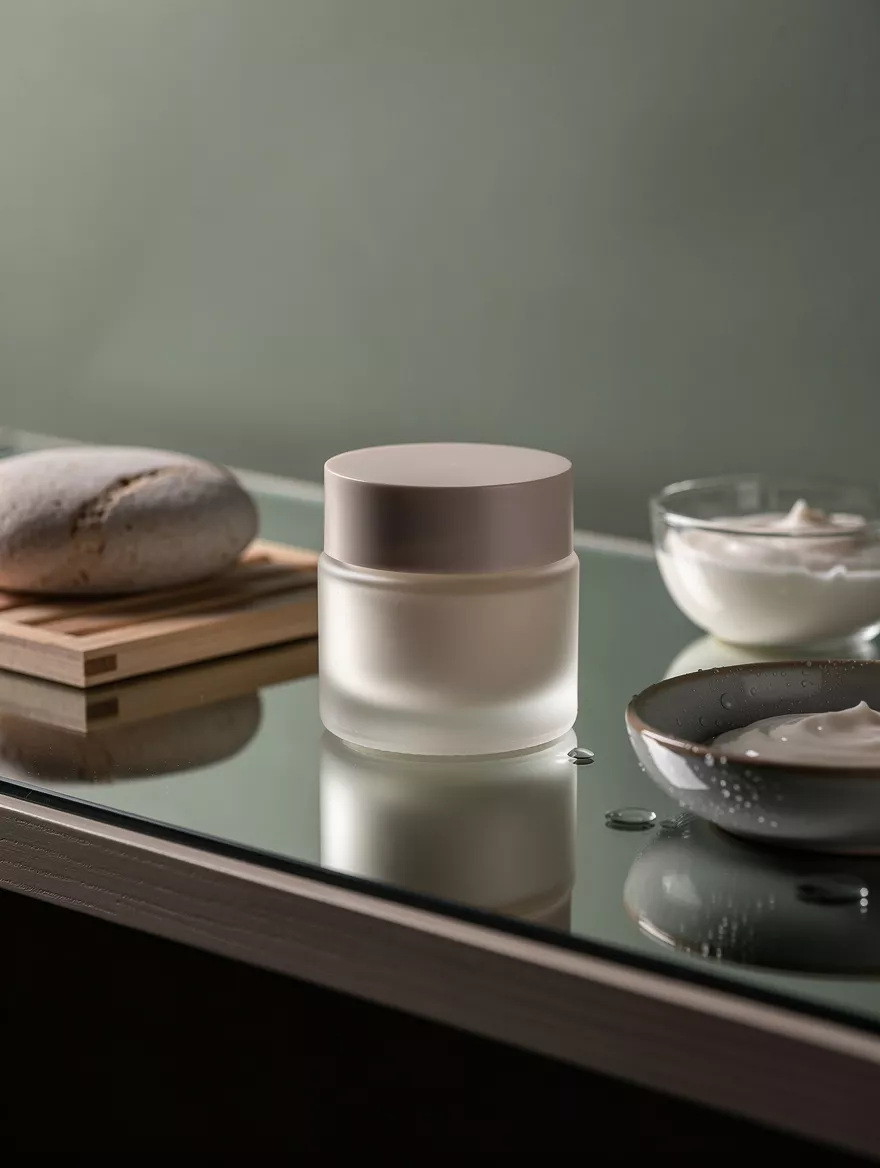
Texture is a skincare decision, not a marketing personality test. Dermatologists generally suggest a cream or ointment over a thin lotion for dry skin because richer formulas tend to provide more oil-based ingredients that reduce water loss.
For face, neck, and body, Vanicream Moisturizing Cream is a useful no-fragrance option when many scented products have started to feel irritating. Keep a lighter lotion for humid days or areas that truly do not feel dry, but do not force it to do a cream’s job.
3. Look for Barrier-Supporting Ingredients
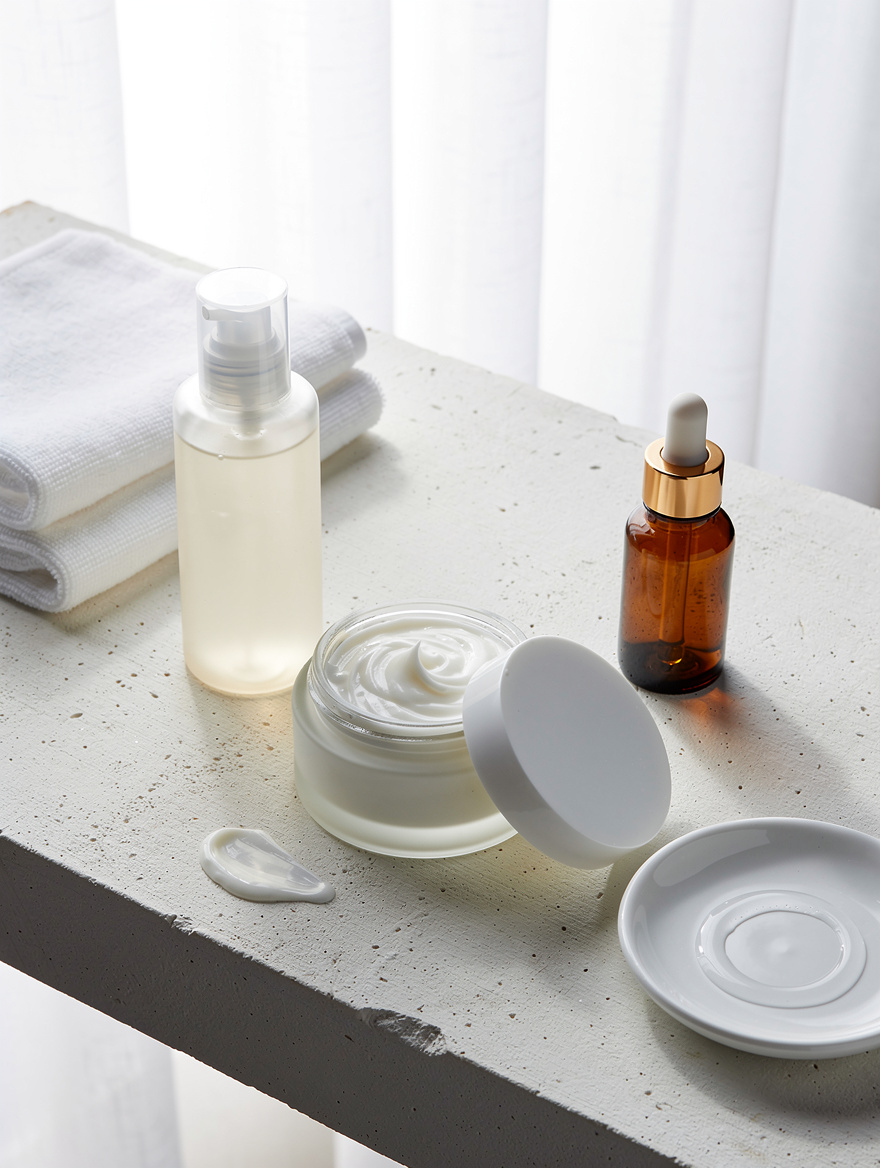
A good moisturizer does not need a long dramatic promise. Look for ceramides, cholesterol, fatty acids, glycerin, dimethicone, squalane, or petrolatum, ingredients that help support the skin barrier or reduce the evaporation of water.
For a dependable facial cream, La Roche-Posay Toleriane Double Repair Face Moisturizer combines ceramides, glycerin, and niacinamide. The clear editorial point is that a comfortable, consistent formula beats rotating through strong actives when the barrier is already protesting.
4. Reserve Ointment for the Driest Patches
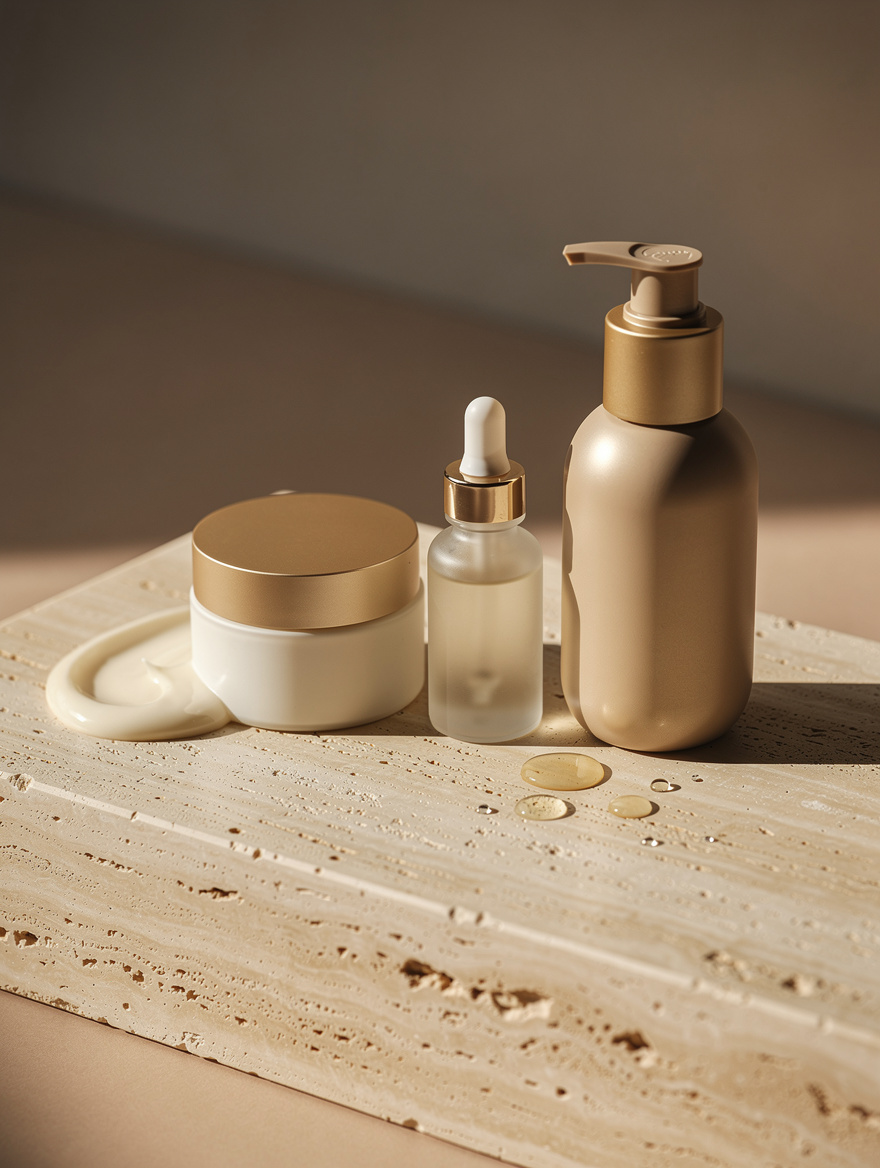
Use a thin layer of a petrolatum-based ointment at night on the corners of the nose, lips, hands, shins, heels, or other persistently dry spots. Petrolatum is an occlusive ingredient, meaning it helps limit water leaving the skin.
Vaseline Original Healing Jelly is inexpensive, familiar, and often more useful than an elaborate treatment for a rough heel or chapped lip. It can feel too heavy across the whole face, so treat it as targeted backup rather than a mandatory final step for everyone.
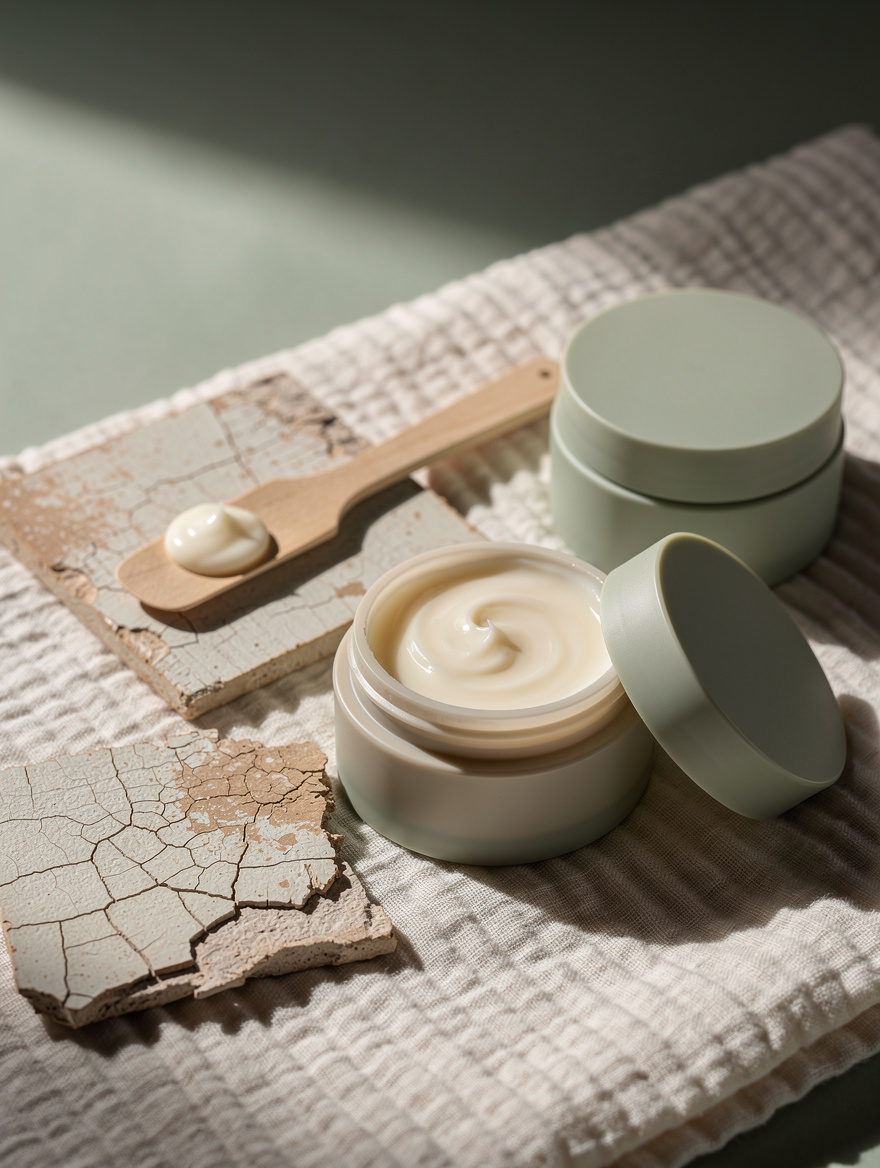
5. Use Urea for Rough Body Skin, Carefully
Rough, scaly legs, elbows, and feet often respond well to a body product with 10% urea, which works mainly as a humectant at that level and can improve the feel of dry skin. It is a particularly practical ingredient when plain cream leaves shins looking dusty by midday.
Eucerin Advanced Repair Lotion is a widely available body-care choice with urea and ceramides. Start on the body rather than the eyelids or easily stinging facial areas, and scale back if any product burns or causes a rash.
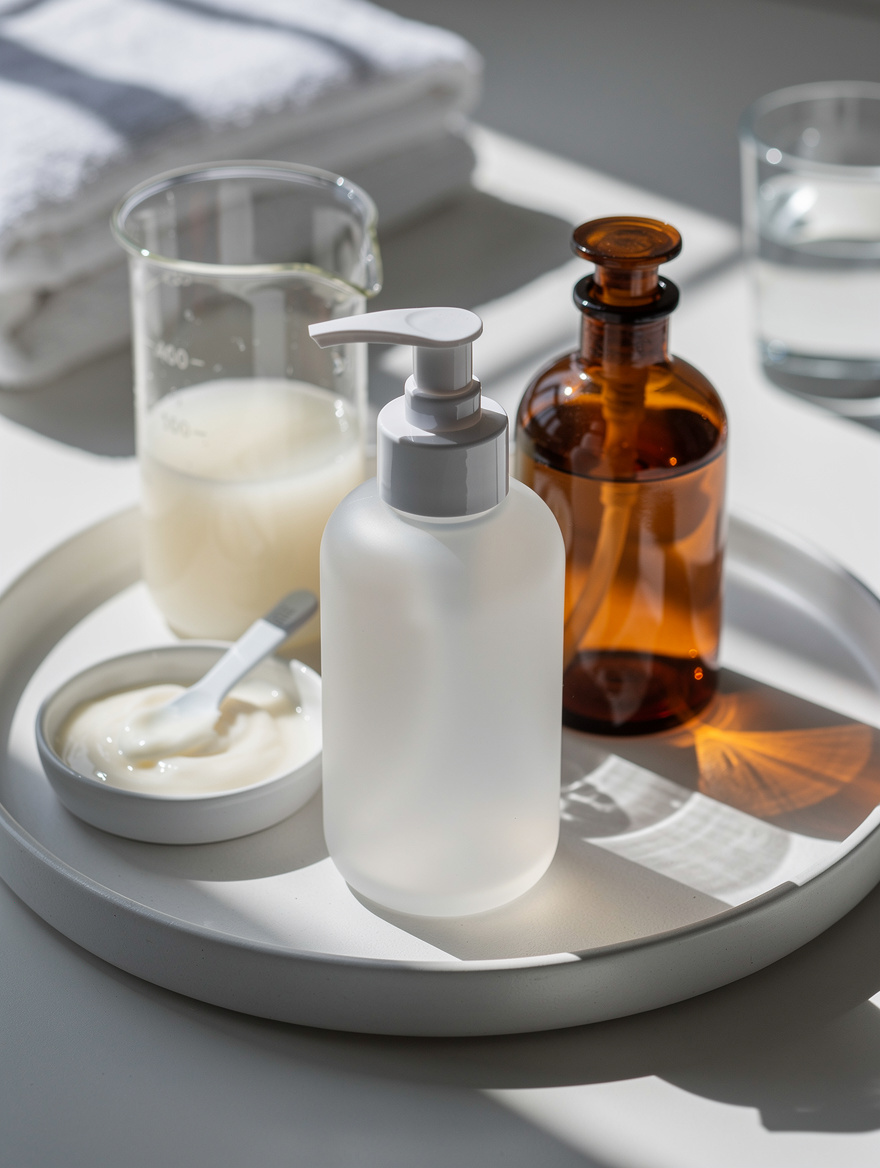
6. Pair Moisturizer With Daily Sunscreen
Moisturizer can make fine lines look softer by improving surface hydration, but it does not replace daily sun protection. Use a broad-spectrum SPF 30 or higher as the final morning skincare step, with enough product for the face, neck, and exposed chest.
EltaMD UV Clear Broad-Spectrum SPF 46 is a popular lightweight option for those who dislike the feel of traditional sunscreen, though the best choice is the one you will wear consistently. Prescription retinoids and dermatologist-guided care have stronger evidence for photoaging concerns, and a moisturizer belongs alongside, not ahead of, that conversation.
Start with the timing tonight: put one ceramide cream beside the sink and apply it before your face is fully dry. See a dermatologist for any spot that bleeds, changes shape, or does not heal.