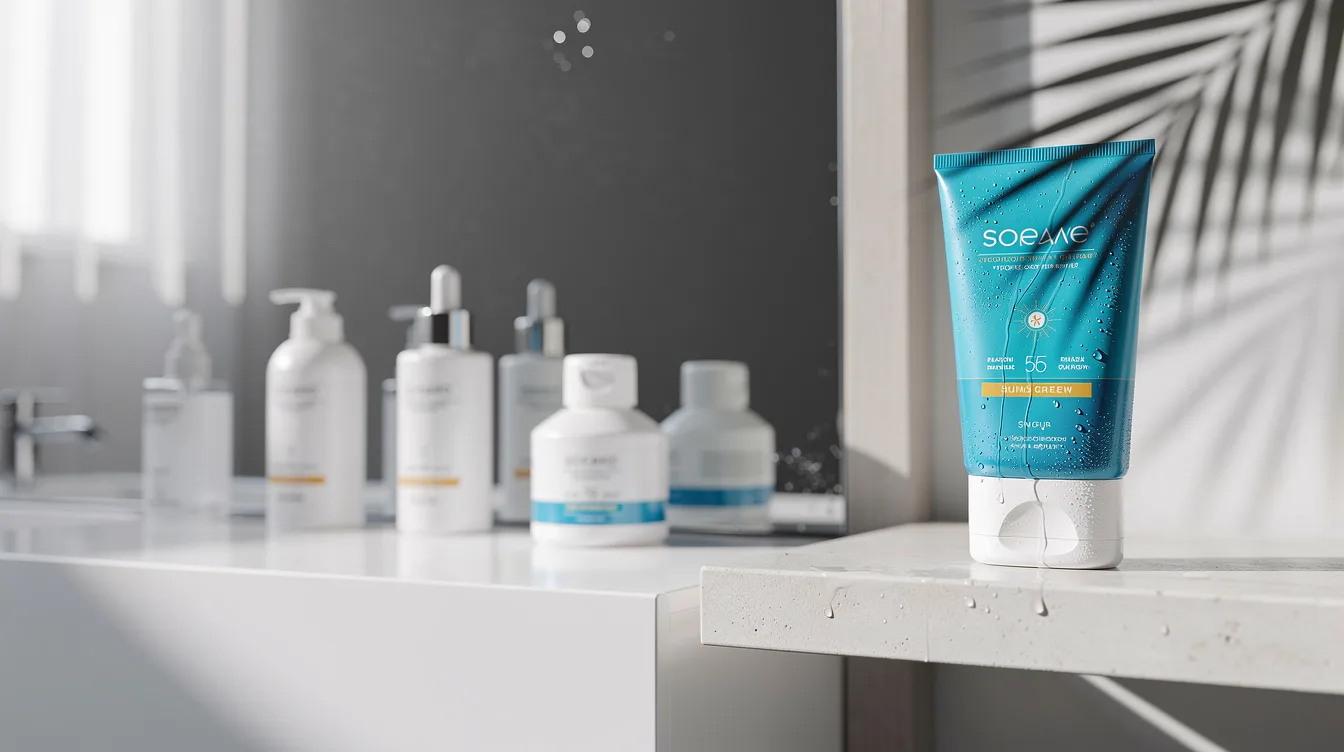
The bathroom mirror can be misleading on a gray morning: skin looks calm, the forecast says clouds, and sunscreen suddenly feels optional. Yet clouds may still let through up to 80% UV, including UVA that does not announce itself with heat or a quick burn.
After 50, when the barrier can be thinner and pigment may linger longer, that skipped layer can undercut an otherwise careful routine. A daily sunscreen usually costs far less than correcting uneven tone later.
What you will find inside
- 1. Apply Broad-Spectrum SPF 30 Before Daylight Finds You
- 2. Use Enough Product to Get the Label’s Protection
- 3. Reapply for Outdoor Time, Not Out of Panic
- 4. Stop Treating Dark Spots as a Makeup-Only Issue
- 5. Protect the Results of Your Active Skin Care
- 6. Keep a Formula You Will Actually Wear
1. Apply Broad-Spectrum SPF 30 Before Daylight Finds You
Make sunscreen the final morning skin-care step, before makeup and before the first errand. Dermatologists generally recommend broad-spectrum SPF 30 or higher because it covers UVA as well as UVB exposure.
UVA is present throughout daylight hours and can reach skin on overcast days, during a drive, or beside a sunny window. We think of this as practical maintenance, not a punishment for having skin that has changed.
CeraVe Hydrating Mineral Face SPF 50 is a sensible choice for dry or easily irritated skin, with ceramides and niacinamide in a creamier formula. At about $15.99 for 2.5 fl oz, it is a useful drugstore starting point, although mineral formulas may leave a visible cast on some skin tones.
2. Use Enough Product to Get the Label’s Protection
A thin, hurried swipe does not deliver the protection printed on the bottle. For face and neck, use roughly two finger lengths of sunscreen, then add more for ears, upper chest, and a visible scalp part.
This amount can feel like too much if a formula pills or leaves skin tight, which is a formulation problem rather than a reason to use less. Let moisturizer settle first if needed, or choose a more fluid sunscreen.
EltaMD UV Clear SPF 46 is worth considering when heavier formulas make skin feel congested or uncomfortable. Its zinc oxide 9% and octinoxate 7.5% formula is typically about $38 to $46 for 1.7 fl oz, and the tinted option can make the daily layer feel more wearable.
3. Reapply for Outdoor Time, Not Out of Panic
Reapply about every two hours when you are outdoors, and after swimming, sweating, or towel-drying. Water resistance matters for active days because sunscreen can move off skin even when the sky remains cloudy.
For a workday spent mostly indoors, a well-applied morning layer is the practical baseline when commuting, walking the dog, driving, or sitting near daylight. You do not generally need to reset sunscreen every two hours if you truly stay inside away from direct light.
For body exposure, an adult needs roughly 1 ounce, about a shot-glass amount, for each full application. A spray can be convenient, but it still needs an even, generous coating and should not be inhaled.
4. Stop Treating Dark Spots as a Makeup-Only Issue
Repeated daylight exposure can make uneven pigment more persistent, especially on the cheeks, forehead, upper lip, and chest. Concealer helps the appearance that day, while consistent UV protection supports the work of a pigment-focused routine over time.
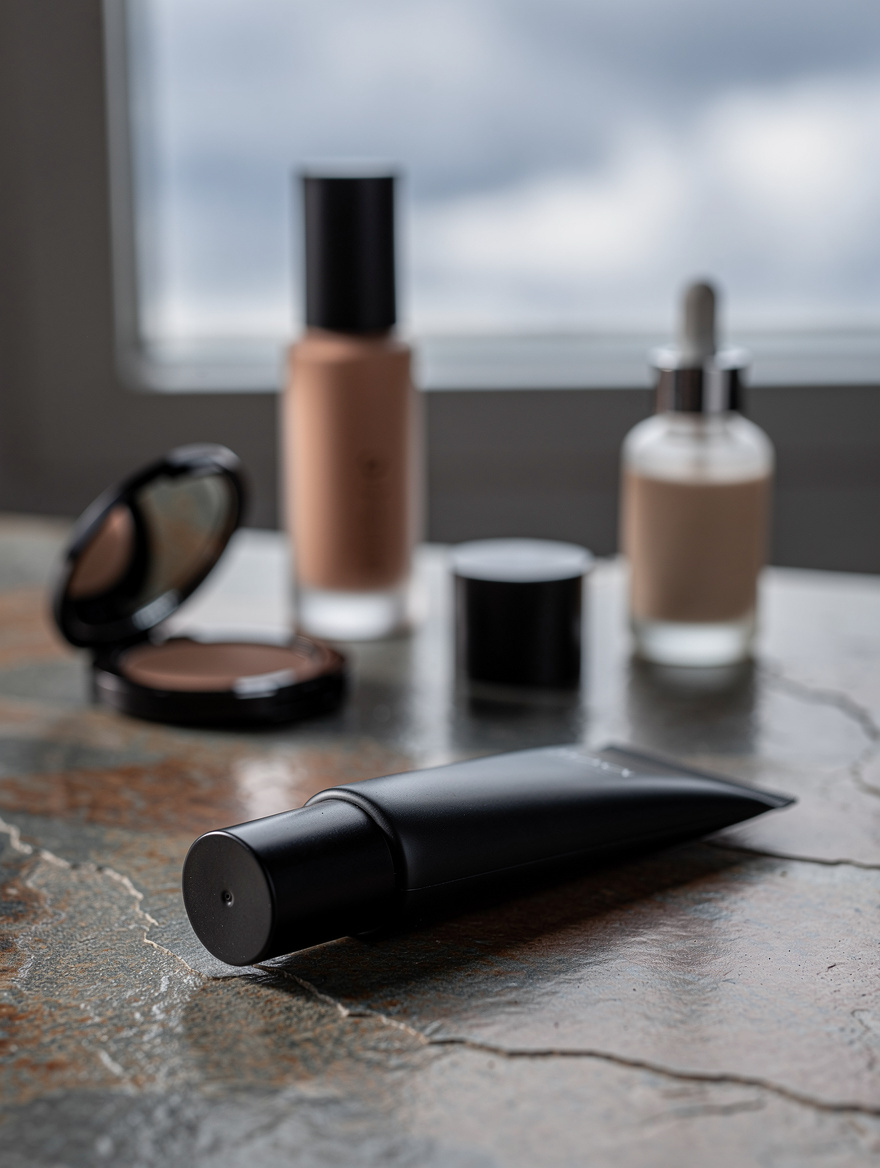
A tinted sunscreen with iron oxides can be especially appealing for visible-light exposure and offers immediate cosmetic coverage. We prefer this route to piling foundation onto a sunscreen layer that was too small to begin with.
La Roche-Posay Anthelios Mineral Tinted Ultra-Light Face Sunscreen Fluid SPF 50 is a lightweight mineral option sold at US retailers. Its tint will not suit every complexion, but it can be a polished choice for someone who wants sunscreen and light complexion evening in one step.
5. Protect the Results of Your Active Skin Care
Retinoids, vitamin C serums, exfoliating acids, peels, and in-office treatments can all have a place in a thoughtful routine. Repeated UV exposure can keep pushing visible discoloration and texture in the opposite direction.
The prevention evidence is more persuasive than any promise from a jar: in a 4.5-year randomized trial, daily sunscreen users had 24% less skin-aging progression than people using sunscreen at their discretion. That does not make sunscreen a treatment for every concern, but it makes it a very credible foundation.
SkinCeuticals Physical Fusion UV Defense SPF 50 is a higher-priced tinted mineral option for people who want a sheer finish over antioxidant skin care. It is an investment, so we would only buy it if the texture makes daily use genuinely easier.
6. Keep a Formula You Will Actually Wear
The best cloudy-day sunscreen is the one that does not sting, pill under makeup, or leave you avoiding the mirror. Skin after menopause often needs more comfort from its daily layers, so texture and finish are legitimate buying criteria.
Neutrogena Invisible Daily Defense Face Serum SPF 60+ has a serum-like feel that may suit someone who dislikes traditional sunscreen creams. Patch-test any new formula if your skin is reactive, especially around the eyes.
Check the label for broad-spectrum coverage, an SPF of at least 30, and water resistance for days when you will sweat or be outdoors. If a spot bleeds, changes shape, or does not heal, see a dermatologist rather than trying to cover it with skin care.
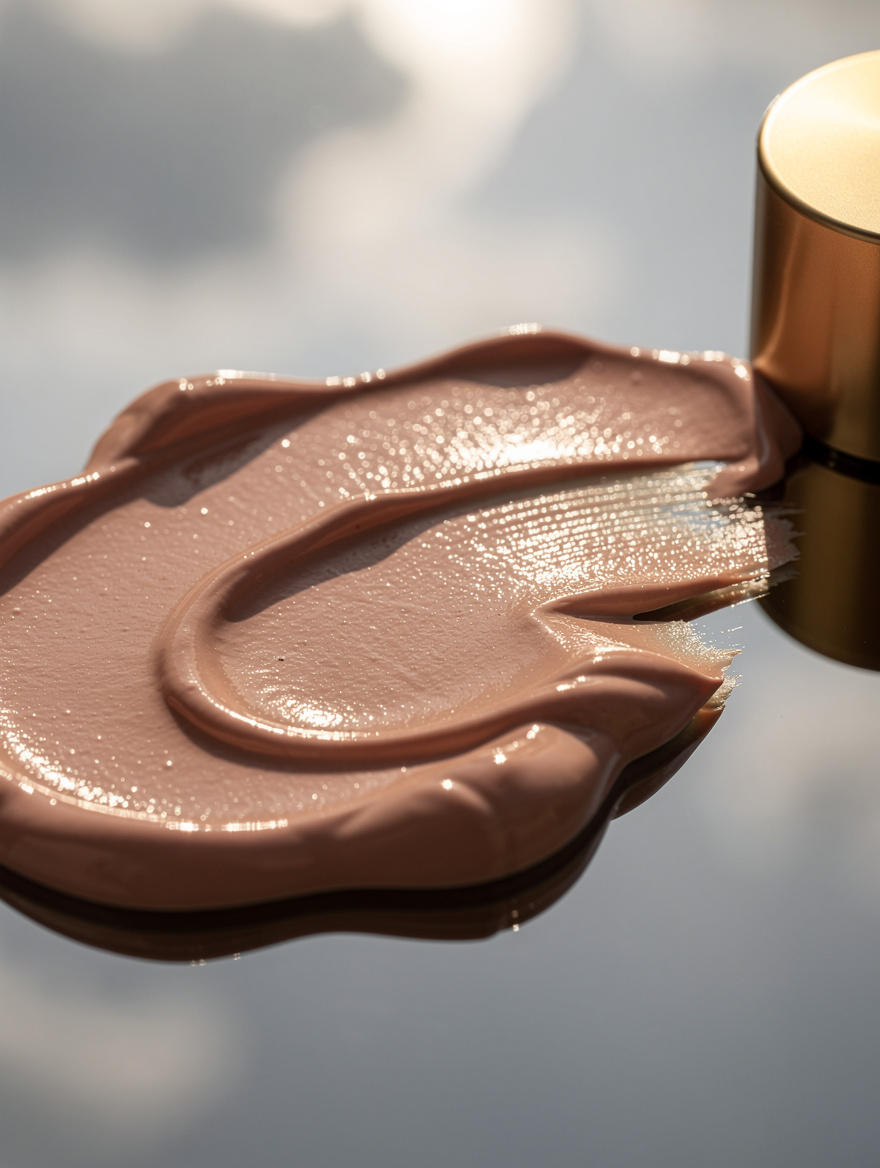
Start with one reliable SPF 30+ beside your toothbrush or coffee maker, then use the full face-and-neck amount every morning. The small daily habit is the part that protects the value of the rest of your routine.