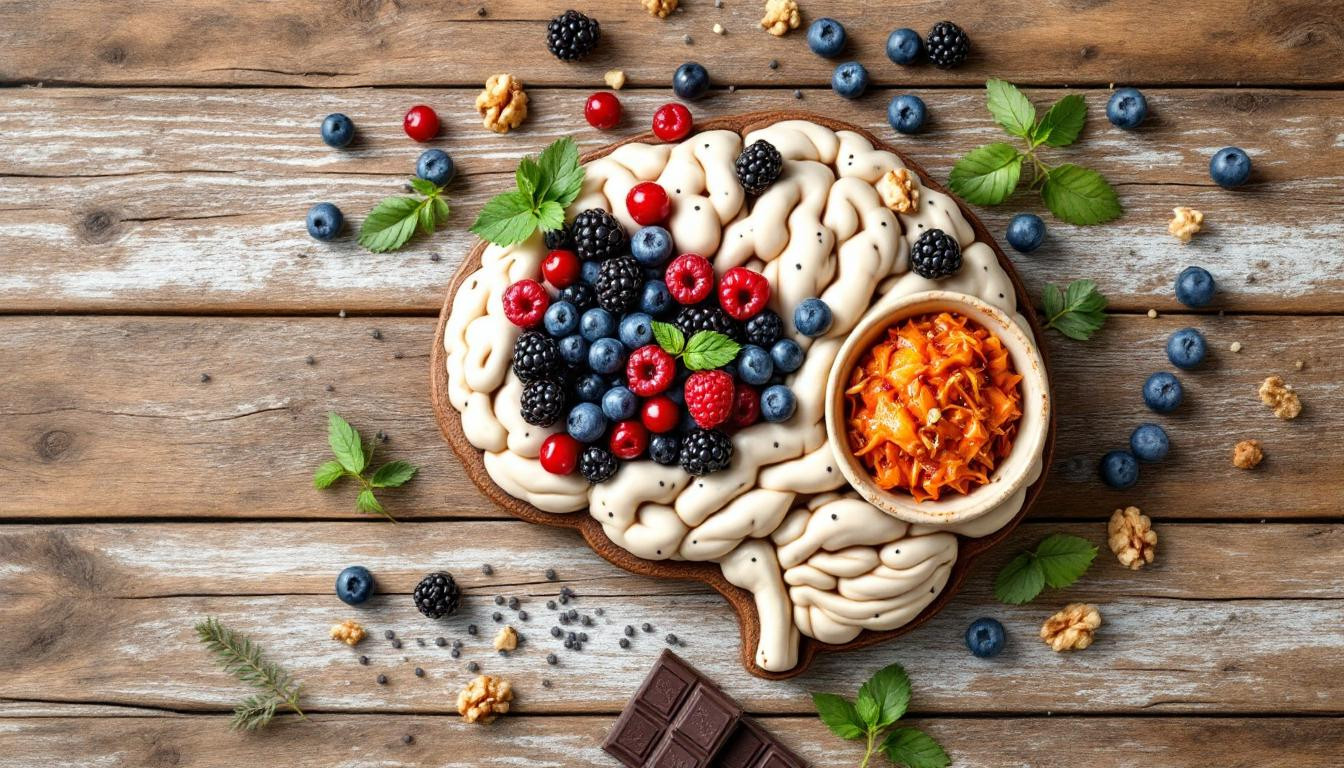
Ever noticed how certain foods seem to instantly lift your spirits, while others leave you feeling sluggish and blue? The connection isn’t just in your imagination—it’s rooted in complex biological interactions between your digestive system and your brain. Welcome to the fascinating world of the gut-brain axis, where what you eat literally shapes how you feel.
The surprising connection between your gut and mind
Your gut and brain are engaged in constant communication through what scientists call the gut-brain axis. “The gut-brain axis represents one of the most important scientific discoveries of recent decades,” explains Dr. Melissa Chen, neurologist at Austin Medical Research Center. “It’s completely revolutionizing how we think about mental health and nutrition.”
This bidirectional highway isn’t just a simple pathway—it’s a sophisticated network involving neural connections, hormone signals, immune responses, and the trillions of microbes living in your digestive tract.
Your second brain: The enteric nervous system
Imagine having a second brain that influences your mood daily. That’s essentially what your enteric nervous system (ENS) is—a complex network of over 100 million nerve cells lining your gastrointestinal tract. This “second brain” communicates directly with your actual brain via the vagus nerve, creating a two-way street of biochemical conversations.
As gastroenterologist Dr. James Wilson notes, “The enteric nervous system is like a faithful translator, constantly sending signals between gut microbes and the brain, affecting everything from digestion to depression.”
Serotonin: Your gut’s happiness chemical
Here’s something mind-blowing: up to 95% of your body’s serotonin—the neurotransmitter associated with feelings of happiness and well-being—is produced in your gut, not your brain. This crucial mood regulator is heavily influenced by the foods you eat and the state of your gut bacteria.
When someone eliminates inflammatory foods, the effects can be dramatic. Many have discovered that eliminating dairy for just 10 days can reduce inflammation throughout the body, affecting not just joint pain but mood as well.
Foods that boost your mood naturally
- Fermented foods like yogurt, kimchi and sauerkraut introduce beneficial bacteria
- Fiber-rich foods including fruits, vegetables and whole grains feed good gut bacteria
- Omega-3 fatty acids found in fatty fish reduce inflammation and support brain health
- Polyphenol-rich foods such as berries, dark chocolate and green tea
Many people discover that eating certain raw fruits can improve digestive health, which may positively impact mood through the gut-brain axis.
When your gut is unhappy, your mind follows
The connection works both ways. Mental stress can upset your digestive system, and gut inflammation can trigger anxiety and depression. This explains why digestive issues and mood disorders so often occur together.
Some common culprits that disrupt this delicate balance include processed foods, excessive sugar, and certain spices. In fact, many discover that stopping a common spice can eliminate stomach pain that may be triggering mood disturbances.
Simple strategies for a happier gut-brain connection
- Practice mindful eating to reduce stress during meals
- Consider intermittent fasting approaches like skipping breakfast (with medical approval)
- Be mindful of breakfast choices that might trigger inflammatory responses
“Your gut microbiome is like a garden that needs tending. Feed it well, and it will reward you with not just physical health but emotional well-being too,” says nutritional psychiatrist Dr. Emily Rodriguez.
Your plate, your mood: The power of nutritional psychiatry
Think of your meals as medicine for your mind. The emerging field of nutritional psychiatry explores how dietary choices impact mental health through the gut-brain axis. Your plate isn’t just providing calories—it’s delivering information that your body translates into emotional responses.
The next time you feel emotionally off-balance, consider what’s been on your plate. Your gut and brain are listening to every bite, engaged in a conversation that shapes not just your digestion, but your entire emotional landscape.