
The backs of your hands can look even-toned in the morning, then reveal stubborn brown marks the second you grip the steering wheel. Those marks are often solar lentigines, and a realistic at-home timeline is roughly 8 to 16 weeks of consistent care, not a weekend of aggressive exfoliation.
Hands also have a thinner, drier barrier after menopause, so the routine that works best is usually the one that doesn’t leave them stinging or cracked.
What you will find inside
- Confirm the Spot Before Treating It
- Use Broad-Spectrum Sunscreen on Your Hands Every Day
- Start Retinoids Slowly Instead of Scrubbing Harder
- Choose One Pigment Corrector for Off Nights
- Reserve Hydroquinone for Medical Guidance
- Consider a Procedure for the Biggest Change
Confirm the Spot Before Treating It
A true sun spot is usually a stable, flat brown patch, but appearance alone isn’t a diagnosis. See a dermatologist promptly for anything new or changing, asymmetric, irregularly bordered, multicolored, itchy, bleeding, enlarging, or slow to heal.
That check matters before using IPL, cryotherapy, or a strong pigment treatment, because pigment-destroying procedures can make a suspicious lesion harder to assess. We would never spot-treat first and ask questions later.

Use Broad-Spectrum Sunscreen on Your Hands Every Day
Daily UV protection is the part that prevents the next round of discoloration and helps protect progress from any treatment. Apply a generous layer of water-resistant SPF 30 or higher across the backs of both hands, including the fingers and thumbs.
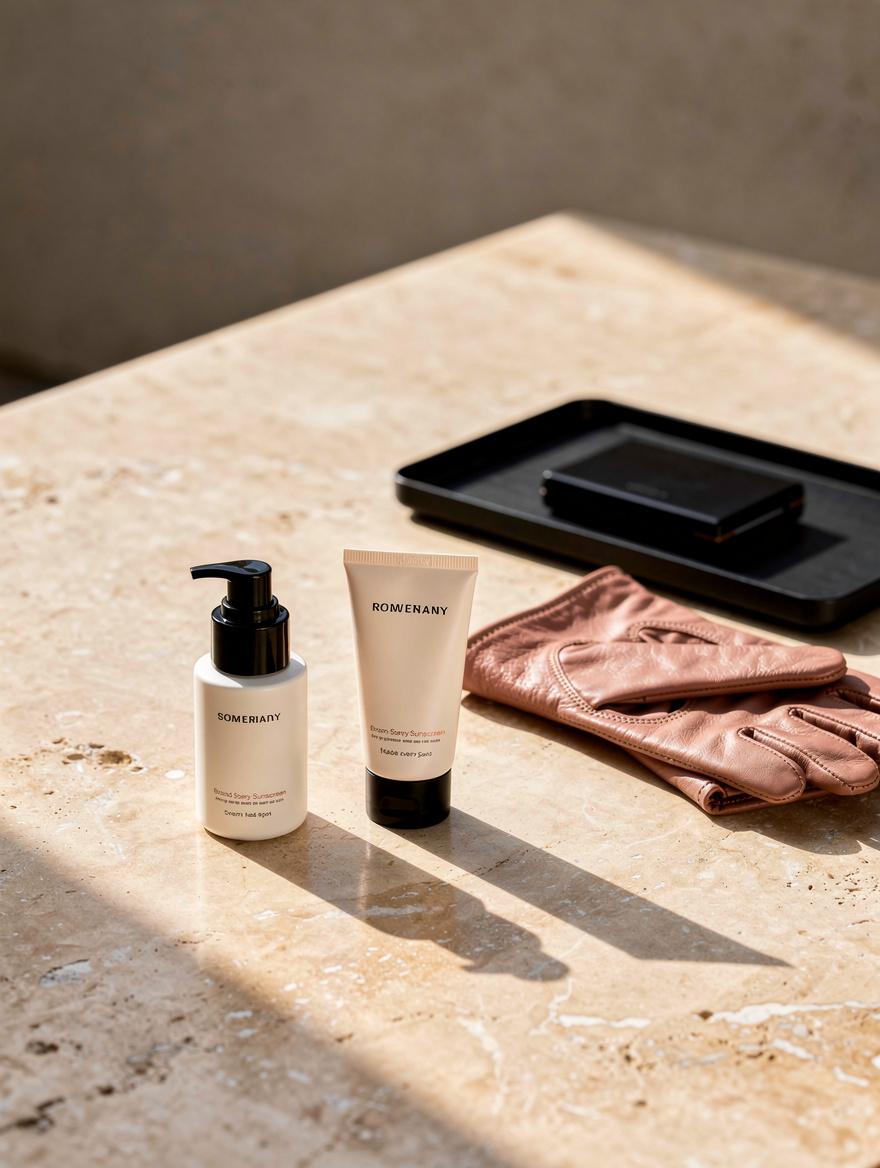
La Roche-Posay Anthelios Melt-in Milk Sunscreen SPF 60 is a practical choice for hands because it is made for broad-spectrum protection and outdoor wear. Reapply after hand-washing, sweating, long outdoor time, or a sunny drive, and consider UV-protective driving gloves for more dependable coverage.
Start Retinoids Slowly Instead of Scrubbing Harder
Retinoids can support gradual improvement in surface pigment and sun-related texture, but irritated hands can develop more discoloration. Start a tolerable retinoid two nights a week, then move toward every other night only when your skin stays comfortable.
RoC Retinol Correxion Line Smoothing Night Serum Capsules offers a familiar over-the-counter retinol format, though a dermatologist may recommend a prescription retinoid when appropriate. Use a plain hand cream before or after it if dryness is an issue, and pause for burning, persistent redness, cracking, or eczema-like irritation.

Choose One Pigment Corrector for Off Nights
On nights without retinoid, use one pigment-focused formula rather than stacking acids, scrubs, and brightening serums. Azelaic acid is often a sensible ingredient to discuss with a dermatologist because it can be easier to tolerate than a heavy exfoliating routine.
The Ordinary Azelaic Acid Suspension 10% is an accessible option for gradual use on intact skin, although its silicone-like texture may not suit everyone. Keep expectations grounded: topical products can soften the look of spots and improve overall tone, but established hand lentigines often remain visible.

Reserve Hydroquinone for Medical Guidance
Hydroquinone is a strong pigment inhibitor, commonly used in limited courses at about 2% to 4% with diligent sun protection. It can be useful for selected discoloration, but it is not a casual all-over hand cream.
A dermatologist can decide whether it fits your skin and set a stop date, especially if you are prone to irritation. Long-term or improper use can rarely lead to blue-gray discoloration called ochronosis, which is exactly why professional guidance is worth the appointment.
Consider a Procedure for the Biggest Change
For a few confirmed benign sun spots, a dermatologist-performed pigment laser or IPL treatment generally offers the most noticeable and quickest visible change. Cryotherapy can also treat isolated lesions, but both options carry a real risk of temporary or lasting light or dark marks.
Procedure choice should account for your skin tone, spot depth, healing history, and how dry or reactive your hands are. Ask about expected downtime, aftercare, and the chance of pigment change before booking, because a fast result is not automatically the best trade-off.

Begin with sunscreen on the backs of your hands every morning, then add one gentle night treatment after two comfortable weeks. If a particular spot bothers you enough to want a larger change, have a dermatologist identify it before choosing a procedure.