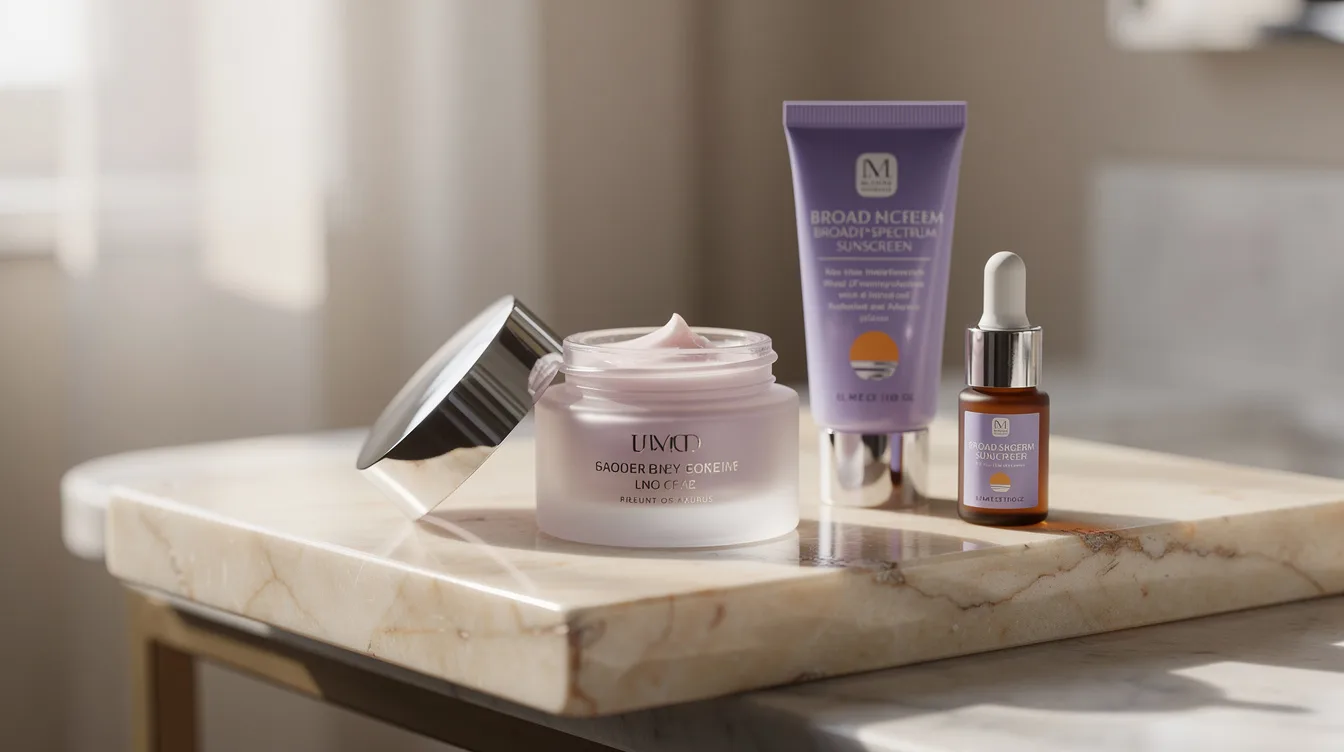
When concealer suddenly catches under the eyes or a familiar cream starts to sting, adding more product is rarely the answer. A typical 0.3% retinol can be useful elsewhere on the face, yet the eye area often needs a slower, more precise approach.
For skin over 50, which commonly has less oil and a more delicate barrier, placement and routine order matter as much as the formula. The goal is comfortable hydration, sensible treatment, and daily protection.
What you will find inside
- Apply It After Thin Serums
- Keep Sunscreen as the Last Morning Step
- Use a Rice-Grain Amount Per Eye
- Choose Hydration Before Chasing Dramatic Claims
- Introduce Eye Retinoids Slowly at Night
- Buffer Retinoid When Your Skin Stings
Apply It After Thin Serums
Put eye cream on after a lightweight antioxidant or niacinamide serum, then follow with facial moisturizer. This order lets a thin serum settle without asking a richer eye product to push through it.
In the morning, CeraVe Eye Repair Cream, often around $14, is a practical choice for dry-looking under-eyes because it focuses on ceramides and humectants. We like this kind of uncomplicated formula more than a crowded routine of overlapping eye treatments.

Keep Sunscreen as the Last Morning Step
Eye cream never replaces sunscreen. After eye cream and moisturizer, apply a broad-spectrum SPF 30+ sunscreen across the exposed eye contour, stopping before the lash roots and choosing a formula your eyes tolerate.
UV exposure contributes to visible fine lines and uneven pigment, so this is the step with the clearest long-term value. La Roche-Posay Anthelios sunscreen is widely available at US retailers, and sunglasses add useful physical coverage on bright days.
Use a Rice-Grain Amount Per Eye
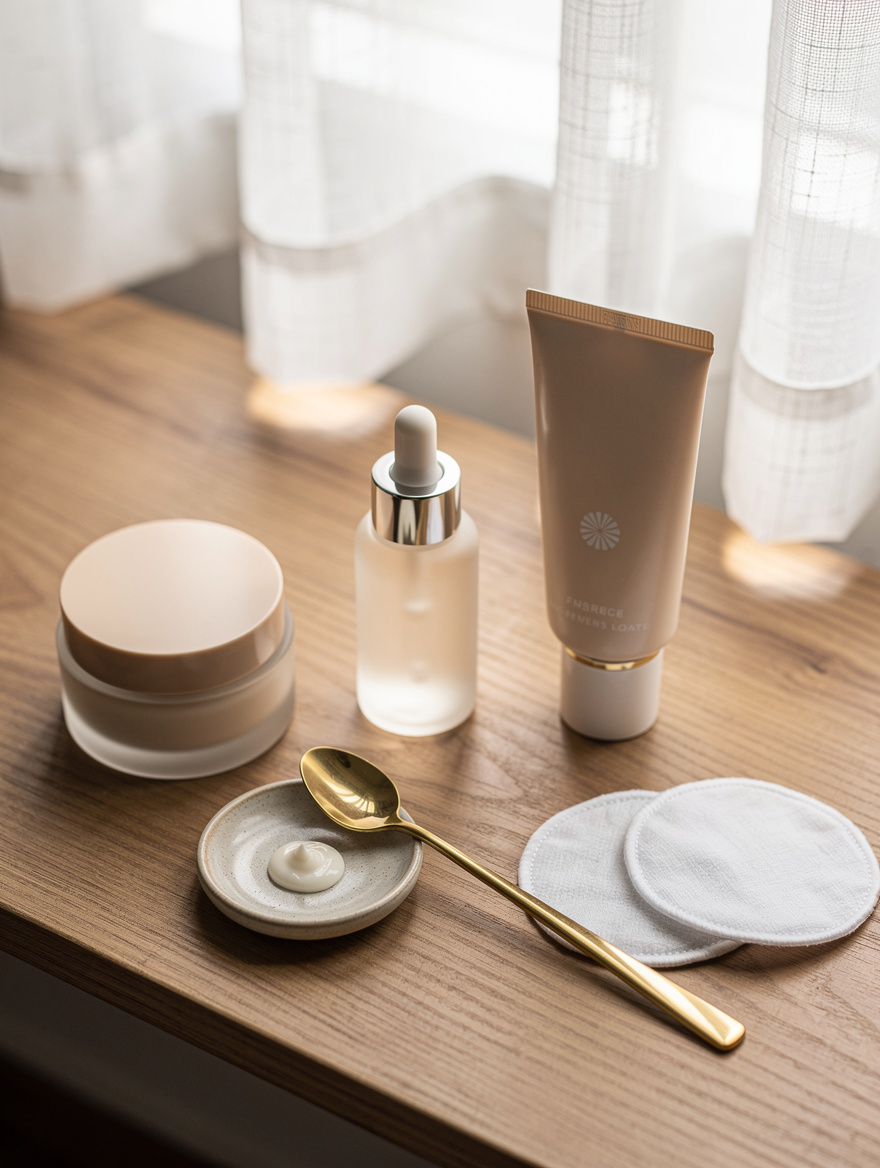
A pea-sized amount is too much for this small zone. Use a rice-grain amount of eye cream for each eye, dotting it along the orbital bone beneath the eye and around the outer corner.
Pat lightly with the ring finger rather than rubbing. Keep product away from the waterline, lash roots, movable upper lid, and inner corner, where migration can lead to burning, watery eyes, dryness, or irritation.
Choose Hydration Before Chasing Dramatic Claims
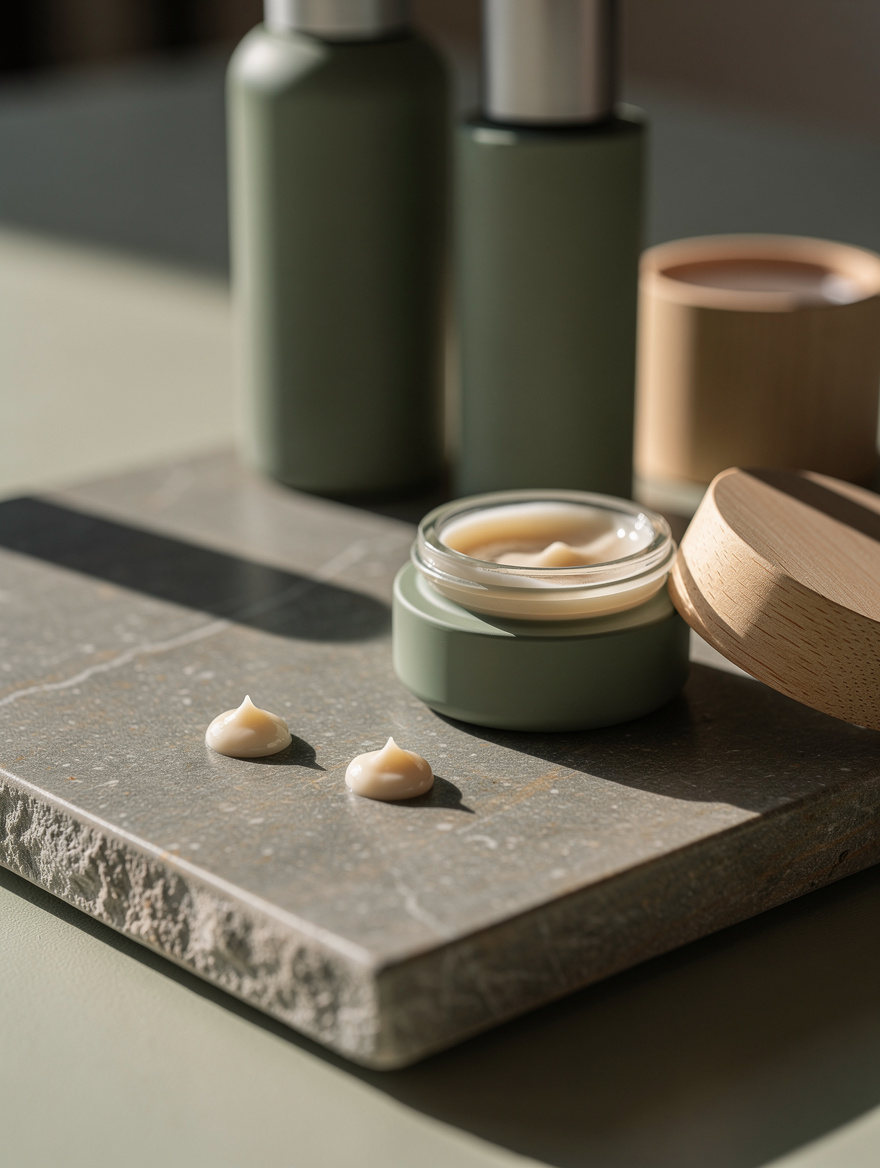
Glycerin, hyaluronic acid, squalane, ceramides, cholesterol, and fatty acids support a drier barrier and can temporarily soften the look of dehydration lines. Olay Regenerist Retinol 24 Night Eye Cream is a familiar drugstore option, though a simple hydrator may be the better daily starting point for reactive skin.
A good eye cream can improve comfort and the appearance of surface texture. It cannot erase significant hollows, loose lids, fat-pad changes, or darkness caused mainly by visible vessels or facial structure.
Introduce Eye Retinoids Slowly at Night
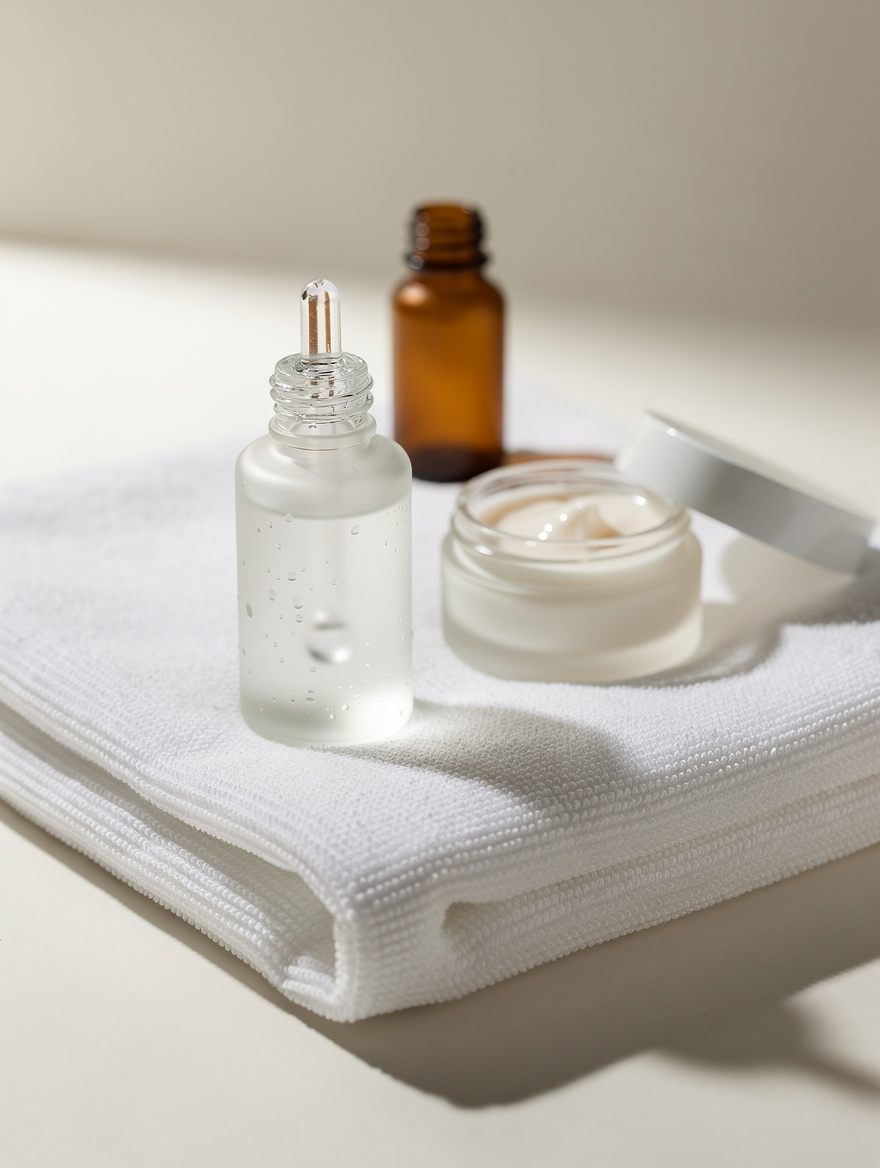
On retinoid nights, cleanse first, then use a purpose-made retinol eye product before moisturizer. Begin with a low-strength formula, such as roughly 0.01% to 0.1% retinol, only a few nights a week if your skin is comfortable.
For facial retinoids, apply only up to the orbital bone, never onto eyelids or near the lash line. Smoother-looking fine lines may take roughly 8 to 12 weeks or longer, while irritation is the signal to scale back rather than push through.
Buffer Retinoid When Your Skin Stings
Conventional order places eye cream before moisturizer, but tolerance gets the final vote. If an eye retinoid causes flaking or stinging, try the sandwich method: a thin layer of moisturizer, the retinoid eye treatment, then another light layer of moisturizer.
RoC Retinol Correxion Line Smoothing Eye Cream, commonly around $25, is an accessible option for shoppers who want a retinol-based eye product, but it still deserves a cautious introduction. Pause use if irritation persists, and do not use retinoids during pregnancy unless your clinician says otherwise.
Start by getting the morning order right: a gentle eye moisturizer after serum, then sunscreen as the final step. If an area bleeds, changes shape, or does not heal, schedule a dermatologist visit rather than trying to treat it with eye cream.