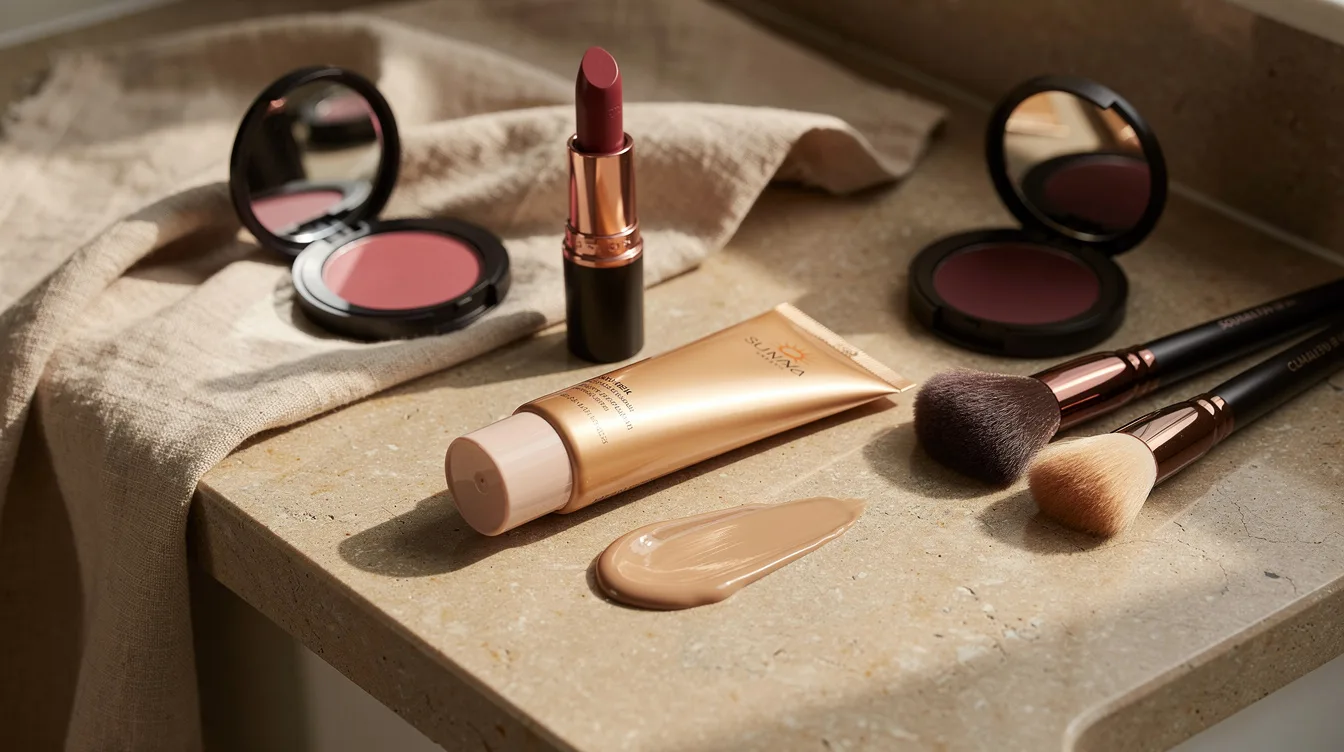
The mirror can be rude at 8 a.m.: yesterday’s foundation now catches at the sides of the nose, while bare skin looks uneven. A tinted SPF can simplify that decision, but a typical SPF 50 only earns its label when it goes on like sunscreen, not like a light dusting of makeup.
After menopause, lower oil production and a thinner barrier can make a hydrating tint look fresher than a matte base. The useful goal is even-looking skin with dependable daily UV protection, then targeted concealer where coverage truly matters.
What you will find inside
- Apply It Like Sunscreen, Not Foundation
- Choose Iron Oxides for Stubborn Discoloration
- Match the Finish Before Chasing Coverage
- Stop Treating Mineral as the Only Smart Choice
- Use Concealer Only Where It Earns Its Keep
- Reapply Without Pretending Makeup Can Do It
Apply It Like Sunscreen, Not Foundation
A foundation-style swipe is the most common way tinted sunscreen underperforms. Use roughly two finger lengths across the face and neck, or about one-quarter teaspoon for the face alone, and give the formula a minute to settle before deciding whether you need more coverage.
DRMTLGY Universal Tinted Moisturizer SPF 46, typically about $31 for 1.7 oz, is a practical example of a sheer, glowy formula that can replace a base layer for many people. Its 12% zinc oxide and 7.5% octinoxate formula is designed for sun protection first, so build concealer over it instead of applying less to preserve a makeup finish.

Choose Iron Oxides for Stubborn Discoloration
Brown patches, melasma, and lingering marks often need more than UV coverage alone. Look for iron oxides on the inactive-ingredient list, because these pigments help filter visible light, the kind that can contribute to uneven pigmentation.
In tested tinted formulas, iron oxides and pigmentary titanium dioxide reduced high-energy visible-light transmission by roughly 80% to 97%, although protection varies by formula and shade. That makes a tint functionally useful for discoloration concerns, not merely a cosmetic extra, especially when applied in a protective amount.
Match the Finish Before Chasing Coverage
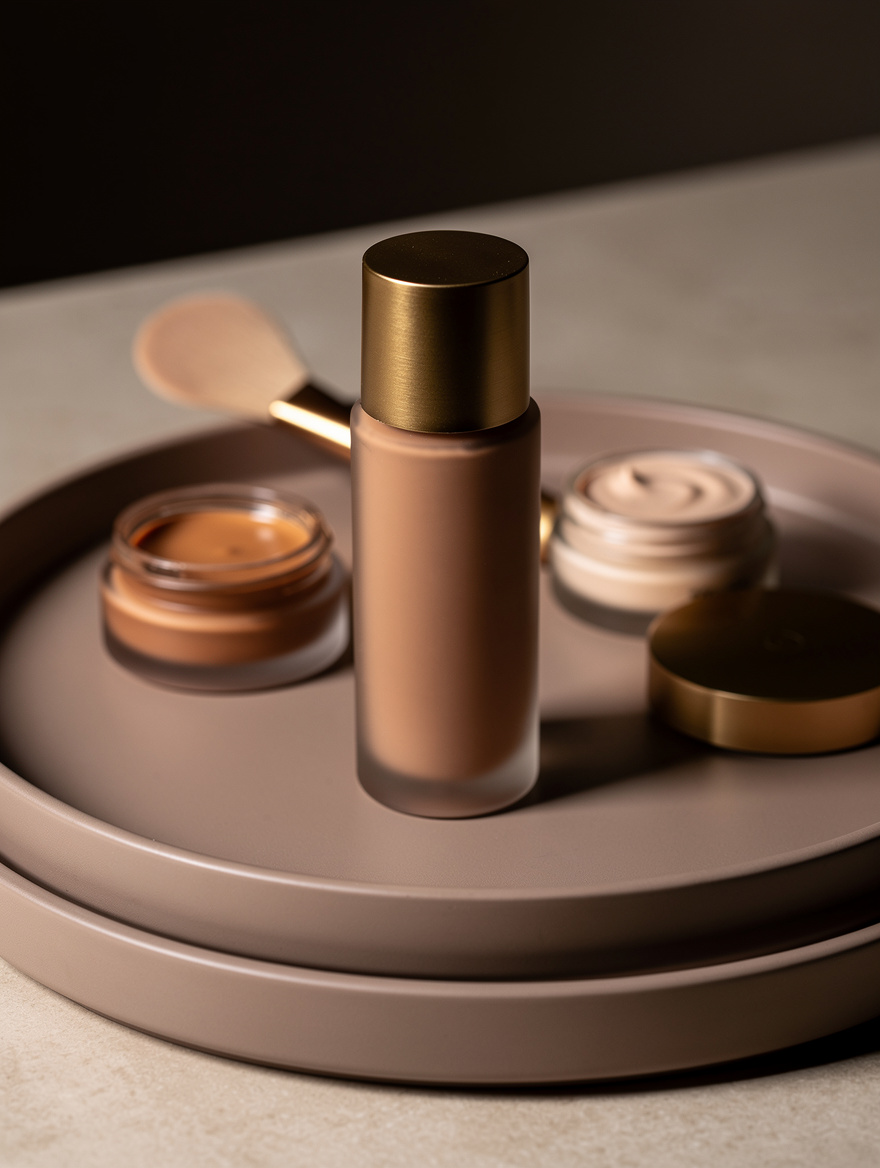
Dryness can make a powdery, full-coverage look seem more obvious by lunchtime, so choose a finish that lets skin keep some natural dimension. A hydrating or satin tint tends to sit more comfortably over moisturizer, while a very dewy formula may need a small amount of translucent powder around the nose and chin.
EltaMD UV Clear Tinted SPF 46, typically around $47, has a lightweight natural-to-satin feel that many people prefer when redness, breakouts, or sensitivity are also in the mix. Its 9% zinc oxide and 7.5% octinoxate formula gives sheer coverage, which is the point: expect a skin enhancer, not a full-camouflage foundation.
Stop Treating Mineral as the Only Smart Choice
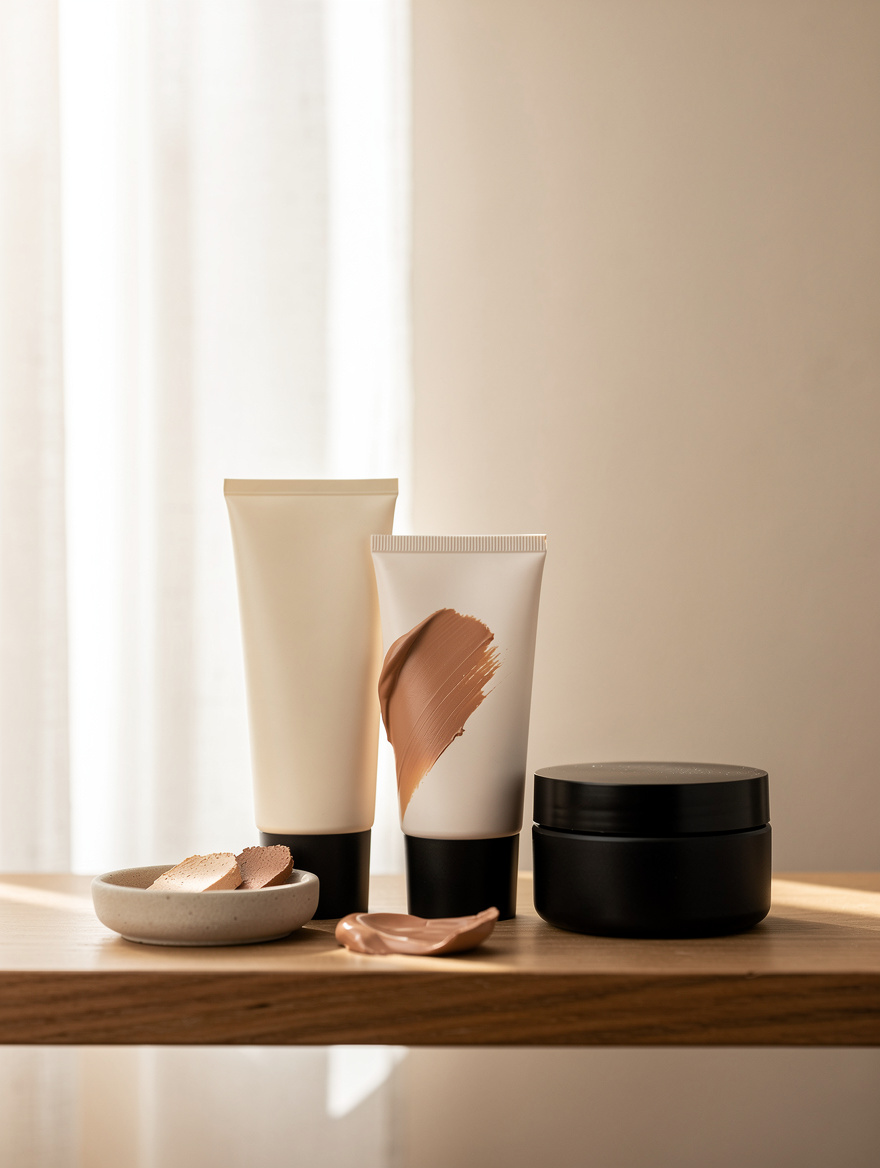
Zinc oxide and titanium dioxide are often comfortable options for sensitive or rosacea-prone skin, and mineral tints can be especially appealing when a conventional sunscreen stings. Still, the best sunscreen is the one you can apply generously and enjoy wearing every morning.
Hybrid formulas can feel lighter and spread more easily than some all-mineral options, which may help real-world use. Patch-test any new formula, particularly around the eyes, and switch formulas if your skin feels tight, itchy, or persistently irritated rather than trying to push through.
Use Concealer Only Where It Earns Its Keep
Once the sunscreen has set, place a creamy concealer only on the inner under-eye area, a spot, or a patch of redness that still bothers you. This technique preserves the luminous, even effect of the tint and avoids the heavy all-over layer that can gather in expression lines.
A tiny amount of Maybelline Instant Age Rewind Eraser concealer can be tapped on with a fingertip rather than swept across the whole face. Our opinion is firm here: a targeted concealer pass looks more current and more believable than demanding foundation-level coverage from sunscreen.
Reapply Without Pretending Makeup Can Do It
Reapply every two hours when outdoors, and after swimming, sweating, or toweling, even if the morning tint still looks polished. A powder sunscreen or SPF setting spray can be convenient for touchups, but neither should be assumed to replace a generous initial layer of lotion, cream, or fluid sunscreen.
Keep a second tinted sunscreen in your bag if an outdoor lunch, driving, or errands extend into strong daylight. For persistent pigment concerns, daily protection and visible-light coverage are worth discussing with a dermatologist, who can also guide prescription options when appropriate.
Start with a generous morning layer of a comfortable tinted SPF, then add concealer only to the one or two areas that still need it. See a dermatologist promptly for any spot that bleeds, changes shape, or does not heal.