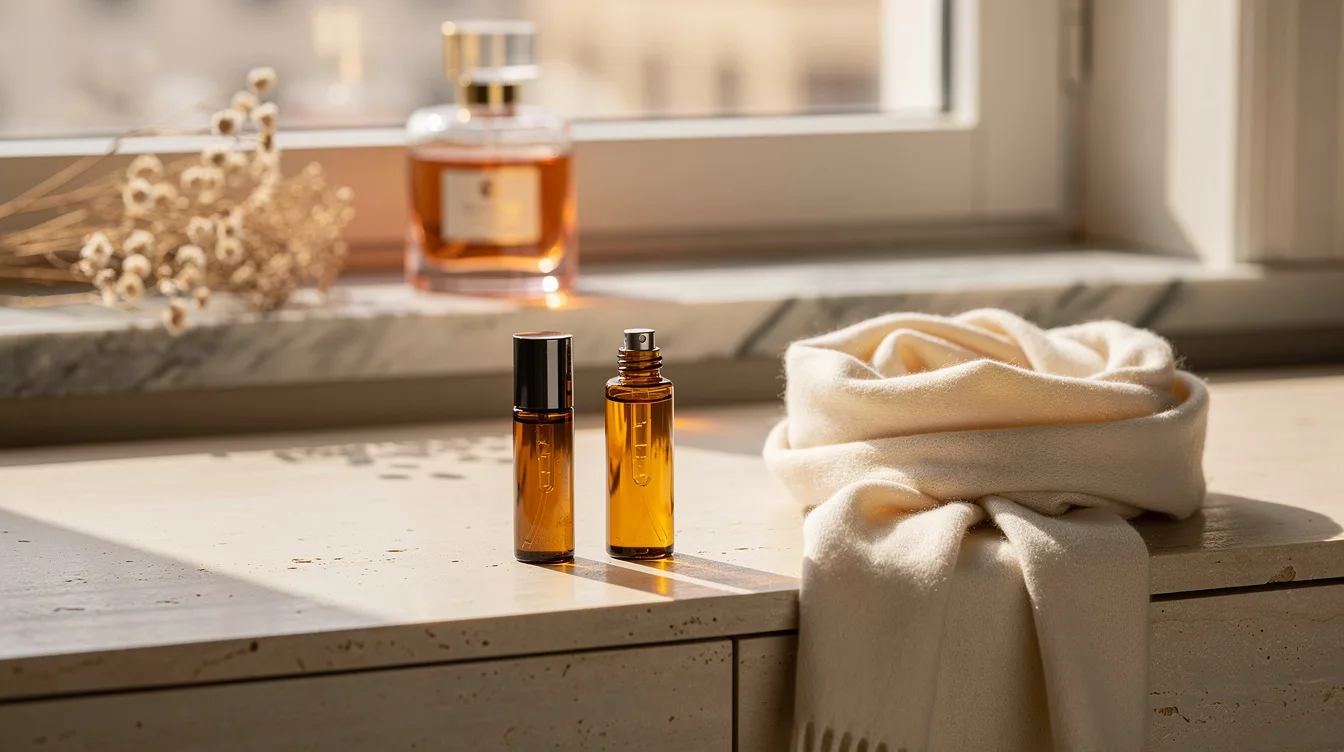
Our desk kept returning to the same frustrating detail: a scent can smell soft in the store, then feel itchy or stingy by the time dinner is over. At about $20.99, Nemat Amber Fragrance Oil Roll-On is a simpler Ulta option, but “simpler” is not the same as safe for fragrance-allergic skin.
Skin after menopause may be drier, with a thinner barrier and less oil production, so fragrance deserves more caution than marketing usually gives it. We narrowed this list to realistic lower-complexity choices and clear skips, not a promise that any perfume oil belongs on reactive skin.
What you will find inside
- Start With the Least Complicated Formula
- Choose Soft Vanilla Over Sharp Citrus
- Wear Scent on an Outer Layer
- Skip Oils With Long Allergen Lists
- Treat Essential Oils as Fragrance Materials
- Let a Dermatologist Sort Out Repeat Rashes
Start With the Least Complicated Formula
Nemat Amber Fragrance Oil Roll-On has a notably short disclosed ingredient list: fragrance and jojoba seed oil. Its warm amber profile stays close to the body, which is exactly the kind of understated scent we prefer over a loud floral when skin is already feeling temperamental.
The catch matters: “fragrance” can represent an undisclosed blend of aroma materials. This is our best practical Ulta pick for someone without a known fragrance allergy who wants fewer listed ingredients, but it is not hypoallergenic and is not a dermatologist-approved on-skin choice for a confirmed allergy.

Choose Soft Vanilla Over Sharp Citrus
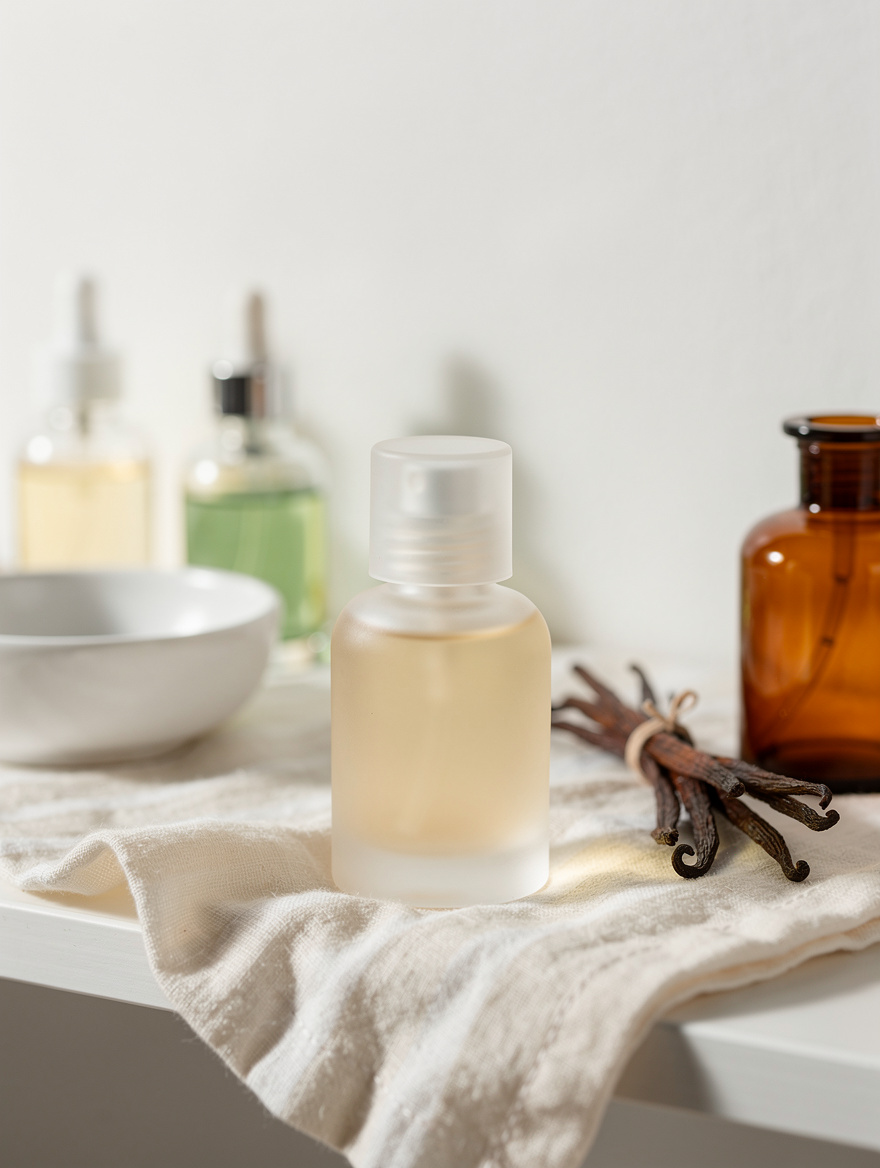
Nemat Vanilla Musk Fragrance Oil, also typically about $20.99 for 0.33 fl oz, uses the same fragrance-and-jojoba structure. The scent direction is cozy vanilla and musk, with none of the bracing citrus energy that can make a fragrance feel more assertive than intended.
We’d choose this when a warm, polished gourmand feels more useful than a bouquet of flowers. It still contains fragrance, so a history of rash, hives, or allergic contact dermatitis means this belongs in the skip column rather than the cart.
Wear Scent on an Outer Layer
For occasional wear, place a fragrance oil on an outer scarf, coat cuff, or other fabric that will not rub against your neck or chest, instead of rolling it across pulse points. Jojoba seed oil may feel comfortable as a carrier, yet it does not neutralize fragrance allergens inside the blend.
Keep the scent away from freshly exfoliated skin, areas irritated by retinoids, and any place where your barrier is visibly dry or cracked. Fabric is a lower-direct-contact strategy, not an allergy workaround, since fragranced fabric can still touch skin.
Skip Oils With Long Allergen Lists
Lake & Skye 11 11 Moon Fragrance Oil Rollerball has an appealing woody-musk idea, but its disclosed list includes coumarin, limonene, linalool, citral, and geraniol. That transparency is useful for reading a label, and it is also why we would not call this a sensitive-skin recommendation.
Limonene and linalool deserve extra attention because exposure to air can change them into oxidation products that are more likely to provoke reactions in susceptible people. A pretty clean-looking rollerball is still perfume, and known sensitivity should outweigh the aesthetic.
Treat Essential Oils as Fragrance Materials
The $14.99 Being Frenshe Cashmere Vanilla Glow On Perfume Oil is tempting for its price and comforting name, but it combines fragrance with declared allergens and essential oils including bergamot, mandarin, cedarwood, and ylang-ylang. We would pass on it for reactive skin, especially when dryness is already making products sting.
“Natural,” alcohol-free, phthalate-free, and paraben-free are not reliable signs that a fragrance oil is low-allergy. Essential oils are fragrant materials, and a formula can be plant-based while still being irritating or sensitizing for some users.
Let a Dermatologist Sort Out Repeat Rashes
NEST Indian Jasmine Perfume Oil Set offers a richer, dressier jasmine experience, but its extensive allergen disclosure makes it a poor fit for this particular mission. A $104 set should not persuade anyone to override a history of fragrance reactions.
Recurring redness, itching, or a rash after scented products is worth bringing to a dermatologist, because patch testing is the standard way to investigate suspected allergic contact dermatitis. See a dermatologist promptly for anything that bleeds, changes shape, or does not heal, and keep prescription treatment in the conversation when it is appropriate.
Start by removing fragrance from the skin-care steps that stay on your face, then choose Nemat Vanilla Musk Fragrance Oil only for cautious, occasional fabric wear if you do not have a known fragrance allergy. A quiet scent is never worth a recurring rash.