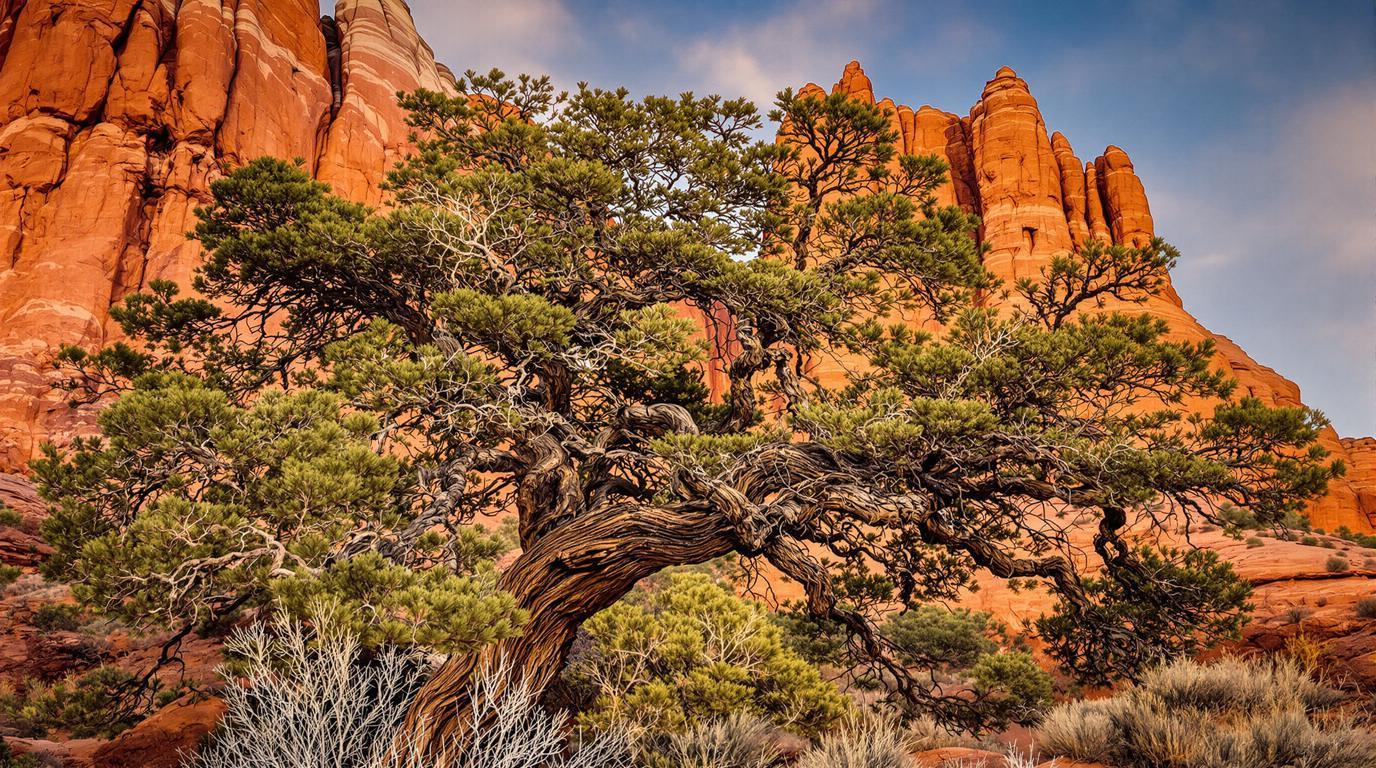
Sedona, Arizona might just be America’s most mesmerizing desert jewel. With crimson rock formations that seem sculpted by artistic giants and an energy that locals swear rejuvenates the soul, this small city of 10,000 residents has become the Southwest’s spiritual capital. Unlike anywhere else in America, Sedona blends natural splendor with metaphysical mystery in a landscape that ignites the imagination.
The science behind those impossible red rocks
Sedona’s iconic vermilion landscape isn’t just stunning—it’s a geological marvel 350 million years in the making. The distinctive rusty hue comes from iron oxide that literally rusts in the presence of oxygen, creating what geologists call the Schnebly Hill Formation. These ancient sandstone layers reveal Earth’s history with each sunset that sets them ablaze.
“These formations tell a story that spans hundreds of millions of years,” explains Dr. Wayne Ranney, local geologist and author. “What you’re seeing is essentially the exposed bottom of an ancient sea that once covered this entire region.”
The vortex phenomenon: science or spiritual energy?
Since the 1980s, Sedona has attracted spiritual seekers drawn to its “vortexes”—swirling centers of energy that supposedly facilitate meditation, healing, and self-exploration. The four main vortexes—Airport Mesa, Cathedral Rock, Bell Rock, and Boynton Canyon—draw thousands searching for metaphysical experiences.
Juniper trees near these spots often display twisted trunks, which believers cite as physical evidence of these energy spirals. Whether you’re a skeptic or seeker, the meditation spots offer spectacular views regardless of your spiritual inclination.
Devil’s Bridge: The Instagram spot worth the hike
The natural sandstone arch known as Devil’s Bridge has become Sedona’s most photographed landmark. The moderate 4.2-mile round-trip hike rewards visitors with a chance to stand atop the 54-foot-high natural bridge. Arrive before 8am to avoid crowds and capture that perfect shot without dozens of hikers in the background.
Beyond the red rocks: Oak Creek’s hidden paradise
While most visitors focus on the towering formations, Sedona’s most refreshing secret hides in Oak Creek Canyon. At Slide Rock State Park, nature created a 80-foot natural waterslide through smooth red rock that offers relief from Arizona’s heat. The creek’s crystal waters provide a striking contrast to the surrounding crimson landscape.
Pink Jeep tours: A 60-year tradition worth the splurge
Sedona’s iconic Pink Jeep Tours have been navigating impossibly steep terrain since 1960, making them one of America’s oldest continuously operating tour companies. Their Broken Arrow tour takes visitors up seemingly vertical rock faces while providing geological and cultural insights you’d never discover alone.
The stargazing capital of the Southwest
In 2014, Sedona became one of only twenty certified Dark Sky Communities worldwide. The minimal light pollution reveals a dazzling celestial display that ancient Sinagua people once used for navigation and spiritual ceremonies. The Sedona Star Party, held annually at the airport mesa, attracts astronomers with high-powered telescopes willing to share views of distant galaxies.
Where Spanish missionaries once walked
The Chapel of the Holy Cross, dramatically built into the red rocks in 1956, represents just one chapter in Sedona’s spiritual history. The area was once home to ancient settlements before Spanish missionaries arrived in the 1700s. The chapel’s floor-to-ceiling windows frame views that even the most devout atheist might describe as religious.
The Sedona dining renaissance
Beyond tourist traps, Sedona’s culinary scene has evolved dramatically. Chef Lisa Dahl pioneered the movement with Mariposa, where Latin-inspired cuisine competes with 360-degree panoramic views. For a uniquely Arizona experience, the prickly pear margaritas at Elote Cafe blend the desert’s bounty with premium tequila.
“Sedona’s energy extends to our food,” explains Chef Dahl. “When you’re surrounded by this much beauty, you can’t help but create dishes that honor it.”
Discovering hidden petroglyphs
While conservation efforts protect most ancient art, eagle-eyed hikers on the Palatki Heritage Site trail can spot rock art created by Sinagua people between 1150 and 1350 AD. These haunting symbols connect modern visitors to ancient inhabitants who also found these red rocks mesmerizing.
When Spain meets the American Southwest
Tlaquepaque Arts & Crafts Village recreates a Mexican village with stucco walls and cobblestone walkways. This architectural gem houses over 50 boutiques and galleries featuring Southwestern art. The Spanish-influenced design creates an atmosphere that feels more like an ancient settlement than a shopping center.
The paradise beyond tourism
Venturing off-road to lesser-known spots like Birthing Cave or Soldier Pass reveals Sedona without the crowds. These hidden gems offer contemplative spaces where the veil between earth and sky seems remarkably thin. In these quiet corners, even skeptics might feel something extraordinary in Sedona’s crimson cathedral.